How To Broil Salmon In Oven With Skin And Get Crispy
Learning how to broil salmon in oven with skin is simpler than you think. This guide walks you through every step to get crispy, golden skin on your salmon fillet. You will discover the right oven settings, timing, and seasoning tricks that make all the difference. Whether you are a beginner or a home cook, these tips will level up your salmon game fast.
There is something magical about how to broil salmon in oven with skin and end up with a restaurant-quality dish at home. The skin gets crispy and golden while the inside stays tender and flaky. It is one of the fastest ways to cook salmon, and the results are always impressive.
If you have been avoiding broiled salmon because you think it is too tricky, think again. This method is straightforward and forgiving. You do not need fancy equipment or years of cooking experience. All you need is a good oven, a broiler pan, and a fresh salmon fillet with the skin on.
Broiling uses direct heat from the top of your oven. This is very different from baking, which heats the air around the food. Because the heat comes from above, the skin side gets crispy fast. The flesh cooks gently underneath, staying juicy and flavorful. Once you master this technique, you will make broiled salmon again and again.
Key Takeaways
- Skin-On Broiling Works Best: Broiling salmon with the skin on protects the fish and creates a crispy, delicious texture.
- High Heat Is Key: Using the broiler setting at high heat crisps the skin quickly while keeping the flesh moist.
- Preparation Matters: Patting the skin dry and seasoning properly before broiling leads to better results.
- Timing Is Critical: Most salmon fillets broil perfectly in 6 to 10 minutes depending on thickness.
- Distance From the Broiler Element: Keeping the salmon 4 to 6 inches from the top element prevents burning.
- Resting After Cooking: Letting the salmon rest for a few minutes helps the juices redistribute.
📑 Table of Contents
- Why Broiling Salmon With Skin Is the Best Method
- Choosing the Right Salmon for Broiling
- Preparing Your Salmon for the Broiler
- Step-by-Step Guide on How to Broil Salmon in Oven With Skin
- Common Mistakes to Avoid When Broiling Salmon
- Expert Tips for the Crispiest Salmon Skin
- Frequently Asked Questions
- Final Thoughts
Why Broiling Salmon With Skin Is the Best Method
Broiling salmon with the skin on has many advantages. First, the skin acts as a natural protective layer. It shields the delicate flesh from the intense heat of the broiler. This means your salmon is less likely to dry out or fall apart.
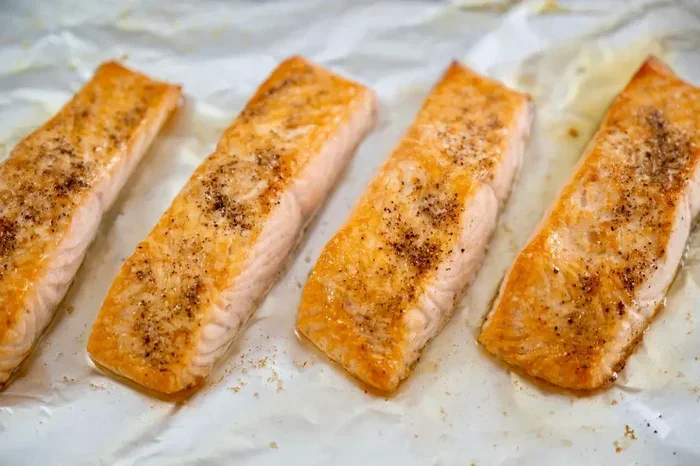
Second, crispy salmon skin is simply delicious. The texture adds a whole new dimension to the fish. When cooked correctly, the skin becomes golden and crunchy, almost like a cracker. It pairs beautifully with the soft, buttery flesh underneath.
Third, broiling is a fast cooking method. Unlike baking, which can take 15 to 20 minutes, broiling often takes less than 10 minutes. This makes it perfect for busy weeknights when you want a healthy, delicious meal on the table quickly.
Finally, broiling requires very little cleanup. You place the salmon on a broiler pan or a lined sheet pan, and that is it. There are no pots to scrub or complicated steps to manage. It is clean, simple, and effective.
Choosing the Right Salmon for Broiling
The success of your broiled salmon starts with choosing the right fillet. Not all salmon is created equal, and some types work better for broiling than others.
Skin-On vs. Skin-Off Fillets
Always choose skin-on salmon fillets for broiling. The skin serves as a natural barrier between the fish and the intense heat. It also provides that satisfying crispy texture everyone loves. Skinless salmon can dry out quickly under the broiler, so it is best to avoid it for this method.
If you buy salmon with the skin already on, you are set. If you find skinless fillets at the store, you can still add a strip of skin before cooking. Simply slide a piece of salmon skin underneath the fillet and secure it with toothpicks. This trick works in a pinch.
Types of Salmon That Work Well
Atlantic salmon is the most common type found in grocery stores. It has a mild flavor and a tender texture that broils beautifully. Wild-caught Alaskan salmon is another excellent option. It tends to be firmer and holds up well under high heat.
Coho salmon and king salmon are also great choices for broiling. They have a richer flavor and a slightly fattier texture, which helps them stay moist during cooking. Sockeye salmon works too, but it is leaner, so you need to be more careful with timing to prevent it from drying out.
What to Look for When Buying Salmon
When shopping for salmon, look for bright, vibrant color. The flesh should look moist and firm, not dull or mushy. The skin should be smooth and shiny, without any slimy residue. Fresh salmon has a mild ocean smell, not a strong fishy odor.
Buy fillets that are about 1 to 1.5 inches thick. Thin fillets can overcook quickly under the broiler, while very thick pieces may not cook evenly. Uniform thickness is the key to consistent results every time.
Preparing Your Salmon for the Broiler
Proper preparation is the secret to perfect broiled salmon. Taking a few extra minutes before cooking makes a huge difference in the final result.
Pat the Skin Dry
This is the single most important step. Use paper towels to pat the skin side of the salmon completely dry. Moisture is the enemy of crispy skin. The drier the skin, the crispier it will get under the broiler.
Remove the salmon from the refrigerator about 15 to 20 minutes before cooking. Letting it come to room temperature helps it cook more evenly. Cold salmon straight from the fridge can cook unevenly, with the outside overcooking before the inside is done.
Seasoning Your Salmon
Keep the seasoning simple for the best results. A light coating of olive oil on both sides helps the seasoning stick and promotes even browning. Then sprinkle salt and pepper generously over the flesh side.
For extra flavor, try these simple seasoning combinations:
- Classic Herb: Olive oil, salt, pepper, garlic powder, and dried dill.
- Lemon Butter: Melted butter, lemon zest, salt, and a pinch of paprika.
- Asian-Inspired: Soy sauce, sesame oil, honey, and grated ginger.
- Spicy Kick: Olive oil, cayenne pepper, smoked paprika, and a squeeze of lime.
Apply seasoning to the flesh side only. You do not want salt or spices sitting directly on the skin, as they can cause the skin to burn under the broiler. The oil on the skin side alone is enough to promote crisping.
Prepping Your Pan
Line a broiler pan or a sheet pan with aluminum foil or parchment paper. This makes cleanup a breeze. Place a wire rack on top of the pan if you have one. The rack allows hot air to circulate around the salmon, cooking the skin more evenly.
If you do not have a wire rack, you can place the salmon directly on the lined pan. Just flip it halfway through cooking to ensure both sides get some color. The skin side will face the broiler element, which is what creates the crispy texture.
Step-by-Step Guide on How to Broil Salmon in Oven With Skin
Now that your salmon is prepped and your oven is ready, it is time to cook. Follow these steps for perfectly broiled salmon every single time.
Step 1: Position the Oven Rack
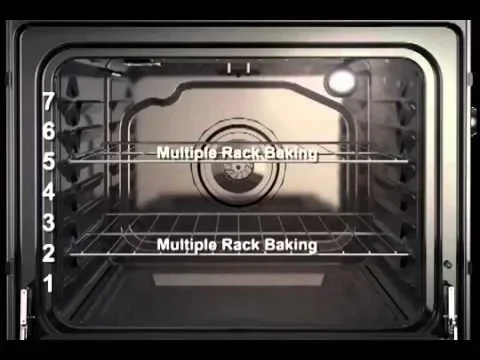
Move the oven rack to the top position, about 4 to 6 inches below the broiler element. This distance is critical. If the salmon is too close, the skin will burn. If it is too far, the skin will not crisp properly.
Preheat the broiler on high for about 5 minutes. Letting the broiler heat up fully before the salmon goes in ensures immediate, even crisping. Some ovens have a separate broil setting, while others use a top heat element. Make sure you are using the correct setting.
Step 2: Place the Salmon Skin-Side Up
Put the salmon fillet skin-side up on the prepared pan. The skin should face upward toward the broiler element. This is the side that will become crispy and golden.
If you are using a wire rack, place the salmon on the rack. The air gap underneath promotes even cooking and prevents the skin from steaming, which would make it soggy instead of crispy.
Step 3: Broil for 6 to 10 Minutes
Place the pan on the top oven rack and turn on the broiler. Set a timer for 6 minutes. Do not walk away from the oven. Broiling happens fast, and salmon can go from perfectly done to overcooked in a matter of seconds.
After 6 minutes, check the salmon. Look for golden-brown spots on the skin. If the skin is not yet crispy, continue broiling for another 1 to 2 minutes. Watch it closely. Every oven is different, so your timing may vary slightly.
For thicker fillets, you may need the full 10 minutes. For thinner pieces, 5 to 6 minutes is usually enough. The goal is crispy skin and flesh that is just cooked through but still moist and tender.
Step 4: Check for Doneness
The best way to check if your salmon is done is to use a meat thermometer. Insert it into the thickest part of the fillet. The internal temperature should read 145 degrees Fahrenheit for fully cooked salmon. For a slightly more tender result, aim for 130 to 135 degrees, which gives you a medium doneness.
You can also check by gently pressing the top of the fillet with your finger. Properly cooked salmon will feel firm but still give slightly. If it feels mushy, it needs more time. If it feels very firm and starts to flake apart, it may be overcooked.
Step 5: Rest and Serve
Remove the salmon from the oven and let it rest for 3 to 5 minutes. This resting period allows the juices to redistribute throughout the fillet. The result is a more flavorful and moist piece of fish.
Serve your broiled salmon with a squeeze of fresh lemon, a side of roasted vegetables, or a simple salad. The crispy skin pairs wonderfully with creamy sauces like dill yogurt or a light tartar sauce.
Common Mistakes to Avoid When Broiling Salmon
Even though broiling salmon is simple, a few common mistakes can ruin the result. Here is what to watch out for.
Skipping the Dry Skin Step
This mistake is the number one reason people fail to get crispy skin. If the skin is wet, it will steam instead of crisp. Always pat the salmon dry with paper towels before seasoning and placing it in the oven. You can even let the skin air-dry in the fridge overnight for even better results.
Placing the Salmon Too Far From the Broiler
If the rack is too low, the salmon will bake instead of broil. You will not get the crispy skin you are looking for. Always place the salmon close to the top heat element, within 4 to 6 inches. This intense, direct heat is what creates the crispy texture.
Overcooking the Salmon
Salmon goes from perfectly done to dry and overcooked very quickly. Set a timer and stay near the oven. Check the salmon frequently, especially after the 6-minute mark. It is always better to slightly undercook than to overcook. The residual heat will continue cooking the fish as it rests.
Using Too Much Seasoning on the Skin
Salt and spices on the skin side can burn under the broiler and create a bitter taste. Keep all seasoning on the flesh side. A light brush of oil on the skin is all you need to promote crisping.
Not Using a Broiler Pan or Rack
Placing salmon directly on a flat pan can cause the skin to steam and become soggy. A broiler pan or wire rack allows heat to circulate properly and promotes even crisping. If you do not have either, a simple workaround is to use a sheet pan with a makeshift foil sling to lift the fish slightly.
Expert Tips for the Crispiest Salmon Skin
Want to take your broiled salmon to the next level? These expert tips will help you achieve the crispiest, most delicious skin possible.
Score the Skin
Use a sharp knife to make 2 to 3 shallow diagonal cuts across the skin side of the salmon. This helps the heat penetrate evenly and prevents the skin from curling up during cooking. It also creates more surface area for crispiness.
Brush with Oil Before Broiling
A thin, even layer of high-smoke-point oil like avocado oil or grapeseed oil on the skin side helps achieve maximum crispiness. The oil conducts heat evenly and promotes browning. Avoid olive oil for this step, as it has a lower smoke point and can burn under the broiler.
Let the Salmon Come to Room Temperature
Taking the salmon out of the fridge 15 to 20 minutes before cooking is a small step that makes a big difference. Room-temperature salmon cooks more evenly, reducing the risk of a cold center or overcooked edges.
Use a Preheated Pan
If you are using a broiler pan, preheat it in the oven while the broiler heats up. A hot pan immediately starts crisping the skin the moment the salmon touches it. This extra step elevates the results significantly.
Finish with a Squeeze of Lemon
Fresh lemon juice adds brightness and cuts through the richness of the crispy skin. Squeeze it over the salmon right after it comes out of the oven. The acid complements the smoky, savory flavors perfectly.
Frequently Asked Questions
Can I broil salmon without the skin?
Yes, you can broil salmon without the skin, but the results will be different. Skinless salmon is more likely to dry out under the broiler because there is no protective layer. If you cook skinless salmon, reduce the broiling time by a minute or two and keep a close eye on it to prevent overcooking.
How long does it take to broil salmon in the oven?
Most salmon fillets broil in 6 to 10 minutes depending on thickness. Thin fillets around 1 inch thick take about 5 to 6 minutes. Thicker fillets of 1.5 inches or more may need 8 to 10 minutes. Always use a meat thermometer to check for doneness, aiming for an internal temperature of 145 degrees Fahrenheit.
What temperature should I set my oven to for broiling salmon?
You do not need to set a specific oven temperature when broiling. Simply turn the broiler to high and let it preheat for 5 minutes. The broiler element reaches temperatures of 500 to 550 degrees Fahrenheit, which is more than hot enough to crisp salmon skin perfectly in just a few minutes.
Do I need to flip the salmon when broiling?
Typically, you do not need to flip the salmon when broiling skin-side up. The skin faces the broiler element and crisps on its own. However, if you prefer crispy skin on both sides, you can flip the fillet halfway through cooking. This works well for thinner fillets but can be tricky with thicker pieces.
Why did my salmon skin stick to the pan?
Salmon skin sticks to the pan when it is not dry enough or when the pan is not hot enough. Make sure to pat the skin thoroughly with paper towels before cooking. Also, preheating the pan helps create a natural release barrier. Using parchment paper or foil on the pan can also prevent sticking.
Can I use frozen salmon for broiling?
It is best to use fresh or fully thawed salmon for broiling. Frozen salmon has extra moisture that can prevent the skin from crisping properly. If you must use frozen salmon, thaw it completely in the refrigerator overnight, then pat it dry before broiling. Thawed salmon cooks more evenly and produces better results.
Final Thoughts
Learning how to broil salmon in oven with skin is one of the easiest ways to elevate your home cooking. The technique is fast, simple, and delivers incredible results every time. Crispy, golden skin paired with tender, flavorful flesh makes for a meal that feels special without any fuss.
The key is in the preparation. Dry the skin, season the flesh, position the rack correctly, and watch the salmon closely as it broils. Follow these steps, and you will never go back to baking salmon again. The broiler gives you textures and flavors that baking simply cannot match.
Now that you have all the tips and tricks, it is time to put them into practice. Grab a fresh salmon fillet, preheat your broiler, and give it a try. You will be amazed at how easy it is to cook restaurant-quality salmon in your own kitchen. Once you master this method, crispy broiled salmon will become a regular part of your weekly meal rotation.
Remember, cooking is about experimenting and finding what works best for your taste. Adjust the seasoning, try different types of salmon, and fine-tune your timing. With a little practice, you will be a broiled salmon pro in no time. Enjoy the process, savor the results, and share the deliciousness with the people you love.