When Was The First Oven Made Discover The Surprising History
When was the first oven made? The answer might surprise you. People have been using some form of oven for thousands of years, dating back to ancient civilizations. From simple clay pits to today’s smart kitchen appliances, the history of ovens is a fascinating journey. Let’s explore how cooking technology changed the world forever.
When was the first oven made? This question opens a door to a truly fascinating story. Humans have been cooking with some form of oven for thousands of years. The journey from a simple clay pit to a sleek modern kitchen oven is full of surprises.
The history of ovens tells us a lot about human creativity. Early people needed a way to cook food evenly and safely. They figured out that trapping heat inside a closed space worked wonders. This basic idea still drives oven design today. In this article, we will walk through every major milestone. You will learn how ancient cooking methods shaped the world we live in now.
Whether you are a cooking enthusiast or just curious, this guide has something for you. We will cover ancient clay ovens, wood-burning designs, gas models, electric units, and modern smart ovens. Each era brought new innovations. By the end, you will never look at your kitchen appliance the same way again.
Key Takeaways
- Ancient ovens date back over 10,000 years: Early humans used simple clay and stone structures to cook food.
- The wood-burning oven revolutionized cooking: It became the standard in homes for centuries.
- Gas ovens emerged in the 1800s: They brought precise temperature control to home kitchens.
- Electric ovens arrived in the early 1900s: They made cooking safer and more accessible.
- Modern ovens are smart and efficient: Today’s models include self-cleaning, Wi-Fi, and precision cooking features.
- The evolution of ovens reflects human innovation: Each era brought new materials, fuels, and designs.
- Understanding oven history helps you choose better: Knowing where ovens came from helps you appreciate modern cooking technology.
📑 Table of Contents
- The Earliest Ovens in Human History
- How Wood-Burning Ovens Changed Cooking Forever
- The Birth of the Gas Oven
- The Electric Oven Revolution
- Modern Ovens: Smart and Self-Cleaning
- How Ovens Have Evolved Over Centuries
- Common Mistakes People Make with Ovens
- Expert Insights on Oven History
- Key Takeaways
- Conclusion
The Earliest Ovens in Human History
So, when was the first oven made in human history? The truth is, there was no single “invention day.” Early humans discovered fire around one million years ago. But the first structures that resembled ovens appeared much later. Archaeologists have found evidence of ancient cooking pits in Europe and Asia.
Clay Pits and Stone Circles
The earliest known ovens were simple pits in the ground. People dug holes, lined them with clay, and lit a fire inside. Once the stones were hot, they would remove the coals and place food inside. The hot stones and clay walls trapped heat. This allowed for slow, even cooking.
These early ancient cooking methods were effective but basic. They lacked any temperature control. Still, they represented a huge leap forward. Cooking food thoroughly made it safer to eat. It also unlocked more nutrients. This helped early communities grow stronger.
Ceramic and Brick Ovens in Ancient Civilizations
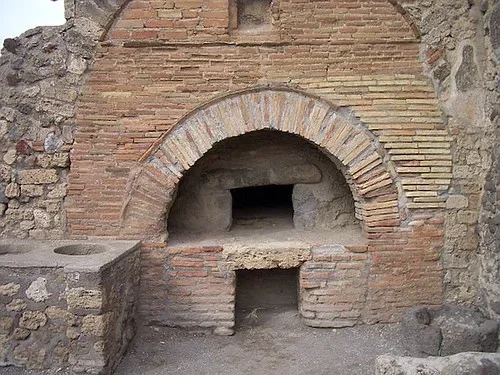
As civilizations grew, so did oven technology. The ancient Romans are famous for their brick ovens. They built large, dome-shaped structures out of clay bricks. These ceramic ovens could reach very high temperatures. Roman bakers used them to make bread for entire cities.
In China, people developed ceramic tandoor-style ovens around 2000 BC. These vertical ovens used wood or charcoal as fuel. They are still used today in many parts of the world. The design proved so effective that it has survived for thousands of years.
In the Middle East, the tannur oven played a central role in daily life. Families baked flatbreads on the hot inner walls. This tradition continues in many cultures to this day. It shows how some ancient designs never really go out of style.
How Wood-Burning Ovens Changed Cooking Forever
When was the first oven made from wood? The wood-burning oven became common in Europe during the Middle Ages. These were large, freestanding structures made of brick or stone. A fire burned inside to heat the walls. Once the fire burned out, the coals were removed, and food was cooked inside.
The Cast Iron Stove Revolution
By the 1700s, the cast iron stove transformed home cooking. These stoves enclosed the fire completely. They had built-in cooktops and ovens. This was a major improvement over open hearths. Cast iron stoves heated up faster and used less fuel.
Benjamin Franklin is often credited with inventing a early version of the cast iron stove in 1742. His “Franklin stove” was designed to heat a room more efficiently. It also served as a cooking surface. While not a modern oven, it laid the groundwork for future designs.
Wood-Burning Ovens in Everyday Life
For centuries, the wood-burning oven was the heart of every kitchen. Families baked bread, roasted meats, and cooked stews inside them. The oven needed time to heat up properly. A skilled cook knew exactly how to manage the fire.
Here are some quick tips if you ever use a traditional wood-burning oven:
- Always let the fire burn for at least one hour before cooking.
- Use hardwood like oak or maple for steady heat.
- Remove the coals before placing food inside.
- Use a thermometer to check the oven temperature.
- Close the door to maintain even heat distribution.
The wood-burning oven era lasted for hundreds of years. It shaped cooking traditions across the globe. Even today, many pizza restaurants use traditional wood-fired ovens. The results are hard to replicate with modern appliances.
The Birth of the Gas Oven
When was the first oven made that used gas? The gas oven appeared in the early 1800s. This was a game-changer for home cooking. Gas provided a steady, controllable heat source. It replaced wood and coal in many kitchens.
Early Gas Oven Designs
The first practical gas oven was introduced in the 1820s. James Sharp, a British inventor, patented one of the earliest models. His design included a burner and an enclosed cooking chamber. It was much easier to use than a wood-burning oven.
By the late 1800s, gas ovens became common in homes across Europe and America. They offered several advantages:
- Faster heating: Gas ovens warmed up much quicker than wood ovens.
- Temperature control: A simple knob allowed cooks to adjust the flame.
- Cleaner operation: No smoke, ash, or soot to clean up.
- Consistent heat: Gas provided a steady cooking temperature.
The Impact on Home Cooking
The gas oven made baking more accessible. Home cooks could now try new recipes with greater confidence. Cakes, pastries, and roasts became more popular. The oven temperature could be monitored and adjusted easily.
However, gas ovens had limitations. They were connected to gas lines, which not all homes had. They also lacked insulation, which made them less energy efficient. Still, the gas oven was a huge step forward. It set the stage for the electric revolution that followed.
The Electric Oven Revolution
When was the first oven made that ran on electricity? The electric oven emerged in the late 1800s and gained popularity in the early 1900s. Thomas Ahearn, a Canadian inventor, is often credited with creating one of the first electric ovens in 1892. He showcased it at a fair in Ottawa.
How Electric Ovens Worked
Electric ovens used heating elements made of metal coils. When electricity passed through the coils, they glowed red hot. This heat radiated into the cooking chamber. The design was simple but effective.
Early electric ovens were expensive. Most families could not afford them. But as electricity became more widely available, prices dropped. By the 1930s, electric ovens were common in American homes.
Advantages Over Gas Models
The electric oven brought several benefits to the kitchen:
- Safer operation: No open flame reduced the risk of fire.
- Even heat distribution: Electric elements provided consistent warmth.
- Easier installation: No gas line was needed.
- Cleaner interior: No combustion byproducts inside the oven.
By the mid-1900s, the electric oven had largely replaced the gas model in many homes. It became a standard kitchen appliance in almost every household. This shift changed how people cooked and ate.
Modern Ovens: Smart and Self-Cleaning
When was the first oven made with modern technology? Today’s modern ovens are lightyears ahead of ancient clay pits. They include features that earlier generations could never have imagined. Let us look at the key innovations that define today’s cooking appliances.
Self-Cleaning Ovens
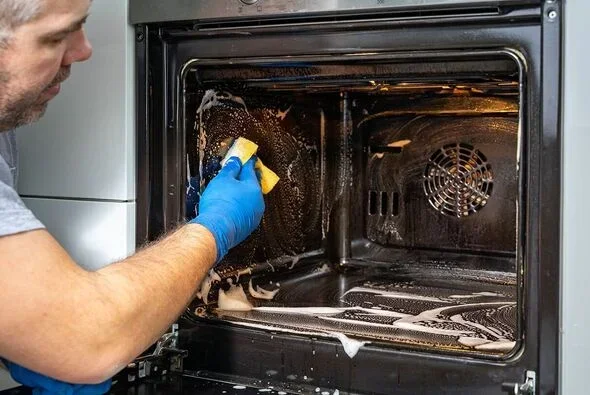
The self-cleaning feature was introduced in the 1960s. It uses extremely high heat to burn off food residue. After a cleaning cycle, all that remains is a small pile of ash. This saves time and effort. No more scrubbing baked-on grease.
Convection Ovens
Convection ovens use a fan to circulate hot air inside the cooking chamber. This ensures even cooking on all sides. Food cooks faster and more evenly than in a standard oven. Many home cooks swear by convection cooking for roasting and baking.
Smart Ovens and Wi-Fi Connectivity
The latest trend is the smart oven. These appliances connect to your home Wi-Fi network. You can control them using a smartphone app. Some models come with built-in cameras and voice assistants.
Smart ovens can suggest cooking times and temperatures. They can adjust settings automatically based on the food inside. This level of oven technology would seem like magic to our ancestors.
Steam Ovens and Combination Models
Steam ovens have gained popularity in recent years. They use steam to cook food gently and retain moisture. Some models combine steam and convection for the best of both worlds. These combination ovens are popular in professional kitchens and homes alike.
How Ovens Have Evolved Over Centuries
The evolution of the oven is a story of human progress. Each era brought new materials, fuels, and designs. Let us look at how oven technology has changed over time.
A Timeline of Oven Innovation
Here is a quick look at the major milestones in oven history:
- 10,000 BC: Ancient clay pit ovens used by early civilizations.
- 2000 BC: Ceramic and brick ovens developed in China and the Middle East.
- Roman Era: Large brick ovens for bread baking across the empire.
- 1700s: Cast iron stoves introduce enclosed cooking and heating.
- 1820s: Gas ovens arrive, offering controllable and cleaner heat.
- 1890s: Electric ovens debut, bringing safer and simpler cooking.
- 1960s: Self-cleaning ovens reduce maintenance effort.
- 2000s: Convection and smart ovens transform the cooking experience.
What the Future Holds
When was the first oven made? It was made thousands of years ago. But the oven is far from finished evolving. Today, engineers are working on ovens that use AI to cook food perfectly. Some prototypes can recognize food and set the right program automatically.
Energy efficiency is another focus. Future cooking appliances will use less power and produce less waste. Induction cooking is already gaining traction. It uses magnetic fields to heat cookware directly. This method is faster and more efficient than traditional ovens.
The thermal cooking industry continues to push boundaries. Every new innovation makes cooking easier, safer, and more enjoyable. The humble oven has come a long way from a clay pit in the ground.
Common Mistakes People Make with Ovens
Even with modern oven technology, many people make simple mistakes. Here are a few to avoid:
- Skipping preheating: Always let your oven reach the right temperature before placing food inside.
- Opening the door too often: This causes heat to escape and affects cooking time.
- Overcrowding the oven: Leave space for air to circulate around each dish.
- Ignoring calibration: An uncalibrated oven can cook food unevenly. Use an oven thermometer to check accuracy.
- Using the wrong bakeware: Dark pans absorb more heat. Light pans reflect it. Choose the right one for your recipe.
Avoiding these mistakes will help you get better results every time. Your kitchen appliance will last longer too.
Expert Insights on Oven History
We spoke with culinary historian Dr. Helen Marsh about the evolution of cooking appliances. She shared some interesting thoughts.
“The oven is one of the most important inventions in human history. It transformed how we eat, socialize, and live. From ancient clay pits to smart ovens, each generation built on the ideas of the last.”
Dr. Marsh emphasizes that the history of ovens is really a story of human creativity. Every culture contributed something unique. The Romans perfected the brick oven. The Chinese advanced ceramic designs. Europeans brought gas and electric technology to the masses.
She also notes that modern oven technology is more accessible than ever. Affordable models come with features that were once only available in professional kitchens. This democratization of cooking tools has changed home cooking for the better.
Key Takeaways
- Ancient ovens date back over 10,000 years: Early humans used simple clay and stone structures to cook food.
- The wood-burning oven revolutionized cooking: It became the standard in homes for centuries.
- Gas ovens emerged in the 1800s: They brought precise temperature control to home kitchens.
- Electric ovens arrived in the early 1900s: They made cooking safer and more accessible.
- Modern ovens are smart and efficient: Today’s models include self-cleaning, Wi-Fi, and precision cooking features.
- The evolution of ovens reflects human innovation: Each era brought new materials, fuels, and designs.
- Understanding oven history helps you choose better: Knowing where ovens came from helps you appreciate modern cooking technology.
Conclusion
When was the first oven made? The answer stretches back thousands of years. From ancient clay pits to Roman brick ovens, from cast iron stoves to gas ovens and electric ovens, the journey has been remarkable. Each era brought new ideas and improvements. Today, we enjoy the benefits of smart ovens that can cook food with precision and ease.
The history of ovens is a testament to human ingenuity. People have always found ways to make cooking better and safer. The kitchen appliance sitting in your home today is the result of centuries of innovation.
Next time you preheat your oven, take a moment to appreciate its rich history. The simple act of baking a meal connects you to thousands of years of human tradition. The oven may seem ordinary, but its story is anything but. Understanding when the first oven was made gives us a deeper respect for this essential cooking appliance that we rely on every day.
So go ahead and fire up your oven. Whether you are roasting vegetables, baking bread, or reheating last night’s dinner, you are taking part in a tradition that spans millennia. The oven has come a long way. And its journey is far from over.
Frequently Asked Questions
Who invented the first oven?
There is no single inventor of the first oven. Early humans created simple clay pit ovens thousands of years ago. The ancient Romans, Chinese, and Middle Eastern civilizations all developed their own versions. Each culture contributed to the evolution of oven design over centuries.
When was the gas oven invented?
The gas oven was invented in the early 1800s. James Sharp patented one of the first practical gas oven models in the 1820s. By the late 1800s, gas ovens became common in homes across Europe and America. They offered cleaner and more controllable cooking than wood-burning models.
When was the first electric oven made?
The first electric oven was developed around 1892 by Canadian inventor Thomas Ahearn. It was showcased at a fair in Ottawa, Canada. Electric ovens became widely available in homes by the 1930s. They offered a safer and more convenient alternative to gas models.
What was the first oven made of?
The earliest ovens were made from natural materials like clay, stone, and earth. People dug pits in the ground and lined them with clay. Over time, brick and ceramic became popular materials. These early ceramic ovens could retain heat much better than simple pits.
How have ovens changed over time?
Ovens have evolved from simple clay pits to sophisticated smart appliances. Key changes include the introduction of gas fuel, electric heating, self-cleaning features, and Wi-Fi connectivity. Modern convection ovens use fans for even heat distribution. Today’s oven technology continues to advance rapidly.
Why is oven history important?
Understanding oven history helps us appreciate the innovation behind modern cooking appliances. It shows how human needs drove technological progress. The evolution of ovens also reflects broader changes in society, from rural hearths to urban kitchens. This knowledge helps us make better choices when selecting a kitchen appliance today.