How To Make Pollock Fish In The Oven With Simple Steps
Learning how to make pollock fish in the oven is one of the easiest and most rewarding cooking skills you can pick up. This guide walks you through every step, from picking the right fillets to pulling a perfectly baked dish out of your oven. Whether you are a beginner or a seasoned cook, you will find practical tips that make oven-baked pollock simple and delicious.
There are few things in the kitchen as satisfying as pulling a tray of perfectly baked fish out of the oven. The aroma fills your home, the fillets are golden and flaky, and you know you have created something healthy and delicious. If you have been wondering how to make pollock fish in the oven, you have come to the right place.
Pollock is one of the most popular white fish options available today. It is affordable, mild in flavor, and packed with protein. Best of all, it bakes beautifully in the oven with very little effort. This article will guide you through every single step, so you can confidently prepare oven-baked pollock any night of the week.
Whether you are cooking for yourself, your partner, or a whole family, this recipe adapts easily. You can keep it simple with just salt, pepper, and lemon. Or you can get creative with herbs, spices, and sauces. The beauty of baking pollock is that it is forgiving and hard to ruin. Let us dive in and explore everything you need to know.
Key Takeaways
- Simple Process: Making pollock fish in the oven requires just a few ingredients and minimal prep time.
- Versatile Recipe: You can customize your pollock with different seasonings, marinades, and toppings to suit any taste.
- Healthy Dinner Option: Oven-baked pollock is a low-fat, high-protein meal that fits perfectly into a balanced diet.
- Perfect Temperature and Timing: Baking at the right oven temperature ensures moist, flaky fish every single time.
- Budget-Friendly: Pollock is an affordable white fish that delivers big flavor without breaking the bank.
- Beginner-Friendly: Even if you have never cooked fish before, this method is foolproof and hard to mess up.
- Meal Prep Friendly: Oven-baked pollock stores well and works great for meal prep throughout the week.
📑 Table of Contents
- Why Choose Pollock Fish for Oven Baking?
- What You Will Need to Get Started
- Step-by-Step Guide to Making Pollock Fish In The Oven
- Tips for Perfectly Baked Pollock Every Time
- Common Mistakes to Avoid When Baking Pollock
- Health Benefits of Eating Oven-Baked Pollock
- Easy Side Dish Ideas to Pair with Baked Pollock
- How to Store and Reheat Leftover Pollock
- Frequently Asked Questions
- Final Thoughts on Making Pollock Fish In The Oven
Why Choose Pollock Fish for Oven Baking?
Not all fish are created equal when it comes to oven cooking. Pollock stands out for several reasons. It has a delicate texture that flakes apart perfectly when baked. Its mild flavor absorbs seasonings beautifully. And its firm enough structure holds together well in the oven without falling apart.
Compared to fattier fish like salmon or mackerel, pollock is much leaner. This means it cooks faster and stays moist when you do it right. It is also lower in calories, making it a great choice for anyone watching their weight. Many people choose pollock because it is a sustainable and affordable seafood option.
Another big advantage is that pollock works with almost any flavor profile. You can bake it with Italian herbs, Asian spices, or classic Mediterranean flavors. The fish acts as a blank canvas that takes on whatever you throw at it. This versatility is why so many home cooks keep pollock on their weekly meal plan.
Pollock vs Other White Fish
You might be wondering how pollock compares to other common white fish like cod, tilapia, or haddock. Here is a quick look at what makes pollock special:
- Flavor: Pollock has a milder taste than cod, which makes it more approachable for people who do not love strong fish flavors.
- Texture: It is slightly softer than haddock but firmer than tilapia, giving it a balanced mouthfeel.
- Price: Pollock is generally cheaper than cod and comparable to tilapia, making it a budget-friendly choice.
- Nutrition: Pollock is high in protein and low in fat, similar to other white fish but with a clean, mild taste.
- Availability: You can find fresh or frozen pollock at most grocery stores year-round.
What You Will Need to Get Started
Before you start baking, it helps to gather everything you need. The ingredient list for oven-baked pollock is refreshingly short. You do not need fancy equipment or hard-to-find items. Most of what you need is probably already in your kitchen.
Essential Ingredients for Baked Pollock
- Pollock fillets: Fresh or frozen both work well. If using frozen, make sure to thaw them completely before baking.
- Olive oil: A small amount keeps the fish moist and helps seasonings stick to the surface.
- Salt and pepper: The basics that bring out the natural flavor of the fish.
- Garlic: Fresh or minced garlic adds a wonderful depth of flavor to oven-baked fish.
- Lemon: Fresh lemon juice and zest brighten up the dish and cut through any fishy taste.
- Fresh herbs: Parsley, dill, or thyme all work wonderfully with pollock.
Equipment You Need
You do not need much equipment to make pollock fish in the oven. A baking sheet or an oven-safe baking dish is all you need. Parchment paper or aluminum foil makes cleanup a breeze. A small bowl for mixing your seasoning blend is helpful too. And of course, a reliable oven that can maintain a steady temperature.
Some people like to use a wire rack placed over a baking sheet. This allows air to circulate around the fish, which helps create a more evenly crispy top. But a simple flat baking dish works just as well. Choose whatever you have on hand and do not overthink it.
Step-by-Step Guide to Making Pollock Fish In The Oven
This is the heart of the article. Here is exactly how to make pollock fish in the oven, broken down into clear and easy steps. Follow along and you will have a restaurant-quality dish on your plate in less than 30 minutes.
Step 1: Preheat Your Oven
Start by preheating your oven to 400 degrees Fahrenheit. This is the sweet spot for baking pollock. It is hot enough to create a light golden crust on the outside while keeping the inside moist and tender. If your oven runs hot or cold, get to know it and adjust slightly if needed.
Preheating is a step many people skip. Do not make that mistake. Putting fish into a cold oven leads to uneven cooking. The fish steams instead of baking, and you lose that beautiful crispy texture. Always give your oven at least 10 to 15 minutes to reach the right temperature before the fish goes in.
Step 2: Prepare the Pollock Fillets
Take your pollock fillets out of the packaging and pat them dry with paper towels. This is a crucial step. Moisture on the surface of the fish creates steam, which prevents browning and crispiness. The drier the surface, the better the texture will be.
If your fillets are different sizes, you can trim them to be more uniform. This ensures even cooking so one piece does not dry out while another is still undercooked. Place the fillets in a single layer in your baking dish or on your baking sheet. Leave a little space between each piece so hot air can flow freely.
Step 3: Season the Fish
Now comes the fun part. Drizzle a small amount of olive oil over each fillet. Then sprinkle with salt, pepper, minced garlic, and your choice of fresh herbs. Squeeze half a lemon over the top and add a little lemon zest if you want extra brightness.
Do not be shy with your seasoning. Pollock has a mild flavor and it needs some help to shine. But also do not go overboard. A light, balanced seasoning lets the natural taste of the fish come through. Taste your seasoning blend before applying it if you are unsure about the salt level.
Step 4: Bake the Pollock
Place the baking dish in the preheated oven and set a timer for 12 to 15 minutes. The exact cooking time depends on the thickness of your fillets. Thinner pieces may be done in 10 minutes, while thicker ones might need up to 18 minutes.
You will know the fish is ready when it turns opaque white and flakes easily with a fork. The internal temperature should reach 145 degrees Fahrenheit. The top should have a light golden color. If you like a crispier finish, you can broil for the last 1 to 2 minutes, but watch it carefully so it does not burn.
Step 5: Serve and Enjoy
Remove the pollock from the oven and let it rest for a couple of minutes. This allows the juices to redistribute, making each bite more flavorful. Squeeze fresh lemon juice over the top before serving. Garnish with chopped parsley or dill for a pop of color and freshness.
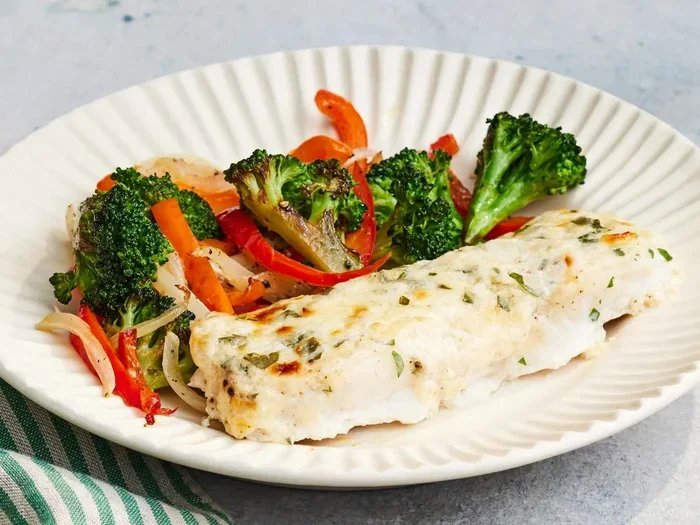
Oven-baked pollock pairs wonderfully with a side of roasted vegetables, steamed rice, or a simple green salad. For a more indulgent meal, serve it with a garlic butter sauce or a drizzle of tartar sauce. The possibilities are endless, and the fish works as a centerpiece for any dinner table.
Tips for Perfectly Baked Pollock Every Time
Even though baking pollock is straightforward, a few pro tips can take your results from good to amazing. These are the small details that experienced cooks swear by.
Use Parchment Paper
Lining your baking sheet with parchment paper prevents the fish from sticking. It also makes cleanup so much easier. The fish slides right off when it is done. If you do not have parchment paper, a light coating of oil on the baking dish works as a good alternative.
Do Not Overcook the Fish
Overcooking is the number one mistake people make with pollock. When fish cooks too long, it becomes dry and chalky. The texture turns tough and loses all its appeal. Always check the fish a couple of minutes before the expected finish time. You can always put it back for another minute, but you cannot undo overcooked fish.
Let the Fish Come to Room Temperature
Take your pollock fillets out of the refrigerator about 15 minutes before baking. This small step makes a big difference. Cold fish in a hot oven cooks unevenly, with the outside overcooking before the inside is done. Room temperature fish bakes more evenly and tastes better.
Experiment with Flavors
Once you master the basic recipe, start experimenting. Try a Cajun seasoning blend for a spicy kick. Use Italian seasoning with sun-dried tomatoes for a Mediterranean twist. Add a sprinkle of parmesan cheese in the last few minutes of baking for a crispy, savory topping. The more you play with flavors, the more you will find your perfect version.
Check for Freshness
Fresh pollock has a mild, clean smell. If your fish smells strongly of ammonia or has a slimy texture, it is not fresh and you should not cook it. When buying fresh pollock, look for bright, clear eyes if buying whole fish, or firm, shiny flesh for fillets. Frozen pollock is a great alternative and often just as nutritious.
Common Mistakes to Avoid When Baking Pollock
Learning what not to do is just as important as learning what to do. Here are the most common mistakes people make when baking pollock, and how to avoid them.
- Skipping the preheating step: A cold oven leads to uneven cooking and soggy fish. Always preheat first.
- Using too much oil: Pollock is a lean fish. A little oil goes a long way. Too much makes the fillets greasy instead of crispy.
- Overcrowding the baking dish: Giving each fillet space ensures even heat distribution. Overcrowding creates steam and prevents browning.
- Not seasoning enough: Pollock needs seasoning to bring out its flavor. Plain fish can taste bland and boring.
- Opening the oven door too often: Every time you open the door, heat escapes. This extends cooking time and can lead to uneven results. Trust your timer and resist the urge to peek.
- Ignoring the thickness of fillets: Different thicknesses require different cooking times. Adjust accordingly to avoid undercooking or overcooking.
Health Benefits of Eating Oven-Baked Pollock
Baking pollock in the oven is one of the healthiest ways to prepare fish. Unlike frying, which adds unnecessary fat and calories, oven baking preserves the natural nutrition of the fish. Here are some of the key health benefits you get from making pollock fish in the oven.
Pollock is an excellent source of lean protein. A single serving provides a significant portion of your daily protein needs without excess fat. Protein is essential for building and repairing muscles, supporting immune function, and keeping you feeling full after meals.
This fish is also rich in omega-3 fatty acids, which are known for supporting heart health, reducing inflammation, and promoting brain function. While pollock is not as high in omega-3s as salmon, it still contributes a meaningful amount to your diet. Baking preserves these healthy fats better than high-heat cooking methods like frying.
Pollock is also a good source of vitamin B12, phosphorus, and selenium. These nutrients play important roles in energy production, bone health, and antioxidant protection. Making oven-baked pollock a regular part of your meal rotation is an easy way to boost your overall nutrient intake.
For those watching their calorie intake, pollock is an excellent choice. A typical serving of baked pollock contains around 100 to 120 calories, depending on the size of the fillet and the amount of oil used. It is a guilt-free dinner option that still feels satisfying and filling.
Easy Side Dish Ideas to Pair with Baked Pollock
A great side dish can elevate your pollock from a simple meal to a memorable dinner. Here are some easy and delicious options that pair perfectly with oven-baked pollock.
- Roasted asparagus: Toss asparagus with olive oil, salt, and garlic, then roast in the oven alongside the fish for a complete one-pan meal.
- Lemon rice: Fluffy white rice with fresh lemon juice and herbs complements the bright flavors of baked pollock.
- Steamed broccoli: A quick steam of broccoli with a squeeze of lemon is a light and healthy side.
- Garlic mashed potatoes: Creamy mashed potatoes with roasted garlic make a comforting pairing for any fish dinner.
- Mixed green salad: A simple salad with a light vinaigrette adds freshness and balance to the richness of the fish.
- Roasted cherry tomatoes: Sweet and tangy roasted tomatoes add color and flavor to your plate.
How to Store and Reheat Leftover Pollock
If you have leftovers, do not throw them away. Baked pollock stores well and makes a great meal the next day. Let the fish cool to room temperature before storing. Place it in an airtight container and refrigerate. It will keep for up to 2 to 3 days in the fridge.
When reheating, avoid using the microwave if possible. Microwaving can make the fish rubbery and dry. Instead, reheat in the oven at 300 degrees Fahrenheit for about 8 to 10 minutes. This gentle heat warms the fish without overcooking it. You can also reheat on a skillet over low heat with a lid on for a similar result.
Freezing cooked pollock is also an option. Wrap individual portions tightly in plastic wrap and foil, then place them in a freezer bag. Frozen cooked pollock keeps well for up to 3 months. Thaw overnight in the refrigerator before reheating.
Frequently Asked Questions
How long does it take to bake pollock fish in the oven?
Baking pollock fish in the oven typically takes 12 to 15 minutes at 400 degrees Fahrenheit. Thinner fillets may be done in as little as 10 minutes, while thicker pieces might need up to 18 minutes. Always check for doneness by looking for an opaque white color and easy flaking with a fork.
Can I use frozen pollock for oven baking?
Yes, you can use frozen pollock for oven baking. However, it is best to thaw the fish completely before baking for more even cooking. You can thaw it in the refrigerator overnight or use the defrost setting on your microwave. Pat the fillets dry after thawing to remove excess moisture.
What is the best temperature to bake pollock?
The best temperature to bake pollock is 400 degrees Fahrenheit. This high heat creates a nice golden exterior while keeping the inside moist and flaky. If you prefer a gentler cook, you can reduce the temperature to 375 degrees and extend the baking time slightly.
How do I know when pollock is done baking?
Pollock is done baking when it turns opaque white and flakes easily when pressed with a fork. The internal temperature should reach 145 degrees Fahrenheit. The fish should also have a light golden color on top and a moist, tender texture throughout.
Can I add sauce to pollock before baking it in the oven?
Absolutely. Adding a sauce before baking is a great way to infuse extra flavor into your pollock. A simple lemon butter sauce, a drizzle of teriyaki glaze, or a light tomato-based sauce all work beautifully. Just be mindful that wetter sauces may slightly increase cooking time.
Is oven-baked pollock healthy?
Yes, oven-baked pollock is a very healthy meal choice. It is low in calories, high in lean protein, and contains beneficial omega-3 fatty acids. Baking instead of frying eliminates added fats and oils, making it one of the healthiest ways to prepare fish. It is an excellent option for heart health and weight management.
Final Thoughts on Making Pollock Fish In The Oven
Now you know everything you need to make pollock fish in the oven with confidence. From selecting the right fillets to nailing the perfect seasoning and baking time, this guide covers it all. The process is simple, the results are impressive, and the health benefits are hard to beat.
Oven-baked pollock is one of those meals that proves you do not need to be a professional chef to cook something wonderful. With just a few ingredients and a hot oven, you can create a dish that is flavorful, nutritious, and satisfying. It is the kind of recipe that becomes a staple in your kitchen rotation.
So the next time you are looking for a quick and healthy dinner idea, remember this guide. Pick up some fresh or frozen pollock, preheat your oven, and give it a try. You will be surprised at how easy and delicious it can be. Once you master the basics, you will find yourself experimenting with new flavors and variations every time you make this dish.
The beauty of learning how to make pollock fish in the oven is that it opens the door to a world of healthy, home-cooked meals. Once you are comfortable with this recipe, you can apply the same principles to other types of fish and seafood. Your confidence in the kitchen will grow, and your family will thank you for the delicious and nutritious dinners you serve.
Start today. Preheat that oven, grab your pollock, and enjoy the process of creating something truly special. Good cooking is all about starting simple and building from there. This recipe is the perfect place to begin your journey toward better, healthier eating at home.