How Long To Put Pork Loin In Oven For Perfect Results
Knowing how long to put pork loin in oven is the key to a juicy, flavorful roast every single time. This guide covers exact cooking times, oven temperatures, and pro tips so you can cook pork loin with confidence. Whether you are a beginner or a seasoned cook, you will find everything you need to nail the perfect pork loin in your oven.
There is nothing quite like a perfectly cooked pork loin coming out of the oven. The outside is golden and crispy, and the inside is tender, juicy, and full of flavor. But here is the thing many people struggle with: how long to put pork loin in oven depends on several factors that are easy to overlook.
If you have ever ended up with dry, tough pork loin, you know how disappointing that can be. The good news is that getting it right is simpler than you think. Once you understand the basics of cooking time, oven temperature, and internal doneness, you will never overcook a pork roast again.
This guide walks you through everything you need to know about how long to put pork loin in oven. From timing charts to step-by-step instructions, we have got you covered. You will learn the exact minutes per pound, the best oven settings, and the little tricks that make all the difference. Let us get started.
Key Takeaways
- Standard Cooking Time: A pork loin typically needs 20-25 minutes per pound at 350°F to reach a safe internal temperature of 145°F.
- Oven Temperature Matters: 350°F is the most recommended temperature for even cooking and a beautiful golden crust.
- Use a Meat Thermometer: This is the single most important tool for avoiding overcooked, dry pork loin.
- Rest Before Slicing: Letting the pork loin rest for 10-15 minutes keeps the juices locked inside.
- Seasoning Makes a Difference: Simple herbs, garlic, and olive oil elevate the flavor of any pork loin roast.
- Size Affects Time: Smaller loins cook faster, while larger cuts need more time and careful monitoring.
- Avoid Common Mistakes: Skipping the rest, overcooking, and not searing beforehand are the top errors home cooks make.
📑 Table of Contents
- Understanding Pork Loin Cooking Times
- The Perfect Pork Loin Oven Temperature
- How Long To Put Pork Loin In Oven Based on Weight
- Step-by-Step Guide to Oven-Baked Pork Loin
- Common Mistakes When Cooking Pork Loin
- Pro Tips for Juicy Pork Loin Every Time
- Serving Suggestions and Pairings
- Storing and Reheating Leftover Pork Loin
- Conclusion
Understanding Pork Loin Cooking Times
Before you set a timer, it helps to understand why cooking times vary. Pork loin is a lean cut of meat, which means it has less fat to keep it moist during long cooking periods. This makes timing even more important. Too little time and the center stays undercooked. Too much time and the meat dries out quickly.
The general rule for how long to put pork loin in oven is about 20 to 25 minutes per pound at 350°F. But this is just a starting point. Several factors can change this number, and knowing them helps you plan better.
Why Cooking Time Varies
Not all pork loins are the same. The cooking time depends on a few key factors:
- Weight of the roast: A smaller loin weighing 1 to 1.5 pounds cooks much faster than a 4-pound roast.
- Starting temperature: Meat that comes straight from the fridge takes longer to cook than meat at room temperature.
- Oven accuracy: Some ovens run hot or cold, which affects the actual cooking time.
- Whether the loin is boneless or bone-in: Bone-in roasts take a bit longer because the bone slows heat transfer.
- Desired level of doneness: Most people prefer pork loin at 145°F, which is medium and safe according to USDA guidelines.
Keep these factors in mind every time you cook pork loin roast in the oven. They make a real difference in the final result.
The Role of Oven Temperature
Oven temperature is the biggest variable in the pork loin cooking time equation. Higher temperatures cook faster but also increase the risk of drying out. Lower temperatures are gentler but take longer.
350°F is widely considered the sweet spot for cooking pork loin. It provides enough heat to create a nice sear on the outside while cooking the inside evenly. Some recipes use 325°F for a slower, more gentle cook, which can work well for larger roasts.
If you want a crispier outer crust, you can start at 400°F for the first 15 minutes and then drop to 350°F for the rest of the pork loin baking time. This two-step method gives you the best of both worlds.
The Perfect Pork Loin Oven Temperature
Getting the oven temperature right is essential for a great result. Too high and the outside burns before the inside is done. Too low and the meat takes forever, losing moisture along the way.
For most pork loin oven recipes, 350°F is the go-to temperature. Here is a quick look at recommended temperatures based on roast size:
- 1 to 1.5 pounds: 350°F for about 35 to 45 minutes total.
- 2 to 3 pounds: 350°F for about 50 to 70 minutes total.
- 3.5 to 4 pounds: 350°F for about 75 to 90 minutes total.
- 4.5 to 5 pounds: 350°F for about 90 to 110 minutes total.
These times assume you start with pork loin that has been taken out of the refrigerator about 30 minutes before cooking. Bringing meat to room temperature helps it cook more evenly, which is an important step many people skip.
Why 350°F Works So Well
At 350°F, the heat circulates evenly around the roast. This means the pork loin cooks from all sides at a similar rate. The outer layer develops a light crust that locks in moisture, while the inside gently reaches the ideal temperature of 145°F.
If you are using a convection oven, you may want to drop the temperature by 25°F. Convection ovens circulate hot air more aggressively, so a slightly lower temperature prevents the outside from overcooking before the inside is done.
How Long To Put Pork Loin In Oven Based on Weight
The weight of your pork loin is the most reliable way to estimate cooking time. Here is a detailed breakdown of how long to put pork loin in oven for common sizes:
Cooking Time Per Pound
The standard calculation is 20 to 25 minutes per pound at 350°F. This gives you a reliable baseline. Here is how it breaks down:
- 1 pound: 20 to 25 minutes
- 1.5 pounds: 30 to 38 minutes
- 2 pounds: 40 to 50 minutes
- 2.5 pounds: 50 to 63 minutes
- 3 pounds: 60 to 75 minutes
- 4 pounds: 80 to 100 minutes
These times are estimates. Always use a meat thermometer to check the internal temperature. The final few minutes can make the difference between a perfectly juicy roast and an overcooked one.
Time Chart for Common Pork Loin Sizes
Below is a quick reference chart for planning your cook:
- Small loin (1-1.5 lbs): About 35 to 45 minutes at 350°F. Great for a small family dinner.
- Medium loin (2-3 lbs): About 50 to 70 minutes at 350°F. This is the most common size found in grocery stores.
- Large loin (3.5-5 lbs): About 75 to 110 minutes at 350°F. Perfect for gatherings and holiday meals.
Remember that these times include the final resting period only if you plan to rest the meat right after pulling it from the oven. If you plan to rest it separately, subtract about 5 to 10 minutes from the total time to account for the carryover cooking that happens during resting.
Step-by-Step Guide to Oven-Baked Pork Loin
Now that you know the timing and temperature, let us walk through the actual process of cooking pork loin in the oven. Following these steps ensures consistent, delicious results every time.
Seasoning and Preparation
Start by preheating your oven to 350°F. While the oven is warming up, prepare your pork loin:
- Pat the pork loin dry with paper towels. Dry meat browns better and develops a nicer crust.
- Rub the entire surface with olive oil or melted butter. This helps the seasoning stick and promotes browning.
- Season generously with salt, black pepper, garlic powder, and any herbs you enjoy. Rosemary, thyme, and sage are classic choices for pork.
- If you like, insert small garlic cloves and herb sprigs into any natural openings in the meat for extra flavor.
For an extra flavorful pork loin roast, you can also sear it on the stovetop before transferring it to the oven. A quick sear on all sides for about 2 minutes each creates a beautiful brown crust that locks in juices.
Placing the Pork Loin in the Oven
Put the seasoned pork loin on a rack inside a roasting pan. The rack allows air to circulate underneath, which promotes even cooking. If you do not have a rack, you can place the loin on a bed of roughly chopped vegetables like onions, carrots, and celery. They elevate the meat slightly and add flavor at the same time.
Place the pan in the center of the oven. This is where heat distribution is most even. Avoid opening the oven door too often, as each time you do, the temperature drops and cooking time increases.
The Resting Period
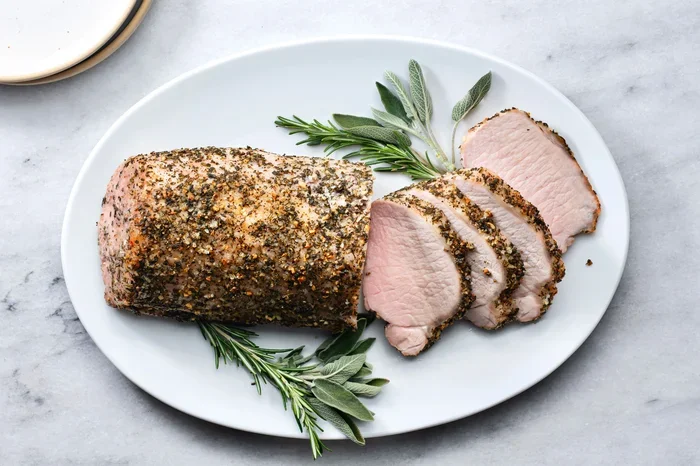
One of the most important steps in cooking pork loin in oven is the resting period. Once the internal temperature reaches 145°F, pull the pork loin out and let it rest for 10 to 15 minutes before slicing.
During resting, the juices inside the meat redistribute. If you cut too soon, those juices run out onto the cutting board instead of staying in the meat. The result is a drier roast. Cover the loin loosely with aluminum foil during resting to keep it warm without trapping too much steam.
Common Mistakes When Cooking Pork Loin
Even experienced cooks sometimes make mistakes with pork loin oven recipes. Knowing what to avoid saves you from dry, disappointing results.
Overcooking and Dry Meat
The number one mistake is cooking the pork loin too long. Because pork loin is lean, it dries out quickly once it passes the ideal temperature. Many people rely on time alone instead of using a thermometer, which is a recipe for overcooking.
Always check the internal temperature starting about 10 minutes before the estimated finish time. When it reaches 145°F, pull it out. The temperature will continue to rise a few degrees during resting, a phenomenon known as carryover cooking.
Skipping the Thermometer
A meat thermometer is not optional when cooking pork loin. It is the only reliable way to know when the meat is done. Relying on color, juice color, or time alone is not accurate enough.
Invest in a good instant-read thermometer. Insert it into the thickest part of the loin, avoiding the bone if your roast has one. The reading should show 145°F for safe, juicy pork.
Not Letting the Meat Rest
Skipping the rest is a common mistake that leads to dry slices. As mentioned earlier, resting allows the juices to settle back into the meat fibers. Even a short rest of 5 to 10 minutes makes a noticeable difference.
Seasoning Too Lightly
Pork loin is a mild-flavored meat that benefits from bold seasoning. Many people are too timid with salt and spices. Be generous with your seasoning, especially salt, which enhances the natural flavor of the pork.
Pro Tips for Juicy Pork Loin Every Time
Here are some expert-level tips that elevate your pork loin roast from good to outstanding:
- Brine for extra juiciness: Soaking the pork loin in a saltwater brine for 2 to 4 hours before cooking adds moisture and flavor. A simple brine of 1/4 cup salt per 4 cups of water works wonders.
- Use a meat thermometer: We cannot stress this enough. It is the most important tool for perfect pork loin every single time.
- Let the meat come to room temperature: Taking the pork loin out 30 minutes before cooking helps it cook more evenly from edge to center.
- Sear before roasting: A quick sear on the stovetop adds flavor and texture that you cannot get from oven cooking alone.
- Baste halfway through cooking: Spoon the pan juices over the top of the loin halfway through the cook time. This adds moisture and flavor to the surface.
- Slice against the grain: When serving, cut the pork loin against the grain. This shortens the muscle fibers and makes each slice more tender.
- Save the pan drippings: The juices left in the roasting pan make an excellent base for a quick gravy or sauce.
Expert Insights
Professional chefs often emphasize that patience is the secret ingredient when cooking pork loin. Rushing the process by increasing the oven temperature to save time almost always leads to dry meat. Low and slow is the way to go for lean cuts like pork loin.
Another expert tip is to let the pork loin finish cooking at a slightly lower temperature once it is close to the target internal temperature. If your roast is at 140°F with 20 minutes left, dropping the oven to 325°F gives the inside more time to catch up without overcooking the outside.
Many cooks also swear by a final blast of high heat at the end. Cranking the oven up to 425°F for the last 5 to 7 minutes gives the outside a beautiful golden-brown finish without significantly affecting the inside temperature.
Serving Suggestions and Pairings
Once your pork loin is perfectly cooked and resting, it is time to think about serving. Here are some classic and delicious pairings:
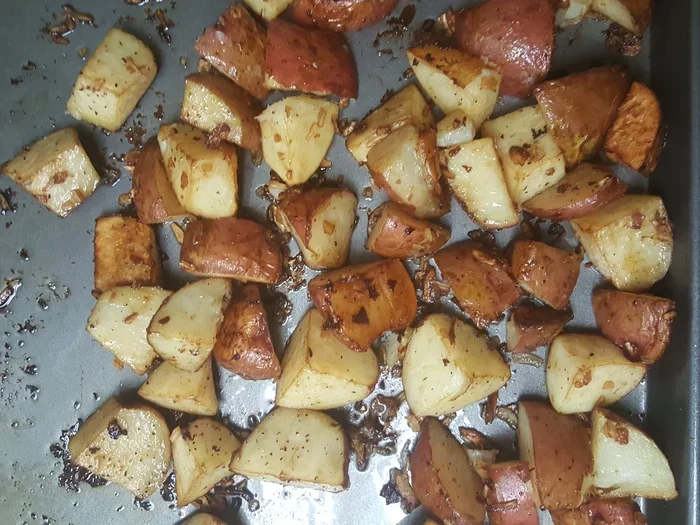
- Roasted vegetables: Carrots, potatoes, and Brussels sprouts roasted in the same oven make a complete meal with minimal extra cleanup.
- Apple sauce: A homemade or store-bought apple sauce pairs beautifully with pork loin for a traditional flavor combination.
- Mustard cream sauce: A simple sauce made from Dijon mustard, cream, and pan drippings adds richness and tang.
- Fresh salad: A light, crisp salad balances the richness of the pork loin perfectly.
- Crusty bread: Use bread to soak up the pan juices and any remaining sauce.
These sides complement the mild, tender flavor of pork loin without overpowering it. They also make the meal feel complete and satisfying for the whole family.
Storing and Reheating Leftover Pork Loin
If you have leftovers, storing them properly keeps the pork loin tasty for days. Let the meat cool to room temperature within two hours of cooking. Wrap it tightly in plastic wrap or aluminum foil and store it in the refrigerator for up to 4 days.
To reheat, place the pork loin slices in a baking dish, add a splash of broth or water to keep them moist, and cover with foil. Heat at 300°F for about 15 to 20 minutes until warmed through. Avoid microwaving if possible, as it tends to dry out the meat quickly.
You can also freeze cooked pork loin for up to 3 months. Wrap it tightly in freezer-safe packaging and thaw overnight in the refrigerator before reheating.
Conclusion
Cooking the perfect pork loin in the oven is easier than most people think. The key is understanding how long to put pork loin in oven based on weight, maintaining the right temperature, and using a meat thermometer to check for doneness. With 20 to 25 minutes per pound at 350°F, you have a reliable formula that works every time.
Remember to let the meat rest before slicing, season it well, and avoid the common mistakes that lead to dry, overcooked pork. Whether you are cooking a small 1-pound loin for two or a large 5-pound roast for a crowd, these principles apply.
Now that you have all the knowledge and tips you need, it is time to put them into practice. Your next pork loin roast will be juicy, flavorful, and perfectly cooked from edge to center. Enjoy the process, and most importantly, enjoy the delicious results.
Frequently Asked Questions
What is the best temperature to cook pork loin in the oven?
The best temperature to cook pork loin in the oven is 350°F. This temperature cooks the meat evenly and helps develop a nice golden crust on the outside. Some cooks start at 400°F for the first 15 minutes to sear the surface, then reduce to 350°F for the remainder of the cooking time.
How long does it take to cook a 2-pound pork loin in the oven?
A 2-pound pork loin typically takes about 40 to 50 minutes to cook at 350°F. This translates to roughly 20 to 25 minutes per pound. Always use a meat thermometer to check that the internal temperature has reached 145°F in the thickest part before removing it from the oven.
Should I cover my pork loin with foil while it cooks?
You do not need to cover pork loin with foil during cooking. Leaving it uncovered allows the outside to brown and develop a crispy crust. However, you can loosely tent the loin with foil during the resting period to keep it warm while the juices redistribute inside the meat.
Can I cook pork loin at a higher temperature to save time?
Yes, you can cook pork loin at a higher temperature like 400°F to reduce cooking time, but it increases the risk of drying out the meat. Lean cuts like pork loin benefit most from moderate temperatures. If you do use a higher temperature, watch the internal temperature closely and pull the meat out as soon as it reaches 145°F.
How do I know when pork loin is done without a thermometer?
While a thermometer is the most accurate tool, you can check doneness by inserting a knife into the thickest part of the loin. The juices should run clear, not pink. The meat should feel firm but still have some give when you press it. However, a thermometer remains the most reliable method for consistent results.
What should I serve with pork loin roast?
Pork loin pairs well with roasted vegetables like carrots, potatoes, and Brussels sprouts. Apple sauce, a mustard cream sauce, and crusty bread are classic accompaniments. A fresh green salad adds a light, refreshing contrast to the rich, savory flavor of the roast.