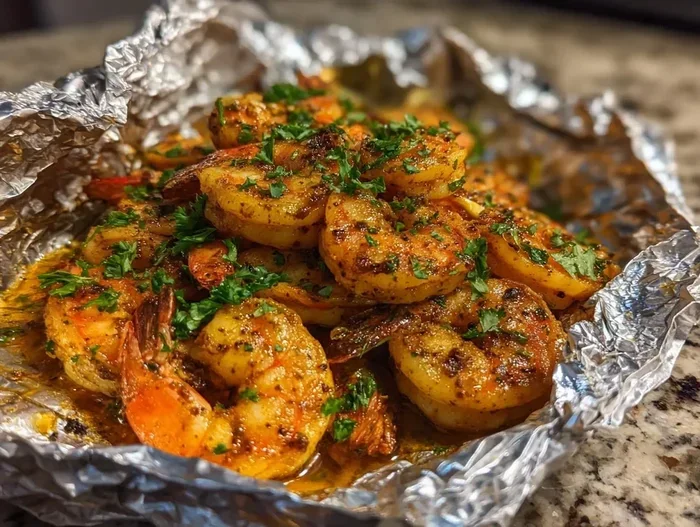
How To Cook Shrimp In Oven With Foil For Juicy Results
Cooking shrimp in oven with foil is the easiest way to get perfectly juicy, tender seafood with minimal effort. This method locks in moisture, prevents sticking, and lets you customize flavors effortlessly. Whether you are a beginner or a seasoned cook, this guide covers everything you need to know about baking shrimp with foil for restaurant-quality results at home.
Key Takeaways
- Foil keeps shrimp moist: Wrapping shrimp in foil traps steam and prevents drying out during baking.
- Right temperature matters: Baking at 400°F for 12-15 minutes gives the best juicy results.
- Seasoning is simple: Garlic, butter, lemon, and herbs create amazing flavor with minimal effort.
- Foil packets are versatile: You can add vegetables, potatoes, or rice for a complete meal.
- Avoid overcooking: Shrimp cooks fast, so watch the time closely to keep them tender.
- Cleanup is a breeze: Foil means less mess and easy disposal after cooking.
📑 Table of Contents
- How To Cook Shrimp In Oven With Foil For Juicy Results
- Why Cooking Shrimp In Foil Works So Well
- What You Will Need
- Step By Step Guide To Cooking Shrimp In Oven With Foil
- Best Seasoning Combinations For Foil Baked Shrimp
- Common Mistakes To Avoid When Baking Shrimp
- How To Know When Shrimp Is Perfectly Done
- Serving Ideas And Side Dishes
- Storage And Reheating Tips
- Frequently Asked Questions
- Final Thoughts On Cooking Shrimp In Oven With Foil
How To Cook Shrimp In Oven With Foil For Juicy Results
There is something magical about oven baked shrimp. It smells incredible, tastes amazing, and comes together in under 20 minutes. If you have been wondering how to get perfectly cooked shrimp without standing over a hot stove, you are in the right place.
Cooking shrimp in oven with foil is hands down the best method for juicy, flavorful results. The foil acts like a little pouch that traps steam and heat. This keeps the shrimp tender and succulent every single time. Plus, cleanup is a breeze because you just throw away the foil when you are done.
Whether you are making dinner for two or feeding a crowd, this method works beautifully. You can keep it simple with just garlic and butter, or get creative with vegetables and spices. The possibilities are truly endless. Let us dive into everything you need to know.
Why Cooking Shrimp In Foil Works So Well
You might be wondering why foil matters so much when baking shrimp. The answer is simple. Foil creates a sealed environment around the food. This environment traps moisture and heat, which cooks the shrimp gently and evenly.
The Science Behind Foil Cooking
When you wrap shrimp in foil, the steam generated inside the pouch does most of the work. This steam gently cooks the shrimp from all sides. It also prevents the natural juices from escaping. The result is shrimp that is plump, juicy, and full of flavor.
Without foil, shrimp can dry out quickly in a hot oven. The direct heat pulls moisture away from the meat. This leads to rubbery, tough shrimp that nobody wants to eat. Foil solves this problem completely.
Benefits Of Using Foil For Shrimp
- Retains moisture: Foil locks in steam and keeps shrimp juicy.
- Even cooking: Heat distributes evenly inside the foil pouch.
- Easy cleanup: No scrubbing pans after dinner.
- Flavor infusion: Seasonings stay trapped inside and soak into the shrimp.
- Versatile: Works great with vegetables, potatoes, and rice too.
- Prevents sticking: No need to grease the baking sheet.
What You Will Need
Before you start, gather your ingredients and tools. This recipe is super simple and does not require anything fancy.
Ingredients For Perfect Oven Baked Shrimp
- 1 pound large or jumbo shrimp, peeled and deveined
- 2 tablespoons olive oil or melted butter
- 3 cloves garlic, minced
- 1 tablespoon fresh lemon juice
- 1 teaspoon paprika
- 1 teaspoon garlic powder
- Half teaspoon salt
- Quarter teaspoon black pepper
- Fresh parsley for garnish
- Sliced lemon for serving
Tools You Need
- Heavy duty aluminum foil
- A baking sheet or oven-safe dish
- A mixing bowl
- A spatula for serving
Pro tip: Use heavy duty foil. Regular foil tears easily when you are wrapping the shrimp. Heavy duty foil holds up better and makes the whole process smoother.
Step By Step Guide To Cooking Shrimp In Oven With Foil
Now for the fun part. Here is exactly how to cook shrimp in oven with foil for the best results. Follow these steps and you will have restaurant-quality shrimp at home.
Step 1: Preheat Your Oven
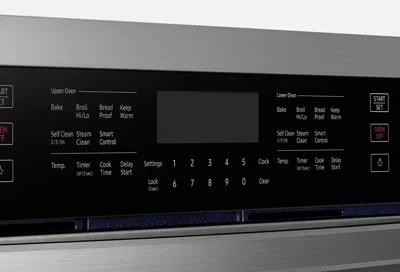
Set your oven to 400°F (200°C). Preheating is important because it ensures the shrimp starts cooking immediately when it goes in the oven. This helps lock in moisture right from the start.
If you are using a electric pizza oven commercial type setup at home, make sure it reaches the right temperature before placing the shrimp inside. Consistent heat is key to even cooking.
Step 2: Prepare The Shrimp
Rinse your shrimp under cold water and pat them dry with a paper towel. Removing excess moisture is important because too much water can create steam and make the shrimp soggy instead of juicy.
Place the dried shrimp in a mixing bowl. Add the olive oil, minced garlic, lemon juice, paprika, garlic powder, salt, and pepper. Toss everything together until the shrimp are evenly coated.
Step 3: Wrap In Foil
Take a large piece of foil and place the seasoned shrimp in the center. Fold the foil over the shrimp and crimp the edges tightly to create a sealed pouch. Make sure there is enough room inside for the steam to circulate.
Do not make the pouch too tight. You want a little space for air and steam to move around. This helps cook the shrimp evenly on all sides.
Step 4: Bake For 12-15 Minutes
Place the foil pouch on a baking sheet and put it in the preheated oven. Bake for 12 to 15 minutes. The exact time depends on the size of your shrimp.
Large shrimp typically need 15 minutes. Medium shrimp may be done in 12 minutes. Jumbo shrimp might need closer to 18 minutes. Keep an eye on them as they cook.
Step 5: Check And Serve
Carefully open the foil pouch and check the shrimp. They should be pink and opaque throughout. If there is any grayness, they need a few more minutes.
Serve the shrimp immediately for the best taste and texture. Garnish with fresh parsley and sliced lemon. They pair wonderfully with rice, salad, or crusty bread.
Best Seasoning Combinations For Foil Baked Shrimp
One of the best things about foil baked shrimp is how easy it is to customize the flavors. Here are some delicious combinations to try.
Classic Garlic Butter
This is the crowd favorite. Use melted butter, minced garlic, a pinch of salt, and a squeeze of lemon. It is simple, rich, and absolutely delicious. Most people already have these ingredients in their kitchen.
Spicy Cajun Style
For those who love a little heat, try Cajun seasoning. Add cayenne pepper, onion powder, dried oregano, and thyme. The foil locks in all those bold flavors and lets them soak deep into the shrimp.
Mediterranean Herb Blend
Use olive oil, dried basil, oregano, rosemary, and a touch of red pepper flakes. Add some cherry tomatoes and sliced olives to the foil pouch for a complete Mediterranean meal. This combination works beautifully for shrimp with vegetables in the oven.
Asian Inspired
Mix soy sauce, sesame oil, ginger, and a drizzle of honey. Add some sliced green onions after baking. This gives the shrimp an umami-rich flavor that is totally addictive.
Common Mistakes To Avoid When Baking Shrimp
Even though this method is easy, there are a few mistakes that can ruin your results. Here is what to watch out for.
Overcooking The Shrimp
This is the number one mistake people make. Shrimp cooks very quickly, and going just a few minutes too long can turn them rubbery. Set a timer and pull them out as soon as they turn pink and opaque. Remember, they continue to cook slightly from residual heat after you take them out.
Using Too Much Liquid
Adding too much oil, butter, or lemon juice creates excess liquid in the foil pouch. This can actually steam the shrimp instead of baking them. A light coating is all you need. The shrimp will release their own juices as they cook.
Skipping The Preheat
Putting shrimp in a cold oven leads to uneven cooking. The outside might overcook while the inside stays underdone. Always preheat your oven first. This ensures the shrimp starts cooking at the right temperature immediately.
Not Sealing The Foil Properly
If the foil pouch is not sealed tightly, steam escapes and the shrimp dry out. Take your time when crimping the edges. A good seal keeps all that moisture locked inside where it belongs.
How To Know When Shrimp Is Perfectly Done
Knowing when oven baked shrimp is done is easier than you think. Look for these clear signs.
- Color: The shrimp should be bright pink and opaque all the way through. Any gray or translucent spots mean they need more time.
- Shape: Properly cooked shrimp curl into a loose C shape. If they curl tightly into an O shape, they are probably overcooked.
- Texture: Gently press a shrimp with your finger. It should feel firm but slightly springy. If it feels hard or rubbery, it has been in the oven too long.
- Internal temperature: For food safety, shrimp should reach an internal temperature of 145°F (63°C). Use a meat thermometer if you want to be extra precise.
If you are comparing cooking times, keep in mind that how long to cook oysters in oven is quite different from shrimp. Oysters take longer because they are denser. Shrimp cooks much faster, so always keep an eye on the clock.
Serving Ideas And Side Dishes
Foil baked shrimp pairs well with so many sides. Here are some ideas to make a complete meal.
- Rice: White rice, jasmine rice, or cilantro lime rice all work great.
- Roasted vegetables: Asparagus, zucchini, and bell roasts beautifully in the oven alongside shrimp.
- Salad: A fresh green salad with a light vinaigrette balances the richness perfectly.
- Crusty bread: Use bread to soak up the delicious juices from the foil pouch.
- Pasta: Toss the shrimp with warm pasta and a little olive oil for a quick dinner.
If you want a complete one-pan meal, try adding sliced potatoes or frozen fries to the foil pouch before baking. The shrimp juices flavor the sides beautifully. Just make sure to adjust the cooking time so everything cooks evenly.
Storage And Reheating Tips
Got leftovers? Here is how to store and reheat your foil baked shrimp properly.
- Storage: Place cooled shrimp in an airtight container. They keep in the fridge for up to 3 days.
- Reheating: Wrap the shrimp in fresh foil and warm them in the oven at 300°F for 5-7 minutes. This keeps them moist and prevents overcooking.
- Avoid the microwave: Microwaving shrimp can make them rubbery and tough. The oven is always better for reheating seafood.
For the best taste, try to eat the shrimp fresh out of the oven. Reheated shrimp is good, but it does not quite match the texture of freshly baked shrimp.
Frequently Asked Questions
Can I use frozen shrimp for this recipe?
Yes, you can use frozen shrimp, but make sure to thaw them completely first. Thaw shrimp in cold water for about 30 minutes or in the fridge overnight. Pat them dry before seasoning. Cooking frozen shrimp directly in the oven leads to uneven cooking and watery results.
What temperature should I bake shrimp at?
The ideal temperature for baking shrimp in foil is 400°F (200°C). This high heat cooks the shrimp quickly while keeping them juicy. Lower temperatures can cause the shrimp to release too much moisture and become soggy.
How long does it take to bake shrimp in foil?
Most shrimp bake in foil in 12 to 15 minutes at 400°F. The exact time depends on the size of the shrimp. Large and jumbo shrimp may need up to 18 minutes. Always check for the pink and opaque color before serving.
Can I add vegetables to the foil pouch with the shrimp?
Absolutely! Adding vegetables like cherry tomatoes, bell peppers, zucchini, and asparagus to the foil pouch is a great idea. The vegetables absorb the shrimp juices and become incredibly flavorful. Just cut them into similar-sized pieces so they cook at the same rate as the shrimp.
Is it better to bake shrimp in foil or without foil?
For juicy results, foil is the clear winner. Foil traps steam and moisture, preventing the shrimp from drying out. Baking without foil works too, but you need to watch the shrimp more carefully and they can dry out faster. If you prefer a slightly crispier exterior, try baking without foil for the last 2-3 minutes after cooking in foil.
Can I prepare the foil pouches ahead of time?
Yes, you can prep the foil pouches ahead of time and store them in the fridge for up to 24 hours. Assemble the pouches, seal them tightly, and refrigerate. When ready to cook, simply add 2-3 extra minutes to the baking time. This makes dinner prep super easy on busy weeknights.
Final Thoughts On Cooking Shrimp In Oven With Foil
Cooking shrimp in oven with foil is one of the simplest and most rewarding cooking techniques you can learn. It delivers consistently juicy, flavorful results with almost no effort. The foil does the hard work for you, trapping moisture and locking in every bit of flavor.
This method is perfect for weeknight dinners, weekend gatherings, or whenever you crave delicious seafood without the hassle. The whole process takes less than 25 minutes from start to finish. That includes prep time, baking time, and plating.
Remember the key points: use 400°F, keep an eye on the clock, do not overcook, and experiment with different seasonings. Once you master the basic method, you can customize it endlessly. Try new flavor combinations, add your favorite vegetables, or pair it with different sides.
The beauty of this recipe lies in its simplicity and versatility. You do not need fancy equipment or advanced cooking skills. Just fresh shrimp, foil, and a hot oven. That is all it takes to create a dish that impresses every time.
So go ahead and give it a try. Your taste buds will thank you, and you will wonder why you ever bothered with complicated cooking methods. Foil baked shrimp is here to stay, and once you make it at home, you will never look back.