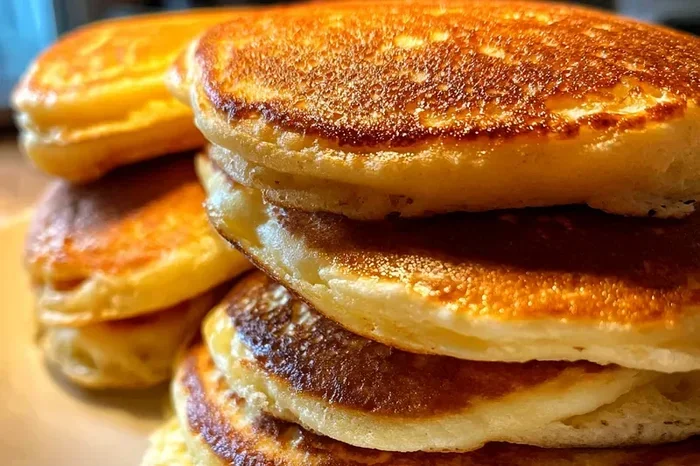
How To Reheat Frozen Pancakes In The Oven Perfectly
Learning how to reheat frozen pancakes in the oven is the easiest way to enjoy a delicious breakfast without starting from scratch. The oven method keeps your pancakes fluffy inside and gives them a golden brown exterior that microwaves simply cannot match. Whether you meal-prepped freezer pancakes or have leftover breakfast staples, this guide covers everything you need. You will learn the ideal oven temperature, timing, and pro tips for perfect results every single time.
This is a comprehensive guide about How To Reheat Frozen Pancakes In Oven.
Key Takeaways
- 350°F is the sweet spot: This oven temperature reheats frozen pancakes evenly without drying them out.
- Use foil or parchment paper: These simple tools prevent burning and help maintain moisture during reheating.
- Avoid the microwave when possible: Reheating pancakes in the oven preserves the original texture far better than a microwave.
- Thawing is optional but helpful: You can reheat frozen pancakes directly, but a quick thaw improves consistency.
- Add a light oil spray: This restores the crispy exterior and prevents pancakes from sticking to the pan or tray.
- Watch the timing closely: Most frozen pancakes need only 8 to 12 minutes, depending on thickness.
- Store properly for best results: Proper freezer storage keeps pancakes fresh for up to two months.
[FEATURED_IMAGE_PLACEHOLDER]
Why Reheating Frozen Pancakes In The Oven Is The Best Method
Reheating pancakes is something most people do without thinking twice. But the method you choose makes a huge difference in taste and texture. When you reheat frozen pancakes in the oven, you get results that feel almost freshly made.
The microwave might seem faster, but it turns pancakes rubbery and soggy. The oven uses dry, gentle heat that warms the inside while crisping up the outside. This is why so many breakfast lovers prefer the oven method for their frozen breakfast staples.
Another big reason is convenience. You can reheat a whole stack of pancakes at once in the oven. No need to do them one by one like you would in a toaster. This makes the oven ideal for feeding a family or meal-prepping your week ahead.
Oven-baked pancakes also retain their original flavor much better. The even heat distribution ensures every pancake in the stack warms through uniformly. You will notice the difference in the first bite.
The Science Behind Oven Reheating
When you reheat pancakes in the oven, the dry heat slowly breaks down starch molecules in the batter. This process, called retrogradation reversal, helps restore some of the original softness. The oven also allows moisture to redistribute evenly throughout the pancake.
Microwaves heat water molecules rapidly, which causes uneven texture. Some parts become super hot while others stay cold. The oven avoids this problem entirely. That is why understanding how to reheat frozen pancakes in the oven properly matters so much.
How To Reheat Frozen Pancakes In The Oven: Step-by-Step Guide
Reheating frozen pancakes in the oven is simple, but a few details make all the difference. Follow these steps for the best possible outcome every time you reheat your breakfast leftovers.
Step 1: Preheat Your Oven
Start by setting your oven to 350°F. This is the ideal temperature for reheating pancakes. It is warm enough to heat the pancake through but not so hot that it burns the edges. Wait for the oven to fully preheat before placing anything inside.
Preheating is a step many people skip, but it matters. A cold oven starts the reheating process unevenly. Your pancakes could end up with warm centers and cold edges. Taking the extra few minutes to preheat pays off in the end.
Step 2: Prepare Your Baking Sheet
Line a baking sheet with parchment paper or aluminum foil. This prevents the pancakes from sticking and makes cleanup a breeze. You can also use an oven-safe dish if you prefer.
For extra crispiness, lightly spray the parchment paper with cooking oil. This small step adds a nice golden finish to your reheated pancakes. It mimics the effect of cooking them fresh on a hot griddle.
Step 3: Arrange The Pancakes Properly
Place the frozen pancakes on the baking sheet in a single layer. Do not stack them on top of each other. Leaving space between each pancake allows hot air to circulate freely around every piece.
If you need to reheat a large batch, use multiple baking sheets. Overcrowding the pan leads to uneven heating. The goal is for each pancake to get equal exposure to the oven heat.
Step 4: Reheat For The Right Amount Of Time
Place the baking sheet on the middle oven rack. Heat the pancakes for about 8 to 12 minutes. Check them at the 8-minute mark to see how they are progressing.
Thicker pancakes may need the full 12 minutes. Thinner ones could be ready in 8. Look for a golden brown color on the edges as your visual cue. The center should feel warm when you touch it gently.
Step 5: Let Them Cool Briefly
Remove the baking sheet from the oven and let the pancakes rest for about one minute. This brief cooling period allows the internal heat to distribute evenly. It also makes them safer to handle right away.
Serve your reheated pancakes immediately with your favorite toppings. Maple syrup, fresh berries, whipped cream, or butter all work wonderfully. The best part is that they taste almost as good as the first time around.
Best Oven Temperature And Timing For Frozen Pancakes
Getting the oven temperature right is the most important factor in reheating pancakes successfully. Too low and they will take forever. Too high and the edges burn before the center warms up.
Here is a quick reference guide for different pancake thicknesses and sizes:
- Thin silver-dollar pancakes: 350°F for 6 to 8 minutes
- Standard-sized pancakes: 350°F for 8 to 10 minutes
- Thick fluffy pancakes: 350°F for 10 to 12 minutes
- Large buttermilk pancakes: 350°F for 10 to 12 minutes
These times assume the pancakes are still frozen when they go into the oven. If you thaw them first, reduce the time by about 2 to 3 minutes. Always keep an eye on them to prevent overcooking.
Can You Use A Toaster Oven Instead?
Yes, a toaster oven works great for reheating frozen pancakes. Set it to 350°F and follow the same timing guidelines. The smaller space in a toaster oven actually concentrates heat more efficiently, so your pancakes may warm up slightly faster.
The toaster oven method is perfect when you only need to reheat one or two pancakes. It uses less energy than heating a full-size oven. This makes it an excellent option for quick weekday mornings.
Comparison: Oven vs Other Reheating Methods
There are several ways to reheat pancakes, but not all methods produce equal results. Here is a detailed comparison of the most popular pancake reheating methods.
| Method | Texture Result | Time Required | Best For |
|---|---|---|---|
| Oven | Crispy edges, fluffy center | 8-12 minutes | Whole stacks, meal prep |
| Toaster Oven | Crispy edges, fluffy center | 5-8 minutes | Small batches, quick reheat |
| Microwave | Slightly rubbery, soft | 30-60 seconds | Emergency reheating only |
| Skillet/Stovetop | Crispy on both sides | 3-5 minutes per side | Single pancakes, fresh-like feel |
| Air Fryer | Very crispy, even heating | 4-6 minutes | Small to medium batches |
The oven method clearly wins for reheating a full stack of frozen pancakes. It provides the best balance of crispy edges and fluffy centers without any extra effort. The microwave is the fastest option, but it sacrifices texture significantly.
If you want the closest thing to freshly made pancakes, the skillet method is excellent. However, it takes more time and attention. The oven offers the best combination of convenience and quality for most people.
Quick Tips For Perfect Reheated Pancakes
Want to take your reheated pancakes to the next level? Try these expert tips that make a noticeable difference in the final result.
Use Parchment Paper For Non-Stick Results
Parchment paper is your best friend when reheating pancakes in the oven. It creates a non-stick surface that prevents the pancake from tearing when you remove it. The paper also absorbs excess moisture, which helps maintain a crispy texture.
Replace the parchment paper between batches if you are reheating multiple rounds. Used parchment can leave residue on your pancakes and affect the final texture. A fresh sheet ensures consistently great results every time.
Add A Light Coat Of Oil Or Butter
Before placing frozen pancakes in the oven, give them a very light spray of cooking oil or a quick brush of melted butter. This simple step restores the crispy exterior that you loved when the pancakes were first cooked.
Do not overdo it though. Too much oil can make the pancakes greasy. A light, even coating is all you need. The oil also helps the pancakes brown more evenly in the oven.
Reheat In Batches For Best Results
It can be tempting to cram as many pancakes as possible onto one baking sheet. Resist that urge. Reheating in batches ensures each pancake gets proper airflow and heats evenly.
If you have a large pancake stack from your freezer storage, plan ahead. Reheat them in two or three rounds rather than overcrowding the pan. Your patience will be rewarded with perfectly warmed pancakes every single time.
Keep An Eye On The First Batch
The first batch you reheat is your test run. Use it to fine-tune the timing based on your specific oven and pancake thickness. Ovens vary in temperature accuracy, so what works for one might need a slight adjustment for another.
Note the exact time and temperature that gives you the best results. Write it down if needed. This way, every future batch of reheated pancakes will turn out perfectly from the start.
Common Mistakes To Avoid When Reheating Frozen Pancakes
Even though reheating pancakes seems straightforward, several common mistakes can ruin the texture and taste. Avoid these pitfalls to get the best results every time.
Skipping The Preheat
Putting frozen pancakes into a cold oven is one of the most common errors. The slow temperature rise causes the pancakes to steam instead of crisp. Always give your oven at least 5 to 10 minutes to reach the target temperature before adding the pancakes.
A properly preheated oven surrounds the pancakes with consistent heat from the start. This leads to even warming and a much better final texture. Do not rush this step if you want the best possible results.
Stacking Pancakes On The Pan
Stacking frozen pancakes directly on top of each other on the baking sheet traps steam between them. The trapped moisture makes the pancakes soft and soggy instead of crispy and warm. Always arrange pancakes in a single layer with space between each one.
If you must reheat a large batch quickly, use two baking sheets or a larger oven-safe dish with multiple layers separated by parchment paper. The extra layer of paper helps absorb moisture and promotes better airflow.
Overheating The Pancakes
Leaving pancakes in the oven too long is another frequent mistake. Overheated pancakes become dry and tough on the outside while potentially still being cold in the center. Set a timer and check them at the minimum recommended time.
Remember that the pancakes continue to warm after you remove them from the oven. This carryover cooking effect means you should pull them out slightly before they seem fully done. Letting them rest for one minute finishes the job perfectly.
Using The Wrong Oven Temperature
Some people set the oven too high hoping to speed up the process. Temperatures above 375°F will burn the edges of your pancakes before the center warms through. Stick to 350°F for the most reliable and consistent results.
Conversely, setting the temperature too low leaves you with lukewarm pancakes that lack any crispiness. 350°F hits the perfect balance between heating speed and texture preservation. Trust this temperature for your next batch of reheated pancakes.
Expert Insights On Reheating Pancakes
What Chefs Say About Oven Reheating
Professional chefs consistently recommend the oven method for reheating any type of baked or griddle-cooked food. The dry, ambient heat mimics the original cooking conditions far better than a microwave ever could.
Many chefs suggest a two-stage approach for the absolute best results. First, reheat the frozen pancakes at 350°F for 8 minutes. Then remove the foil or lid and bake for an additional 2 to 3 minutes to crisp up the surface. This technique produces reheated pancakes that are nearly indistinguishable from fresh ones.
How Freezer Storage Affects Reheating
The way you store your frozen pancakes in the freezer impacts how well they reheat later. Pancakes stored in airtight containers or heavy-duty freezer bags maintain their moisture much better than loosely wrapped ones.
Proper freezer storage also prevents freezer burn, which can make reheated pancakes taste stale and dry. Label your storage bags with the date so you use the oldest pancakes first. Frozen pancakes maintain their best quality for up to two months when stored correctly.
If your pancakes have been in the freezer for a very long time, they may still be safe to eat but could have reduced flavor and texture. Always inspect them for signs of freezer burn before reheating. When in doubt, it is better to make a fresh batch.
Frequently Asked Questions
Can You Reheat Frozen Pancakes Without Thawing Them First?
Yes, you can reheat frozen pancakes directly in the oven without thawing. Simply add 2 to 3 extra minutes to the standard reheating time. The oven heat will warm them through evenly even while they are still frozen. This makes the oven method incredibly convenient for busy mornings when you want a quick breakfast.
What Is The Best Way To Keep Reheated Pancakes Warm?
Place reheated pancakes on a wire rack set over a baking sheet in a warm oven at 200°F. This keeps them warm and crispy for up to 30 minutes. Avoid stacking them while they are warm, as the trapped steam will make them soft. A wire rack allows air to circulate around each pancake, preserving that nice texture.
How Long Can You Store Frozen Pancakes In The Freezer?
Frozen pancakes stored in airtight containers or freezer bags stay fresh for up to two months. Beyond that timeframe, they are still safe to eat but may develop freezer burn or lose flavor. Always wrap pancakes tightly to prevent air exposure and ice crystal formation. Labeling your storage containers with the date helps you keep track of freshness.
Can You Reheat Pancakes That Have Already Been Reheated Once?
It is not recommended to reheat pancakes that have already been reheated. Each reheating cycle further breaks down the pancake texture, making them increasingly rubbery and dry. For the best quality, only reheat the amount you plan to eat in one sitting. If you have leftovers, consider repurposing them into a pancake crumble or breakfast parfait instead.
Why Do My Reheated Pancakes Turn Out Soggy?
Soggy reheated pancakes usually result from trapped steam. This happens when pancakes are stacked too closely together or covered tightly during reheating. To avoid sogginess, always arrange pancakes in a single layer and leave space between them. Using parchment paper or a wire rack also helps absorb excess moisture and promotes crispiness.
Is It Better To Reheat Pancakes In The Oven Or On The Stovetop?
Both methods produce excellent results, but they serve different needs. The oven is better for reheating a large stack all at once with minimal effort. The stovetop skillet gives you more control and produces a crispier finish on both sides. For most home cooks reheating a full batch, the oven is the more practical and convenient choice.
Conclusion
Reheating frozen pancakes in the oven is one of the simplest and most satisfying breakfast skills you can learn. With the right oven temperature, proper timing, and a few basic tips, you can enjoy pancakes that taste almost as good as the day you made them. The 350°F temperature, single-layer arrangement, and 8 to 12 minute reheating window are the keys to success.
Remember that the oven method preserves the fluffy interior and crispy exterior of your pancakes far better than any microwave alternative. Whether you are reheating leftover breakfast staples or enjoying meal-prepped freezer pancakes, the oven delivers consistent, reliable results every time.
Now that you know how to reheat frozen pancakes in the oven perfectly, you never have to settle for soggy, rubbery leftovers again. Put these tips into practice this weekend and taste the difference for yourself. Your morning pancake routine will never be the same.
Frequently Asked Questions
What is How To Reheat Frozen Pancakes In Oven?
How To Reheat Frozen Pancakes In Oven is an important topic with many practical applications.