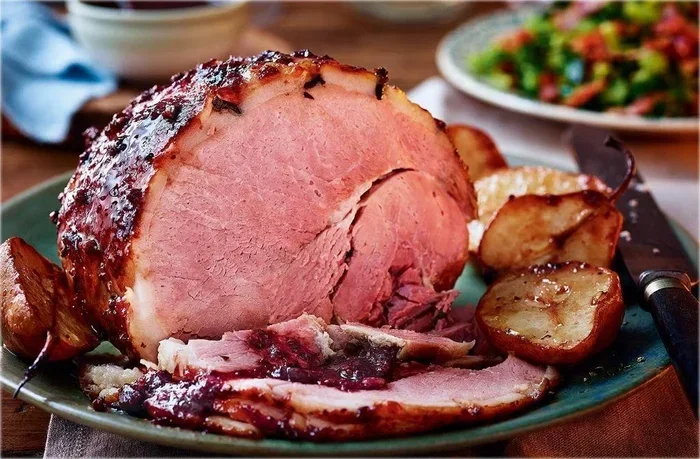
How To Cook A Baked Ham In The Oven The Perfect Way
Learning how to cook a baked ham in the oven is easier than you think. This guide walks you through every step, from picking the right cut to pulling a perfectly glazed ham out of the oven. You will learn the ideal temperature, timing, and glaze tricks that make your ham the star of the table. Whether it is a holiday feast or a Sunday dinner, this method delivers juicy, flavorful results every single time. Follow along and impress everyone with a show-stopping oven-baked ham they will love.
Key Takeaways
- Prep the ham right: Score the surface and apply your glaze early for deep flavor.
- Use the correct temperature: Bake at 325°F for even cooking and juicy meat.
- Invest in a meat thermometer: Pull the ham at 140°F for tender, safe results.
- Let it rest: Resting the ham for 15 minutes keeps the juices locked in.
- Make a simple glaze: Brown sugar, honey, and mustard create a classic crowd-pleaser.
- Avoid common mistakes: Overcooking and skipping the rest are the top errors to watch for.
- Bone-in vs. boneless matters: Each type has its own cooking timeline and flavor profile.
📑 Table of Contents
Why Oven-Baked Ham Is the Best Choice
A baked ham in the oven is one of the most reliable meats you can prepare. Unlike stovetop methods, the oven surrounds the ham with gentle, even heat. This means every slice cooks consistently.
There is something special about the aroma of a ham baking in the kitchen. The smell alone can make the whole house feel warm and inviting. Families have been making oven-baked ham for generations, and for good reason.
When you cook ham in the oven, you have full control over the flavor. You decide how sweet or savory the glaze should be. You choose the temperature and the cook time. That control is what makes this method so popular.
An oven-baked ham also feeds a crowd easily. A single ham can serve 8 to 12 people depending on the size. It is perfect for holiday meals, potlucks, and family Sunday dinners. Best of all, leftovers make incredible sandwiches and soups for days after.
Bone-In vs. Boneless Ham
When you shop for a ham, you will see two main types. Bone-in ham includes the leg bone and tends to have more flavor. The bone helps retain moisture during cooking, which keeps the meat juicy.
Boneless ham is easier to slice and serve. It is often sold already trimmed and rolled. Boneless hams cook a bit faster since there is no bone to heat through.
For first-timers, a spiral-sliced ham is a great option. The butcher has already cut the slices, so all you do is warm it up and add the glaze. It is forgiving and hard to mess up.
What You Need Before You Start
Before you turn on the oven, gather everything you need. Having your ingredients and tools ready makes the process smooth and stress-free.
Ingredients for a Classic Ham Glaze
A simple glaze elevates a baked ham recipe from good to amazing. Here is what you will need:
- Brown sugar – adds sweetness and helps create that beautiful caramelized crust
- Honey – brings a natural floral sweetness and golden color
- Dijon mustard – adds a tangy kick that balances the sweetness
- Whole cloves – a traditional touch that adds warmth and aroma
- Pineapple juice – optional, but it adds a tropical twist
- Cinnamon – just a pinch for depth
You can also try a honey ham glaze with maple syrup and apple cider vinegar. Some people prefer a savory glaze with mustard and brown sugar only. The beauty of baking ham in the oven is that you customize it to your taste.
Tools You Will Need
You do not need fancy equipment. Here are the basics:
- A roasting pan or baking dish large enough to hold the ham
- Aluminum foil for tenting
- A sharp knife for scoring
- A meat thermometer – this is non-negotiable
- A basting brush for the glaze
- A cutting board and carving knife for serving
Keep these items within reach before you start. It makes the whole process feel much more organized.
Step-by-Step Instructions for Baking Ham
Now for the fun part. Follow these steps to cook a baked ham in the oven like a pro.
Step 1: Prep the Ham
Remove the ham from the refrigerator about 30 minutes before cooking. Letting it come to room temperature helps it cook more evenly. This is one of the most overlooked ham cooking tips there is.
Rinse the ham under cold water and pat it dry with paper towels. Place it cut-side down in your roasting pan. If your ham has a thick layer of fat, score it in a diamond pattern. This allows the glaze to seep into the meat and creates those beautiful caramelized edges.
Use a sharp knife and cut about a quarter-inch deep. Do not cut all the way through to the meat. The goal is to create channels for the glaze, not to trim away the fat.
Step 2: Preheat the Oven
Set your oven to 325°F. This is the ideal baking temperature for ham. It cooks the meat gently without drying it out. Avoid higher temperatures, as they can burn the outside before the inside is done.
While the oven heats up, prepare your glaze. Mix brown sugar, honey, and mustard in a small bowl. Stir until smooth and creamy.
Step 3: Apply the Glaze
Brush about half of the glaze over the entire ham. Use a basting brush or a spoon to spread it evenly. Press the cloves into the scored sections if you like the classic look and flavor.
Some recipes suggest applying the glaze only in the last 30 minutes. However, applying it early gives the ham more time to develop flavor. For a deeper glaze, apply half now and the rest halfway through cooking.
Step 4: Bake and Monitor
Place the ham in the preheated oven. Cover the pan loosely with aluminum foil. This creates a foil tent that traps moisture and prevents the surface from drying out.
Bake for about 10 to 12 minutes per pound. For a 10-pound ham, that is roughly 1 hour 40 minutes to 2 hours. Set a timer and check the internal temperature with your meat thermometer.
The internal temperature should reach 140°F for a fully cooked ham. If you prefer your ham slightly more done, you can bring it to 145°F. Avoid going above 160°F or the meat may become dry.
Step 5: Apply the Final Glaze
About 30 minutes before the ham is done, remove the foil. Brush on the remaining glaze. This final layer caramelizes in the oven and creates that sticky, glossy finish everyone loves.
Return the ham to the oven uncovered. Let it bake until the glaze is set and bubbling. The surface should look deep golden brown and feel slightly tacky to the touch.
Step 6: Rest the Ham
Once the baked ham in the oven reaches the right temperature, pull it out. Let it rest for at least 15 minutes before slicing. This allows the juices to redistribute throughout the meat.
If you skip this step, the ham will lose moisture when you cut into it. Those resting juices are full of flavor, and you want them to stay in the meat where they belong.
Making the Perfect Ham Glaze
The glaze is what separates a good ham from a great one. It adds sweetness, shine, and a beautiful presentation. Here are some variations to try with your oven-baked ham.
Classic Brown Sugar Glaze
This is the traditional favorite. Mix brown sugar, Dijon mustard, and a splash of apple cider vinegar. The tang from the vinegar cuts through the sweetness perfectly. Spread it over the ham and bake until it forms a crackly crust.
Honey Pineapple Glaze
For a tropical twist, combine honey, pineapple juice, and a touch of soy sauce. This works especially well with a spiral ham because the pineapple complements the smoky flavor. Brush it on during the last 45 minutes of cooking.
Maple Mustard Glaze
Mix pure maple syrup with whole grain mustard and a pinch of cayenne pepper. This glaze has a subtle heat that pairs beautifully with the natural sweetness of the ham. It is a great option for a savory ham that is not overly sweet.
Quick Tips for the Best Glaze
- Apply the glaze in thin, even layers for a consistent finish
- Do not add the glaze too early or it can burn
- Use a basting brush to get into the scored sections
- Let the glaze bubble and set before removing the ham from the oven
- Reserve a little extra glaze to serve on the side
Common Mistakes to Avoid
Even experienced cooks make mistakes when they cook ham in the oven. Here are the most common ones and how to avoid them.
Overcooking the Ham
This is the number one mistake people make. An overcooked ham becomes dry and tough. The best way to prevent this is to use a meat thermometer and pull the ham as soon as it hits 140°F. Do not rely on the clock alone.
Skipping the Rest
Cutting into the ham immediately after it comes out of the oven releases all the juices. The meat dries out fast. Give it at least 15 minutes to rest, and you will notice a big difference in moisture.
Not Scoring the Fat
Skipping the diamond cuts means the glaze sits on top of the fat instead of soaking into the meat. Take the extra five minutes to score the surface properly. Your ham will taste better for it.
Using Too Much Glaze
More glaze does not mean better flavor. A thick layer can burn in the oven and turn bitter. Apply thin, even coats and build up the flavor gradually.
Forgetting to Preheat
Putting the ham in a cold oven throws off the cooking time and results in uneven cooking. Always preheat to 325°F before placing the ham inside.
Expert Tips for the Best Baked Ham
Here are some professional tips that will take your baked ham in the oven to the next level.
Choose the Right Size
Plan for about a half-pound of ham per person. For a gathering of 10, a 5-pound ham should be plenty. If you are unsure, go a little bigger. Leftover ham is always a win.
Add Liquid to the Pan
Pour a half-cup of pineapple juice, apple juice, or even water into the bottom of the roasting pan. This creates steam that keeps the ham moist. It also makes cleanup easier since the drippings stay loose.
Use a Rack
Place a wire rack inside the roasting pan. This allows hot air to circulate around the ham, cooking it more evenly. The bottom of the ham will not sit in its own juices and get soggy.
Make Ahead and Reheat
You can bake the ham a day ahead of time. Cool it completely, wrap it tightly, and refrigerate. When ready to serve, reheat it in the oven at 325°F until it reaches 140°F inside. Apply fresh glaze before serving.
Pair It Right
A baked ham in the oven pairs beautifully with many sides. Think scalloped potatoes, green bean casserole, or a fresh pineapple salsa. For a lighter meal, serve it with roasted root vegetables and a tangy mustard sauce.
Store Leftovers Properly
Wrap leftover ham tightly in plastic wrap or foil and refrigerate within two hours. It will keep for up to five days in the fridge. You can also freeze it for up to three months. Slice before freezing for easier portioning later.
Common Cooking Times Reference
| Ham Weight | Approximate Cook Time | Internal Temp Target |
|---|---|---|
| 4 lbs | 1 hour 10 minutes | 140°F |
| 6 lbs | 1 hour 30 minutes | 140°F |
| 8 lbs | 2 hours | 140°F |
| 10 lbs | 2 hours 30 minutes | 140°F |
| 12 lbs | 3 hours | 140°F |
These times are approximate and can vary based on your oven and the type of ham you are using. Always rely on the meat thermometer for accuracy.
Final Thoughts
Cooking a baked ham in the oven is one of the most rewarding things you can do in the kitchen. It is a dish that brings people together and makes any meal feel special. The process is straightforward, and the results are impressive.
Remember to choose a good quality ham, score the surface, apply your favorite glaze, and bake at 325°F until it reaches 140°F inside. Let it rest, slice it up, and watch everyone come back for seconds.
Whether you are preparing a holiday centerpiece or a casual family dinner, this method delivers every time. Once you master the basics of oven-baked ham, you can experiment with different glazes and techniques. You might even find a family recipe that becomes your signature dish.
So go ahead, turn on that oven, and make a baked ham in the oven that will be remembered long after the last slice is gone. Your family and guests will thank you for it.
Frequently Asked Questions
How long does it take to cook a baked ham in the oven?
A general rule is about 10 to 12 minutes per pound at 325°F. So a 10-pound ham takes roughly 1 hour and 40 minutes to 2 hours. Always use a meat thermometer to confirm the internal temperature reaches 140°F.
What temperature should I bake a ham at?
The ideal baking temperature for ham is 325°F. This low and steady heat cooks the meat evenly without drying it out. Avoid higher temperatures that can burn the glaze before the ham is fully cooked inside.
Should I cover my ham with foil while baking?
Yes, covering the ham with aluminum foil for most of the cook time helps retain moisture. Remove the foil during the last 30 minutes to let the glaze caramelize and the surface turn golden brown.
How do I know when a baked ham is done?
The ham is done when a meat thermometer inserted into the thickest part reads 140°F. The juices should run clear when you pierce the meat, and the glaze should be bubbly and golden brown on top.
Can I use a spiral ham for oven baking?
Absolutely. Spiral-sliced hams are pre-cut and very convenient for oven baking. They typically need less time since the slices are thinner. Apply your glaze and bake at 325°F until the internal temperature reaches 140°F.
What is the best glaze for a baked ham?
The best glaze depends on your preference. A classic brown sugar and mustard glaze is a crowd favorite. For something different, try a honey pineapple glaze or a maple mustard version. Each adds a unique flavor profile to your oven-baked ham.
=== CONCLUSION ===
Learning how to cook a baked ham in the oven is a skill that pays off every time you set the table. From choosing the right cut to applying the perfect glaze, every step matters. Follow the guidelines in this article and you will consistently produce a ham that is juicy, flavorful, and beautifully glazed.
Keep your oven at 325°F, use a meat thermometer, and never skip the resting period. These simple habits make all the difference. Whether you are a beginner or a seasoned cook, this method gives you confidence and great results.
Now it is your turn. Pick up a ham, gather your ingredients, and get baking. A delicious oven-baked ham is waiting for you, and your family is going to love every bite.