How To Cook Frozen Pizza In Oven Without A Baking Pan
Cooking frozen pizza in the oven without a pan is simple, fast, and delivers a crispy crust every time. You just need the right oven temperature, a little patience, and a few kitchen tricks. This guide walks you through every step so your frozen pizza turns out restaurant-quality at home. Whether you are a beginner or a busy parent, you will find practical advice that works.
There is something deeply satisfying about pulling a frozen pizza out of the oven and slicing into a perfectly crispy crust. Many people assume they need a special baking pan or pizza stone to get great results. The truth is, you can cook frozen pizza in oven without pan and still achieve amazing flavor and texture. This method saves time, reduces cleanup, and works with nearly every brand of frozen pizza on the market.
Whether you are feeding a family of four or hosting a casual game night, knowing how to bake pizza without extra cookware is a game-changer. The oven does most of the work for you. All you need is a little knowledge about temperature, timing, and placement. This guide covers everything from preheating to the final golden-brown finish, so you never have to guess again.
Key Takeaways
- No Pan Needed: You can bake frozen pizza directly on the oven rack for an evenly crispy crust.
- Right Temperature Matters: Preheating to 425-450 degrees Fahrenheit ensures the crust cooks through while the cheese melts perfectly.
- Use a Pizza Stone or Foil: These alternatives help catch drips and improve heat distribution without a traditional baking pan.
- Timing Is Key: Most frozen pizzas bake in 12 to 18 minutes, but watching for golden-brown edges prevents burning.
- Customize Your Toppings: Adding fresh ingredients before baking elevates store-bought frozen pizza to a homemade experience.
- Avoid Common Mistakes: Skipping the preheat, using too many toppings, or opening the oven too often leads to soggy or uneven results.
📑 Table of Contents
Why Cook Frozen Pizza Without a Pan?
You might wonder why anyone would skip using a pan. The reasons are simple and practical. First, it saves time because you do not have to dig out a baking sheet or pizza pan. Second, it reduces the number of dishes you need to wash afterward. Third, cooking directly on the oven rack allows hot air to circulate all around the pizza, which creates a more even crunch on the bottom crust.
Many pizza lovers also notice that the crust tastes better when it bakes directly on the rack. The heat reaches every part of the dough evenly, preventing a soggy center. If you have ever had a frozen pizza with a soft, floppy bottom, the problem was likely the pan trapping steam. Removing the pan from the equation changes everything.
Benefits at a Glance
- Less cleanup: No pan means no extra dish to wash.
- Crispier crust: Air flows freely underneath the pizza.
- Faster preparation: Skip the step of finding and placing a pan.
- Even cooking: Heat distributes more uniformly on the rack.
- Better texture: The bottom crust turns golden brown instead of pale and doughy.
Preparing Your Oven and Pizza
Before you slide that frozen pizza onto the rack, a little preparation goes a long way. Proper setup ensures the pizza cooks evenly and comes out looking and tasting fantastic. Rushing this step is one of the biggest mistakes home cooks make.
Preheat the Oven Correctly
The first step is always to preheat your oven. Set the temperature to 425 degrees Fahrenheit for thin crust pizzas or 450 degrees Fahrenheit for thicker, stuffed-crust styles. Most frozen pizza brands recommend a temperature between these two ranges. Preheating takes about 10 to 15 minutes, and it is worth every second. A hot oven immediately starts cooking the crust, which gives you that desirable crispy texture.
Do not skip the preheat. Placing a frozen pizza into a cold or lukewarm oven leads to uneven cooking. The cheese might melt while the crust stays raw in the middle. Taking those extra minutes to let the oven reach the right temperature makes a noticeable difference in the final result.
Remove the Pizza from the Box
Take the frozen pizza out of the freezer and remove all packaging. Throw away the cardboard box, plastic wrap, and any cardboard tray that came inside. These materials are not oven-safe and can cause smoke or even a fire hazard. Some frozen pizzas come with a cardboard disc under the crust. Remove that too before baking.
Place the pizza on a plate or cutting board near the oven so it is ready to go. If your pizza has been frozen very hard, let it sit at room temperature for about five minutes. This small step helps the crust cook more evenly and reduces the risk of the toppings sliding off.
Optional: Line the Oven Rack
While you do not need a pan, you might want to line the oven rack with aluminum foil. This catches any cheese drips or grease that might fall during baking. It makes cleanup much easier. Simply tear off a sheet of foil, shape it loosely over the rack, and poke a few small holes with a fork. The holes allow heat to pass through so the bottom of the pizza still gets crispy.
If you prefer not to use foil, that is perfectly fine too. Just be aware that you will need to clean the oven rack afterward. A little grease on the rack is normal and easy to wipe off once the oven cools.
Placing the Pizza in the Oven
How you position the pizza inside the oven matters more than most people realize. The placement affects crust crispiness, cheese browning, and overall cooking time. Getting this step right is the difference between a good pizza and a great one.
Use the Middle Rack
Always place the pizza on the middle oven rack. This position allows hot air to flow evenly around the pizza from all sides. If you put the pizza too close to the top, the cheese will burn before the crust cooks through. If you place it too low, the bottom crust may not get crispy enough.
The middle rack is the sweet spot for almost all frozen pizzas. It gives you balanced heat from above and below. For extra crispiness on the bottom, you can move the rack down one notch, but keep an eye on the pizza during the last few minutes of cooking.
Do Not Stack or Overlap Pizzas
If you are cooking more than one frozen pizza, do not stack them. Each pizza needs its own space on the rack for proper air circulation. Cooking two pizzas at once is fine as long as they are on separate racks with enough room between them. Overcrowding the oven leads to uneven cooking and soggy spots.
Close the Oven Door Gently
Slamming the oven door can cause the pizza to shift or the toppings to slide around. Close the door gently but firmly. A tight seal helps maintain the correct internal temperature, which is essential for even baking.
Cooking Time and Temperature Guide
Every frozen pizza is a little different, so cooking times vary. However, most standard-sized frozen pizzas bake perfectly between 12 and 18 minutes. The key is to watch the pizza closely during the last few minutes rather than relying solely on the timer.
General Timing Guidelines
- Thin crust pizzas: 12 to 14 minutes at 425 degrees Fahrenheit.
- Regular or thick crust pizzas: 15 to 18 minutes at 450 degrees Fahrenheit.
- Stuffed crust pizzas: 16 to 20 minutes at 450 degrees Fahrenheit.
- Mini personal pizzas: 10 to 12 minutes at 425 degrees Fahrenheit.
How to Tell When the Pizza Is Done
Do not just look at the timer. Use your eyes and nose to judge when the pizza is ready. The cheese should be fully melted and bubbling with golden-brown spots. The crust should look visibly browned on the edges and feel firm to the touch. If the bottom crust looks pale, the pizza needs a couple more minutes.
Another reliable sign is the smell. When your kitchen fills with that unmistakable toasted cheese and baked dough aroma, the pizza is very close to done. Trust your senses along with the clock.
Avoiding Undercooking and Overcooking
Undercooked pizza has a doughy, pale center and melted but not browned cheese. Overcooked pizza has burnt cheese, a hard crust, and dried-out toppings. Both results are preventable with a little attention.
Set a timer for 10 minutes, then start checking every two minutes. This habit helps you catch the perfect moment when the crust is golden and the cheese is perfectly melted. Every oven runs slightly differently, so your first few attempts might need a little trial and error. That is completely normal.
Tips for the Best Results Without a Pan
Baking pizza without a pan is straightforward, but a few pro tips take your results from good to outstanding. These small adjustments make a big impact on flavor and texture.
Let the Pizza Sit for a Few Minutes After Baking
When the pizza comes out of the oven, resist the urge to slice immediately. Let it rest on the rack for three to five minutes. This resting period allows the cheese to set slightly, which makes slicing cleaner and prevents toppings from sliding off. The crust also firms up during this time, giving you a better bite.
Add Fresh Toppings Before Baking
Store-bought frozen pizza is delicious on its own, but adding a few fresh ingredients before baking takes it to the next level. Try sprinkling fresh basil leaves, a drizzle of olive oil, or thinly sliced bell peppers on top during the last few minutes of cooking. Fresh ingredients add brightness and contrast to the rich, savory flavors of the frozen pizza.
Be careful not to overload the pizza with extra toppings. Too many ingredients can make the center soggy, especially when baking without a pan. A light hand with fresh additions keeps the balance right.
Use a Pizza Peel or Flat Baking Sheet as an Alternative
If you are worried about the pizza sticking to the oven rack, a pizza peel or a flat baking sheet can help. Slide the pizza onto the peel or sheet, then transfer it to the rack. This method gives you more control and makes handling easier, especially with larger pizzas.
A baking sheet without edges works especially well because it mimics the open-air cooking of the rack while providing a stable surface for transfer. Just remember to remove it before the pizza finishes baking if you want a fully crispy bottom crust.
Rotate the Pizza Halfway Through
Ovens often have hot spots that cause uneven cooking. About halfway through the baking time, open the oven and rotate the pizza 180 degrees. This simple trick ensures all sides of the crust get equal exposure to heat. It takes only a few seconds but dramatically improves the final result.
Common Mistakes to Avoid
Even experienced home cooks make mistakes when baking frozen pizza without a pan. Knowing what to avoid saves time, ingredients, and frustration.
Skipping the Preheat
This is the number one mistake people make. A cold oven means a longer cook time and a less crispy crust. Always preheat your oven fully before placing the pizza inside. The extra five to ten minutes of waiting pays off in a significantly better final product.
Using Too Many Toppings
It is tempting to load up the pizza with extra cheese, meats, and vegetables. But too many toppings trap moisture and prevent the crust from crisping up. Stick to a reasonable amount of additional ingredients, and your pizza will cook evenly from edge to center.
Opening the Oven Door Too Often
Every time you open the oven door, heat escapes and the internal temperature drops. This disrupts the cooking process and can lead to a longer bake time. Check on the pizza quickly and close the door fast. Use the oven light to peek inside instead of opening the door repeatedly.
Forgetting to Remove Packaging
It sounds obvious, but people occasionally forget to remove the cardboard disc or plastic wrap from frozen pizza before baking. This not only ruins the taste but can also create smoke or fire hazards. Always double-check that all packaging is removed before the pizza goes in the oven.
Cutting the Pizza Too Soon
Slicing into a freshly baked pizza immediately causes the cheese to stretch and pull away from the crust. The toppings slide, and the slices fall apart. Give the pizza a few minutes to cool and set before reaching for the cutter.
Frequently Asked Questions About Baking Frozen Pizza Without a Pan
People have lots of questions about this simple cooking method. Here are answers to the most common ones.
Can you put a frozen pizza directly on the oven rack?
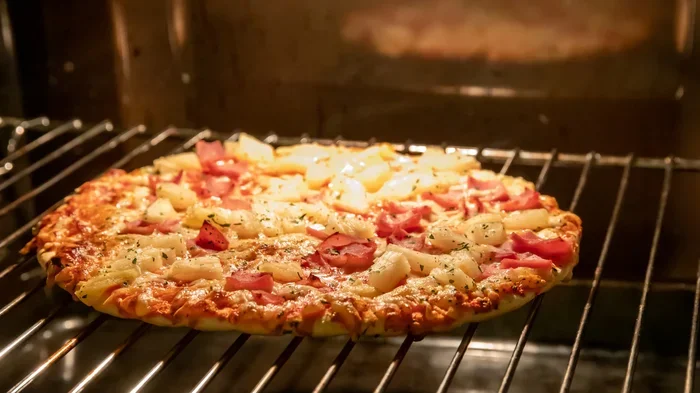
Yes, absolutely. Placing a frozen pizza directly on the oven rack is one of the best ways to get a crispy bottom crust. The hot air circulates underneath the pizza, cooking the dough evenly. Just make sure the oven is fully preheated and the pizza is positioned on the middle rack for the best results.
What temperature should I use to cook frozen pizza without a pan?
Most frozen pizzas bake well at 425 to 450 degrees Fahrenheit. Thin crust styles do great at the lower end of that range, while thicker crusts benefit from the higher temperature. Always check the back of the pizza box for the manufacturer’s recommended temperature, as it can vary by brand.
How long does it take to bake a frozen pizza without a pan?
Typical bake times range from 12 to 18 minutes depending on the crust thickness and oven temperature. Thin crust pizzas usually take about 12 to 14 minutes, while thicker or stuffed-crust pizzas need 15 to 20 minutes. Start checking for doneness at the lower end of the time range.
Can I use aluminum foil instead of a pan?
Yes, you can line the oven rack with aluminum foil to catch drips and grease. Poke a few small holes in the foil so heat can still reach the bottom of the pizza. This method keeps your oven clean while still allowing the crust to crisp up nicely.
Why is my frozen pizza soggy when I bake it without a pan?
A soggy pizza usually means the oven was not hot enough or the pizza was placed in a cold oven. Other causes include too many wet toppings, not preheating the oven, or opening the door too often. Make sure your oven reaches the full temperature before the pizza goes in, and give the pizza enough space for air to circulate.
Can I cook a frozen pizza on a pizza stone without a pan?
Yes, a pizza stone works wonderfully as an alternative to a pan. Place the stone on the oven rack before preheating, then slide the frozen pizza onto the hot stone. The stone absorbs moisture from the dough and creates an incredibly crispy crust. Just remember that a pizza stone needs time to heat up fully before you use it.
Baking frozen pizza in oven without pan is one of the simplest and most rewarding things you can do in the kitchen. It requires no special equipment, no complicated techniques, and very little effort. The results speak for themselves: a crispy, golden crust, perfectly melted cheese, and savory toppings that taste like they came from your favorite pizzeria.
The key to success lies in a few simple habits. Always preheat your oven to the right temperature, place the pizza on the middle rack, and resist the urge to open the door too often. Watch the pizza closely during the last few minutes of baking, and let it rest for a few minutes before slicing. These small steps add up to a big difference in quality.
Once you master this method, you will never go back to using a pan again. It is faster, cleaner, and produces better results. Whether you are a college student, a busy parent, or simply someone who loves a good slice, cooking frozen pizza in oven without pan is a skill worth adding to your kitchen repertoire. Try it tonight, and taste the difference for yourself.