Bake Cod In The Oven At The Perfect Temperature Guide
Baking cod in the oven is simple when you know the right temperature and timing. The ideal bake cod in the oven temperature ranges from 400°F to 425°F, depending on your preferred texture and recipe. This guide covers everything from cooking times to seasoning tips, so you can achieve perfectly flaky cod fillets every single time.
There is something truly special about a perfectly baked piece of cod. The fish turns out flaky, tender, and full of flavor with almost no effort. Whether you are a beginner in the kitchen or a seasoned home cook, learning the right bake cod in the oven temperature can change everything.
Cod is one of the most popular white fish choices for home cooking. It is mild, versatile, and pairs well with so many flavors. But here is the thing — cod can go from perfectly moist to dry and tough in a matter of minutes. That is why nailing the temperature matters so much.
In this guide, we will walk you through everything you need to know. We will cover the ideal oven temperature, cooking times, step-by-step instructions, and plenty of tips to help you get restaurant-quality results at home. By the end, you will feel confident enough to bake cod like a pro.
Key Takeaways
- Best Temperature: Bake cod in the oven at 400°F to 425°F for optimal flakiness and flavor.
- Cooking Time: Most cod fillets bake in 12 to 18 minutes depending on thickness.
- Internal Temp: Cod is done when it reaches 145°F internally and flakes easily with a fork.
- Seasoning Matters: Simple seasonings like lemon, garlic, and herbs elevate baked cod dramatically.
- Avoid Overcooking: Keep a close eye on the fish to prevent dry, tough cod.
- Versatile Dish: Baked cod works with countless toppings, sauces, and side dish pairings.
📑 Table of Contents
The Best Temperature To Bake Cod In The Oven
Getting the temperature right is the single most important factor when you bake cod in the oven. Too hot and the outside dries out before the inside cooks through. Too cool and the fish takes forever to cook and can turn mushy.
The sweet spot for most cod recipes falls between 400°F and 425°F. At this range, the fish cooks evenly, develops a light golden crust, and stays moist and flaky on the inside. Let us break down what each temperature does.
Why 400°F Is The Gold Standard
Most chefs and home cooks agree that 400°F is the best all-around temperature to bake cod in the oven. At this heat, the fish cooks through gently without drying out too quickly. It gives you a nice balance between a lightly crispy exterior and a tender, juicy interior.
At 400°F, a standard cod fillet that is about one inch thick will typically bake in 12 to 15 minutes. This temperature works beautifully for cod baked with breadcrumbs, herbs, or a simple drizzle of olive oil.
When To Use 425°F
If you are in a hurry or prefer a slightly crispier finish, 425°F is a great option. This higher temperature speeds up the cooking process and creates a more golden, caramelized top on the fish.
However, you need to be more careful at 425°F. Thinner fillets can dry out quickly, so keep a close eye on them. This temperature works best for thicker cuts of cod or when you are using a protective coating like sauce or batter.
Lower Temperatures For Thinner Fillets
If you are working with very thin cod fillets, you might want to drop the temperature to 375°F. Lower heat gives the fish more time to cook through gently without the edges turning rubbery. This approach works well for delicate preparations like cod en papillote or cod wrapped in foil.
How Long To Bake Cod At Different Temperatures
Temperature and time go hand in hand when you bake cod in the oven. Knowing the right cooking time for each temperature helps you avoid overcooking or undercooking the fish. Here is a breakdown of what to expect.
Cooking Time Chart For Baked Cod
Use this quick reference guide to plan your cod baking time based on oven temperature and fillet thickness.
- 400°F — 1 inch thick fillets: 12 to 15 minutes
- 400°F — 1.5 inch thick fillets: 15 to 18 minutes
- 425°F — 1 inch thick fillets: 10 to 12 minutes
- 425°F — 1.5 inch thick fillets: 12 to 15 minutes
- 375°F — 1 inch thick fillets: 15 to 20 minutes
- 375°F — Thin fillets (half inch): 8 to 10 minutes
These times are guidelines. The actual cooking time depends on your oven, the thickness of the fillet, and whether the fish is fresh or frozen. Always use a meat thermometer to check for doneness.
Fresh Vs Frozen Cod Cooking Times
Frozen cod takes longer to bake than fresh cod. If you are starting with frozen fillets, add about 5 extra minutes to the cooking time. Better yet, thaw the fish in the refrigerator overnight before baking for more even results.
When you bake frozen cod directly from the freezer, increase the temperature slightly and cover the pan with foil for the first half of cooking. This traps steam and helps the fish cook through without drying out the surface.
How To Tell When Cod Is Done
The internal temperature of cooked cod should reach 145°F. At this point, the fish will be opaque white throughout and will flake easily when you press it with a fork. If the fish still looks translucent in the center, it needs more time.
Step-By-Step Guide To Baking Cod
Baking cod in the oven is one of the easiest ways to prepare this fish. Follow these simple steps for consistent, delicious results every time.
Step 1: Preheat Your Oven
Start by preheating your oven to the desired temperature. Whether you choose 400°F or 425°F, give the oven at least 10 to 15 minutes to reach the target temperature. A properly preheated oven ensures even cooking from the moment the fish goes in.
Step 2: Prepare The Cod Fillets
Pat the cod fillets dry with paper towels. This step is crucial because moisture on the surface prevents the fish from getting crispy. If the fillets have skin, you can leave it on or remove it depending on your preference.
Place the fillets in a single layer on a lined baking sheet. If the fillets are sticking together, use a piece of parchment paper to prevent them from falling apart during cooking.
Step 3: Season Generously
Seasoning is where baked cod truly comes to life. A simple combination of olive oil, salt, pepper, and garlic works wonders. For something more adventurous, try adding paprika, cumin, or a sprinkle of fresh herbs like dill or parsley.
Drizzle a thin layer of olive oil over each fillet and rub the seasoning evenly. Do not be heavy-handed with the oil — a little goes a long way with cod.
Step 4: Bake And Monitor
Place the baking sheet in the preheated oven on the middle rack. Set a timer for the recommended cooking time based on your fillet thickness and oven temperature.
Avoid opening the oven door too often. Every time you open it, heat escapes and the cooking process slows down. Trust the timer and check the fish only when it is close to being done.
Step 5: Rest And Serve
Once the cod reaches 145°F internally, remove it from the oven. Let it rest for 2 to 3 minutes before serving. This brief rest allows the juices to redistribute, making the fish even more tender and flavorful.
Tips For Perfectly Baked Cod Every Time
Even though baking cod is straightforward, small details make a huge difference. Here are some expert tips to elevate your results.
Choose The Right Cod
Fresh cod has a mild, clean smell and firm, translucent flesh. If the fish smells fishy or looks dull, it is not fresh. When buying cod at the store, look for fillets that are bright white and have no discoloration.
Atlantic cod is the most common variety, but Pacific cod and black cod are also excellent choices. Each has a slightly different texture and flavor profile, but all work well for baking.
Don’t Skip The Parchment Paper
Lining your baking sheet with parchment paper does two things. First, it prevents the fish from sticking. Second, it makes cleanup a breeze. This small step can save you time and frustration.
Use A Meat Thermometer
This is the single best tool for ensuring perfectly baked cod. A digital instant-read thermometer takes the guesswork out of cooking. Insert it into the thickest part of the fillet and wait for a reading of 145°F.
Add A Protective Layer
If you are worried about the cod drying out, try covering it with foil for the first half of baking. This traps moisture and keeps the fish tender. Remove the foil for the last few minutes to allow the top to brown slightly.
Pair With The Right Sides
Baked cod pairs beautifully with roasted vegetables, rice, quinoa, or a simple green salad. For a complete meal, try serving it with roasted asparagus, garlic mashed potatoes, or a citrus-dressed salad.
Delicious Baked Cod Recipes To Try
Once you master the basic technique, you can experiment with different flavors and preparations. Here are a few popular baked cod recipes to inspire your next dinner.
Lemon Herb Baked Cod
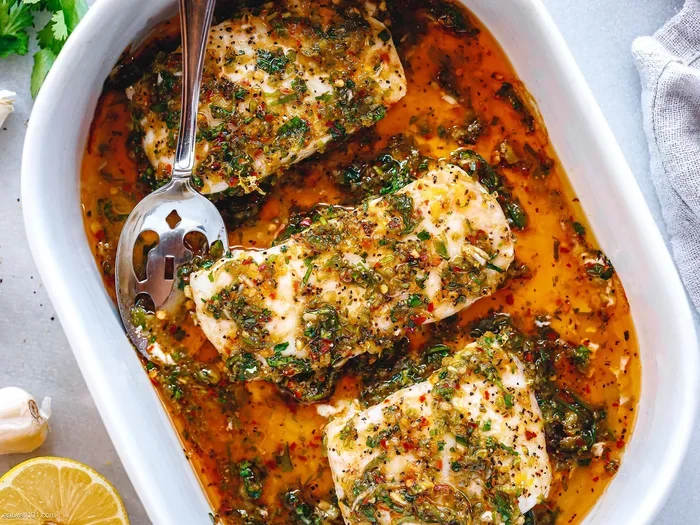
This is the simplest and most classic way to bake cod. Combine olive oil, fresh lemon juice, minced garlic, chopped parsley, salt, and pepper. Drizzle over the fillets and bake at 400°F for 12 to 15 minutes. The lemon brightens the mild flavor of the cod beautifully.
Breaded Baked Cod
For a crunchier texture, dip each fillet in beaten egg, then coat with a mixture of breadcrumbs, Parmesan cheese, paprika, and dried herbs. Bake at 425°F for 10 to 12 minutes. The result is a crispy exterior with a tender, flaky interior.
Cod With Tomato And Olive Sauce
Spread a layer of diced tomatoes, kalamata olives, capers, and garlic on the baking sheet. Place the cod fillets on top and bake at 400°F for 15 minutes. The sauce infuses the fish with incredible Mediterranean flavor.
Coconut Crusted Cod
For something a little different, mix shredded coconut with breadcrumbs and a pinch of cayenne pepper. Press the mixture onto the fillets and bake at 400°F for 12 to 14 minutes. This tropical twist pairs wonderfully with a mango salsa.
Common Mistakes When Baking Cod
Even experienced cooks make mistakes when baking cod. Being aware of these pitfalls helps you avoid them and get better results.
Overcooking The Fish
This is the most common mistake when baking cod. Cod dries out quickly because it is a lean fish with very little fat. Overcooked cod becomes tough and chalky, which is completely unappetizing. Always set a timer and check the fish a minute or two before the recommended time.
Not Preheating The Oven
Putting cod into a cold oven leads to uneven cooking. The fish may release moisture and steam instead of roasting properly. Always preheat your oven and wait for it to reach the target temperature before adding the fish.
Using Too Much Oil Or Seasoning
Cod is a delicate fish with a mild flavor. Heavy seasoning can overpower it. Use just enough olive oil to coat the surface lightly and keep seasonings balanced. You want the natural flavor of the cod to shine through.
Crowding The Baking Sheet
If you place fillets too close together, they steam instead of roast. Give each fillet at least an inch of space on the baking sheet. If you need to bake more fish, use two sheets or work in batches.
Frequently Asked Questions About Baking Cod
What Is The Best Temperature To Bake Cod In The Oven?
The best temperature to bake cod in the oven is 400°F. This heat level cooks the fish evenly, keeps it moist, and creates a light golden crust. If you prefer a crispier finish, you can increase the temperature to 425°F, but watch the fish closely to prevent drying out.
How Long Does It Take To Bake Cod At 400 Degrees?
A standard cod fillet that is about one inch thick will bake in 12 to 15 minutes at 400°F. Thicker fillets may need up to 18 minutes. Always check the internal temperature, which should reach 145°F when the fish is fully cooked.
Should I Cover Cod With Foil When Baking?
Covering cod with foil is optional but helpful if you want to keep the fish extra moist. Foil traps steam and prevents the surface from drying out. Many cooks use foil for the first half of baking and then remove it for the last few minutes to allow the top to brown.
Can You Bake Frozen Cod Directly In The Oven?
Yes, you can bake frozen cod directly from the freezer. Increase the baking time by about 5 to 8 minutes and cover the fish with foil for the first half of cooking. Thawing the cod overnight in the refrigerator produces more even results, but baking from frozen works in a pinch.
What Temperature Should Cod Reach Internally?
Cod is fully cooked when it reaches an internal temperature of 145°F. At this temperature, the fish will be opaque white and flake easily with a fork. Using a meat thermometer is the most reliable way to check for doneness.
Is Baked Cod Healthy?
Baked cod is one of the healthiest ways to prepare fish. It is low in fat, high in protein, and rich in omega-3 fatty acids and essential nutrients like vitamin B12 and selenium. Baking instead of frying keeps the calorie count low while preserving the nutritional benefits of the fish.
Conclusion
Baking cod in the oven is one of the simplest and most satisfying ways to prepare this versatile fish. The key to success lies in getting the temperature right, keeping an eye on the cooking time, and not being afraid to experiment with flavors.
Remember that the ideal temperature to bake cod in the oven is between 400°F and 425°F, with 400°F being the most reliable all-around choice. Whether you keep it simple with lemon and herbs or go bold with a breadcrumb crust, the principles remain the same. Pat dry the fish, season it well, bake it at the right temperature, and pull it out as soon as it reaches 145°F internally.
Once you master these basics, you will find that baked cod becomes a go-to weeknight dinner. It is fast, healthy, and endlessly adaptable to your taste preferences. So preheat that oven, grab some fresh cod, and get ready to enjoy a delicious homemade meal that the whole family will love.
The beauty of this recipe is in its simplicity. You do not need fancy equipment or advanced cooking skills. Just a good oven, a quality piece of cod, and a little confidence. Now that you have all the knowledge you need, it is time to head to the kitchen and put it into practice. Happy baking!