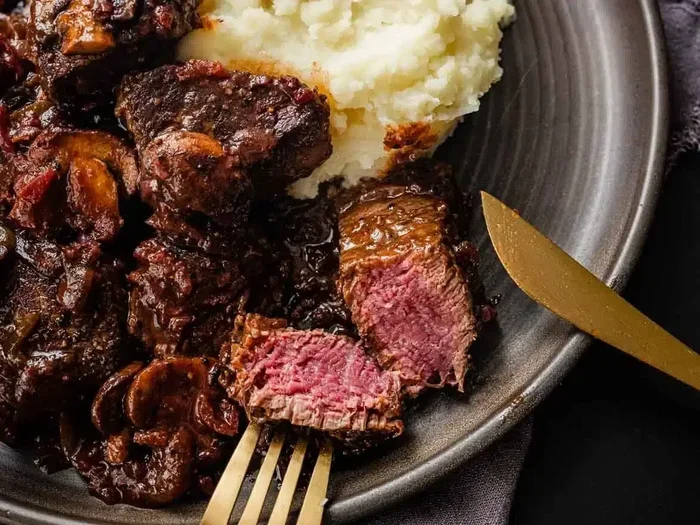
How To Cook Steak Medallions In The Oven The Right Way
Learning how to cook steak medallions in the oven is easier than you think. This guide covers everything from choosing the right beef cut to nailing the perfect internal temperature. You will discover simple oven techniques that deliver restaurant-quality results at home. Whether you are a beginner or a seasoned home cook, these methods will elevate your steak game. Read on to master the art of oven-baked steak medallions with confidence.
There is something truly special about a perfectly cooked steak. The sizzle, the aroma, and that first juicy bite can turn an ordinary weeknight dinner into something memorable. But here is the thing — not everyone owns a fancy grill or has access to an outdoor setup. That is where cooking steak medallions in the oven comes in.
Steak medallions are thick, round cuts of beef that cook beautifully in a hot oven. They are thick enough to handle high heat, and they stay juicy when you follow a few simple steps. Whether you are feeding a family of four or hosting a dinner party, mastering this technique will serve you well.
In this guide, we walk you through every step of the process. You will learn how to pick the best cut, season it properly, set the right oven temperature, and tell when your steak is done to perfection. No guesswork. No stress. Just clear, practical advice that works every single time.
Key Takeaways
- Choose the right cut: Beef tenderloin, sirloin, and ribeye all make excellent steak medallions for oven cooking.
- Pat dry and season well: Removing moisture and applying a generous rub creates a beautiful crust.
- Use a meat thermometer: This is the single most important tool for perfectly cooked steak every time.
- Rest your steak: Letting medallions rest for 5 to 8 minutes keeps the juices locked inside.
- Sear first, then finish in the oven: This two-step method gives you a golden crust and even doneness throughout.
- Avoid common mistakes: Overcooking, skipping the rest, and using a cold pan are the top errors to dodge.
📑 Table of Contents
- What Are Steak Medallions and Why Cook Them in the Oven?
- Choosing the Right Cut of Beef for Medallions
- Preparing Your Steak Medallions for the Oven
- The Best Oven Temperature and Timing for Steak Medallions
- Searing and Finishing Steak Medallions Like a Pro
- Serving and Pairing Your Perfect Steak Medallions
- Common Mistakes to Avoid When Cooking Steak Medallions
- Expert Insights on Oven Steak Medallions
What Are Steak Medallions and Why Cook Them in the Oven?
Steak medallions are thick, circular slices of beef cut from larger roasts or tender cuts. They typically measure between 1.5 and 2 inches thick, which makes them ideal for oven cooking. Because of their thickness, they can handle high heat without drying out on the outside before the center is cooked.
Oven-baked steak has some real advantages over stovetop-only cooking. First, the heat surrounds the meat evenly on all sides. This means no hot spots and no flipping worries. Second, you can cook multiple medallions at once without crowding a pan. Third, the oven gives you more control over the final steak doneness, from rare to well done.
Many home cooks shy away from oven steak because they think it is hard. But the truth is, once you understand a few basics, it becomes second nature. The oven method is forgiving, consistent, and produces outstanding results with minimal effort.
Who Should Try This Method?
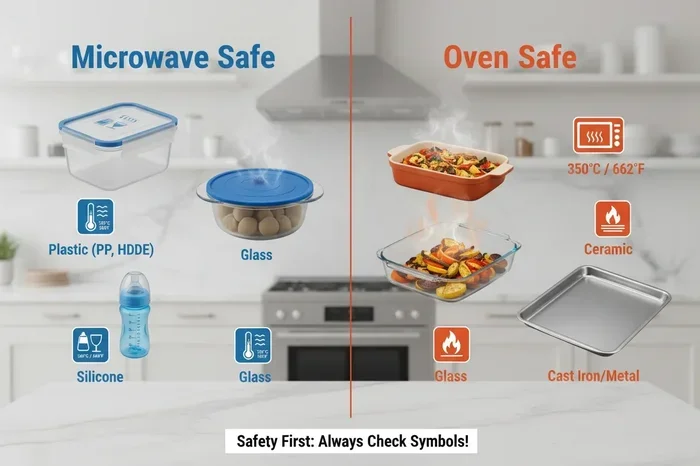
This approach works for anyone who wants a great steak without standing over a hot grill. Busy parents, apartment dwellers, and anyone who prefers indoor cooking will find this method incredibly convenient. You do not need any special equipment — just a basic oven-safe skillet or baking dish and a meat thermometer.
Choosing the Right Cut of Beef for Medallions
The foundation of a great steak starts long before it hits the oven. Choosing the right cut of beef makes a huge difference in flavor, texture, and overall success. Not all steaks are created equal, and some cuts respond much better to oven cooking than others.
Best Cuts for Steak Medallions
Here are the top beef cuts that work beautifully as medallions in the oven:
- Beef tenderloin: This is the most popular choice for medallions. It is tender, lean, and cooks evenly in the oven. Filet mignon comes from this cut and is a favorite for a reason.
- Sirloin steak: A bit more flavor than tenderloin, sirloin medallions offer a great balance of tenderness and beefy taste. They are also more budget-friendly.
- Ribeye medallions: Rich with marbling, ribeye medallions stay juicy and develop a deep, beefy flavor when oven-baked. The fat content helps keep them moist.
- New York strip: Another excellent option with a good balance of tenderness and robust flavor. Strip medallions hold up well to high oven temperatures.
What to Look for at the Butcher or Grocery Store
When shopping for beef medallions, look for cuts that are at least 1.5 inches thick. Thinner medallions tend to overcook quickly in the oven. Choose meat with a bright red color and minimal browning. A good amount of intramuscular fat, also known as marbling, adds flavor and moisture during cooking. If you can, buy from a trusted butcher who can cut medallions to your preferred thickness.
For the best oven-baked steak experience, aim for medallions that are uniform in size. This ensures they all cook at the same rate, so you do not end up with some overcooked and others underdone.
Preparing Your Steak Medallions for the Oven
Preparation is where the magic begins. Taking the time to properly prep your beef medallions before they go into the oven sets you up for success. Skip this step, and even the best cut can turn out disappointing.
Step 1: Pat the Meat Dry
Remove your medallions from the refrigerator about 30 to 45 minutes before cooking. This brings them closer to room temperature, which helps them cook more evenly. Use paper towels to pat the surface dry on all sides. Moisture is the enemy of a good sear, so the drier the surface, the better the crust will be.
Step 2: Season Generously
Seasoning is simple but important. A basic steak seasoning of kosher salt and freshly ground black pepper works wonders. Apply the salt at least 15 minutes before cooking, or even the night before in the refrigerator. This draws out some moisture, which then gets reabsorbed, seasoning the meat deeply.
For extra flavor, try adding garlic powder, onion powder, or a touch of smoked paprika. Some cooks like to brush a thin layer of olive oil on the surface before seasoning. This helps the rub adhere and promotes browning.
Step 3: Preheat the Oven
Preheat your oven to 400°F (200°C) for a standard oven temperature for steak. If you prefer a slightly lower temperature for more even cooking, 375°F (190°C) also works well. Let the oven reach the target temperature before placing the medallions inside. A properly preheated oven ensures consistent beef cooking from the moment the steak goes in.
The Best Oven Temperature and Timing for Steak Medallions
Getting the temperature and timing right is the key to perfectly cooked steak medallions. Too hot and the outside burns before the center is done. Too cool and the steak dries out. Here is what you need to know.
Recommended Oven Temperature
For most steak medallions, 400°F (200°C) is the sweet spot. This temperature is hot enough to create a beautiful crust while cooking the interior evenly. If you are using a thicker cut — say, 2.5 inches or more — you might want to start at a higher temperature of 425°F (220°C) for the first 10 minutes, then reduce to 375°F (190°C) for the remainder.
How Long to Cook Steak Medallions in the Oven
Cooking time depends on the thickness of the medallion and your desired level of doneness. Here is a general guide:
- 1.5-inch medallions: 12 to 15 minutes total, flipping halfway through
- 2-inch medallions: 15 to 18 minutes total, flipping halfway through
- 2.5-inch medallions: 18 to 22 minutes total, flipping halfway through
These times are approximate. The only way to know for sure is to use a meat thermometer. Insert it into the thickest part of the medallion, avoiding any bone or fat.
Internal Temperature Guide for Steak Doneness
Target internal temperatures for beef medallions are as follows:
- Rare: 120°F to 125°F (49°C to 52°C)
- Medium Rare: 130°F to 135°F (54°C to 57°C)
- Medium: 135°F to 145°F (57°C to 63°C)
- Medium Well: 145°F to 155°F (63°C to 68°C)
- Well Done: 155°F and above (68°C and above)
Remember that the temperature will rise 5 to 10 degrees after you remove the steak from the oven. This is called carryover cooking, and it is an important factor in reaching your target doneness.
Quick Tips for Perfect Timing
- Always use a timer. It is easy to lose track of time when you are busy in the kitchen.
- Flip the medallions halfway through cooking for even browning on both sides.
- Check the temperature early. You can always cook a little longer, but you cannot undo overcooking.
- If cooking multiple medallions, rotate their positions in the oven halfway through for even heat exposure.
Searing and Finishing Steak Medallions Like a Pro
While the oven does the heavy lifting for cooking the interior, searing adds flavor, color, and texture that makes steak medallions truly special. The combination of a hot pan sear followed by oven finishing is the gold standard for cooking steak medallions at home.
The Sear-and-Finish Method
This two-step approach works like this: you start on the stovetop in a hot, oiled skillet, sear each side for about 2 minutes until a golden-brown crust forms, then transfer the skillet directly into the preheated oven to finish cooking. The result is a steak with a crisp, flavorful exterior and a perfectly juicy interior.
Use a cast iron skillet if you have one. Cast iron retains heat exceptionally well, which makes for an excellent sear. If you do not have cast iron, any oven-safe skillet will work. Just make sure it is hot before the steak touches the surface.
Why Searing Matters
Searing does not actually “seal in juices,” despite what many people believe. What it does do is trigger the Maillard reaction — a chemical process that creates hundreds of complex flavor compounds on the surface of the meat. This is what gives roasted and seared beef its deep, savory, irresistible taste.
For the best sear, make sure the skillet is smoking hot before adding the steak. Use a high smoke point oil like avocado oil or grapeseed oil. Place the medallions in the pan without crowding them, and resist the urge to move them around. Let the heat do its work for at least 2 minutes per side.
Finishing in the Oven
After searing, transfer the entire skillet into the oven. This is much easier than moving the steak to a separate baking dish. The skillet continues to conduct heat, cooking the medallions evenly. Check the internal temperature with your meat thermometer about 5 minutes before you expect the steak to be done. This gives you time to pull it out at exactly the right moment.
Serving and Pairing Your Perfect Steak Medallions
Once your oven-baked steak medallions are done, the final steps matter just as much as the cooking itself. How you rest, slice, and serve the steak can make or break the dining experience.
Resting Your Steak Medallions
Resting is not optional — it is essential. When a hot steak sits on a cutting board for 5 to 8 minutes, the juices redistribute throughout the meat. If you cut into it immediately, those juices run out onto the plate, leaving the steak drier than it should be.
Tent the medallions loosely with aluminum foil during resting. Do not wrap them tightly, as this traps steam and can soften the crust you worked so hard to create. Place them on a warm plate or cutting board and let them sit undisturbed.
Slicing and Serving Tips
When slicing beef medallions, always cut against the grain. This shortens the muscle fibers and makes each bite more tender. Use a sharp slicing knife and cut at a slight angle for the most tender results.
Best Side Dishes for Steak Medallions
Steak medallions pair wonderfully with a variety of sides. Here are some ideas:
- Roasted vegetables: Asparagus, broccoli, and Brussels sprouts roasted in the same oven while the steak cooks save time and taste amazing.
- Creamy mashed potatoes: A classic pairing that complements the rich flavor of beef.
- Garlic butter mushrooms: Sautéed mushrooms with garlic and herbs add an earthy, savory element.
- Simple green salad: A light salad with a tangy vinaigrette cuts through the richness of the steak beautifully.
- Crispy fries or roasted potatoes: For a more indulgent side that everyone loves.
Sauces to Elevate Your Steak Medallions
A great sauce can take your steak from delicious to unforgettable. Some easy options include a classic peppercorn sauce, a red wine reduction, or a simple compound butter made with softened butter, garlic, and fresh herbs. Place a spoonful of sauce on top of each medallion just before serving for an impressive presentation.
Common Mistakes to Avoid When Cooking Steak Medallions
Even experienced cooks make mistakes in the kitchen. Being aware of the most common errors helps you avoid them and consistently produce better results.
Starting with Cold Meat
One of the biggest mistakes is putting cold steak medallions directly into a hot oven. Cold centers take much longer to cook, which means the outside overcooks while waiting for the inside to reach temperature. Always let your beef rest at room temperature for at least 30 minutes before cooking.
Skipping the Meat Thermometer
Guessing doneness by time alone is unreliable. Every oven is different, and every cut of beef varies in thickness. A meat thermometer removes all guesswork and gives you precise results. It is an inexpensive tool that pays for itself in perfectly cooked steaks.
Overcooking the Steak
It is easy to leave steak medallions in the oven too long, especially if you get distracted. Set a timer, check the temperature early, and pull the steak out when it is 5 degrees below your target. The carryover cooking will bring it up to the perfect temperature.
Not Letting the Steak Rest
Cutting into a hot steak immediately is tempting, but it costs you juicy, tender bites. The resting period allows the muscle fibers to relax and reabsorb the juices. Be patient — those extra 5 to 8 minutes make a noticeable difference.
Using the Wrong Pan
Do not use a non-stick pan for searing steak. Non-stick surfaces cannot handle the high heat needed for a proper sear. Stick with cast iron, stainless steel, or other oven-safe materials. Also, avoid overcrowding the pan, as this lowers the temperature and causes the meat to steam rather than sear.
Expert Insights on Oven Steak Medallions
Professional chefs and culinary experts agree on a few principles that separate good steak from great steak. Here are some insights that can take your beef medallions to the next level.
Chef Maria Torres, a seasoned culinary instructor, often tells her students, “The secret to a perfect oven steak is patience. Let the meat come to room temperature, season it simply, and trust your thermometer. The oven does the work for you.”
Chef David Chen recommends using a two-zone cooking approach. “Sear on the hottest part of the stove, then finish low and slow in the oven if you prefer a more uniform doneness. This gives you the best of both worlds — a great crust and a perfectly pink center.”
Another tip from experienced cooks is to add a sprig of fresh rosemary or thyme to the pan before putting it in the oven. The herbs infuse the kitchen with a wonderful aroma and add a subtle herbal note to the steak as it cooks.
Final Key Takeaways
- Select quality beef: Choose thick, well-marbled cuts like tenderloin, sirloin, or ribeye for the best results.
- Pat dry and season early: Dry surfaces sear better, and early seasoning builds deeper flavor.
- Preheat your oven to 400°F: This is the ideal temperature for most steak medallions.
- Use a meat thermometer: It is the only reliable way to know your steak is done to your liking.
- Rest your steak for 5 to 8 minutes: This keeps the juices inside where they belong.
- Sear before oven-finishing: This adds flavor, color, and texture that makes a real difference.
- Avoid common pitfalls: Cold meat, skipping the thermometer, and cutting too soon are the top mistakes to avoid.
Learning how to cook steak medallions in the oven is a skill that pays dividends every time you step into the kitchen. It is simple, reliable, and produces consistently excellent results. With the right cut, proper seasoning, correct temperature, and a little patience, you can serve steak that rivals your favorite restaurant.
The beauty of this method is its flexibility. You can adjust the temperature, timing, and seasoning to suit your personal preferences and the equipment you have on hand. Whether you prefer a rare, juicy center or a more cooked-through steak, the oven gives you the control to get it just right.
So next time you are craving a great steak but do not want to fire up the grill, remember these steps. Pull out your beef medallions, preheat the oven, and enjoy the process of creating something truly delicious. Once you nail this technique, you will never look at oven steak the same way again.
Practice makes perfect, and every steak you cook teaches you something new. Start with the basics, follow the guidelines, and soon you will be confident enough to experiment with different cuts, seasonings, and finishing touches. Happy cooking, and enjoy every bite of your perfectly oven-baked steak medallions.
Frequently Asked Questions
What is the best oven temperature for cooking steak medallions?
The best oven temperature for steak medallions is 400°F (200°C). This temperature cooks the steak evenly and creates a great crust when combined with a stovetop sear. For thicker medallions over 2.5 inches, you can start at 425°F for the first 10 minutes and then reduce to 375°F for the rest of the cooking time.
How long should I cook steak medallions in the oven?
Cooking time depends on the thickness of the medallion. For a 1.5-inch medallion, aim for 12 to 15 minutes. For a 2-inch medallion, cook for 15 to 18 minutes. For a 2.5-inch medallion, 18 to 22 minutes is a good range. Always use a meat thermometer to check the internal temperature for accuracy.
Do I need to sear steak medallions before putting them in the oven?
Searing is not strictly required, but it is highly recommended. Searing adds flavor, color, and texture through the Maillard reaction. A quick 2-minute sear on each side in a hot skillet before transferring to the oven produces the best results for most home cooks.
How do I know when steak medallions are done?
The most reliable way to check doneness is with a meat thermometer. Insert it into the thickest part of the medallion and compare the reading to your target temperature. Remember that the temperature will rise 5 to 10 degrees after removing the steak from the oven due to carryover cooking.
Can I use a regular baking dish instead of a skillet for oven steak?
Yes, you can use a regular baking dish if you do not have an oven-safe skillet. However, a cast iron skillet or stainless steel pan works better for searing first. If you are only using the oven without searing, any oven-safe dish will work fine for cooking your beef medallions.
What is the best way to rest steak medallions after cooking?
Place the cooked medallions on a warm cutting board and tent them loosely with aluminum foil. Let them rest for 5 to 8 minutes before slicing or serving. Do not wrap them tightly, as trapped steam can soften the crust. Resting allows the juices to redistribute, resulting in a juicier, more flavorful steak.
=== CONCLUSION ===
Cooking steak medallions in the oven is one of the simplest and most rewarding techniques you can learn in the kitchen. With the right cut, proper seasoning, correct temperature, and a reliable meat thermometer, you can consistently produce steak that is juicy, flavorful, and cooked exactly to your preference.
Remember the key steps: pat the meat dry, season generously, preheat your oven to 400°F, sear for a golden crust, finish in the oven, and always let the steak rest before serving. Avoid the common mistakes of starting with cold meat, skipping the thermometer, and cutting too soon.
Whether you are cooking for yourself, your family, or guests, oven-baked steak medallions deliver impressive results with minimal effort. Once you master this method, you will have a go-to recipe that never lets you down. So preheat that oven, grab your favorite cut of beef, and enjoy the process of creating a truly memorable meal right in your own kitchen.