How To Cook Turkey Loin In Oven And Get Perfect Results
This guide shows you exactly how to cook turkey loin in oven for tender, juicy meat every time. You’ll learn the ideal temperature, cooking time, and simple prep steps that guarantee a perfect roast. Whether it’s a holiday dinner or a weeknight meal, these tips will help you serve a restaurant-quality turkey loin with crispy skin and minimal effort.
Cooking a turkey loin in oven is one of the simplest ways to learn how to cook turkey loin in oven for juicy, flavorful results. Whether you are planning a holiday dinner or a midweek family meal, this lean cut of meat cooks evenly and stays tender when you follow a few basic steps. In this guide, I will walk you through everything you need to know to get perfect results every time.
If you have been searching for the best how to cook turkey loin in oven method, you are in the right place. I will cover prep work, seasoning, oven temperature, cooking time, and how to check for doneness. By the end, you will feel confident enough to roast a turkey loin that impresses everyone at the table.
The beauty of cooking turkey loin in the oven is that it is forgiving and flexible. You can use a simple dry rub or a wet brine, adjust the seasoning to your taste, and rely on a meat thermometer for foolproof doneness. This method works for beginners and seasoned cooks alike, and it always turns out impressive. Let us dive into the details that will help you serve a memorable roast.
Key Takeaways
- Use a meat thermometer: The only way to ensure your turkey loin reaches the safe internal temperature of 165°F without drying out.
- Brine or dry rub overnight: Either method adds moisture and flavor, but a simple dry rub saves time and still delivers juicy results.
- Roast at 375°F for even cooking: This moderate temperature crisps the skin while keeping the inside tender and flavorful.
- Rest the meat for 15-20 minutes: Letting the turkey loin sit after baking redistributes the juices for a perfect slice.
- Baste every 30 minutes: Spooning pan juices over the loin keeps it moist and builds a beautiful golden crust.
- Store leftovers properly: Refrigerate within 2 hours and enjoy your oven-cooked turkey loin for up to 4 days in sandwiches or salads.
📑 Table of Contents
Why Turkey Loin Is A Perfect Cut For Oven Roasting
What Makes Turkey Loin Different
Turkey loin comes from the breast area of the bird and is a lean, tender cut. Unlike a whole turkey, the loin has no bones to navigate, which makes it much easier to carve and serve. The uniform shape also means it cooks more evenly, so you do not have to worry about dry breast meat while waiting for the thighs to finish.
Many home cooks choose oven-baked turkey because it is a healthier alternative that still feels celebratory. The loin holds its shape beautifully during cooking and can be sliced into thick, elegant pieces. It is a fantastic centerpiece for both casual weeknight dinners and holiday gatherings where you want something special without the stress of a whole bird.
Another advantage is the size. A turkey loin typically weighs between 2 and 5 pounds, making it perfect for a family of four to six. It fits comfortably in most standard ovens and does not require the large roasting pans that a whole turkey demands. This makes cleanup easier and frees up oven space for side dishes like roasted vegetables or casseroles.
Benefits Of Cooking Turkey Loin In The Oven
Roasting in the oven gives you complete control over the cooking environment. The dry heat surrounds the meat and promotes even browning. You can also baste the loin with pan juices during cooking to add moisture and build a flavorful crust. This hands-on approach is satisfying and produces consistently great results.
One of the biggest benefits is that you can prepare the loin ahead of time. You can brine or season it the night before, then simply pop it in the oven when you are ready. The oven does most of the work while you focus on sides and desserts. This makes how to cook turkey loin in oven a practical choice for busy hosts who want to spend less time in the kitchen and more time with their guests.
Oven roasting also allows you to make a delicious pan gravy from the drippings. The browned bits stuck to the roasting pan are packed with umami flavor. With a little broth and a quick whisk, you can turn those drippings into a rich sauce that elevates the entire dish. It is a simple trick that makes the meal feel extra special.
Essential Prep Work Before You Turn On The Oven
Trimming And Tying The Loin
When you unwrap your turkey loin, take a moment to inspect it. Look for any large pockets of fat or silverskin, which is a thin, tough membrane that can cause the meat to curl during cooking. Use a sharp boning knife to carefully trim away thick fat layers, but leave a thin coating to keep the meat moist and add flavor during roasting.
If the loin is not already tied, you should tie it yourself. This step helps the loin maintain a uniform shape so it cooks evenly from edge to center. Take a piece of kitchen twine and loop it around the width of the loin every inch or two, then knot it snugly. The ties should be firm but not so tight that they cut into the meat. A well-tied loin is easier to handle and looks beautiful when you slice it for serving.
After tying, pat the loin completely dry with paper towels. Moisture on the surface is the enemy of crispy skin. The drier the surface, the better the skin will crisp in the oven. This simple step makes a noticeable difference in the final texture and appearance of your roast.
Seasoning Basics For Maximum Flavor
Seasoning is where you can really make the loin your own. A classic blend of olive oil, kosher salt, black pepper, garlic powder, and dried herbs creates a savory foundation that complements turkey perfectly. I love using a mix of fresh rosemary, thyme, and sage for a traditional flavor that pairs well with autumn sides like mashed potatoes and cranberry sauce.
For a bolder taste, try a dry rub with smoked paprika, onion powder, a pinch of cayenne, and brown sugar. Massage the rub generously over the entire loin, including any areas under loose skin. This creates a flavorful crust that crackles and turns golden in the oven. The sugar in the rub also helps with caramelization, adding a subtle sweetness that balances the savory meat.
If you prefer a richer flavor, make a compound herb butter by mixing softened butter with minced garlic, chopped herbs, and a squeeze of lemon. Gently loosen the skin from the loin with your fingers and spread the butter directly onto the meat. Then smooth any remaining butter over the skin. This method adds incredible moisture and a restaurant-quality richness that will have everyone asking for seconds.
How To Cook Turkey Loin In Oven: Temperature And Time
The Ideal Temperature For Juicy Results
The best oven temperature for roasting turkey loin is 375°F (190°C). This moderate heat strikes the perfect balance between browning the skin and cooking the meat gently without drying it out. A higher temperature can scorch the outside before the inside is done, while a lower temperature may leave the skin pale and soft.
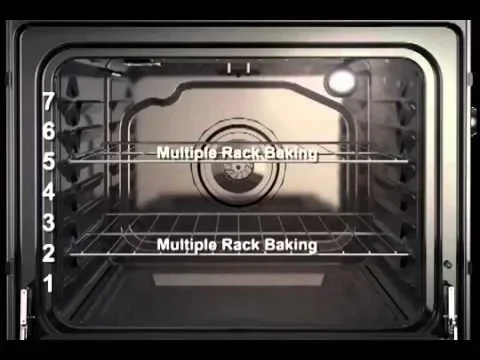
Always preheat your oven for at least 15 minutes before placing the loin inside. A fully preheated oven ensures that the meat starts cooking immediately at the right temperature, which promotes even browning and better juice retention. If your oven has a convection or fan setting, use it. The circulating air helps the loin cook more evenly and develop a more uniform golden crust.
Place the seasoned loin on a wire rack set inside a roasting pan. The rack allows hot air to flow underneath the meat, which prevents the bottom from steaming and becoming soggy. If you do not have a rack, you can loosely ball up some aluminum foil and place it under the loin to lift it slightly. This small trick improves air circulation and helps achieve crispier skin all around.
How Long To Cook Turkey Loin In The Oven
Cooking time varies based on the weight of your loin. A good rule of thumb is about 20 to 25 minutes per pound at 375°F. For example, a 3-pound loin will need roughly 60 to 75 minutes of cooking time. However, time is only a guideline. The true indicator of doneness is the internal temperature, which can differ depending on your oven and the shape of the meat.
Insert an oven-safe meat thermometer into the thickest part of the loin, making sure the probe does not touch the bone or the bottom of the pan. The target internal temperature is 165°F (74°C) at the center. I recommend pulling the loin out of the oven when it reaches 160°F because carryover cooking will raise the temperature a few more degrees as the meat rests. This prevents overcooking and keeps every slice juicy.
If you are unsure about timing, start checking the temperature after about 45 minutes. Every oven is different, and a meat thermometer removes all guesswork. It is the single most important tool for achieving perfect results. A cheap instant-read thermometer works great, but an oven-safe probe that stays in the meat throughout cooking is even more convenient.
Brining Vs. Dry Rub: Which Method Wins?
Wet Brine For Extra Moisture
A wet brine is a saltwater solution that you soak the turkey loin in for several hours or overnight. The salt penetrates the meat and helps the muscle fibers retain moisture during cooking. This results in a very tender, juicy bite that is hard to achieve with just seasoning alone. A basic brine uses 1 cup of kosher salt per gallon of cold water, plus 1/2 cup of brown sugar for balance.
Add aromatics like bay leaves, whole peppercorns, smashed garlic cloves, and citrus slices to the brine for extra flavor. Place the loin in a large zip-top bag or a non-reactive container, pour in the brine, and refrigerate for 8 to 12 hours. The cold temperature keeps the meat safe while the brine works its magic.
After brining, remove the loin and rinse it thoroughly under cold water. Pat it completely dry with paper towels. This step is crucial because any leftover salt on the surface will make the skin salty and prevent it from crisping. Let the loin air-dry in the refrigerator for 1 to 2 hours before seasoning and roasting. The dry surface is what creates that beautiful, crackly skin when it hits the hot oven.
Dry Rub For Crispy Skin
A dry rub is the faster alternative and still delivers incredible flavor. It also promotes crispy skin because the salt draws moisture out of the surface, which then evaporates in the oven and leaves behind a crunchy, seasoned crust. This method is perfect for weeknight cooking when you do not have hours for brining.
To make a simple dry rub, combine 1 tablespoon of kosher salt, 1 teaspoon of black pepper, 1 teaspoon of garlic powder, 1 teaspoon of onion powder, and 1 teaspoon of smoked paprika. Massage the mixture generously over the entire loin, pressing it gently into the skin. For best results, place the seasoned loin uncovered in the refrigerator overnight. The uncovered time allows the skin to dry out further, which is the secret to a crispy finish.
Before roasting, let the loin sit at room temperature for about 30 minutes. This takes the chill off the center and helps it cook more evenly. Then proceed with your oven setup and roast as directed. The dry rub method is forgiving and produces consistently delicious results with minimal prep time.
Checking Doneness Resting And Carving
Using A Meat Thermometer Correctly
A meat thermometer is the single most important tool for roast turkey. Without it, you are essentially guessing, and guessing often leads to dry, overcooked meat. Insert the probe into the thickest part of the loin, making sure it does not touch the bone or the bottom of the pan. Wait for the reading to stabilize for at least 10 seconds before noting the temperature.
The safe internal temperature for turkey is 165°F (74°C). However, I recommend pulling the loin at 160°F because the temperature will continue to rise by 5 to 10 degrees during resting. This carryover cooking brings the center up to the perfect temperature without drying out the meat. It is a small adjustment that makes a big difference in juiciness.
If you are cooking a stuffed loin (though loin is usually boneless and not stuffed), make sure the stuffing also reaches 165°F. Use a separate thermometer for the stuffing to avoid cross-contamination. For a plain loin, one thermometer inserted into the thickest part is all you need. Keep a backup thermometer handy if you are cooking for a crowd, so you can check multiple pieces of meat quickly.
Why Resting Is Non-Negotiable
Resting the turkey loin after it comes out of the oven is just as important as cooking it properly. When you cut into hot meat right away, the juices run out onto the cutting board instead of staying in the slices. The result is dry, less flavorful meat that feels like it was overcooked even if it was perfectly done inside.
Let the loin rest on a cutting board for 15 to 20 minutes. Tent it loosely with aluminum foil to keep it warm without trapping steam. Steam trapped under the foil can soften the crispy skin you worked so hard to achieve. The loose tent allows just enough warmth to keep the meat comfortable while the juices redistribute throughout the fibers.
During resting, the internal temperature will rise slightly, and the meat will become firmer and easier to slice. You will notice that when you cut into it, the juices run clear and the slices hold together beautifully. This step transforms a good roast into a great one. Do not skip it, even if you are eager to dig in.
How To Carve Turkey Loin Like A Pro
Carving a boneless turkey loin is simple and satisfying. Place the rested loin on a cutting board with the seam side up if you can see the grain of the meat. Use a sharp slicing knife and cut against the grain into slices that are about 1/2 inch thick. Cutting against the grain shortens the muscle fibers, which makes each slice tender and easy to chew. Slicing with the grain would leave the meat chewy and tough.
Arrange the slices on a warm serving platter and spoon some of the pan juices over the top. The juices from the roasting pan are packed with concentrated flavor and a little fat that adds richness. To make a quick gravy, pour off excess fat from the pan, leaving the browned bits behind. Add 1 cup of chicken broth or turkey stock, place the pan on the stovetop over medium heat, and scrape up the browned bits with a wooden spoon. Simmer for a few minutes until slightly thickened, then strain into a gravy boat. It is a simple step that makes the meal feel complete and restaurant-worthy.
Serving Leftovers And Final Thoughts
Storing And Reheating Leftover Turkey
Leftover turkey loin keeps well in the refrigerator for up to 4 days. Let the meat cool to room temperature within 2 hours of cooking, then wrap it tightly in plastic wrap or store it in an airtight container. The drier parts like the tips can be saved for sandwiches, salads, or wraps the next day.
To reheat, I strongly recommend using the oven rather than the microwave. The microwave can make the meat rubbery and dry out the edges. Place the slices in a baking dish, add a splash of chicken broth or water to create steam, cover tightly with aluminum foil, and warm at 325°F for about 15 minutes. This gentle reheating keeps the oven-cooked turkey loin moist and flavorful. Check the temperature with a thermometer to ensure it reaches 165°F before serving.
You can also repurpose leftovers into new meals. Shredded turkey makes excellent tacos, salads, or a hearty soup. Combine leftover slices with broth, vegetables, and herbs for a quick turkey noodle soup. The possibilities are endless, and you will find that the next day the flavors have melded together even more beautifully.
Common Mistakes To Avoid
Even experienced cooks can make a few slip-ups that affect the final result. Here are some common mistakes and how to avoid them so your turkey loin turns out perfectly every time.
- Skipping the thermometer: Relying on time alone often results in overcooked, dry meat. A thermometer takes the guesswork out and ensures perfect doneness every single time.
- Not drying the skin: If you skip the drying step after brining or seasoning, the skin will steam instead of crisp. Pat the loin very dry with paper towels before it goes in the oven.
- Overcrowding the pan: Give the loin plenty of space in the roasting pan so hot air can circulate freely. A crowded pan creates steam and prevents the skin from browning evenly.
- Cutting too soon: Slicing immediately after roasting releases all the juices onto the board. Always rest the meat for at least 15 minutes to keep it moist and flavorful.
- Using a cold loin straight from the fridge: A cold loin takes longer to cook and may brown unevenly. Let it sit at room temperature for about 30 minutes before roasting for more even results.
- Forgetting to baste: Basting every 30 minutes with pan juices adds moisture and helps build a beautiful golden crust. It is a small step that makes a big difference.
Quick Tips For The Best Turkey Loin Every Time
Here are some quick tips I always follow to make sure my turkey loin comes out perfectly juicy and flavorful.
- Brine or apply a dry rub the night before for deeper flavor penetration.
- Bring the loin to room temperature for 30 minutes before roasting.
- Baste the loin with pan juices every 30 minutes for a golden crust.
- Use a wire rack set inside a roasting pan for even air circulation.
- Let the meat rest for 15 to 20 minutes before slicing.
- Save the pan drippings for a quick and flavorful homemade gravy.
- Store leftovers in shallow containers to cool quickly and safely.
- Slice against the grain for the most tender bite.
Final Thoughts
Learning how to cook turkey loin in oven is a skill that will serve you well for many holiday meals and family dinners. With the right temperature, a little seasoning, and a meat thermometer, you can roast a tender, juicy loin that everyone at the table will love. The process is straightforward, and the results are always impressive. Once you master this method, you will never go back to dry, overcooked turkey again.
Remember to prep ahead, stay patient during resting, and enjoy the process. A perfectly roasted turkey loin is more than just a meal, it is a centerpiece that brings people together and creates lasting memories. Try these steps your next time you are in the kitchen, and you will see how easy it is to achieve restaurant-quality results at home. Happy roasting, and enjoy every delicious slice.
Frequently Asked Questions
What temperature should I cook turkey loin in the oven?
Roast turkey loin at 375°F (190°C) for even cooking and crispy skin. This moderate temperature allows the outside to brown nicely while the inside stays juicy. Always use a meat thermometer to confirm the internal temperature reaches 165°F at the center.
How long does it take to cook a turkey loin?
Cooking time is about 20 to 25 minutes per pound at 375°F. A 3-pound loin will need roughly 60 to 75 minutes. However, time is only a guideline. The true indicator of doneness is the internal temperature, so start checking with a thermometer after 45 minutes.
Should I brine my turkey loin before roasting?
Brining is optional but highly recommended for extra moisture. A wet brine with kosher salt and sugar helps the meat retain juices during cooking. If you do not have time, a simple dry rub with salt and spices still delivers delicious, flavorful results with crispy skin.
How do I know when turkey loin is done?
The only reliable way is to use a meat thermometer. Insert it into the thickest part of the loin and look for an internal temperature of 165°F. Pull the loin out at 160°F and let carryover cooking bring it up to the safe temperature while it rests.
Can I use a frozen turkey loin in the oven?
It is best to thaw the loin completely before roasting for even cooking and food safety. Thaw it in the refrigerator for 24 to 48 hours. If you must cook from frozen, add extra time and check the internal temperature frequently to ensure it reaches 165°F in the center.
How do I store leftover roasted turkey loin?
Let the meat cool to room temperature within 2 hours, then wrap it tightly or store it in an airtight container. Refrigerate for up to 4 days. Reheat gently in the oven at 325°F with a splash of broth to keep the meat moist and flavorful.