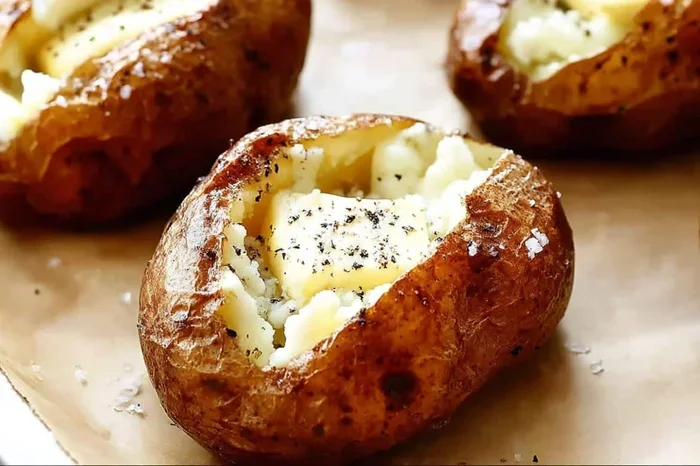
How Long To Cook A Perfectly Baked Potato In Your Oven
Baking a potato in the oven takes about 45 to 60 minutes at 400°F, depending on the size and type of potato you choose. The key to a perfect baked potato is a crispy skin on the outside and a fluffy, buttery interior on the inside. This guide covers everything from choosing the right potato to knowing the exact oven baked potato time for the best results every single time.
There is something truly special about a baked potato straight from the oven. The crispy golden skin gives way to a soft, fluffy interior that practically melts in your mouth. Whether you are making a simple side dish or building a loaded potato bar for dinner, knowing exactly how long to cook a baked potato in oven is the first step to getting it right every time.
Many people overthink the process. They worry about the temperature, the timing, and whether they should use foil or not. The truth is that baking a potato is one of the simplest things you can do in the kitchen. But simplicity does not mean you cannot get it perfect. With the right oven baked potato recipe and a little know-how, you can create restaurant-quality results at home.
This guide will walk you through everything you need to know. We will cover the ideal baked potato oven temperature, the exact cooking times for different potato sizes, and the best tips for achieving that perfect crispy skin. By the end, you will feel confident enough to bake potatoes like a pro. Let us get started.
Key Takeaways
- Standard bake time: A medium russet potato takes about 45 to 60 minutes at 400°F in a standard oven.
- Size matters: Larger potatoes need more time, while smaller ones cook faster. Always adjust based on diameter.
- Preheat your oven: Never skip preheating. A hot oven from the start ensures even cooking and crispy skin.
- Skip the foil: Wrapping in foil traps steam and makes the skin soft. For crispy skin, bake unwrapped.
- Test for doneness: A fork should slide in easily with no resistance. The internal temperature should reach 210°F.
- Rest before serving: Let the potato sit for 5 minutes after baking. This helps the inside become fluffy.
- Toppings make it great: Classic toppings like butter, sour cream, cheese, and chives elevate any oven baked potato.
📑 Table of Contents
- How Long To Cook A Baked Potato In Oven
- Choosing The Right Potato For Baking
- Step-By-Step Guide To Oven Baked Potato
- Tips For Perfect Crispy Skin Every Time
- Common Mistakes To Avoid When Baking Potatoes
- Toppings And Serving Ideas For Your Baked Potato
- Expert Insights On Perfect Baked Potatoes
- Key Takeaways
- Frequently Asked Questions
- Conclusion
How Long To Cook A Baked Potato In Oven
The most common question people ask is: “How long does it take to bake a potato?” The answer depends on a few factors. The size of the potato, the oven temperature, and whether you prep it in any special way all play a role. But here is a general rule of thumb that works for most situations.
At 400°F, a medium-sized russet potato (about 6 to 8 ounces) takes roughly 45 to 60 minutes to bake through completely. If your potato is on the larger side, closer to a pound or more, you may need to add 10 to 15 extra minutes. Smaller potatoes, like fingerlings or new potatoes, will cook faster, often in about 30 to 40 minutes.
Some people like to start their oven baked potatoes at a higher temperature, around 425°F, to get the skin crisping up faster. This can reduce the total time slightly. Others prefer a lower temperature of 375°F for a longer, slower bake that keeps the inside extra moist. Both approaches work well. The key is knowing what you want and adjusting your timing accordingly.
Baked Potato Time Chart By Size
To make things even easier, here is a quick reference chart you can keep in mind the next time you are in the kitchen.
- Small potatoes (3-5 oz): 30 to 40 minutes at 400°F
- Medium potatoes (6-8 oz): 45 to 60 minutes at 400°F
- Large potatoes (9-12 oz): 60 to 75 minutes at 400°F
- Extra large potatoes (1+ lb): 70 to 90 minutes at 400°F
These times assume you are baking potatoes at 400°F without any wrapping. If you use foil or a potato bake time method that involves wrapping, add about 10 minutes to each estimate. The foil slows down the cooking process slightly because it traps moisture around the potato.
Choosing The Right Potato For Baking
Not all potatoes are created equal when it comes to baking. The variety you pick has a big impact on the final texture and flavor. If you want a light, fluffy interior with a crisp skin, you need to choose the right type.
The russet potato is the gold standard for oven baking. It has a thick, rough skin that crisps up beautifully and a high starch content that gives you that fluffy, cloud-like texture on the inside. Idaho russets are the most popular choice, but any russet variety will work great.
If you want to try something different, Yukon Gold potatoes are a solid option. They have a buttery, creamy texture and a thinner skin. They do not get quite as fluffy as russets, but they have a rich, buttery flavor that many people love. Red potatoes and fingerlings are also excellent for baking, especially if you prefer a waxy, firmer texture.
When shopping for baked potato ingredients, look for potatoes that are firm, smooth, and free of sprouts or soft spots. A heavy potato for its size usually means it has a good moisture content, which leads to a better bake. Avoid potatoes with green spots, as these can taste bitter and are not ideal for eating.
Best Potato Varieties For Oven Baking
- Russet (Idaho): Best for fluffy texture and crispy skin. The go-to choice for most people.
- Yukon Gold: Creamy and buttery with a thinner skin. Great for loaded potatoes.
- Red Potato: Waxy and firm. Holds its shape well and has a mild, sweet flavor.
- Fingerling: Small and elegant. Cooks quickly and works well as a side dish.
Step-By-Step Guide To Oven Baked Potato
Now that you know the timing and the right potato to choose, let us walk through the actual process. Baking a perfect baked potato is simple, but a few small steps make a big difference in the final result.
Step 1: Prep Your Potato
Start by giving your potato a good scrub under cold water. Use a vegetable brush if you have one. You want to remove any dirt from the skin because this will be the outer layer you eat. Pat the potato completely dry with a clean towel. Dry skin crisps up much better than wet skin.
Next, use a fork to poke several holes all over the potato. This is an important step that many people skip. The holes let steam escape during baking. Without them, the potato can build up pressure and actually burst in your oven. A few good pricks all around the surface will prevent this messy problem.
Step 2: Season The Potato
Rub the outside of the potato with a thin layer of olive oil or melted butter. This helps the skin crisp up and adds flavor. Sprinkle a generous amount of kosher salt over the oiled surface. The salt draws out moisture during baking, which contributes to an extra crispy skin.
You can keep it simple with just oil and salt, or get creative. A little garlic powder, paprika, or dried rosemary adds a nice flavor boost. Some people even sprinkle a tiny bit of black pepper or cumin for extra depth. The seasoning goes on the outside, not the inside, so do not worry about getting it inside the potato.
Step 3: Place On The Oven Rack
Put the seasoned potato directly on the middle oven rack. Use a baking sheet or foil on the rack below to catch any drips. Placing the potato directly on the rack allows hot air to circulate all around it, which promotes even cooking and crispy skin on all sides.
If you do not want to put the potato directly on the rack, you can place it on a parchment-lined baking sheet. This works fine too, though the bottom may not get quite as crispy. Avoid placing the potato directly on a bare pan without parchment, as it can stick and make cleanup harder.
Step 4: Bake And Wait
Slide the potato into your preheated oven set to 400°F. Set a timer based on the size chart above. Resist the urge to open the oven door too often. Every time you open the door, heat escapes and the cooking temperature drops. This can add extra time to your potato oven recipe and lead to uneven results.
About halfway through the cooking time, you can carefully flip the potato over using tongs or an oven mitt. This helps the other side get equally crispy. If you are baking multiple potatoes, make sure they have enough space between them so the hot air can flow freely around each one.
Step 5: Check For Doneness
The best way to know if your oven baked potato is done is the fork test. Gently squeeze the potato with an oven mitt or tongs. If it gives slightly and feels soft all the way through, it is ready. You can also insert a fork or knife into the center. It should slide in with no resistance whatsoever.
For the most accurate check, use an instant-read thermometer. Insert it into the center of the potato. The internal temperature should read 210°F for a perfectly baked potato. This is the sweet spot where the starch has fully gelatinized and the texture is at its fluffiest.
Tips For Perfect Crispy Skin Every Time
The difference between a good baked potato and a great one is almost always the skin. Crispy, salty, golden skin is what makes people come back for more. Here are some tried-and-true tips to get that perfect texture every single time.
Why You Should Skip The Foil
One of the biggest debates in the baked potato world is whether to use foil. Many old recipes call for wrapping the potato in aluminum foil before baking. While foil does speed up cooking slightly, it also traps steam against the skin. This steam makes the skin soft and chewy rather than crispy and crunchy.
If you want crispy potato skin, skip the foil entirely. Bake the potato directly on the oven rack or on a parchment-lined sheet. The dry heat from the oven will do all the work of crisping up the outside while keeping the inside fluffy and tender. The trade-off is a few extra minutes of baking time, but the result is well worth it.
Double Bake Method For Extra Crispiness
For the absolute crispiest skin you have ever tasted, try the double bake method. After the first bake, take the potato out and let it cool for about 10 minutes. Then rub it lightly with oil and salt again, and put it back in the oven for another 10 to 15 minutes at 425°F.
This two-stage process removes even more moisture from the skin, which is exactly what you need for maximum crispiness. The second bake also reheats the inside so it stays perfectly fluffy. This method takes a little longer, but the results are outstanding.
Use A Wire Rack If You Want Even Crispiness
If you are baking multiple potatoes at once, consider placing them on a wire rack set over a baking sheet. The wire rack allows air to flow underneath each potato, which means every side gets evenly crispy. Without a rack, the bottom of the potato can get soggy from sitting on a flat baking sheet.
A simple wire cooling rack works perfectly for this. It is inexpensive and makes a big difference in the texture of your oven baked potatoes. This is one of those small kitchen tricks that separates a good cook from a great one.
Common Mistakes To Avoid When Baking Potatoes
Even though baking a potato is straightforward, there are some common mistakes that can ruin the result. Learning what not to do is just as important as knowing the right steps.
Skipping The Poke
We mentioned this earlier, but it is worth repeating. Not poking holes in the potato before baking is a mistake that can cause a mess in your oven. When steam builds up inside the potato with no way to escape, the pressure has to go somewhere. Usually, it makes a dramatic exit right in your oven.
Take the extra 30 seconds to poke several holes with a fork. It is a small step that prevents a big problem. Your oven will thank you, and so will your cleanup routine.
Baking At Too Low A Temperature
Some people set their oven to 350°F or even lower to save energy. While the potato will eventually cook, the lower temperature means it spends more time in the oven. This extra time can dry out the inside and prevent the skin from getting properly crispy.
400°F is the sweet spot for baking potatoes. It is hot enough to crisp the skin quickly but not so hot that it burns before the inside is cooked through. If you are in a rush, you can go up to 425°F, but stay away from going below 375°F for the best results.
Not Letting The Potato Rest
When the timer goes off, it can be tempting to grab the potato and dig in right away. But letting it rest for 5 to 10 minutes makes a real difference. During baking, the moisture inside the potato gets redistributed. Resting allows it to settle, which makes the inside fluffier and easier to open up.
Use tongs or an oven mitt to move the potato to a plate or cutting board. Give it a gentle squeeze. If it feels soft and gives slightly, it is ready to open. Use a knife to slice a cross on top and push the ends inward to open the potato like a flower. Then add your favorite toppings and enjoy.
Toppings And Serving Ideas For Your Baked Potato
A basic oven baked potato is delicious on its own, but toppings are where the real fun begins. The possibilities are nearly endless, and you can customize them to suit any taste or dietary preference.
Classic Toppings
- Butter and sour cream: The timeless combination. Add a pat of butter and a dollop of sour cream for a comforting, classic flavor.
- Shredded cheese: Cheddar, mozzarella, or a blend of both melts beautifully into a hot baked potato.
- Bacon bits: Crumbled cooked bacon adds a salty, smoky crunch that pairs perfectly with the soft potato.
- Chives or green onions: A sprinkle of fresh chopped herbs adds color and a mild onion flavor.
Hearty Toppings For A Meal
- Chili and cheese: Top your potato with a scoop of homemade or store-bought chili for a filling, complete meal.
- Broccoli and cheese sauce: Steamed broccoli florets and a creamy cheese sauce turn a baked potato into a balanced dinner.
- Pulled pork or chicken: Shredded meat with a drizzle of barbecue sauce makes the potato a hearty main course.
- Steamed vegetables and herbs: For a lighter option, top with steamed asparagus, spinach, and a drizzle of olive oil.
One of the best things about a baked potato is how versatile it is. You can make it a simple side dish or turn it into a full meal. It works for weeknight dinners, game day snacks, and holiday gatherings alike. Once you master the basic bake, you can experiment with endless flavor combinations.
Expert Insights On Perfect Baked Potatoes
Over the years, professional chefs and home cooking experts have shared their secrets for the ultimate baked potato. Here are a few insights that can take your potato bake game to the next level.
Start with room temperature potatoes. Taking the potato out of the fridge 15 to 20 minutes before baking helps it cook more evenly. A cold potato going into a hot oven can result in a hard center and overcooked edges. Letting it warm up slightly closes that gap.
Soak the potato in salt water for extra crispiness. This is a technique borrowed from french fry making. Soak your scrubbed and dried potato in cold salted water for 30 minutes to an hour before baking. Then pat it completely dry before oiling and seasoning. The salt draws out moisture, and the drier skin crisps up beautifully in the oven.
Use a convection setting if you have it. Convection ovens circulate hot air more efficiently, which means your oven baked potato cooks more evenly and the skin gets crispier. If you use convection, reduce the temperature by about 25°F and check for doneness a few minutes early.
Do not overcrowd the oven. If you are baking multiple potatoes, make sure there is at least an inch of space between each one. Crowding blocks airflow and leads to uneven cooking. If you need to bake a large batch, use multiple racks and rotate the potatoes halfway through.
Key Takeaways
- Standard bake time: A medium russet potato takes about 45 to 60 minutes at 400°F in a standard oven.
- Size matters: Larger potatoes need more time, while smaller ones cook faster. Always adjust based on diameter.
- Preheat your oven: Never skip preheating. A hot oven from the start ensures even cooking and crispy skin.
- Skip the foil: Wrapping in foil traps steam and makes the skin soft. For crispy skin, bake unwrapped.
- Test for doneness: A fork should slide in easily with no resistance. The internal temperature should reach 210°F.
- Rest before serving: Let the potato sit for 5 minutes after baking. This helps the inside become fluffy.
- Toppings make it great: Classic toppings like butter, sour cream, cheese, and chives elevate any oven baked potato.
Frequently Asked Questions
Can I bake a potato at 350°F instead of 400°F?
Yes, you can bake a baked potato at 350°F, but it will take longer, usually about 60 to 80 minutes for a medium potato. The lower temperature means the skin does not get as crispy, and the inside can sometimes become slightly denser. For the best results, 400°F is recommended. However, if you prefer a softer skin and a more gentle cook, 350°F works fine.
How do I know when my baked potato is done?
The easiest way to check is the fork test. Simply insert a fork into the center of the potato. If it slides in smoothly with no resistance, the potato is done. You can also squeeze the potato gently with an oven mitt. If it gives slightly and feels soft all the way through, it is ready. For precision, use a meat thermometer. The internal temperature should be 210°F for a perfectly baked potato.
Should I wrap my potato in foil when baking?
It is best to skip the foil if you want crispy skin. Foil traps steam around the potato, which makes the skin soft and damp instead of crispy and golden. Baking unwrapped on the oven rack allows hot air to circulate freely, giving you the best texture. If you are in a real rush and want to save a few minutes, foil will help, but you will sacrifice that satisfying crunch on the skin.
Can I bake potatoes ahead of time and reheat them?
Yes, you can bake potatoes ahead of time and reheat them later. After baking, let the potato cool completely, then wrap it in foil and store it in the refrigerator for up to 5 days. To reheat, place the wrapped potato back in the oven at 350°F for about 15 to 20 minutes. The oven reheats it more evenly than a microwave, and the skin stays much crisper.
Why did my baked potato come out hard in the middle?
A hard center usually means the potato was not baked long enough or the oven temperature was too low. Make sure your oven is fully preheated to 400°F before putting the potato in. Also, check the size of your potato. Larger potatoes need significantly more time. Always use the fork test or a thermometer to confirm doneness rather than relying solely on the timer.
What is the best type of potato for baking?
The russet potato is widely considered the best potato for baking. It has a thick, rough skin that crisps up beautifully and a high starch content that creates a fluffy, light interior. Yukon Gold potatoes are also excellent and offer a buttery, creamy texture. Red potatoes and fingerlings work well too if you prefer a firmer, waxy bite. Avoid waxy varieties like new potatoes if you want the classic fluffy texture.
Conclusion
Baking a potato in the oven is one of the simplest and most satisfying things you can do in the kitchen. With the right temperature, the right timing, and a few simple tips, you can create a perfect baked potato every single time. Remember the basics: choose a good russet potato, preheat your oven to 400°F, bake for 45 to 60 minutes depending on size, and skip the foil for crispy skin.
The beauty of a baked potato is in its simplicity and versatility. It pairs with almost anything, it feeds a crowd easily, and it requires almost no effort once it is in the oven. Whether you are making a quick weeknight side or a loaded potato bar for guests, knowing exactly how long to cook a baked potato in oven gives you the confidence to nail it every time.
So the next time you are craving something warm, comforting, and delicious, skip the microwave and let your oven do the work. Your taste buds will thank you. Happy baking, and enjoy every bite of that perfectly crispy, fluffy, golden oven baked potato.