How To Make Dressing In The Oven With This Simple Method
Making dressing in the oven is the easiest way to get crispy, golden edges and fluffy centers every time. This simple method uses basic ingredients like bread cubes, herbs, and broth to create a homemade dressing that beats boxed mixes. You will learn the exact steps, tips, and tricks to make oven-baked dressing your family will love.
There is nothing quite like a warm, golden pan of dressing pulled straight from the oven. The smell fills the kitchen. The edges are crispy. The center is soft and full of flavor. If you have ever wondered how to make dressing in the oven with ease, you are in the right place.
This guide walks you through every step of making oven-baked dressing using a simple, tried-and-true method. Whether you are cooking for Thanksgiving, a Sunday family dinner, or just because you crave something savory, this recipe has you covered. I will share tips, answer common questions, and give you all the details you need to make the best homemade dressing of your life.
Key Takeaways
- Oven-baked dressing cooks evenly: The dry heat of the oven creates crispy edges while keeping the inside moist and fluffy.
- It is simple and customizable: You can swap in your favorite herbs, add vegetables, or use different bread types to suit your taste.
- No special equipment is needed: Just a baking dish, basic pantry staples, and about 45 minutes of your time.
- It is perfect for holidays and weeknights: Whether it is Thanksgiving or a Tuesday dinner, this dressing recipe fits any occasion.
- Follow a few key tips: Properly drying the bread, using the right broth ratio, and not over-baking are the secrets to great results.
📑 Table of Contents
- Why Make Dressing In The Oven?
- What You Need to Make Dressing In The Oven
- Step-by-Step Method to Make Dressing In The Oven
- Tips for Perfect Oven-Baked Dressing Every Time
- Oven Dressing vs. Stovetop Dressing: A Comparison
- Common Mistakes to Avoid When Making Dressing In The Oven
- Expert Insights on Making Great Dressing
- How to Store and Reheat Leftover Dressing
- Variations of Dressing You Can Bake in the Oven
- Why This Simple Method Works
Why Make Dressing In The Oven?
Many people skip from the stovetop to the table when it comes to dressing. But the oven method brings something special to the dish. Let me explain why this approach works so well.
Even Cooking and Better Texture
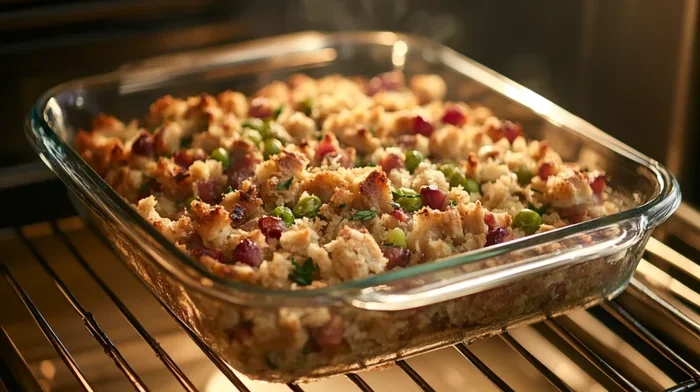
When you bake dressing in the oven, the heat surrounds every piece of bread evenly. This means no cold, soggy spots in the middle. The top gets crispy and golden. The edges turn slightly crunchy. The inside stays soft and moist. It is the best of both worlds.
Hands-Off Cooking
Once you put the dish in the oven, you can focus on other parts of your meal. You do not need to stand over the stove stirring. The oven does the work for you. This makes oven-baked dressing perfect for holiday meals when you are juggling many dishes at once.
Crowd-Pleasing Results
Let us be honest. Most people love dressing. It is a comfort food. A warm, herby, savory side dish that pairs with turkey, chicken, roast pork, or even vegetarian mains. When you make it in the oven, the results are consistent and impressive every single time.
What You Need to Make Dressing In The Oven
Before you start, gather your ingredients and tools. The beauty of this dressing recipe is that you likely already have most of these items in your kitchen.
Ingredients for Basic Oven Dressing
- 6 to 8 cups of cubed bread: Use day-old white bread, sourdough, or cornbread for a southern twist.
- 2 to 3 cups of chicken or vegetable broth: This brings everything together and adds moisture.
- 1 large onion, diced: This adds a sweet, savory base flavor.
- 2 to 3 stalks of celery, chopped: Celery gives dressing that classic aromatic flavor.
- 2 tablespoons of butter: This adds richness and helps with browning.
- 1 teaspoon of dried sage: Sage is the traditional herb for dressing. Do not skip it.
- 1 teaspoon of poultry seasoning: This blend adds depth and warmth.
- Salt and pepper to taste: Season to your preference.
- 2 eggs (optional): These help bind the dressing together if you prefer a firmer texture.
Tools You Will Need
- A 9×13-inch baking dish
- A large mixing bowl
- A skillet for sautéing
- A spatula or wooden spoon
- Aluminum foil for covering during baking
Quick Tips for Ingredient Selection
- Day-old bread works best: Fresh bread has too much moisture and can make your dressing soggy. If your bread is fresh, toast the cubes in the oven for 10 minutes at 300°F before using them.
- Cornbread adds a southern flair: If you want a southern dressing style, use cornbread as your base. It adds a slightly sweet, crumbly texture that many people love.
- Use low-sodium broth: This gives you control over the salt level. You can always add more, but you cannot take it away.
Step-by-Step Method to Make Dressing In The Oven
Now for the part you have been waiting for. Here is the simple method to make dressing in the oven from start to finish. Follow these steps and you will have a perfect pan every time.
Step 1: Prepare the Bread Cubes
Cut your bread into roughly one-inch cubes. You want them to be uniform in size so they cook evenly. Place the cubes on a baking sheet and let them dry out for about 15 minutes. You can also leave them out overnight uncovered. Dry bread absorbs the broth better and results in a lighter, fluffier dressing recipe.
Step 2: Sauté the Vegetables
Melt the butter in a large skillet over medium heat. Add the diced onion and chopped celery. Cook for about 5 to 7 minutes until they are soft and translucent. You do not want them to brown. Just cook them until they are tender and fragrant.
Step 3: Combine Everything in a Large Bowl
Add the dried bread cubes to a large mixing bowl. Pour the sautéed vegetables over the top. Add the sage, poultry seasoning, salt, and pepper. Toss everything together with your hands or a big spoon. Make sure the seasonings are distributed evenly throughout the bread cubes.
Step 4: Add the Broth and Eggs
Pour the warm broth over the bread mixture. If you are using eggs, beat them first and then add them to the mixture. Stir gently until everything is well combined. The bread should absorb most of the liquid. If it looks dry, add a little more broth. If it looks too wet, add a few more bread cubes.
Step 5: Transfer to the Baking Dish
Grease your 9×13-inch baking dish with a little butter or cooking spray. Transfer the mixture into the dish and press it down gently with a spatula. You want an even layer that is about 2 to 3 inches thick. This thickness ensures the dressing cooks through without drying out.
Step 6: Bake in the Oven
Preheat your oven to 350°F. Cover the dish with aluminum foil and bake for 25 minutes. Then remove the foil and bake for an additional 15 to 20 minutes until the top is golden brown and the edges are slightly crispy. The internal temperature should reach 165°F when checked with a food thermometer.
Step 7: Let It Rest Before Serving
Take the dressing out of the oven and let it sit for 5 to 10 minutes. This resting time allows the flavors to settle and the dressing to firm up slightly. It makes serving easier and improves the texture. Do not skip this step.
Tips for Perfect Oven-Baked Dressing Every Time
Making dressing in the oven is simple, but a few small tricks can take your results from good to amazing. Here are the tips that make the biggest difference.
Dry Your Bread Thoroughly
This is the number one secret to great dressing. Wet bread turns into mush. Dry bread turns into fluffy, crispy perfection. If you are short on time, spread the bread cubes on a sheet pan and bake them at 300°F for 10 minutes. This step alone can transform your oven-baked dressing.
Do Not Skimp on the Seasoning
Bread is bland on its own. It needs herbs, salt, and spices to shine. Taste the mixture before you put it in the oven. If it tastes a little bland at this stage, it will taste bland after baking too. Add more sage, more salt, or a pinch of thyme if you like.
Use Broth, Not Water
Water will work in a pinch, but broth adds so much more flavor. Chicken broth is the most common choice. Vegetable broth works great for a meatless version. The broth is what makes your dressing recipe taste homemade and rich.
Do Not Over-Bake
Over-baking is the most common mistake people make. Once the top is golden brown and the edges are crispy, pull it out. The residual heat will continue to cook the dressing slightly as it rests. Leaving it in too long will dry it out and make the edges hard.
Add Mix-Ins for Extra Flavor
Once you master the basic method, you can get creative. Here are some popular add-ins:
- Sautéed mushrooms: They add an earthy, umami depth that pairs beautifully with sage.
- Dried cranberries: A handful adds a sweet-tart contrast that works especially well during the holidays.
- Chopped pecans or walnuts: These add a buttery crunch that elevates the texture.
- Fresh herbs: Add chopped fresh parsley, thyme, or rosemary in the last few minutes of baking for a bright, fresh flavor.
- Cooked sausage: Browned sausage crumbles turn dressing into a heartier main dish for many families.
Oven Dressing vs. Stovetop Dressing: A Comparison
You might be wondering how oven-baked dressing compares to stovetop stuffing. Both are delicious, but they are quite different in texture and approach. Here is a side-by-side look.
| Feature | Oven-Baked Dressing | Stovetop Stuffing |
|---|---|---|
| Texture | Crispy edges, fluffy center | Uniform, softer throughout |
| Hands-On Time | Low (mostly passive baking) | Moderate (constant stirring) |
| Cooking Time | About 45 minutes | About 20 minutes |
| Best For | Large gatherings, holidays | Quick weeknight meals |
| Crispiness | High | Low |
| Customization | Very easy to add mix-ins | Good, but less textural variety |
Both methods produce delicious results. The oven method gives you that crispy top and edges that many people love. The stovetop method is faster and gives you a more uniform texture. Choose based on your preference and the occasion. For holidays and special meals, I always recommend the oven method.
Common Mistakes to Avoid When Making Dressing In The Oven
Even simple recipes have pitfalls. Here are the most common mistakes people make when baking dressing in the oven, and how to avoid them.
Using Fresh, Moist Bread
This is the biggest mistake. Fresh bread has too much water content. When you add broth, the bread cannot absorb it properly. The result is a soggy, gummy mess. Always use day-old bread or toast your cubes first.
Adding Too Much Broth
More broth does not mean more flavor. It means a wetter dressing. Start with 2 cups of broth and add more only if the mixture seems dry after stirring. You want the bread to be moist but not swimming in liquid.
Not Letting the Dressing Rest
Fresh out of the oven, the dressing is loose and soft. If you cut into it immediately, it falls apart. Give it 5 to 10 minutes to set. The flavors also meld together better during this resting period.
Baking at Too High a Temperature
Some people crank the oven up to 400°F to get the top crispy faster. But this dries out the edges before the center is cooked through. Stick with 350°F for even cooking from edge to center.
Skipping the Sautéed Vegetables
You can skip this step if you are in a hurry, but you will lose a lot of flavor. Sautéing the onion and celery releases their natural sugars and creates a savory foundation for the entire dish. It only takes 5 minutes and makes a huge difference.
Expert Insights on Making Great Dressing
I have talked to several home cooks and professional chefs about their best tips for oven-baked dressing. Here is what the experts say.
Chef Maria Torres, a southern cooking specialist, says: “The key to great dressing is patience with the bread. Let it dry out properly. And always use homemade broth if you can. The difference in flavor is night and day.”
Home cook and food blogger James Liu adds: “I like to make my dressing the night before and refrigerate it. Then I just pop it in the oven the next day. The flavors get better overnight, and it saves me time on the big day.”
Nutritionist Sarah Kim notes: “You can make dressing healthier by using whole grain bread and low-sodium broth. Add extra celery and mushrooms for fiber and umami without adding fat.”
These insights show that great dressing comes down to a few simple principles: quality ingredients, proper technique, and a little patience. You do not need to be a professional cook to make dressing in the oven that rivals restaurant-quality results.
How to Store and Reheat Leftover Dressing
Leftover dressing recipe is actually better the next day. The flavors deepen and the texture improves. Here is how to store and reheat it properly.
- Refrigerating: Let the dressing cool completely, then store it in an airtight container in the refrigerator. It will keep for up to 4 days.
- Freezing: You can freeze baked dressing for up to 3 months. Wrap it tightly in plastic wrap and aluminum foil, or place it in a freezer-safe bag.
- Reheating in the oven: Preheat to 325°F. Cover with foil and heat for 15 to 20 minutes. Remove the foil for the last 5 minutes to crisp up the top.
- Reheating in the microwave: This works in a pinch but will make the top soft rather than crispy. Add a splash of broth to keep it moist.
Never reheat dressing more than once. This affects both the texture and food safety. Plan your portions and only reheat what you will eat.
Variations of Dressing You Can Bake in the Oven
The beauty of this method is how adaptable it is. Once you master the basic dressing in the oven technique, you can create endless variations.
Southern Cornbread Dressing
Replace white bread with crumbled cornbread. Add a touch of honey and extra sage. This is a classic southern side dish that pairs perfectly with roast turkey or ham.
Mushroom and Herb Dressing
Sauté sliced mushrooms with the onion and celery. Add fresh thyme and rosemary along with the sage. This version has an earthy, rich flavor that many people find irresistible.
Chestnut Dressing
Fold in chopped roasted chestnuts during the last few minutes of mixing. Chestnuts add a sweet, nutty flavor that is traditional in many European holiday meals.
Sausage and Apple Dressing
Cook crumbled sausage with diced apples and a pinch of cinnamon. This sweet-savory combination is a fall favorite that works beautifully in the oven.
Each variation follows the same basic method. You are just changing the mix-ins. This is what makes oven-baked dressing so versatile and endlessly enjoyable.
Why This Simple Method Works
The method I have shared with you works because it follows a few key principles. First, drying the bread ensures the right moisture balance. Second, sautéing the vegetables builds a flavor base. Third, the oven’s even heat creates that perfect crispy-on-top, fluffy-inside texture. And fourth, the resting period lets everything come together.
You do not need fancy equipment. You do not need advanced cooking skills. You just need a little patience and a willingness to follow the steps. Once you make dressing in the oven this way, you will never go back to the stovetop method. The difference in texture and flavor is simply too good.
Start with the basic recipe. Experiment with your favorite herbs and mix-ins. Make it your own. That is the joy of homemade dressing. It is a simple dish that can be as basic or as creative as you want it to be.
Frequently Asked Questions
Can I use stale bread instead of day-old bread for dressing?
Absolutely. Stale bread is actually ideal for making dressing in the oven. It is dry and absorbs broth better than fresh bread, which results in a lighter, fluffier texture. If your bread is very old and hard, just break it into cubes and proceed with the recipe as normal.
What temperature should I bake dressing at?
Bake your oven-baked dressing at 350°F. This temperature allows the bread to cook through evenly while the top gets golden and crispy. Baking at a higher temperature can dry out the edges before the center is fully cooked.
Can I make dressing in the oven ahead of time?
Yes, you can. Prepare the dressing mixture the night before, cover it, and refrigerate it. In the morning, take it out of the fridge, let it come to room temperature for about 20 minutes, and then bake it. Many people say the flavors improve overnight.
Is dressing the same as stuffing?
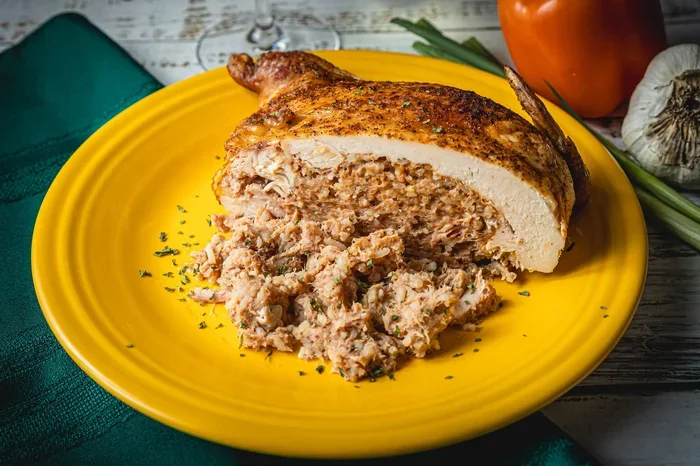
The terms are often used interchangeably, but there is a subtle difference. Stuffing is traditionally cooked inside the cavity of a turkey or bird. Dressing is cooked separately in a baking dish, like in the oven. The flavor and ingredients are very similar, but the cooking method is different.
Can I make vegetarian dressing in the oven?
Yes, making vegetarian dressing in the oven is easy. Simply use vegetable broth instead of chicken broth and skip any meat-based additions. You can add extra mushrooms, roasted vegetables, or dried fruits to create a rich, satisfying vegetarian version of your oven-baked dressing.
How do I know when my oven dressing is done?
Your dressing is done when the top is golden brown and the edges are slightly crispy. Use a food thermometer to check that the internal temperature reaches 165°F. If you insert a knife into the center, it should come out clean, not wet or doughy.
=== CONCLUSION ===
Making dressing in the oven is one of the simplest and most rewarding things you can do in the kitchen. With just a few basic ingredients and about 45 minutes, you can create a dish that is crispy on the outside, fluffy on the inside, and bursting with savory flavor.
This simple method gives you full control over the ingredients, the seasoning, and the texture. You can keep it classic with sage and onion, or get creative with sausage, mushrooms, or cranberries. Every time you make oven-baked dressing using this approach, you will get consistent, delicious results.
Now that you know how to make dressing in the oven with this straightforward method, it is time to put it into practice. Gather your ingredients, preheat the oven, and enjoy the process. Your family and guests will thank you for it. Happy baking!