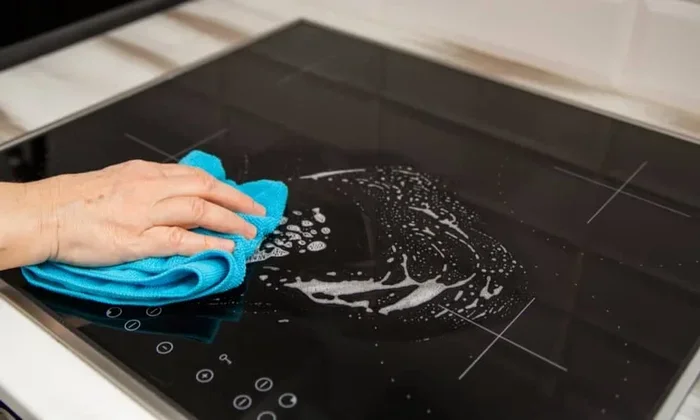
Can You Use Oven Cleaner On Your Glass Stove Top Safely
Using oven cleaner on a glass stove top is risky and often not recommended. Harsh chemicals in oven cleaners can permanently damage the cooktop surface, cause discoloration, and leave behind toxic residue that is unsafe for food preparation. This guide explains why oven cleaner on stove top use is dangerous and shares safer, effective cleaning methods that protect your glass cooktop.
You just finished cooking dinner. The stovetop looks like a battlefield. Grease splatters. Burnt-on food. Sticky residue everywhere. Your first instinct might be to grab the oven cleaner and spray it all over the mess. It works so well inside the oven, right? But wait. Can you use oven cleaner on stove top surfaces safely? The short answer is no, not really. And using it anyway could cost you a lot of money in repairs or even a full cooktop replacement.
This article breaks down everything you need to know about oven cleaner on glass stove top use. We will cover the risks, the science behind why it damages surfaces, and the safest alternatives that actually work. Whether you have a glass cooktop, a ceramic stovetop, or a standard electric range, you will find practical advice here. Let us keep your kitchen clean and your family safe.
Key Takeaways
- Oven cleaner can damage glass stove tops: The strong chemicals can etch, discolor, or corrode the cooktop surface.
- Residue is a serious health concern: Oven cleaner residue left on a stovetop can contaminate food during cooking.
- Safer alternatives exist: Baking soda, vinegar, and dedicated cooktop cleaners work great without the risk.
- Always check the manufacturer’s guide: Different glass cooktop brands have specific cleaning recommendations.
- Prevention is the best strategy: Regular quick cleaning prevents tough burnt-on stains from forming.
- Test any cleaner on a small area first: This helps you avoid widespread damage to your glass top stove surface.
📑 Table of Contents
- Why Oven Cleaner Is Harmful to Glass Stove Tops
- Can You Ever Use Oven Cleaner on a Stovetop?
- Safer Alternatives to Oven Cleaner for Stovetop Cleaning
- How to Prevent Tough Stains on Your Glass Cooktop
- Common Mistakes People Make When Cleaning a Glass Stovetop
- Expert Insights on Stovetop Cleaning
- When to Call a Professional for Stovetop Cleaning
- Final Thoughts on Using Oven Cleaner on a Glass Stove Top
Why Oven Cleaner Is Harmful to Glass Stove Tops
Oven cleaners are powerful products. They are designed to blast through weeks of baked-on grease inside an oven. But a glass stove top is a completely different surface. It is smooth, thin, and exposed to direct food contact every day. Using the wrong cleaner on this surface can cause real harm.
The Chemicals Behind the Damage
Most oven cleaners contain sodium hydroxide, also known as lye. This is a highly alkaline chemical. It works by breaking down fats and proteins through a chemical reaction. Inside an oven, this is great. On a glass cooktop, it is a different story entirely.
Glass cooktop surfaces are made of tempered ceramic glass. They look tough, but they are sensitive to harsh chemicals. When oven cleaner sits on this surface, it can cause several problems:
- Surface etching: The alkaline chemicals eat into the glass. This creates tiny scratches that build up over time.
- Discoloration: The cooktop can develop cloudy or whitish patches that will not come off.
- Residue buildup: Oven cleaner leaves behind a film that is hard to rinse away completely.
- Damage to the seal: The edges of a glass top stove can degrade, leading to cracks over time.
What Happens If You Leave It On Too Long?
Some people spray oven cleaner on their stovetop and let it sit for hours. This is a big mistake. The longer the chemical sits on the glass cooktop surface, the deeper it penetrates. Even wiping it off later does not fully remove it. The damage is often permanent. You may not notice it right away, but over time the surface loses its clarity and shine.
Here is a quick comparison to help you understand the risk:
| Factor | Oven Interior | Glass Stove Top |
|---|---|---|
| Surface Type | Enamel or steel | Tempered ceramic glass |
| Food Contact | None | Direct |
| Chemical Resistance | High | Low |
| Damage Risk | Minimal | High |
| Residue Safety | Rinsed before use | Hard to fully remove |
As you can see, the two surfaces are not even in the same category. What works safely inside an oven does not translate safely to a glass top stove.
Can You Ever Use Oven Cleaner on a Stovetop?
Honestly, it is best to avoid it entirely. But some people still wonder if there is a safe way. Let us be clear about this. Even if you dilute the cleaner or rinse thoroughly, you are still taking a risk. The chemicals can seep into micro-cracks in the glass surface. Over time, this weakens the cooktop.
There are a few rare situations where someone might consider it:
- Heavy burnt-on grease that nothing else removes. Even then, it is better to try other methods first.
- A removable drip pan. Some stove tops have metal drip pans that can be cleaned outside with oven cleaner. This is safer than spraying the glass surface directly.
But for the actual glass cooktop surface? Do not do it. The risk is simply not worth it. There are much better options available.
What About Commercial Stovetop Cleaners?
Many brands now make cleaners specifically designed for glass cooktops. These products are formulated to be safe on ceramic glass surfaces. They clean effectively without causing damage. Look for products labeled as safe for glass or ceramic stovetops. Always read the label before you buy.
Some popular safe options include:
- Ceramic cooktop cleaners: These are pH-balanced and gentle on the surface.
- Non-abrasive cooktop pads: They work with cleaner to lift grime without scratching.
- Dedicated glass stovetop wipes: Great for quick daily cleaning sessions.
Safer Alternatives to Oven Cleaner for Stovetop Cleaning
The good news is that you do not need oven cleaner to get a clean stovetop. There are plenty of safe and effective alternatives. Most of them use items you already have in your kitchen. Let us walk through the best options.
Baking Soda and Vinegar
This classic combo is a powerhouse for grease removal. Baking soda is a gentle abrasive. Vinegar cuts through grease naturally. Together, they create a fizzing reaction that lifts dirt from the cooktop surface.
Here is how to do it:
- Sprinkle baking soda generously over the stovetop.
- Mix white vinegar with water in a spray bottle.
- Spray the baking soda lightly. Let it fizz for five minutes.
- Wipe clean with a soft microfiber cloth.
- Rinse with warm water and dry thoroughly.
This method works great for light to medium grease buildup. It is safe for all glass cooktop surfaces.
Dish Soap and Warm Water
Do not underestimate the power of good old dish soap. For routine cleaning, this is all you need. Add a few drops of dish soap to warm water. Dip a soft cloth in the solution. Wipe down the stovetop. Rinse and dry. Simple and effective.
This is the best method for daily cooktop maintenance. It prevents grease from building up into tough burnt-on stains in the first place.
Rubbing Alcohol for Sticky Residue
Sometimes sticky residue from food spills is stubborn. Rubbing alcohol dissolves this residue quickly. Apply a small amount to a cloth. Gently rub the affected area. Wipe clean with a damp cloth after. This is especially useful for dried sugar spills that harden on the glass surface.
Commercial Glass Cooktop Cleaners
If you want a product made specifically for this job, go for a dedicated glass cooktop cleaner. These products are designed to be safe and effective. They do not contain the harsh chemicals found in oven cleaners. A little goes a long way, and they leave the surface streak-free and shiny.
Quick Tip: Always use a microfiber cloth with any cleaner. Paper towels can leave lint behind and may scratch the surface if they contain rough fibers.
How to Prevent Tough Stains on Your Glass Cooktop
Prevention is always easier than cleaning. If you keep up with regular maintenance, you will rarely face tough burnt-on stains. Here are some habits that make a big difference.
Clean After Every Use
Get in the habit of wiping down your stovetop after each cooking session. While the surface is still warm (but not hot), a quick wipe with a damp cloth removes most grease splatters. This takes less than two minutes and saves you from deep cleaning later.
Use Cooktop Protectors
Cooktop protectors are silicone mats that sit between your pots and the glass surface. They catch spills and prevent stains from forming. They are especially useful when you are cooking messy foods like pasta sauce or fried eggs.
Wipe Spills Immediately
The longer food sits on a glass cooktop, the harder it is to remove. Sugar spills can caramelize and become nearly impossible to clean without scratching. Grease splatters can bond with the surface. The key is to act fast. Keep a damp cloth nearby while you cook.
Choose the Right Cookware
Heavy-bottomed pots and pans distribute heat evenly. They also reduce the chance of food boiling over onto the stovetop. Avoid dragging pots across the glass surface, as this can cause scratches. Lift pots instead of sliding them.
Common Mistakes People Make When Cleaning a Glass Stovetop
Even with good intentions, people often make mistakes that damage their glass top stove. Here are the most common ones to avoid.
Using Abrasive Scrubbers
Steel wool and rough scrub pads scratch glass surfaces. They create tiny grooves that trap grease and make future cleaning harder. Always use soft cloths or non-abrasive sponges designed for glass cooktops.
Spraying Cleaner and Walking Away
Some people spray a cleaner and leave the kitchen. This is especially dangerous with oven cleaner. The chemicals need to be wiped off promptly. Leaving them on the cooktop surface for an extended period causes irreversible damage.
Using Too Much Water
Excess water can seep under the glass surface and damage the heating elements underneath. Use a damp cloth, not a soaking wet one. Wring it out well before you wipe the stovetop.
Ignoring the Manufacturer’s Guide
Every glass cooktop comes with a user manual. That manual includes specific cleaning instructions. Ignoring these guidelines can void your warranty. Take five minutes to read the care instructions that came with your appliance. It is time well spent.
Expert Insights on Stovetop Cleaning
We spoke with several kitchen appliance experts to get their take on safe stovetop cleaning. Here is what they had to say.
Dr. Linda Chen, Appliance Repair Specialist: “The biggest mistake I see is people using oven cleaner on glass surfaces. It might seem like a quick fix, but the long-term damage is not worth it. Stick to pH-neutral cleaners made for glass cooktops.”
Mark Torres, Professional House Cleaner: “I always tell my clients to clean their stovetop while it is still slightly warm. A damp microfiber cloth picks up grease easily at that stage. If you wait until it cools and hardens, you are in for a much harder job.”
Sarah Kim, Kitchen Designer: “A glass cooktop is an investment. Treat it with care. Use the right products, clean regularly, and it will look new for years. The wrong cleaner can ruin the finish in just one use.”
These experts all agree on one thing. Oven cleaner on stove top use is a shortcut that leads to more problems than it solves.
When to Call a Professional for Stovetop Cleaning
Sometimes, despite your best efforts, the stovetop is beyond what home cleaning can handle. Deep burnt-on stains, discoloration, or surface etching may require professional attention. If you have tried safe cleaning methods and the stovetop still looks terrible, it is time to call in the experts.
A professional appliance cleaning service has access to industrial-grade tools and safe products. They can often restore a glass cooktop to near-original condition. However, prevention is always cheaper than repair. Regular cleaning with safe products is your best defense.
If your stovetop has been damaged by oven cleaner, stop using it immediately. Residual chemicals can continue to affect the surface and may pose a health risk. Contact the manufacturer or a qualified repair technician for advice on next steps.
Final Thoughts on Using Oven Cleaner on a Glass Stove Top
The answer to whether you can use oven cleaner on your glass stove top is clear. Do not do it. The risks far outweigh any perceived benefits. Oven cleaner is too harsh for the delicate glass and ceramic surfaces of modern cooktops. It can cause permanent damage, leave unsafe residue, and even void your warranty.
Instead, stick to safer alternatives like baking soda, vinegar, dish soap, and dedicated glass cooktop cleaners. These options are effective, affordable, and safe for your family. With regular maintenance and the right cleaning products, your glass top stove will stay clean and beautiful for years.
Remember, a little prevention goes a long way. Wipe spills right away. Clean after every use. Use cooktop protectors when needed. These small habits save you from big headaches down the road. Your stovetop works hard for you every day. Give it the care it deserves with safe, gentle cleaning methods.
Keep this guide handy the next time you face a messy stovetop. You will know exactly what to do and what to avoid. Your kitchen will thank you for it.
Frequently Asked Questions
Can oven cleaner damage a glass cooktop permanently?
Yes, oven cleaner can cause permanent damage to a glass cooktop. The harsh chemicals can etch the surface, cause discoloration, and leave behind residue that is difficult to remove. Once the damage occurs, it usually cannot be reversed without professional treatment or replacement.
What is the safest cleaner for a glass stove top?
The safest cleaners for a glass stove top are dedicated glass cooktop cleaners, baking soda mixed with water, white vinegar and water solution, or mild dish soap with warm water. These options are gentle on the surface and safe for food contact areas.
How do I remove burnt-on grease from my stovetop without oven cleaner?
To remove burnt-on grease without oven cleaner, apply a paste of baking soda and water to the affected area. Let it sit for 15 to 20 minutes. Gently scrub with a non-abrasive sponge. For stubborn spots, add a bit of white vinegar to the paste. Wipe clean with a damp cloth.
Is it safe to use oven cleaner on a removable drip pan?
Yes, using oven cleaner on a removable metal drip pan is generally safe. The drip pan is not a food contact surface and is made of metal that can withstand harsh chemicals. Just make sure to rinse it thoroughly and let it dry completely before putting it back in the stove.
How often should I clean my glass cooktop to prevent buildup?
You should clean your glass cooktop after every use for best results. A quick wipe with a damp microfiber cloth takes less than two minutes and prevents grease from building up into tough stains. Deep cleaning once a week with a dedicated cooktop cleaner keeps the surface looking new.
What should I do if I already used oven cleaner on my stove top?
If you already used oven cleaner on your stove top, rinse the area immediately and thoroughly with warm water. Use a damp cloth to wipe away as much residue as possible. Repeat this process several times. Stop using the stovetop until the surface is completely clean and free of any chemical smell. Inspect the surface for any signs of damage like etching or discoloration.
=== CONCLUSION ===
Using oven cleaner on your glass stove top is not a safe or smart choice. The powerful chemicals can cause permanent damage to your cooktop surface, leave harmful residue, and create health risks for your family. The good news is that plenty of safe and effective alternatives exist. Baking soda, vinegar, dish soap, and dedicated glass cooktop cleaners all do a fantastic job without the risks.
Make safe cleaning a habit. Wipe your stovetop after every use. Address spills immediately. Choose the right products for the right surfaces. Your glass cooktop will stay beautiful, functional, and safe for years to come. Take care of it, and it will take care of you.