How To Cook Small Potatoes In Oven For Crispy Results
Discover the best way to cook small potatoes in oven for crispy, golden results every time. This guide covers temperature settings, seasoning blends, timing tips, and common mistakes to avoid. Whether you love roasted baby potatoes, crispy garlic potatoes, or herb-seasoned oven potatoes, you will find everything you need here. Follow our simple steps and elevate your side dishes tonight.
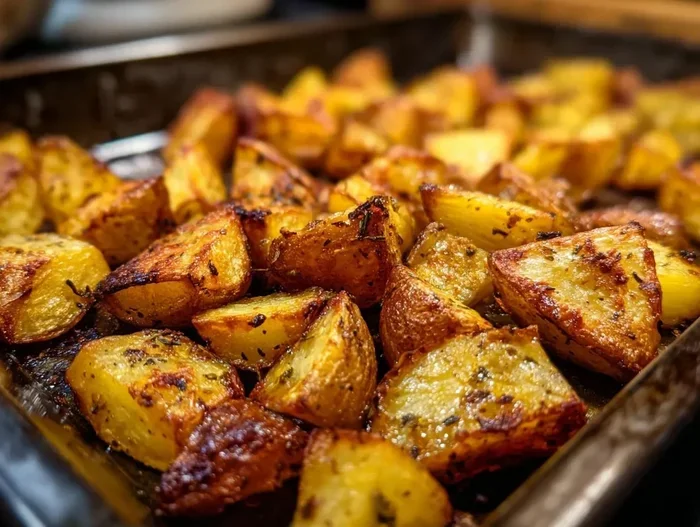
There is something truly satisfying about how to cook small potatoes in oven and pulling out a tray of golden, crispy bites. Whether you are meal prepping for the week or hosting a dinner party, oven-baked small potatoes never disappoint. They pair with almost any protein, work as a standalone snack, and fill your kitchen with an irresistible aroma.
If you have ever wondered why your roasted potatoes come out soft or uneven, the answer usually comes down to technique. Temperature, timing, seasoning, and how you prepare the potatoes before they hit the oven all matter. In this guide, we will walk you through every step to get crispy roasted small potatoes that turn heads at the table.
Roasted baby potatoes are one of the most versatile side dishes you can make. They work with breakfast, lunch, or dinner. Once you master this method, you will never go back to boiling or microwaving again. Let us dive in and make the best oven-baked potatoes you have ever tasted.
Key Takeaways
- Perfect Temperature: Roast small potatoes at 400-425°F for crispy exteriors and fluffy interiors.
- Parboiling Is Key: Boiling potatoes briefly before roasting creates that signature crispy crust.
- Seasoning Matters: Olive oil, garlic, rosemary, and paprika transform simple potatoes into a crowd favorite.
- Don’t Crowd the Pan: Spread potatoes in a single layer for even cooking and maximum crispiness.
- Timing Is Flexible: Small potatoes typically roast in 25-35 minutes depending on size and method.
- Foil vs. No Foil: Skip the foil for crispier skin; use foil only if you prefer softer results.
- Fresh Herbs Shine: Adding herbs like thyme and rosemary at the end preserves their flavor and aroma.
📑 Table of Contents
- Why Oven-Roasted Small Potatoes Are So Good
- Best Potatoes to Use for Oven Roasting
- Step-by-Step Guide: How To Cook Small Potatoes In Oven
- Temperature and Timing Guide for Small Potatoes
- Seasoning Ideas and Flavor Combinations
- Common Mistakes to Avoid When Roasting Potatoes
- Expert Tips for Next-Level Crispy Potatoes
- Serving Suggestions and Pairings
- Storing and Reheating Leftover Potatoes
- Conclusion
Why Oven-Roasted Small Potatoes Are So Good
Oven roasting brings out the natural sweetness in potatoes. The dry heat caramelizes the exterior while keeping the inside soft and fluffy. Unlike boiling, which can wash away flavor, roasting locks in every bit of taste. This is why crispy roasted potatoes have become a kitchen staple for home cooks everywhere.
Small potatoes are ideal for roasting because they cook evenly. You do not need to cut them into wedges or chunks. Their thin skin crisps up beautifully, and the creamy interior balances the crunchy outside perfectly. Whether you choose baby potatoes, fingerling potatoes, or any small variety, the oven does most of the work for you.
The Science Behind Crispy Potatoes
When potatoes roast at high heat, the starches on the surface gelatinize and then caramelize. This creates that golden, crunchy shell everyone loves. The key is to remove excess moisture before the potatoes go into the oven. This is why many chefs recommend parboiling potatoes before roasting. It partially cooks the inside and dries the surface, leading to better crispiness.
Another factor is the fat you use. Olive oil for roasted potatoes creates a thin, even coating that conducts heat efficiently. Too little oil and the potatoes dry out. Too much and they steam instead of roast. Finding that balance is essential for perfect golden brown potatoes.
Best Potatoes to Use for Oven Roasting
Not all potatoes are created equal when it comes to roasting. Some varieties hold their shape better, while others develop a creamier texture. Here is a quick look at the best options for oven-baked small potatoes.
Baby Potatoes (New Potatoes)
Baby potatoes are the go-to choice for most people learning how to cook small potatoes in oven. They are small, round, and have thin, delicate skin. Red baby potatoes and yellow baby potatoes roast beautifully and hold their shape well. Their creamy texture and mild flavor make them perfect for seasoning blends.
Fingerling Potatoes
Fingerling potatoes are elongated and slender, with a firm, waxy texture. They roast evenly and develop a gorgeous golden color. Their nutty, buttery flavor makes them a favorite among food lovers. Rose fingerling potatoes and purple fingerling potatoes also add a stunning visual element to any dish.
Cherry Tomatoes and Potatoes Combo
While not technically potatoes, pairing cherry tomatoes with small potatoes in the oven creates a delicious side dish. The tomatoes burst and release juices that coat the potatoes. This combination works especially well with garlic and fresh herbs.
| Variety | Texture After Roasting | Best For | Roasting Time |
|---|---|---|---|
| Baby Potatoes (Red) | Crispy outside, creamy inside | General roasting, salads | 25-30 min |
| Baby Potatoes (Yellow) | Buttery, fluffy interior | Seasoned roasts, sides | 25-30 min |
| Fingerling Potatoes | Crisp skin, firm center | Elegant sides, garnishes | 20-25 min |
| Small Yukon Gold | Velvety, rich flavor | Roast dinners, comfort food | 30-35 min |
Step-by-Step Guide: How To Cook Small Potatoes In Oven
Now that you know which potatoes to choose, let us get into the actual cooking process. Follow these steps for crispy roasted small potatoes every single time.
Step 1: Choose and Wash Your Potatoes
Start by selecting small, firm potatoes without any green spots or sprouts. Wash them thoroughly under cold running water. Use a vegetable brush if needed to remove dirt. Pat them completely dry with a clean towel. Moisture is the enemy of crispiness, so make sure the surface is as dry as possible.
Step 2: Parboil for Crispiness
Bring a pot of salted water to a boil. Add the potatoes and cook for 5-7 minutes. You want them to be just slightly tender, not fully cooked. Drain them well and let them sit for a few minutes. This step is crucial for achieving that crispy potato crust. Some people also poke small holes with a fork to help the heat penetrate evenly.
Step 3: Season Generously
Toss the parboiled potatoes with olive oil and your favorite seasonings. Here are some popular potato seasoning ideas:
- Classic Garlic and Herb: Olive oil, minced garlic, rosemary, thyme, salt, and pepper
- Spicy Paprika Blend: Olive oil, smoked paprika, cumin, chili flakes, garlic powder, salt
- Ranch Style: Olive oil, ranch seasoning mix, dried dill, garlic powder, onion powder
- Simple and Clean: Olive oil, flaky sea salt, black pepper, fresh parsley
- Mediterranean: Olive oil, lemon zest, oregano, black olives, cherry tomatoes
Step 4: Arrange on the Baking Sheet
Spread the potatoes in a single layer on a parchment-lined baking sheet. Do not overcrowd the pan. When potatoes touch or stack, they steam instead of roast, and you lose all that crispiness. Use two baking sheets if you need more space. This single tip alone can transform your oven roasted potatoes from average to amazing.
Step 5: Roast at the Right Temperature
Preheat your oven to 400-425°F. Place the baking sheet on the middle rack. Roast for 25-35 minutes, flipping the potatoes halfway through. The exact potato cooking time depends on the size of your potatoes and how crispy you like them. Check them at the 20-minute mark and adjust accordingly.
Step 6: Serve and Enjoy
Once the potatoes are golden brown and crispy on the outside, remove them from the oven. Let them rest for 2-3 minutes. Garnish with fresh herbs like parsley or chives. Serve immediately while they are still warm and crunchy.
Temperature and Timing Guide for Small Potatoes
Getting the temperature right is one of the most important factors in how to cook small potatoes in oven. Too low and they turn out pale and soft. Too high and the outside burns before the inside cooks through. Here is a detailed guide to help you nail the timing every time.
Recommended Oven Temperatures
400°F (200°C) is the sweet spot for most small potatoes. It provides enough heat to crisp the exterior without burning. If you prefer extra crispy results, go up to 425°F (220°C). For a slower, more hands-off approach, 375°F (190°C) works well but adds 5-10 minutes to the cooking time.
Timing Based on Potato Size
- Very small (1 inch): 20-25 minutes at 425°F
- Small (1.5-2 inches): 25-30 minutes at 400°F
- Medium small (2-2.5 inches): 30-35 minutes at 400°F
- With parboiling: Reduce total time by 5-8 minutes
Quick Tips for Perfect Timing
- Always preheat your oven before adding the potatoes
- Flip the potatoes once halfway through for even browning
- Use a fork to test doneness; it should slide in easily
- Remove potatoes when they are slightly darker than you want; they firm up as they cool
- Convection ovens cook faster, so reduce time by 5 minutes
Seasoning Ideas and Flavor Combinations
The beauty of roasted small potatoes is that they pair with almost any flavor profile. Whether you prefer savory, spicy, or herby, there is a seasoning blend that works perfectly.
Savory Classics
Garlic and rosemary is the timeless combination for a reason. The earthy rosemary complements the natural sweetness of potatoes, while garlic adds depth and aroma. Add a sprinkle of flaky sea salt right after roasting for a restaurant-quality finish. Freshly cracked black pepper and a drizzle of good olive oil round out this simple yet impressive side dish.
Spicy and Bold
For those who love heat, try a blend of smoked paprika, cayenne pepper, garlic powder, and a pinch of brown sugar. The sugar helps with caramelization while the spices create a complex, smoky flavor. Cumin and chili powder also work wonderfully for a southwestern twist.
Fresh Herb Finishes
Add delicate herbs like fresh thyme, chives, or dill after roasting. Heat destroys the volatile oils in fresh herbs, so adding them at the end preserves their bright, vibrant flavor. A squeeze of lemon juice over the finished potatoes brightens everything up.
Common Mistakes to Avoid When Roasting Potatoes
Even experienced cooks make mistakes when roasting potatoes. Knowing what to avoid saves time and prevents disappointing results.
Skipping the Parboil
Some people skip parboiling to save time, but this often leads to unevenly cooked potatoes with tough outsides and hard insides. If you want crispy roasted small potatoes with a perfectly cooked interior, do not skip this step.
Overcrowding the Pan
Overcrowding is the number one mistake people make. When potatoes sit too close together, they steam instead of roast. The result is soggy, pale potatoes with no crispy edges. Give each potato enough space. Use two pans if you must.
Using Too Much Oil
More oil does not mean more crispiness. Excess oil causes the potatoes to fry in their own moisture, leading to greasy results. A light, even coating is all you need. Use about one tablespoon of olive oil per pound of potatoes.
Not Drying the Potatoes
After washing or parboiling, always dry the potatoes thoroughly. Water on the surface creates steam in the oven, which prevents crispiness. Pat them with a towel and let them air-dry for a few minutes before seasoning.
Expert Tips for Next-Level Crispy Potatoes
Want to take your oven-baked potatoes to the next level? These expert tips make a huge difference.
Use a Wire Rack
Placing potatoes on a wire rack set over a baking sheet allows air to circulate underneath. This promotes even browning on all sides and prevents the bottoms from getting soggy. It is a simple trick that professional kitchens use every day.
Add Salt Before Roasting
Salting the potatoes before they go into the oven draws out moisture, which then evaporates and helps create a crispier surface. This technique, often called dry brining, works wonders for crispy potato wedges and roasted bites alike.
Finish with a Fresh Herb Butter
For an extra touch of luxury, melt some butter with fresh herbs and toss the hot potatoes in it right after they come out of the oven. The residual heat melts the butter and helps the herbs stick. This turns simple roasted baby potatoes into a gourmet side dish.
Soak for Extra Crispiness
Soaking parboiled potatoes in cold water for 30 minutes removes excess surface starch. Less starch means less sticking and more crispiness. Drain and dry them thoroughly before seasoning and roasting.
Serving Suggestions and Pairings
Crispy oven-roasted potatoes go with almost everything. Here are some serving ideas to inspire your next meal:
- With grilled chicken: A classic combination that works for weeknight dinners
- With steak: Rich steak pairs perfectly with herbed roasted potatoes
- With salmon: Light, healthy, and full of flavor
- As a breakfast side: Serve alongside eggs and toast for a hearty morning meal
- In a salad: Toss warm roasted potatoes with greens, feta, and vinaigrette
- With roasted vegetables: Combine with carrots, zucchini, and bell peppers for a complete tray
Storing and Reheating Leftover Potatoes
If you have leftover oven-baked small potatoes, store them in an airtight container in the refrigerator. They keep well for up to 3-4 days. To reheat, spread them on a baking sheet and warm at 375°F for 10-15 minutes. This restores the crispiness better than microwaving. Avoid storing potatoes with moisture-heavy sauces or dressings, as this makes them soggy.
Conclusion
Learning how to cook small potatoes in oven opens up a world of delicious possibilities. From crispy roasted baby potatoes to herb-seasoned fingerlings, this simple cooking method delivers consistent, satisfying results every time. The key is to parboil, season well, spread them out, and roast at the right temperature.
With the tips, seasoning ideas, and timing guide in this article, you now have everything you need to make perfect oven-baked potatoes at home. Whether you are cooking for yourself or feeding a crowd, crispy roasted small potatoes will always be a hit. So preheat your oven, grab a bag of small potatoes, and get ready to enjoy one of the easiest and most delicious sides you will ever make.
Frequently Asked Questions
Can I cook small potatoes in oven without parboiling?
Yes, you can skip parboiling, but the potatoes may take longer to cook and might not be as crispy on the outside. Parboiling helps create a golden, crunchy crust while ensuring the inside cooks through evenly. If you do skip it, cut the potatoes into smaller pieces and increase the roasting time by about 10 minutes.
What is the best oil to use for roasting small potatoes?
Olive oil is the most popular choice for roasting potatoes because it has a great flavor and a high smoke point. You can also use avocado oil or melted butter for different flavor profiles. Avoid using coconut oil for roasting, as it can overpower the natural taste of the potatoes.
How do I know when small potatoes are done in the oven?
Poke the potatoes with a fork or knife. They should slide in easily with no resistance. The outside should be golden brown and crispy, and the inside should be soft and fluffy. Most small potatoes take between 25 and 35 minutes at 400°F, but always check at the 20-minute mark.
Can I roast small potatoes on a sheet pan with other vegetables?
Absolutely! Roasted potatoes pair well with carrots, onions, bell peppers, and zucchini. Just make sure all the vegetables are cut into similar sizes so they cook at the same rate. Add vegetables that take longer to cook first, and add quicker-cooking ones halfway through.
Why are my roasted potatoes not crispy?
The most common reasons are overcrowding the pan, not drying the potatoes before roasting, using too much oil, or skipping the parboil step. Make sure the potatoes are spread in a single layer, pat them dry, use just enough oil to coat them lightly, and consider parboiling for 5-7 minutes before seasoning and roasting.
Can I prepare small potatoes in oven ahead of time?
Yes, you can parboil and season potatoes ahead of time, then roast them just before serving. Store the parboiled, seasoned potatoes in the refrigerator for up to 24 hours. When ready to roast, spread them on the pan and bake as directed. Reheating already-roasted potatoes works best in the oven at 375°F for 10-15 minutes.