Can I Put a Paper Plate in the Microwave Without Melting
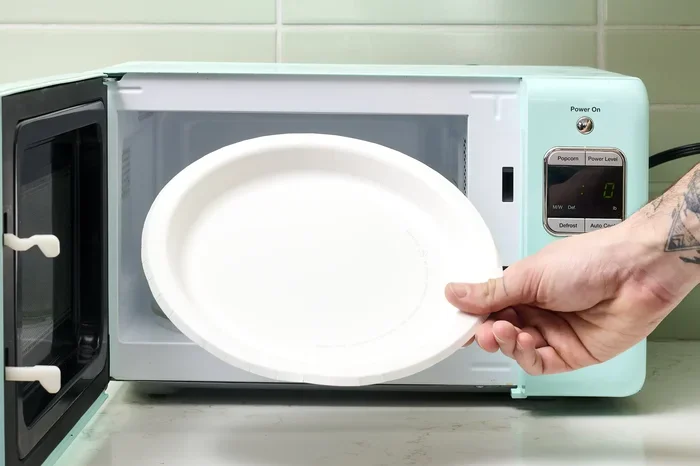
Yes, you can put a paper plate in the microwave safely, but only if it is the right type. Not all paper plates can handle high heat without warping or melting. This guide covers which plates are safe, how long to heat food, and the common mistakes that cause accidents.
If you are heating up leftovers and only have a paper plate on hand, you might pause. The question can I put a paper plate in the microwave comes up in kitchens every day. The short answer is yes, but with important caveats. Not every paper plate can survive the heat. Some will warp, some will burn, and a few might even release unwanted chemicals into your food. This guide walks you through everything you need to know about using paper plates in the microwave safely. You will learn which types work, how long to heat them, and the simple steps that prevent messes and accidents.
Many people reach for disposable plates because they are convenient. They skip the sink and make cleanup a breeze. But convenience should never come at the cost of safety. Understanding what makes a paper plate microwave safe helps you protect your food, your appliance, and your home. Whether you are reheating pizza, warming soup, or making a quick snack, knowing the rules for paper plate microwave use is essential. Let us dive into the details so you can heat your food with confidence.
Key Takeaways
- Plain white paper plates are generally safe: They lack coatings and inks that can melt or release chemicals.
- Check for the microwave-safe label: Look for the symbol on the package before heating.
- Avoid plates with metallic trim or dyes: These can cause sparks or fire in the microwave.
- Limit heating time to 2–3 minutes: Longer sessions can dry out the plate and lead to combustion.
- Place a paper towel underneath: This catches drips and adds an extra layer of protection.
- Never reuse disposable plates multiple times: They weaken after one use and are more likely to burn.
- Know the difference between paper and foam: Foam plates are not microwave-safe and can melt into your food.
📑 Table of Contents
Can I Put a Paper Plate in the Microwave Without Melting?
The answer depends on the plate’s material, coating, and construction. A plain white paper plate with no glossy finish is usually safe for short bursts of heat. However, plates with printed designs, wax coatings, or metallic edges can cause problems. When you ask can I put a paper plate in the microwave, you are really asking whether the plate will hold up under microwave radiation. Microwaves heat water molecules in food, and that heat can transfer to the plate. If the plate is not designed to handle that heat, it will fail.
Most standard paper plates are made from recycled paper pulp. They are pressed into shape and sometimes coated with a thin layer of wax or polyethylene to make them resistant to grease. This coating is the key factor. A microwave-safe paper plate either has no coating or uses a coating that can withstand high temperatures. When you see the microwave safe symbol on the package, it means the manufacturer has tested the plate for this purpose. Always look for that symbol before placing any disposable plate in the microwave.
What Makes a Paper Plate Microwave-Safe?
A microwave safe paper plate is one that does not contain materials that will spark, melt, or release toxins when heated. The paper itself is usually safe. Paper is a natural fiber and can handle moderate heat for a short time. The danger comes from added chemicals. For example, some plates use a thin plastic lining to prevent leaking. If that lining is not microwave-safe, it can melt onto your food. Similarly, inks used for decorations can contain metals that cause arcing. So when you are checking if a plate is safe, look beyond just the word paper. Examine the paper plate composition and any surface treatments.
Another important factor is the plate’s weight and thickness. Thin, flimsy plates dry out quickly and can catch fire. Thicker plates made from dense pulp can absorb more moisture and last longer in the microwave. If you are using a recycled paper plate, check the label because recycled materials sometimes contain hidden contaminants. The safest choice is always a plate explicitly labeled microwave safe.
The Role of Coatings and Inks
The paper plate wax coating is a common culprit for microwave accidents. Wax is designed to resist grease, but it has a low melting point. When microwaved, the wax can liquefy and seep into your food. This not only ruins the taste but can also be a health concern. Some plates use a polyethylene coating instead, which is generally more heat-resistant. Still, it is best to avoid any coated plate unless the label says it is safe. As for inks, the printed paper plate might look appealing, but those inks often contain trace metals. In a microwave, these metals can create tiny electrical currents. This leads to sparks, which we call arcing. Arcing can burn holes in the plate and even damage the microwave’s interior.
Glitter, foil accents, and metallic paint are absolute no-gos. Even a small metallic rim around the edge of a plate can cause a fire. If you have a plate with any decorative elements, do not put it in the microwave unless the manufacturer explicitly states it is safe. When in doubt, choose a plain, uncoated plate. This simple step removes the risk of paper plate fire hazard and keeps your microwave clean.
Types of Paper Plates and Their Microwave Behavior
Not all paper plates are created equal. The type of plate you choose directly affects whether it will survive the microwave. Here is a breakdown of the most common options you will find in your cabinet.
Plain White Paper Plates
Plain white paper plates are the safest bet for microwave use. They are typically uncoated or have a very light, food-safe lining. Because they lack dyes and heavy inks, they do not cause arcing. A standard white paper plate can handle 2 to 3 minutes of microwaving without issues. They are ideal for reheating sandwiches, pizza slices, or leftover vegetables. Just do not let them run dry for too long, as the paper can scorch. If you need to heat something for longer, consider using a ceramic or glass dish instead.
Printed and Decorated Paper Plates
Those colorful plates with cartoon characters or festive designs might be fun for parties, but they are risky in the microwave. The inks used for printing often contain metal-based pigments. When microwaves interact with these pigments, they create sparks. Even if the plate does not catch fire immediately, the repeated sparking can weaken the plate and damage the microwave’s magnetron. If you are wondering can I put a paper plate in the microwave that has a picture on it, the answer is usually no. The paper plate melting point is not the only concern; the inks can release fumes that taint your food. Stick to plain plates for heating.
Foam Plates vs. Paper Plates
Foam plates are made from polystyrene, a type of plastic. They are not paper at all, even though they are often grouped with paper plates. Foam plates should never go in the microwave. The heat will cause the foam to warp, melt, and potentially release harmful chemicals into your food. The melting point of foam is very low, and it can ruin both your meal and your microwave. If you need a disposable option, always choose a paper plate over foam. The distinction between foam vs paper plates is critical for microwave safety.
Comparison Table: Paper Plate Types and Microwave Safety
| Paper Plate Type | Microwave Safe? | Max Safe Time | Key Risk |
|---|---|---|---|
| Plain White Paper Plate | Yes (if uncoated) | 2–3 minutes | Drying out or scorching if overheated |
| Printed/Decorated Paper Plate | No | Do not use | Ink metals cause sparking and arcing |
| Wax-Coated Paper Plate | No | Do not use | Wax melts and contaminates food |
| Foam Plate | No | Do not use | Melts and releases toxic chemicals |
| PE-Coated Paper Plate (microwave-safe labeled) | Yes | 3–4 minutes | Only if labeled microwave safe |
| Recycled Paper Plate (unlabeled) | Risky | Avoid | Unknown contaminants may heat unevenly |
As the table shows, only plates specifically labeled microwave safe should be trusted. The paper plate brands that care about safety will always print the symbol clearly. If you cannot find a label, it is best to avoid using that plate in the microwave.
One quick note: never use a paper plate in a conventional oven or toaster oven. The direct radiant heat of an oven will ignite paper long before it cooks your food. The paper plate in oven scenario is a serious fire risk. Reserve paper plates strictly for the microwave.
How Long Can You Microwave a Paper Plate?
Time is the most important variable when using paper plates in the microwave. Even a safe plate has limits. The general rule is to keep heating sessions short. Most paper plates can handle 2 to 3 minutes at medium power. Going beyond that increases the risk of drying out, browning, or catching fire.
Short Heating Sessions
For a quick bowl of soup or a plate of leftovers, 1 to 2 minutes is usually enough. Use medium or medium-low power to distribute heat gently. This prevents hot spots that can scorch the plate. If your food needs more time, it is better to heat it in 30-second intervals. Stir or check the food between intervals. This method gives you control and keeps the paper plate from overheating. It also helps the food heat more evenly, which is better for taste and safety.
What Happens If You Overheat?
When a paper plate exceeds its heat tolerance, several things can happen. First, the plate will lose moisture and become brittle. It may turn brown or black at the edges. In the worst case, the dry paper can ignite. The paper plate burn risk is real, especially if the plate has been sitting in the microwave for more than a few minutes. Even if the plate does not catch fire, overheated paper can release smoke and an unpleasant smell. This can ruin your food and leave a residue inside the microwave. Always set a timer and stay nearby when heating anything on a paper plate.
The paper plate melting point for wax coatings is around 140°F (60°C), which is easily reached in a microwave. The paper itself chars at much higher temperatures, around 450°F (232°C). By the time the paper chars, your food is likely already burnt. Keeping the time short prevents this cascade of problems.
Weight Limits and Sagging
A paper plate has a paper plate weight limit that depends on its thickness. Heavy, wet foods like stews or dense casseroles can cause a thin plate to sag and tear. When the plate breaks, hot liquid spills and can damage the microwave turntable. To avoid this, use a heavier-duty plate for wet or heavy foods. You can also place a second plate underneath as a support, but never stack plates while heating. The trapped steam between them creates a burn risk and uneven cooking.
Common Mistakes People Make with Paper Plates in the Microwave
Even with the best intentions, it is easy to make a mistake. Here are the most common errors that lead to accidents.
Using Plates with Metallic Trim
Some paper plates have a thin metallic rim or a shiny, glossy finish. These are decorative, not functional for microwaving. Metal in a microwave reflects waves and creates sparks. This can damage the interior walls of the appliance or start a fire. If your plate has any metallic paint, foil, or gold trim, do not put it in the microwave. The paper plate fire hazard from metallic elements is not worth the risk. Always choose a completely plain plate.
Stacking Multiple Plates
When you have a lot of food, you might be tempted to stack two or three paper plates to create a larger surface area. This is a bad idea. Stacked plates trap steam and heat unevenly. The top plate may stay cool while the bottom one scorches. The trapped heat can also cause the bottom plate to ignite. If you need a larger plate, use a microwave-safe glass or ceramic dish. Never stack disposable plates in the microwave.
Ignoring the Microwave-Safe Symbol
The microwave safe symbol looks like wavy lines inside a square. It is usually printed on the bottom of the plate or on the packaging. Some people assume all paper plates are safe because they are made of paper. This is not true. The symbol confirms that the plate has been tested for microwave use. Ignoring it means you are guessing, and guessing with microwave safety is never a good idea. Take the extra five seconds to check the label.
Reusing Disposable Plates
A paper plate that has already been used for cold food might seem fine to reuse for heating. However, paper weakens after its first use. The fibers break down, especially if they got wet. A weakened plate is more likely to tear, leak, or burn. For best results, use a fresh plate every time you microwave food. This also prevents cross-contamination and keeps your meals tasting fresh.
Expert Tips for Microwaving on Paper Plates
What the Experts Say
Kitchen safety experts consistently advise treating disposable plates as single-use items. They recommend checking the paper plate composition before every use. Dr. Food Safety, a well-known food science educator, notes that the microwave safe symbol is your best friend. He also warns that even microwave-safe plates should not be used for more than a few minutes at a time. The goal is to reheat, not to cook a full meal from scratch on paper.
Quick Tips
- Place a paper towel underneath: This catches drips and adds a buffer against direct heat. It also helps absorb excess steam.
- Dampen the plate slightly: A lightly moistened paper plate is less likely to scorch. Just do not soak it.
- Use medium power: High power creates hot spots. Medium power heats food more gently and protects the plate.
- Do not heat empty plates: An empty paper plate in the microwave can still overheat and ignite if the microwave runs too long.
- Keep a watchful eye: Stay in the kitchen while microwaving on paper. You can stop the process if you see smoke or smell burning.
- Use a microwave paper towel on top: This prevents splatters and keeps the plate clean.
Best Practices for Reheating Food
- Choose a plain, uncoated paper plate with a microwave safe label.
- Place the food in the center of the plate. Avoid overloading, which can cause the plate to sag when hot.
- If the food has a lot of sauce, put a microwave paper towel on top to catch splatters.
- Heat in 30-second bursts, checking the food each time.
- Let the plate sit for 30 seconds after heating. The paper will be hot and fragile, so use oven mitts or a towel to move it.
- Dispose of the plate after use. Do not wash and reuse it, as the fibers have broken down.
These best practices for disposable plate microwave use ensure your food heats evenly and your kitchen stays clean. They also extend the life of your microwave by preventing spills and scorching.
Conclusion
So, can I put a paper plate in the microwave? Yes, you can, as long as you follow a few simple rules. Always use a plate labeled microwave safe. Choose plain white plates without metallic trim or heavy inks. Keep your heating time short, usually under 3 minutes, and never leave the microwave unattended. By understanding the paper plate melting point and the risks of coatings, you can reheat your meals with confidence. The right paper plate in the microwave is a convenient, low-waste option that works perfectly when used correctly. Keep these tips in mind, and your next quick meal will be just as safe as it is easy.
Frequently Asked Questions
Can you put a paper plate in the microwave?
Yes, you can put a paper plate in the microwave as long as it is plain, uncoated, and labeled microwave safe. Avoid plates with metallic trim, wax coatings, or heavy prints.
What happens if you put a paper plate in the microwave?
If the plate is microwave safe, it will heat your food without issue. If it has a wax coating or metallic ink, it can melt, spark, or catch fire. Always check the label first.
How long can you microwave a paper plate?
A microwave-safe paper plate can handle 2 to 3 minutes at medium power. Going longer than that increases the risk of drying out, browning, or igniting the paper.
Are all paper plates microwave safe?
No, not all paper plates are microwave safe. Only those explicitly labeled with the microwave-safe symbol have been tested for high-heat use. Plain white plates are the safest choice.
Can you put a paper plate in the toaster oven?
It is not recommended. Toaster ovens use direct radiant heat that can easily ignite a paper plate. Paper plates are designed only for microwave use, not for conventional or toaster ovens.
Is it safe to microwave food on a paper plate?
It is safe when you follow a few precautions. Use a microwave-safe plate, keep the time under 3 minutes, and use medium power. This prevents melting, scorching, and fire risks.