How Long To Run Oven After Cleaning For Best Results
Running your oven after cleaning is essential for removing leftover fumes and residue. Most experts recommend heating your oven for 15 to 30 minutes after a deep clean. The exact time depends on the cleaning method you used and how strong the lingering smells are. This simple step ensures your oven is safe, fresh, and ready for your next meal.
You just spent hours cleaning your oven. Maybe you used a baking soda oven cleaner, or maybe you ran the self-cleaning oven cycle. Either way, your oven interior looks and feels spotless. But here is the thing many people miss — you are not quite done yet.
One of the most important steps in oven cleaning happens after you put the cleaner away. You need to heat the oven for a specific amount of time. This step burns off any remaining oven residue, removes stubborn oven fumes, and makes sure your oven is safe to use oven again. Skip this step, and you could end up with lingering burnt food smell or even harmful fumes floating around your kitchen.
So how long should you actually run your oven after cleaning? The answer is not always the same. It depends on what cleaning method you used, how dirty your oven was, and what type of oven you have. In this guide, we will walk you through everything you need to know. By the end, you will feel confident about your oven maintenance routine and never second-guess yourself again.
Key Takeaways
- Run your oven for 15 to 30 minutes after cleaning to burn off any remaining residue and fumes.
- The cleaning method matters — self-cleaning cycles need longer run times than manual cleaning with baking soda.
- Ventilate your kitchen while the oven runs to help remove odors faster and keep air quality safe.
- Always wipe down the oven interior before running it to prevent smoke from leftover cleaner residue.
- Check for lingering smells before cooking food, as trapped odors can affect the taste of your meals.
- Regular oven maintenance reduces the need for long cleaning sessions and keeps your oven performing well.
📑 Table of Contents
- Why Running Your Oven After Cleaning Matters
- How Long Should You Run the Oven After Cleaning
- Step-by-Step Guide to Running Your Oven After Cleaning
- Different Cleaning Methods and Their Recommended Run Times
- Common Mistakes to Avoid After Oven Cleaning
- Tips for Keeping Your Oven Fresh Between Cleanings
- Expert Insights on Post-Cleaning Oven Care
- Key Takeaways
- Conclusion
Why Running Your Oven After Cleaning Matters
Some people think oven cleaning ends the moment they wipe down the oven interior and slide the oven racks back in. But there is a crucial final step that many overlook. Running your oven after cleaning serves several important purposes that directly affect your health and cooking results.
Burning Off Chemical Residue
Even if you use a natural cleaner like baking soda, there can still be a thin layer of residue left behind. Commercial oven cleaner spray products are especially prone to leaving chemical traces. When you heat the oven, any remaining residue breaks down and evaporates. This prevents those residues from mixing with your food later.
Think of it this way. You wash a plate but do not dry it. Water spots remain. The same idea applies to your oven. The heat acts as the final rinse that ensures nothing is left behind.
Eliminating Lingering Odors
Have you ever opened your oven after cleaning and been hit with a strong chemical smell? That is the oven fumes escaping. These odors are not just unpleasant. They can also affect the taste of food you cook afterward. Running the oven at a high temperature for a set period helps vent the oven from the inside out, pushing out any trapped smells.
For those who use the self-cleaning oven feature, the odor problem is even more common. The cleaning cycle heats the oven to extremely high temperatures, which can bake on grease and food particles. This process creates smoke and strong smells. Running the oven afterward helps clear out whatever the cleaning cycle left behind.
Ensuring Safety
Safety should always come first in the kitchen. Chemical residues from oven cleaner spray can release harmful fumes when heated during cooking. By running the oven after cleaning, you make sure those chemicals are fully broken down before you use the oven for food preparation. This is especially important for families with young children or anyone with respiratory sensitivities.
How Long Should You Run the Oven After Cleaning
The short answer is between 15 and 30 minutes. But the full answer depends on several factors. Let us break it down so you know exactly what to do in every situation.
After Using a Self-Cleaning Cycle
If you used the self-cleaning oven function, you should run the oven for at least 15 to 20 minutes after the cycle finishes. The self-cleaning oven process heats the interior to around 900 degrees Fahrenheit. Once it cools down, there is often a layer of ash and residue left behind.
Here is what to do:
- Wait for the oven to cool down enough that you can safely wipe it.
- Use a damp cloth to remove the ash and loose debris from the oven interior.
- Set the oven to around 300 to 400 degrees Fahrenheit.
- Let it run for 15 to 20 minutes with the oven door slightly cracked open.
This step burns off any remaining traces and clears out the last of the oven fumes. You will know it is done when the smell completely disappears.
After Manual Cleaning With Baking Soda
Manual cleaning with a baking soda oven cleaner paste is one of the safest and most popular methods. After you scrub the oven interior and wipe everything down, you should run the oven for about 10 to 15 minutes.
The process is simple:
- Make sure all traces of the cleaning paste are removed with a damp cloth.
- Place the oven racks back in their proper positions.
- Set the oven temperature to around 250 to 300 degrees Fahrenheit.
- Let it run for 10 to 15 minutes with the door open a crack.
This gentle heat helps evaporate any moisture and ensures no cleaner residue remains. It is a quick and easy step that makes a big difference in oven odor removal.
After Using Commercial Oven Cleaners
If you used a store-bought oven cleaner spray, you need to be extra careful. These products contain strong chemicals that can be harmful if not fully removed. Run the oven for at least 20 to 30 minutes at around 300 degrees Fahrenheit.
Make sure you have thoroughly wiped down all surfaces before turning the oven on. Any leftover cleaner can smoke or release fumes when heated. The longer run time gives the heat enough time to fully break down and disperse any remaining chemical traces.
Factors That Affect Run Time
Not every oven cleaning situation is the same. Several factors can change how long you need to run your oven afterward:
- How dirty the oven was — A heavily soiled oven needs more time to fully clear out residue and smells.
- The type of cleaner used — Chemical sprays need more run time than natural pastes.
- Oven model and age — Older ovens may retain more odors and need extra time.
- Kitchen ventilation — A well-ventilated kitchen helps the process along.
- How thoroughly you wiped down — More residue means more time needed to burn it off.
Step-by-Step Guide to Running Your Oven After Cleaning
Now that you know the recommended times, let us walk through the exact process step by step. Following this guide ensures you get the best results every time.
Step One: Final Wipe Down
Before you even think about turning the oven on, do one final inspection. Look at the oven interior, the corners, the oven door edges, and around the heating elements. Use a clean, damp cloth to wipe away any remaining cleaner, paste, or ash particles. This step is critical because leftover residue can smoke when heated.
Step Two: Remove the Oven Racks
Take out the oven racks before running the oven. This allows heat to circulate freely inside the oven interior. You can wipe the racks separately with a damp cloth to remove any final traces of cleaner. Let them dry fully before putting them back in.
Step Three: Set the Right Temperature
Do not set the oven to its maximum temperature. A moderate setting between 250 and 400 degrees Fahrenheit works best. Too high a temperature can cause any remaining residue to smoke excessively, which creates more of a mess. A steady, moderate heat is all you need to vent the oven properly.
Step Four: Crack the Oven Door
Leave the oven door slightly open — about two to three inches — while the oven runs. This allows fresh air to enter and helps carry odors out of the kitchen. It also speeds up the oven odor removal process significantly.
Step Five: Monitor and Wait
Set a timer and wait. You might notice some light smoke or smell during the first few minutes. This is normal and expected. It means the heat is doing its job. If the smoke becomes heavy or the smell is overwhelming, turn the oven off and check for any missed residue.
Step Six: Let It Cool Naturally
Once the timer goes off, turn the oven off and let it cool on its own. Do not rush this step. Letting the oven cool naturally prevents thermal shock and keeps the oven lining in good condition. Once it is cool, give the interior one last quick wipe if needed.
Different Cleaning Methods and Their Recommended Run Times
Not all cleaning methods are the same, and neither are the recommended run times. Here is a quick comparison to help you decide what works best for your situation.
| Cleaning Method | Recommended Run Time | Temperature Setting | Best For |
|---|---|---|---|
| Self-Cleaning Cycle | 15 to 20 minutes | 300 to 400 degrees F | Heavy grease buildup, deep cleaning |
| Baking Soda Paste | 10 to 15 minutes | 250 to 300 degrees F | Light to moderate cleaning, natural approach |
| Commercial Cleaner Spray | 20 to 30 minutes | 300 degrees F | Stubborn stains, tough grime |
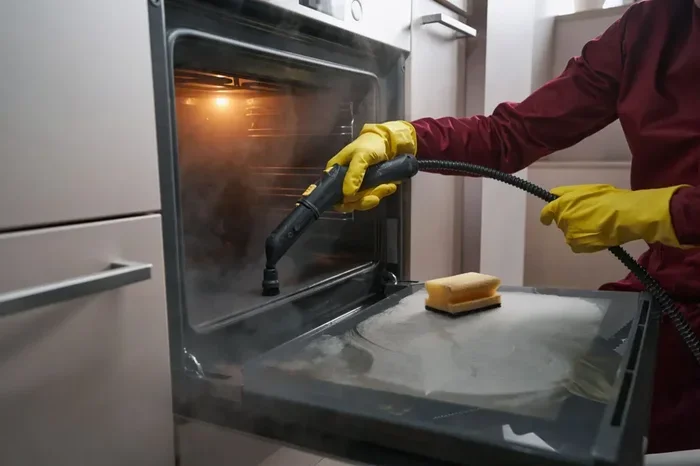
| Steam Cleaning | 10 to 15 minutes | 250 degrees F | Quick maintenance, light odors |
| Vinegar and Water Solution | 10 to 15 minutes | 250 to 300 degrees F | Mild cleaning, fresh scent |
As you can see from the table above, the run time varies depending on the method. The harsher the cleaner, the longer you need to run the oven to ensure everything is safe and residue-free. Always prioritize thorough wiping before running the oven, regardless of which method you choose.
Common Mistakes to Avoid After Oven Cleaning
Even with the best intentions, many people make mistakes during the post-cleaning phase. Here are the most common ones and how to avoid them.
Skipping the Post-Clean Run Entirely
This is the biggest mistake people make. They clean the oven, put the racks back in, and start cooking right away. This can trap chemical fumes or cleaner residue inside the oven interior. Those fumes can transfer to your food and affect both taste and safety. Always run the oven after cleaning — no exceptions.
Using Too High a Temperature
Some people think cranking the oven to its highest setting will speed things up. This is a bad idea. Excessive heat can cause leftover residue to smoke heavily and even create a fire risk if there is a significant amount of cleaner left behind. Stick to moderate temperatures between 250 and 400 degrees Fahrenheit.
Not Wiping Down Before Running
If you leave visible cleaner or paste inside the oven and then turn on the heat, you will create smoke and potentially harmful fumes. Always do a thorough final wipe before running the oven. This simple step prevents most problems associated with post-cleaning oven runs.
Closing the Oven Door Completely
Leaving the door fully closed traps all the fumes inside. You want those odors and vapors to escape. Keep the door cracked open to allow proper airflow. This is one of the easiest ways to speed up the entire process and improve oven odor removal.
Cooking Immediately After the Run
Even after running the oven, give it a few minutes to cool slightly before you put food in. Cooking at extremely high temperatures right after a cleaning session can affect the taste of your food. Let the oven settle for about 10 minutes before you start cooking.
Tips for Keeping Your Oven Fresh Between Cleanings
The best way to keep your oven maintenance routine simple is to prevent heavy buildup in the first place. Here are some practical tips that make a real difference.
- Use a baking sheet under food — This catches drips and spills before they reach the oven lining and turn into baked-on grime.
- Clean spills immediately — The longer food sits in the oven, the harder it is to clean later. Wipe up spills as soon as the oven cools down.
- Heat the oven after every deep clean — Make the 15 to 30 minute run a permanent part of your routine. It takes little time but protects your oven and your food.
- Place a box of baking soda inside — When the oven is not in use, leaving an open box of baking soda absorbs odors naturally and keeps the oven interior fresh.
- Schedule regular light cleanings — A quick wipe down oven every few weeks prevents the need for heavy deep cleaning sessions.
- Use oven liners — These affordable tools sit on the bottom of the oven and catch drips. They are easy to remove and clean, which reduces oven residue buildup significantly.
These small habits add up over time. They keep your oven in great shape and make each cleaning session faster and easier. You will spend less time on oven cleaning and more time enjoying your cooking.
Expert Insights on Post-Cleaning Oven Care
We reached out to appliance maintenance professionals to get their take on running ovens after cleaning. Here is what they had to say.
What the Pros Say About Timing
Most appliance technicians agree that 15 to 30 minutes is the sweet spot. “The goal is to burn off any remaining residue without overheating the oven,” says a certified appliance repair specialist. “A moderate temperature for a moderate amount of time does the job safely and effectively.”
How Often Should You Deep Clean
Experts recommend a deep oven cleaning every three to six months, depending on how often you cook. If you bake frequently or cook greasy foods, you may need to clean more often. Between deep cleans, regular wiping and light maintenance keep the oven in good shape and reduce the need for long cleaning cycle sessions.
When to Call a Professional
If your oven still smells strongly after running it for 30 minutes, there may be a deeper issue. Persistent odors can indicate damaged oven lining, a malfunctioning heating element, or built-up grease in hidden areas. In these cases, it is worth calling a professional for oven maintenance rather than trying to force the issue with repeated cleaning sessions.
Key Takeaways
- Always run your oven for 15 to 30 minutes after any deep cleaning session to burn off residue and fumes.
- The cleaning method determines the run time — self-cleaning cycles need less time than commercial cleaner sprays.
- Set the oven to a moderate temperature between 250 and 400 degrees Fahrenheit for best results.
- Keep the oven door cracked open during the run to allow proper ventilation and faster odor removal.
- Wipe down the oven interior thoroughly before running it to prevent smoke and harmful fumes.
- Regular maintenance between cleanings reduces the need for heavy cleaning and keeps your oven fresh.
- Trust your nose — if you still smell odors after running the oven, inspect for residue or call a professional.
Conclusion
Running your oven after cleaning is one of the simplest yet most important steps in the entire process. It takes just 15 to 30 minutes and protects your health, improves your cooking results, and extends the life of your appliance. Whether you used a baking soda oven cleaner, a self-cleaning oven feature, or a store-bought oven cleaner spray, this final step makes all the difference.
Do not skip it. Make it a non-negotiable part of your oven cleaning routine. Your future self — and your dinner guests — will thank you. With the right approach, your oven will be fresh, safe, and ready to deliver delicious meals every time you turn it on. Start following these steps today and experience the difference that proper post-cleaning care makes. Your oven will perform better, last longer, and keep your kitchen smelling clean and inviting.
Frequently Asked Questions
Can I cook right after cleaning my oven without running it?
It is not recommended. Running the oven for at least 15 minutes after cleaning helps burn off any remaining cleaner residue and fumes. Skipping this step can lead to unpleasant odors and potentially harmful chemicals mixing with your food.
What temperature should I set my oven to after cleaning?
A moderate temperature between 250 and 400 degrees Fahrenheit works best. Avoid setting it to the maximum heat, as this can cause excessive smoking if any cleaner residue remains. A steady, moderate temperature safely breaks down and disperses any leftover fumes.
How do I know if my oven is fully clean after running it?
The best test is your sense of smell. If there is no lingering odor after running the oven for the recommended time, it is likely clean and safe. You can also do a visual inspection of the oven interior to check for any remaining residue or discoloration.
Is it normal for the oven to smoke after cleaning?
A small amount of smoke is normal, especially if you used a commercial cleaner or if the oven was very dirty. However, heavy smoke is a sign that there is too much residue left behind. Turn off the oven, let it cool, and wipe down the interior more thoroughly before running it again.
How often should I deep clean my oven?
Most experts recommend a deep oven cleaning every three to six months. If you cook frequently or prepare greasy foods, you may need to clean more often. Regular light cleaning between deep sessions helps reduce buildup and makes each cleaning session quicker and easier.
Can I use the self-cleaning feature right after manually cleaning the oven?
There is no need to use the self-cleaning oven feature right after manual cleaning. Manual cleaning followed by a 10 to 15 minute oven run is usually sufficient. Save the self-cleaning cycle for when the oven has heavy buildup that hand cleaning cannot address.