How Long To Cook Rockfish In Oven The Ultimate Guide
Learning how long to cook rockfish in oven is simple once you know the right temperature and timing. This guide covers everything from basic bake times to pro tips for crispy, flaky results. Whether you are a beginner or a seasoned cook, you will find clear steps and helpful advice inside.
If you have been wondering how long to cook rockfish in oven, you are in the right place. This guide breaks down every detail you need to know. From time and temperature to seasoning and serving, we cover it all. You will walk away feeling confident enough to bake rockfish like a pro.
Rockfish is a delicious and healthy white fish. It flakes easily and pairs well with almost any side dish. Many home cooks love it because it is affordable and simple to prepare. But cooking it just right takes a little know-how. That is exactly what this article delivers.
Whether you are cooking for one or feeding a family, oven-baked rockfish is a fantastic choice. It is fast, clean, and packed with flavor. Let us dive into the details so you can make your next rockfish dinner a success.
Key Takeaways
- Bake rockfish at 400°F for 12 to 18 minutes for the best balance of moisture and flavor.
- Internal temperature of 145°F is the safe target for perfectly cooked rockfish fillets.
- Seasoning and herbs like lemon, garlic, and dill elevate the taste of oven-baked rockfish.
- Thicker fillets need more time while thin pieces cook fast and can dry out quickly.
- Avoid overcooking by checking doneness early and using a meat thermometer.
- Pat the fish dry before baking to get a crispy skin and golden finish.
📑 Table of Contents
How Long To Cook Rockfish In Oven – The Basics
The short answer is that most rockfish fillets bake in 12 to 18 minutes at 400 degrees Fahrenheit. But the exact time depends on a few things. Fillet thickness is the biggest factor. A thin piece may be done in 10 minutes. A thick cut could need up to 20 minutes.
Here is a quick look at how thickness affects rockfish cooking time:
- Thin fillets (less than 1/2 inch): 10 to 12 minutes at 400°F
- Medium fillets (1/2 to 3/4 inch): 12 to 15 minutes at 400°F
- Thick fillets (1 inch or more): 15 to 20 minutes at 400°F
- Whole small rockfish: 20 to 25 minutes at 400°F
Always use a meat thermometer to check the internal temperature. The FDA recommends fish reach 145°F internally. At that temperature, the fish is safe to eat and looks opaque and flaky.
Why Temperature Matters So Much
Setting the right oven temperature for rockfish is just as important as timing. Too low and the fish steams instead of baking. Too high and the outside dries out before the inside is cooked. 400°F is the sweet spot for most rockfish recipes. It cooks the fish evenly and helps develop a light golden crust.
If you prefer a slower cook, you can bake at 375°F. Just add a few extra minutes. This lower heat works well for thicker fillets that need more time in the center without burning the edges.
Best Oven Temperature For Rockfish
Finding the best temperature to bake rockfish can make or break your dish. Most experts agree on 400°F as the go-to setting. It cooks the fish quickly while keeping it moist. The high heat also helps the skin crisp up if you leave it on.
Here is a comparison of common oven temperatures for rockfish:
| Temperature | Best For | Approximate Time | Result |
|---|---|---|---|
| 375°F | Thick fillets, gentle cooking | 18 to 22 minutes | Moist, tender, soft crust |
| 400°F | Most fillets, balanced results | 12 to 18 minutes | Flaky, golden, crispy edges |
| 425°F | Thin fillets, quick meals | 8 to 12 minutes | Crispy outside, fast cook |
| 350°F | Stuffed or sauced rockfish | 20 to 25 minutes | Slow, moist, even cook |
As you can see, 400°F hits the sweet spot for most situations. It is fast enough for a weeknight dinner and gentle enough to keep the fish juicy. If you are using a convection oven, reduce the temperature by 25°F and check a few minutes early.
Convection vs. Conventional Oven
A convection oven uses a fan to circulate hot air. This means food cooks faster and more evenly. If you use convection, lower the temperature to 375°F and start checking at the 10-minute mark. The air movement can dry out fish quickly if you are not careful.
A conventional oven works great too. It may take a minute or two longer, but the results are just as good. The key is to monitor the internal temperature rather than relying only on the clock.
Step-by-Step Rockfish Recipe For The Oven
Now that you know the time and temperature, let us walk through a simple rockfish recipe. This method works for fresh or thawed fillets. You will need just a few ingredients and about 25 minutes total.
What You Will Need
- 1 to 2 rockfish fillets (about 6 ounces each)
- 2 tablespoons olive oil
- 1 clove garlic, minced
- 1 tablespoon fresh lemon juice
- Half a teaspoon of salt
- Quarter teaspoon black pepper
- Fresh dill or parsley for topping
- Lemon slices for garnish
Step 1: Prep The Fish
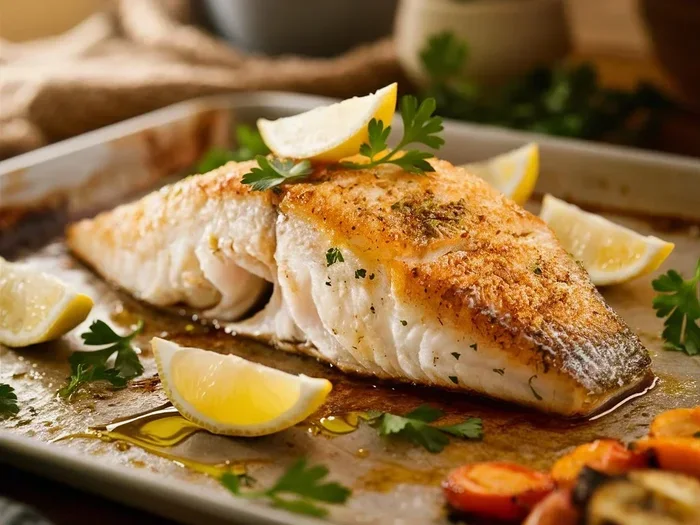
Start by patting the fillets dry with a paper towel. This step is crucial. Moisture on the surface creates steam, which prevents crispy rockfish skin. If your fillet has skin on, leave it. It will crisp up beautifully in the oven.
Place the fillets skin-side down on a lined baking sheet. If you do not have skin on, just place them directly on the sheet or in a lightly greased dish.
Step 2: Season Generously
Mix the olive oil, garlic, lemon juice, salt, and pepper in a small bowl. Brush the mixture evenly over both sides of the fillets. Do not be shy with the seasoning. Well-seasoned rockfish tastes so much better than plain fish.
For extra flavor, add a sprinkle of paprika or a pinch of smoked chili flakes. Fresh herbs like thyme or rosemary also work wonderfully with this baked fish recipe.
Step 3: Bake At 400°F
Preheat your oven to 400°F while you prep the fish. Place the baking sheet on the middle rack. Set a timer for 12 minutes. Thin fillets may be done by then. Thicker pieces need the full 15 to 18 minutes.
Do not open the oven door too often. Every time you open it, heat escapes and cooking time increases. Trust the timer and check only once near the end.
Step 4: Check For Doneness
After 12 minutes, check the fish. Use a fork to gently flake the thickest part. If it flakes easily and looks opaque, it is done. If it still looks translucent, give it another 2 to 3 minutes. Insert a meat thermometer into the thickest part to confirm 145°F internal temperature.
Step 5: Rest And Serve
Let the fish rest for 2 to 3 minutes before serving. This allows the juices to redistribute. Top with fresh herbs and a squeeze of lemon. Serve alongside roasted vegetables, rice, or a simple salad for a complete healthy fish dinner.
Quick Tips For Better Results
- Bring fish to room temperature before baking for even cooking.
- Line your baking sheet with parchment paper for easy cleanup.
- Do not overcrowd the pan. Give each fillet space for air to circulate.
- Add a drizzle of butter in the last 2 minutes for extra richness.
- Use a rimmed baking sheet to catch any juices or spills.
How To Know When Rockfish Is Done
One of the most common questions about baking rockfish is how to tell when it is ready. Overcooked fish becomes dry and chalky. Undercooked fish is unsafe. So knowing the signs of doneness is essential.
Here are the best ways to check if your oven-baked rockfish is ready:
- Use a meat thermometer. This is the most reliable method. Insert it into the thickest part and look for 145°F.
- Check the color. Fully cooked rockfish turns opaque white. Translucent or glassy areas mean it needs more time.
- Test with a fork. Gently press the thickest part with a fork. If it flakes apart easily, it is done.
- Watch the texture. Cooked fish looks firm but still moist. If it looks dry or is pulling away from the bone, it has been in too long.
- Check the internal temperature near the bone. If cooking a whole small rockfish, make sure the area near the bone reaches 145°F.
The flaky white fish test is a classic one. When you gently press cooked rockfish, it separates into clean, white flakes. That is your sign to pull it out of the oven. Remember, the fish will continue to cook slightly as it rests on the hot pan.
Carryover Cooking Explained
Carryover cooking happens when residual heat continues to cook the fish after you remove it from the oven. This is especially true for thicker fillets. To account for this, pull the fish out when it reaches 140°F internally. By the time you serve it, the temperature will have risen to the safe 145°F.
This simple trick prevents overcooking and keeps your rockfish dinner perfectly moist every time.
Tips For Perfectly Crispy Rockfish
Everyone loves a piece of crispy rockfish with a golden crust. But achieving that perfect finish takes a little technique. Here are the best tips to get crispy, delicious results every time.
Dry The Skin Before Baking
This cannot be stressed enough. Moisture is the enemy of crispy skin. After patting the fillet dry, let it sit uncovered on a wire rack for 10 to 15 minutes. This allows the surface to air-dry further. The drier the surface, the crispier the result.
Use A Hot Oven
A hot oven, around 400°F to 425°F, sears the outside quickly. This creates a barrier that locks in moisture while giving you that satisfying crunch. A low oven will steam the fish and leave it soggy.
Lightly Oil The Surface
A thin coat of olive oil on the top of the fillet helps with browning and crispiness. Do not drench it. Just a light brush is enough. You can also use avocado oil, which has a higher smoke point and works great in hot ovens.
Place Skin-Side Down On A Hot Pan
If your fillet has skin, start skin-side down on a preheated baking sheet or cast iron pan. The direct contact with the hot surface kickstarts the crisping process. This is one of the best-kept secrets for perfect oven-baked fish.
Expert Insight
Chef Maria Torres, a seafood specialist with over 15 years of experience, shares her top tip: “The secret to crispy rockfish is a hot oven, a dry surface, and patience. Do not flip the fillet. Let the oven do all the work on one side, and you will get restaurant-quality results at home.”
Common Mistakes To Avoid When Baking Rockfish
Even experienced cooks make mistakes with baked rockfish. Knowing what to avoid saves time, money, and a lot of frustration. Here are the most common errors and how to fix them.
Mistake 1: Overcooking The Fish
This is the number one mistake. Rockfish dries out fast once it passes 150°F internally. Set a timer, check early, and pull it off the heat as soon as it reaches 145°F. Remember the carryover cooking effect.
Mistake 2: Skipping The Pat-Dry Step
Wet fish steams instead of baking. You end up with a soft, pale fillet instead of a golden one. Always pat your rockfish fillets dry before seasoning and baking.
Mistake 3: Using Too Much Oil Or Butter
A little fat goes a long way with fish. Too much oil creates a greasy texture and can cause the fish to stick to the pan. Two tablespoons for two fillets is plenty.
Mistake 4: Not Preheating The Oven
Putting fish in a cold oven leads to uneven cooking. The outside overcooks while the inside stays raw. Always preheat to the target temperature before placing the fish inside.
Mistake 5: Ignoring Fillet Thickness
Not all rockfish fillets are the same thickness. If you have a mix of thin and thick pieces, bake them separately. Adjusting time based on thickness is the key to perfectly seasoned rockfish every single time.
Mistake 6: Baking On A Cold Sheet
Placing fish on a cold baking sheet slows down the cooking process. The fish steams on the bottom instead of getting crispy. Use a preheated sheet or a hot pan for best results.
Frequently Asked Questions
Can I bake rockfish at 350°F instead of 400°F?
Yes, you can bake rockfish at 350°F, but it will take longer. Expect about 20 to 25 minutes for a standard fillet. The lower temperature cooks the fish more gently, which can be helpful for thicker cuts. Just make sure the internal temperature reaches 145°F before serving.
How do I prevent my rockfish from drying out in the oven?
The best way to prevent dry rockfish is to not overcook it. Use a meat thermometer and pull the fish at 145°F internal. Brushing the fillet with olive oil or butter before baking also helps retain moisture. Baking at 400°F for the correct time keeps the fish juicy and flavorful.
Should I cover rockfish with foil when baking?
You can, but it is not necessary. Covering with foil traps steam and keeps the fish moist, but it also prevents the top from crisping. If you want crispy rockfish skin, bake uncovered. If your fillet is on the thinner side and you worry about it drying out, a loose foil tent for the first half of cooking works well.
Can I use frozen rockfish fillets for oven baking?
Yes, you can bake frozen rockfish, but you need to adjust the time. Thaw the fish first for the best results, ideally in the refrigerator overnight. If you must cook from frozen, add about 5 to 7 extra minutes to the bake time and check the internal temperature carefully. The center may need more time to reach 145°F safely.
What is the best seasoning for oven-baked rockfish?
Simple seasoning works best for oven-baked rockfish. Olive oil, garlic, lemon juice, salt, and pepper form a classic base. From there, you can add herbs like dill, parsley, or thyme. Smoked paprika and a pinch of red pepper flakes bring a nice kick. The goal is to enhance the natural flavor of the fish without overpowering it.
How can I tell if my rockfish is done without a thermometer?
Without a thermometer, use the fork test. Gently press the thickest part of the fillet with a fork. If the fish flakes apart easily and looks opaque white all the way through, it is done. The flesh should look moist but not translucent anywhere. When in doubt, pull it out a little early and let carryover cooking finish the job.
Conclusion
How long to cook rockfish in oven comes down to a few simple factors: fillet thickness, oven temperature, and your desired level of crispiness. For most situations, 12 to 18 minutes at 400°F delivers perfect results. Always check the internal temperature and aim for 145°F to ensure the fish is safe and delicious.
Baking rockfish is one of the easiest and most rewarding things you can do in the kitchen. With the right seasoning, a hot oven, and a little attention to timing, you can serve up a restaurant-quality rockfish dinner any night of the week. The fish cooks fast, cleans up easy, and pairs beautifully with almost any side dish.
Now that you have all the tips and techniques, it is time to put them into practice. Pick up some fresh rockfish fillets from your local market, fire up the oven, and enjoy a healthy, flavorful meal. Once you nail the basics, you can experiment with different herbs, sauces, and toppings to make each bake rockfish session your own. Happy cooking!