Is Oven Safe Also Microwave Safe Here Is Why It Matters
Not all oven safe cookware is microwave safe. The short answer is no — being safe for one heat source does not guarantee safety in another. Understanding the difference protects your food, your cookware, and your kitchen. This guide breaks down exactly why ratings matter and how to choose the right dishware.
You pull a beautiful baking dish out of the oven and think, “Can I just pop this in the microwave to reheat leftovers?” It seems like a simple shortcut. But here is the thing — oven safe does not always mean microwave safe. Many people assume that if a dish handles high oven heat, it will handle microwave radiation just fine. That assumption can lead to cracked dishes, ruined food, or even kitchen accidents.
Understanding the difference between oven safe and microwave safe is one of those kitchen basics that nobody talks about enough. Yet it matters every single time you prepare or reheat food. Whether you are using ceramic dishware, glass bakeware, or metal baking trays, the heat source changes everything. This guide explains exactly why these two ratings are not the same and how you can keep your kitchen safe.
By the end of this article, you will know what each label really means. You will learn which materials work where, what common mistakes to avoid, and how to read the tiny symbols on the bottom of your cookware. No guesswork. No risky shortcuts. Just clear, practical knowledge you can use right away.
Key Takeaways
- Oven safe does not automatically mean microwave safe: Different heat sources require different material properties.
- Metals react differently in microwaves: Metal cookware safe for ovens can cause dangerous sparks in a microwave.
- Always check the label: Manufacturers test each product for specific heat environments, and labels tell you exactly what is safe.
- Glass and ceramic are often dual safe: Many glass and ceramic bakeware options work in both ovens and microwaves.
- Plastic containers are risky in ovens: Most plastic is microwave safe only and will melt or release chemicals in an oven.
- Thermal shock is a real danger: Sudden temperature changes can crack or shatter cookware regardless of its rating.
- Know your cookware: Understanding your dishware helps you cook safely and avoid costly mistakes.
📑 Table of Contents
What Does “Oven Safe” Actually Mean?
When a product is labeled oven safe, it means the manufacturer has tested it to withstand the high temperatures inside a conventional oven. Ovens can reach 400, 450, or even 500 degrees Fahrenheit depending on what you are cooking. Not every material can handle that kind of heat without warping, cracking, or releasing harmful chemicals.
Oven safe cookware is built to handle dry, radiant heat. That is very different from the way a microwave works. The rating tells you the maximum temperature the dishware or bakeware can handle over a sustained period. It also tells you something about the material’s durability under heat stress.
How Manufacturers Test for Oven Safety
Manufacturers test oven safe items by exposing them to high temperatures for extended periods. They check for warping, discoloration, and structural integrity. A dish that passes these tests earns the oven safe label. Common oven safe materials include:
- Stainless steel — handles very high temperatures with ease
- Cast iron — excellent heat retention and oven durability
- Ceramic — many ceramic dishes are fully oven safe up to high temperatures
- Tempered glass — designed to withstand thermal stress in an oven
- Silicone — oven safe up to certain temperature limits, usually around 450°F
Each of these materials has been tested specifically for dry oven heat. But that does not automatically make them safe for microwave use. The testing standards are completely different, and the results do not overlap automatically.
What Does “Microwave Safe” Actually Mean?
A microwave safe label means the product has been tested for use inside a microwave oven. Microwaves work very differently from conventional ovens. Instead of heating the air around your food, microwaves use electromagnetic radiation to make water molecules inside the food vibrate. This creates heat from the inside out.
This unique heating process puts different demands on cookware. A dish that is perfectly fine in a 400-degree oven might react badly to microwave radiation. Some materials absorb microwave energy, while others reflect it or let it pass through. Understanding this helps explain why the two ratings are not interchangeable.
How Microwaves Heat Food Differently
Microwaves heat food quickly and unevenly. Hot spots can form, and the dishware itself may heat up depending on what it is made of. Here is what happens with common materials inside a microwave:
- Glass — most tempered glass is microwave safe because it does not absorb microwave energy
- Ceramic — many ceramic dishware items are microwave safe, but some contain metals or glazes that cause problems
- Plastic — only plastics labeled microwave safe should be used, as others may melt or leach chemicals
- Metal — metal reflects microwaves and can cause arcing, sparks, and fire
The key takeaway is that microwave safety depends on how a material interacts with microwave radiation. It is not about heat resistance alone. This is why a dish that handles a hot oven perfectly may be dangerous in a microwave.
Key Differences Between Oven Safe and Microwave Safe
The core difference comes down to how each appliance generates heat. A conventional oven uses heating elements that warm the air. A microwave uses radiation that energizes water molecules. These two processes test different properties of your cookware. A product rated for one environment may fail or become dangerous in the other.
Why the Two Ratings Are Not the Same
Several factors create the gap between oven safe and microwave safe ratings:
- Heat source type: Dry heat versus electromagnetic radiation
- Temperature range: Ovens reach much higher temperatures than microwaves
- Material interaction: Some materials absorb microwave energy and become dangerously hot
- Safety testing: Each rating involves different laboratory tests and standards
- Chemical stability: High oven heat can break down materials that are stable in microwaves, and vice versa
A practical example helps here. A beautiful copper baking pan is oven safe but absolutely not microwave safe. The copper will reflect microwaves and create sparks. On the other hand, a plastic meal prep container is microwave safe but will melt instantly in a hot oven. The ratings exist for a reason, and ignoring them is a kitchen safety risk.
| Feature | Oven Safe | Microwave Safe |
|---|---|---|
| Heat Source | Dry, radiant heat from elements | Electromagnetic radiation |
| Typical Temperature Range | Up to 500°F or higher | No direct heat, but dishware can get hot |
| Metal Cookware | Usually safe | Dangerous — causes arcing |
| Glass Dishware | Safe if tempered | Safe if tempered and microwave rated |
| Plastic | Not safe — melts at high heat | Safe only if labeled microwave safe |
| Ceramic | Generally safe | Safe if no metallic glaze or trim |
| Testing Standard | Thermal resistance and durability | Microwave absorption and chemical stability |
This comparison table makes one thing very clear: the two ratings test for completely different conditions. Using cookware outside its rated environment is a mistake that can cost you money or worse.
Common Cookware and Their Safety Ratings
Not all cookware is created equal. Some items are designed for both ovens and microwaves, while others are strictly for one or the other. Here is a closer look at the most common types of kitchenware and how they stack up.
Glass Bakeware
Tempered glass like Pyrex is one of the most versatile materials in the kitchen. Most tempered glass bakeware is both oven safe and microwave safe. It does not absorb microwave energy, and it handles high oven temperatures well. However, not all glass is the same. Regular glass, thin glass, or glass with metallic paint or trim should never go in a microwave. Always check the label before using any glass dish in either appliance.
Ceramic Dishware and Pottery
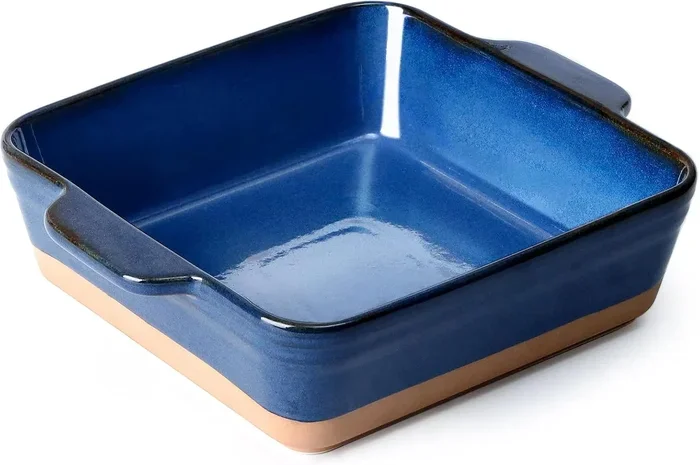
Ceramic is a popular choice for both baking and serving. Many ceramic dishes are oven safe, but microwave safety depends on the glaze and any decorative elements. Some ceramic glazes contain small amounts of metal, which can cause sparking in a microwave. If you are unsure about a ceramic piece, do a simple water test: fill the dish with water and microwave it for one minute. If the dish stays cool and the water heats up, it is microwave safe. If the dish gets hot, it is absorbing microwave energy and may not be safe.
Metal Bakeware and Cookware
Metal is excellent for ovens. Steel, aluminum, and cast iron all handle high heat beautifully. But metal and microwaves are a dangerous combination. Metal reflects microwaves, which causes arcing. This creates sparks that can damage your microwave or start a fire. Never put metal cookware in a microwave unless the manufacturer specifically states it is safe. And even then, exercise extreme caution.
Plastic Containers and Lids
Plastic is almost always microwave safe only. Most plastic containers cannot handle oven temperatures and will warp or melt. Some plastics also release harmful chemicals when heated, even in a microwave. Always use plastic that is labeled microwave safe and follow the temperature guidelines. Never put plastic in a hot oven, even for a short time.
Silicone Cookware
Silicone has become very popular in modern kitchens. It is generally both oven safe and microwave safe, but only up to certain temperature limits. Most silicone handles oven temperatures up to 450°F and microwave use without issues. However, low-quality silicone may not be properly tested. Look for food-grade silicone with clear safety ratings from the manufacturer.
Quick Tips for Using Cookware Safely
Following a few simple habits can keep your kitchen safe and your cookware in great shape. Here are some practical tips to remember every time you cook or reheat food.
- Always read the label or packaging before using any new dishware in an oven or microwave.
- Look for the universal symbols on the bottom of dishes — a microwave icon and an oven icon tell you exactly what is safe.
- When in doubt, do the water test for microwave safety with ceramic or glass dishes.
- Never assume a dish is safe for both just because it looks sturdy or high quality.
- Avoid sudden temperature changes — do not move a cold dish straight into a hot oven or vice versa to prevent thermal shock.
- Use oven mitts when handling any hot dishware, regardless of its rating.
- Replace worn or damaged cookware — cracks and chips can weaken a dish and make it unsafe in any heat source.
These quick tips take just a few seconds but can save you from a costly mistake or a kitchen injury. Building these habits into your routine makes cooking safer and more enjoyable every day.
Common Mistakes to Avoid
Even experienced cooks make mistakes with cookware safety. Here are the most common errors people make:
- Putting metal in the microwave — this is the number one kitchen safety mistake and can cause fires
- Using non-microwave-safe plastic in the oven — melting plastic ruins food and releases toxic fumes
- Ignoring thermal shock — pouring cold water into a hot dish can cause it to shatter
- Assuming all ceramics are the same — decorative ceramics are often not food safe or heat safe
- Overheating silicone — exceeding the temperature limit can damage silicone and release unwanted chemicals
- Reheating food in the wrong container — transferring leftovers to the right dishware takes seconds and prevents accidents
These mistakes are easy to make but easy to avoid with a little awareness. The goal is not to fear your kitchen appliances. It is to use them correctly and confidently.
Expert Insights on Kitchen Safety
We spoke with kitchen safety experts and professional chefs about the confusion surrounding oven and microwave ratings. Their advice is consistent and clear.
“The biggest misconception we see is that oven safe means all-around safe,” says a professional chef with over 15 years of experience. “People think if a dish handles the oven, it will handle anything. That is simply not true. Microwaves work on a completely different principle, and the materials need to be tested for that specific environment.”
Another expert in kitchen safety emphasizes the importance of checking every piece of dishware individually. “Not every plate in your cabinet is the same,”strong> she explains. “Even dishes from the same brand can have different ratings. Always look at the bottom of each piece and read the care instructions. It takes five seconds and it can prevent a serious accident.”
Experts also warn against using non-kitchen-grade ceramics or handmade pottery in either appliance unless they have been specifically tested. Handmade ceramics may contain impurities or uneven glazes that react unpredictably under heat, whether from an oven or a microwave. Stick to dishware that is clearly labeled for food use and heat safety.
When in Doubt, Check the Label
The simplest rule in any kitchen is this: if you are unsure whether a piece of cookware is safe for a specific heat source, check the label or the manufacturer’s website. Most brands provide detailed guidance on their products. If you can no longer find the label on a dish, it is better to be cautious and use it only in the safest way — typically room temperature tasks like serving cold food or storing leftovers.
Taking this extra step protects your family, your food, and your investment in quality kitchenware. A few minutes of research can save you from a damaged dish, a broken microwave, or a painful burn.
How to Choose Cookware That Works in Both
If you want cookware that is safe in both the oven and the microwave, you have plenty of great options. The key is to look for products that are explicitly labeled for both uses. Here are some of the best choices:
- Tempered glass bakeware — works beautifully in both appliances and is easy to clean
- Food-grade ceramic dishes — choose plain, unglazed, or microwave-rated ceramic for the best results
- Silicone baking mats and dishes — flexible, durable, and safe in both heat environments up to their rated limits
- Stoneware — high-quality stoneware is often both oven and microwave safe, but always verify the label
When shopping for new kitchenware, make dual safety a priority. Look for products that clearly state both ratings on the packaging or the product description. This way, you will always know exactly what your cookware can handle.
It is also worth noting that some manufacturers now produce cookware specifically designed for multi-use cooking. These products undergo testing for both oven and microwave environments and carry both labels. Investing in multi-use cookware saves money and reduces clutter in your kitchen over time.
Conclusion
The answer to the question “is oven safe also microwave safe” is not a simple yes or no. Oven safe and microwave safe are two separate ratings that test for two very different environments. Understanding this difference is essential for kitchen safety, cooking success, and protecting your favorite dishware.
Always check the label before using any cookware in either appliance. Know which materials work where, and never assume that one rating covers both. By following the tips and guidance in this article, you can cook with confidence and avoid the common mistakes that lead to damaged cookware or kitchen accidents.
Take a moment today to check the bottoms of the dishes in your kitchen. A few seconds of attention now can save you time, money, and stress in the long run. Your kitchen should be a place of creativity and enjoyment — not worry and uncertainty. Use the right cookware for the right job, and you will cook with confidence every single time.
Frequently Asked Questions
Can I put an oven safe dish in the microwave?
Not necessarily. Oven safe means the dish handles high dry heat from an oven. It does not guarantee that the dish is safe for microwave radiation. Always check for a separate microwave safe label before using any dish in a microwave. Using an oven safe dish in a microwave without verification can damage the dish or the appliance.
What happens if you put oven safe metal in a microwave?
Metal reflects microwave energy, which causes arcing and sparks. This can damage the microwave, ruin the food, or even start a fire. Even though metal bakeware is perfectly safe in a conventional oven, it should never go in a microwave unless the manufacturer explicitly states it is microwave safe.
How can I tell if my ceramic dish is microwave safe?
Look for a microwave safe symbol on the bottom of the dish. If there is no label, you can do a water test. Place the empty dish in the microwave with a cup of water beside it. Microwave on high for one minute. If the dish stays cool and the water is hot, the dish is microwave safe. If the dish gets hot, it absorbs microwave energy and is not safe.
Is tempered glass always both oven and microwave safe?
Most tempered glass is both oven safe and microwave safe, but not all. Always check the manufacturer’s label. Some tempered glass dishes have metallic rims or decorations that make them unsafe for microwaves. When in doubt, use the dish only for serving and not for cooking or reheating.
Can plastic containers go in the oven?
No. Most plastic containers are only microwave safe and will melt or release harmful chemicals in an oven. Even microwave safe plastic has temperature limits that are far below oven temperatures. Always transfer food to oven-safe glass, ceramic, or metal cookware before cooking in the oven.
Why does my dish crack when I move it from the oven to the microwave?
This is called thermal shock. Sudden temperature changes cause different parts of the dish to expand or contract at different rates, which leads to cracking. To avoid this, let your dish cool to room temperature before moving it between heat sources. Never place a hot dish on a cold surface or run cold water over it.