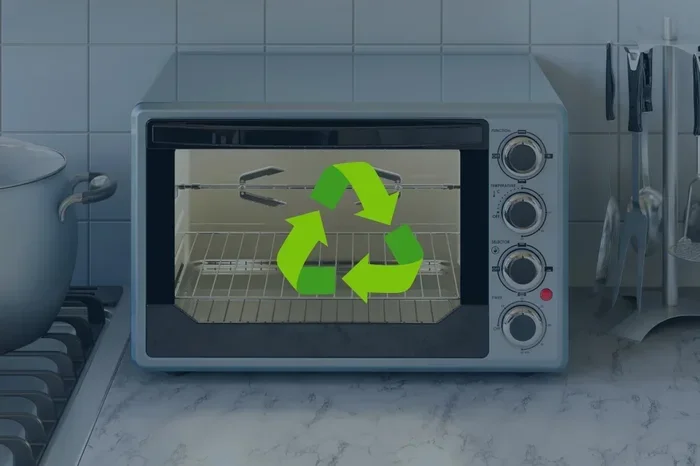
Is A Toaster Oven E Waste Heres What You Need To Know
Yes, a toaster oven is electronic waste when you discard it improperly. Many people throw old kitchen appliances into the trash without thinking about the environmental impact. Learning how to recycle or repurpose a toaster oven can make a real difference for our planet and help reduce the growing e-waste crisis.
You just upgraded your kitchen. Your shiny new toaster oven sits proudly on the counter. But what about the old one? You might be wondering, is a toaster oven e waste? The short answer is yes. But the full story is much more interesting and important than you might think.
Every year, millions of kitchen appliances end up in landfills. Many of us grab our old electronic devices and toss them in the bin without a second thought. But that old toaster oven is more than just a bulky item taking up space. It is electronic waste that can seriously harm our environment if not handled correctly.
Understanding what happens when you throw away a toaster oven is the first step toward making better choices. This guide walks you through everything you need to know. From e-waste recycling to creative repurposing ideas, you will find practical tips that are easy to follow. Let us dive in and make sure your old appliance gets the right treatment.
Key Takeaways
- Toaster ovens are classified as electronic waste: They contain metals, plastics, and circuit boards that need proper handling.
- Improper disposal harms the environment: Toxic materials can leak into soil and water when toaster ovens end up in landfills.
- Multiple recycling options exist: You can recycle through local programs, retailer take-back schemes, or specialized e-waste facilities.
- Repurposing extends appliance life: Old toaster ovens can be donated, refurbished, or used for creative DIY projects.
- Buying durable appliances reduces waste: Choosing quality products helps cut down on electronic waste over time.
- Responsible disposal is simple: A little effort goes a long way in protecting the environment.
📑 Table of Contents
- What Is Electronic Waste and Why Does It Matter?
- Is a Toaster Oven Considered E-Waste?
- The Environmental Impact of Disposing of Your Toaster Oven
- How to Properly Dispose of a Toaster Oven
- Creative Ways to Repurpose or Recycle Your Old Toaster Oven
- Tips to Reduce E-Waste from Your Kitchen Appliances
- Conclusion
What Is Electronic Waste and Why Does It Matter?
Electronic waste, commonly called e-waste, refers to any discarded electrical or electronic device. This includes phones, laptops, televisions, and yes, kitchen appliances like toaster ovens. The e-waste crisis has grown into one of the biggest environmental challenges we face today.
When electronics are thrown into regular trash, they often end up in landfills. These sites are not designed to handle hazardous materials found in electronic devices. Over time, harmful substances can leak out and contaminate soil, groundwater, and even the air we breathe.
The Growing E-Waste Problem
The numbers are staggering. Globally, we produce over 50 million metric tons of electronic waste every year. Only a small fraction gets recycled properly. The rest piles up in landfills or gets shipped to developing countries where it is processed under unsafe conditions.
Kitchen appliances like toaster ovens contribute to this problem more than people realize. They contain a mix of metal components, plastic housing, and electronic circuit boards. Each of these materials needs specific handling during the waste management process.
Why Should You Care?
You might think, “It is just one toaster oven.” But imagine if every household in your city tossed their old appliances the same way. The impact would be enormous. Responsible disposal of even one appliance can contribute to a larger culture of sustainable living.
When you take the time to recycle or repurpose your old toaster oven, you are doing your part. You are reducing landfill waste, conserving natural resources, and helping to build a circular economy where materials get reused instead of wasted.
Is a Toaster Oven Considered E-Waste?
The answer depends on how you dispose of it. If you throw it in the regular trash, it becomes part of the electronic waste stream. But if you take it to a recycling center, it becomes a resource ready for a second life. The classification matters because it determines how the appliance is handled.
What Makes a Toaster Oven E-Waste?
A toaster oven is classified as e-waste because it contains several electronic and non-biodegradable components. Here is what is inside a typical toaster oven:
- Circuit boards: These contain copper, gold, and other precious metals.
- Heating elements: Made from nichrome wire and other metal alloys.
- Plastic casing: Often made from non-recyclable or difficult-to-recycle plastics.
- Wiring and insulation: Contains copper and rubber materials.
- Glass and metal parts: The door window and interior racks are recyclable.
All of these materials together make a toaster oven a complex item to dispose of. Simply throwing it in the bin means all these components get mixed with general waste. That is a huge missed opportunity for material recovery.
How Is It Different From Regular Trash?
Regular trash goes to a landfill where it decomposes slowly or does not decompose at all. E-waste, on the other hand, contains materials that do not break down naturally. Worse, some of these materials are toxic. Lead, mercury, and cadmium can seep into the environment and cause serious damage.
When you ask yourself, “is a toaster oven e waste,” remember that it is not just about the label. It is about what happens next. Proper classification leads to proper handling, and proper handling leads to a healthier planet.
The Environmental Impact of Disposing of Your Toaster Oven
Throwing your old toaster oven in the trash might seem convenient. But the environmental impact is far-reaching. Understanding these consequences can motivate you to choose better disposal methods.
Toxic Materials in Toaster Ovens
Toaster ovens contain several hazardous materials that can harm the environment. When these items sit in a landfill, rain and weather can cause them to break down. Toxic substances then leach into the ground and nearby water sources.
Some of the most concerning materials include:
- Lead: Found in solder points on circuit boards. It can damage the nervous system in humans and animals.
- Mercury: Present in some older models with switches or sensors.
- Brominated flame retardants: Used in plastic casings. These chemicals are persistent and bioaccumulative.
- Heavy metals: Including chromium and nickel in heating elements.
These materials do not just disappear. They stay in the environment for decades. This is why e-waste management is such a critical issue in modern waste disposal.
Resource Waste and Missed Opportunities
Beyond the toxicity issue, there is also the problem of wasted resources. Toaster ovens contain valuable metals like copper, aluminum, and steel. When they end up in landfills, these materials are lost forever.
Mining new metals is energy-intensive and environmentally destructive. By recycling electronics, we can recover these materials and reduce the need for new mining. This is a core principle of the circular economy and waste reduction.
The Carbon Footprint of Improper Disposal
Every appliance that ends up in a landfill contributes to greenhouse gas emissions. As materials break down anaerobically, they release methane. This potent gas accelerates climate change. Proper appliance recycling helps reduce these emissions significantly.
Additionally, manufacturing new appliances to replace old ones uses energy and resources. By extending the life of your toaster oven through repair or repurposing, you lower your overall carbon footprint. This is a simple yet powerful way to live more sustainably.
How to Properly Dispose of a Toaster Oven
Now that you know is a toaster oven e waste, let us talk about what to do with it. There are several responsible options available. You just need to know where to look.
Option 1: Local Recycling Programs
Most cities and towns offer e-waste recycling programs. These programs are designed specifically for electronic devices and appliances. Check your local government website or call your waste management department to find out what services are available.
Many communities host household hazardous waste collection events several times a year. These events accept old appliances, including toaster ovens. Some areas also have permanent drop-off locations where you can leave your old items anytime.
Option 2: Retailer Take-Back Programs
Many retailers that sell kitchen appliances also offer take-back programs. When you purchase a new toaster oven, ask the store if they will accept your old one. Large retailers like Best Buy, Home Depot, and Lowe’s often have dedicated bins for old appliances.
This option is incredibly convenient. You do not need to find a separate recycling facility. The retailer handles the responsible disposal for you. Some even offer small discounts on new purchases when you return old appliances.
Option 3: Manufacturer Recycling Programs
Some toaster oven manufacturers run their own recycling initiatives. Brands like Breville, Cuisinart, and Hamilton Beach have programs that accept old products. These programs ensure that materials are recovered and processed in an environmentally friendly way.
Visit the manufacturer’s website and look for their recycling or sustainability page. You can often find instructions on how to send back your old appliance. Some companies even provide prepaid shipping labels for your convenience.
Option 4: Scrap Metal and E-Waste Facilities
If your local area has a scrap metal facility or specialized e-waste center, these are excellent options. They have the equipment and expertise to safely dismantle your toaster oven and recover valuable materials.
These facilities separate metals, plastics, and electronic components. Each material type gets processed through the appropriate recycling stream. This ensures maximum recovery and minimal environmental impact.
What Not to Do
There are some things you should absolutely avoid when disposing of your toaster oven:
- Do not put it in your regular trash bin. This sends it straight to a landfill.
- Do not burn it. Burning plastic and electronic components releases toxic fumes.
- Do not dump it illegally. Illegal dumping harms communities and ecosystems.
- Do not leave it on the curb without checking local rules. Some areas have specific regulations for appliance disposal.
Avoiding these mistakes ensures your old toaster oven gets the proper treatment it deserves.
Creative Ways to Repurpose or Recycle Your Old Toaster Oven
Before you even think about recycling, consider whether your old toaster oven can be repurposed. Sometimes the best waste reduction strategy is to give an item a second life.
Donate or Sell
If your toaster oven still works, someone else might benefit from it. Local charities, thrift stores, and community organizations often accept working appliances. Platforms like Facebook Marketplace, Craigslist, or Freecycle are great places to find a new home for your old unit.
Donating your toaster oven keeps it out of the waste stream and helps someone in need. It is a win-win situation that supports both sustainable living and your community.
DIY and Upcycling Projects
Creative minds can turn an old toaster oven into something useful or decorative. Here are some fun ideas:
- Seed starter greenhouse: Remove the interior and use the oven as a mini greenhouse for seedlings.
- Tool storage: Mount it on a wall and use it to organize small tools or craft supplies.
- Pet house: With some modifications, it can become a cozy shelter for outdoor pets.
- Art project: Artists sometimes use old appliances as materials for sculptures or installations.
These projects not only prevent electronic waste but also spark creativity. You might discover a new hobby in the process.
When Recycling Is the Only Option
If your toaster oven is truly beyond repair or reuse, recycling is the best path forward. Professional appliance recycling facilities can extract valuable materials and handle hazardous components safely. This is the most environmentally responsible choice for non-functional units.
Remember, recycling is not just about tossing something in a blue bin. It involves proper sorting and processing. Make sure you follow the guidelines of your local recycling program to ensure your toaster oven gets handled correctly.
Tips to Reduce E-Waste from Your Kitchen Appliances
Prevention is always better than cure. You can take steps to reduce electronic waste from your kitchen before it becomes a problem.
Buy Quality and Durability
One of the best ways to reduce e-waste is to buy appliances that last. Look for toaster ovens from reputable brands known for durability. Read reviews and check warranty terms before making a purchase.
Investing in a quality appliance might cost more upfront. But it saves money and resources in the long run. You will replace it less often, which means less electronic waste over your lifetime.
Maintain and Repair
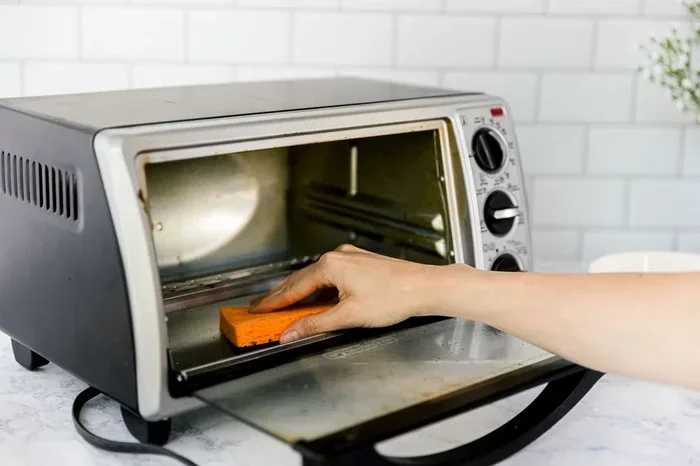
Regular maintenance can significantly extend the life of your toaster oven. Clean it after each use, check for wear and tear, and address small issues before they become big problems.
Many appliances that people consider “broken” can be fixed with a simple repair. Before you replace a toaster oven, try looking up the issue online or consulting a local repair service. Repair culture is making a comeback and it is great for the planet.
Choose Energy-Efficient Models
When it is time for a new toaster oven, look for energy-efficient models. These appliances use less electricity and often have longer lifespans. They also help you save money on your energy bills while reducing your environmental footprint.
Energy-efficient appliances are a smart choice for both your wallet and the planet. They represent a small but meaningful step toward waste reduction and sustainable living.
Spread the Word
One of the most powerful things you can do is share what you have learned. Talk to friends and family about responsible disposal of kitchen appliances. Share tips on e-waste recycling and encourage others to make better choices.
Community awareness drives change. When more people understand the impact of electronic waste, they are more likely to take action. Your voice matters, and your habits can inspire others to follow suit.
Conclusion
So, is a toaster oven e waste? Absolutely. But that does not have to be a bad thing. It simply means your old toaster oven needs proper handling. It needs to be recycled, repurposed, or donated rather than tossed in the trash.
We have covered a lot of ground in this article. You now understand what electronic waste is and why it matters. You know the environmental impact of improper disposal. You have learned multiple options for responsible disposal and appliance recycling. And you have practical tips to reduce e-waste in your kitchen going forward.
The next time you upgrade your kitchen appliances, remember what you have learned here. Take a moment to think about where your old toaster oven will go. Make the choice that benefits both you and the environment. Small actions add up to big changes, and every properly disposed toaster oven is a step in the right direction.
Start today. Make sustainable living part of your routine. Your future self and the planet will thank you.
Frequently Asked Questions
Can I put a toaster oven in my regular recycling bin?
Most regular recycling bins are not designed for large appliances like toaster ovens. You should check with your local waste management authority for specific guidelines. Many areas require you to take large appliances to a designated e-waste recycling center or schedule a special pickup.
Are toaster ovens bad for the environment?
Toaster ovens themselves are not bad for the environment when used properly. The problem arises when they are discarded irresponsibly. Improper disposal leads to toxic materials leaking into the environment. However, with proper recycling and disposal, the environmental impact is minimized significantly.
What materials in a toaster oven can be recycled?
Many materials inside a toaster oven are recyclable. These include metals like steel, aluminum, and copper. Glass from the door window can also be recycled. Even some plastic components can be processed at specialized e-waste recycling facilities that handle mixed materials.
How can I find an e-waste recycling center near me?
Start by checking your local government website for a list of e-waste recycling facilities. You can also use online tools like Earth911 or call your local waste management hotline. Many retailers and manufacturers also offer take-back programs that make recycling convenient and accessible.
Is it better to repair or replace a broken toaster oven?
Repairing is almost always the better choice for the environment. It extends the appliance’s life and reduces electronic waste. Many common toaster oven issues are simple and inexpensive to fix. Try searching for repair guides online or consulting a local appliance repair service before deciding to replace.
Do toaster ovens contain hazardous materials?
Yes, toaster ovens can contain hazardous materials like lead, mercury, and brominated flame retardants. These are found in circuit boards, wiring, and plastic casings. This is exactly why proper disposal through certified e-waste management facilities is so important for protecting our environment and health.