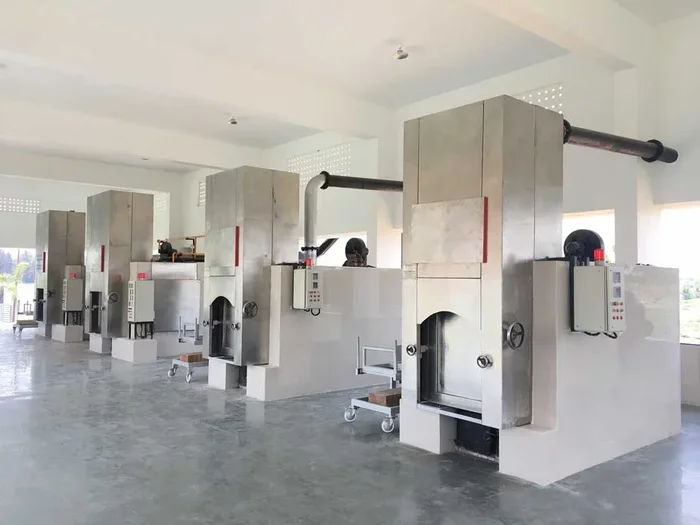
How Hot Does A Crematorium Oven Get During Cremation
A crematorium oven reaches extreme heat to reduce a body to ash. How hot does a crematorium oven get? Typically 1,400°F to 1,800°F, averaging 1,600°F. This guide explains the temperatures, process, and safety behind cremation heat.
When a body is placed inside a cremation chamber, intense heat transforms it into bone fragments and ash. How hot does a crematorium oven get during this process? The answer is surprisingly high. A modern crematorium furnace operates between 1,400°F and 1,800°F, with most cycles running around 1,600°F. This article breaks down the exact temperatures, the science behind the heat, and what happens inside the chamber. You will learn about fuel sources, safety controls, and how long a full cremation takes.
Cremation has been practiced for thousands of years, but today’s retorts are highly engineered. They use natural gas or propane to achieve consistent, extreme temperatures. Understanding the heat involved helps families appreciate the dignity and efficiency of the process. Below, we explore the key stages and factors that influence cremation oven temperature.
Key Takeaways
- Extreme Heat: A crematorium oven operates between 1,400°F and 1,800°F, with most cycles at 1,600°F.
- Fuel Source Matters: Natural gas and propane are the primary fuels that generate intense thermal energy.
- Temperature Varies: Body size, casket material, and operator adjustments can shift the required heat.
- Safety First: Modern retorts feature automated controls, flue gas cleaning, and strict temperature monitoring.
- From Body to Ash: The process reduces the body to bone fragments, which are then processed into fine ash.
- Water Cremation is Cooler: Alkaline hydrolysis uses much lower temperatures, around 200–300°F.
📑 Table of Contents
- What Is a Crematorium Oven and How Does It Work?
- How Hot Does a Crematorium Oven Get During a Typical Cremation?
- The Science Behind Cremation Heat: Fuel and Combustion
- Factors That Influence Crematorium Oven Temperature
- Safety Measures and Temperature Controls
- What Happens After the Heat: From Body to Ashes
- Conclusion
What Is a Crematorium Oven and How Does It Work?
A crematorium oven, also called a retort, is a specially designed furnace that reaches temperatures high enough to reduce human remains to bone fragments and ash. The chamber is lined with refractory bricks that can withstand intense heat. A single retort can handle one body at a time, though some larger facilities have multiple units running side by side.
The Basic Design of a Cremation Chamber
The retort has a front-loading door that swings open to place the body on a hearth. The hearth is a metal tray that slides into the chamber. Behind the door, a burner system ignites a powerful flame. The heat radiates evenly across the body. A flue system at the top carries exhaust gases away. Modern units include a secondary burn chamber that cleans the smoke before it leaves the building.
The Cremation Process Step by Step
The cremation process follows a careful sequence. Here are the main steps:
- The body is placed in a combustible container, often a simple cardboard or wood casket.
- The container is slid into the cremation chamber on the hearth.
- The door is sealed, and the operator starts the burner sequence.
- The oven heats up quickly, reaching the target crematorium oven temperature within 30 minutes.
- The combustion cycle runs for 2 to 3 hours, depending on body size.
- Once complete, the remains cool. Bone fragments are then processed in a machine called a cremulator.
- The final ash is placed in a container and returned to the family.
How Hot Does a Crematorium Oven Get During a Typical Cremation?
The crematorium oven temperature is carefully controlled to ensure complete and respectful processing. Most cremations take place between 1,400°F and 1,800°F. The average operating range sits right around 1,600°F. This is hot enough to vaporize soft tissues and calcine bones into calcium phosphate fragments.
Standard Operating Temperatures
Here is a quick look at typical heat levels:
- Standard Cremation: 1,400°F to 1,800°F (760°C to 980°C)
- Peak Temperature Reached: Usually within 30 to 45 minutes
- Cycle Duration at Peak: About 1 to 2 hours
- Total Process Time: 2 to 3 hours from start to finish
Temperature Variations for Different Needs
Not all cremations use the exact same heat. Factors like body size, container type, and local regulations can shift the target. Some crematories run slightly cooler for smaller remains to preserve bone structure. Others may push the upper limit for larger bodies or when using a metal-containing casket (where allowed). The operator monitors the chamber closely to maintain the right cremation chamber heat throughout.
| Cremation Type | Typical Temperature Range | Notes |
|---|---|---|
| Standard Flame Cremation | 1,400°F – 1,800°F | Most common method worldwide |
| Alkaline Hydrolysis (Water Cremation) | 200°F – 300°F | Uses water and chemicals, not direct flame |
| Green Cremation (Bio-Cremation) | 1,400°F – 1,600°F | Often uses a biodegradable container |
The Science Behind Cremation Heat: Fuel and Combustion
The intense crematorium oven temperature comes from a controlled fuel burn. The heat is not magic; it is the result of precise combustion science. Understanding the fuel source helps explain why the oven can reach such extreme levels.
Natural Gas and Propane as Primary Fuels
Most modern crematories use natural gas or propane. Both are clean-burning fuels that produce a high-temperature flame. Natural gas is the most common choice in areas with a gas line connection. Propane is used in rural areas or where natural gas is not available. The burner mixes fuel with air to create a efficient, steady flame.
How Heat Is Generated and Distributed
Inside the retort, the burner ignites a flame that heats the refractory lining. The bricks absorb the heat and radiate it evenly. This radiant heat is what actually processes the body. A fan system often pushes hot air through the chamber to ensure no cold spots. The combustion chamber is designed so that the flame wraps around the container from multiple angles.
Secondary Burn Chambers and Emissions Control
After the primary chamber, exhaust gases move to a secondary burn chamber, also called an afterburner. Here, the temperature is kept high enough to destroy any remaining smoke particles and odors. This secondary burn is why cremation facilities have tall flues. The thermal energy from the secondary chamber also helps maintain the overall heat efficiency of the system.
Factors That Influence Crematorium Oven Temperature
While the target temperature is set, several factors can affect how the heat behaves inside the chamber. Understanding these helps explain why no two cremations are exactly alike.
Body Size and Composition
A larger body contains more tissue and bone, which requires more time and energy to fully process. The crematorium oven temperature does not change, but the duration of the cycle does. Fat and soft tissue burn away quickly, while dense bone takes longer to calcine. The operator may extend the cycle by 30 to 60 minutes for a larger individual.
Cremation Container and Casket Materials
The container holding the body plays a big role in heat transfer. A simple, combustible cardboard box allows heat to reach the body fast. A heavily ornate casket with metal hardware can absorb heat and slow the process. Many crematories require a rigid, combustible container, but prohibit metal caskets or ones with metal handles. Using an approved simple container ensures the cremation chamber heat works efficiently.
Operator Adjustments and Chamber Efficiency
Experienced operators monitor the chamber through viewing ports and digital sensors. They can adjust the gas flow and air supply to maintain the right temperature. Over time, refractory bricks can wear down, which slightly affects heat retention. Regular maintenance keeps the retort running at peak efficiency. The cremation heat is always managed to ensure both respect and efficiency.
| Factor | Effect on Heat | How It Is Managed |
|---|---|---|
| Body Weight Over 250 lbs | Longer cycle needed | Operator extends time, not temperature |
| Metal Casket Handles | Absorbs heat, slows process | Not allowed in most facilities |
| Worn Refractory Lining | Heat loss over time | Regular inspection and relining |
| High Altitude | Lower air pressure affects burn | Burner tuning for local conditions |
Safety Measures and Temperature Controls
Safety is a top priority in any crematory. The extreme heat involved requires robust controls to protect operators, the environment, and the integrity of the remains.
Automated Systems and Monitoring
Modern retorts are controlled by programmable logic controllers (PLCs). These systems monitor dozens of sensors that track temperature, gas pressure, and airflow. If the temperature exceeds a safe limit, the system automatically reduces fuel flow. The door lock is interlocked with the burner, meaning the oven cannot ignite if the door is open. Multiple thermocouples are placed inside the chamber to provide a real-time temperature map.
Environmental Controls and Emissions
The secondary burn chamber and afterburner ensure that smoke and odors are fully consumed before the flue gas exits. Many facilities add a scrubber or baghouse filter to capture fine particles. The crematorium oven temperature in the secondary chamber stays above 1,800°F to destroy any harmful compounds. This is why you rarely see smoke from a modern crematory.
What Happens After the Heat: From Body to Ashes
Once the cremation cycle ends, the chamber is allowed to cool slightly. The remains are not yet the fine ash people imagine. The process continues with careful cooling and processing.
Cooling and Processing Remains
After the burn, the bone fragments are removed from the chamber using long-handled tools. They are placed on a cooling tray. The fragments are grayish-white and very brittle. A specialized machine called a cremulator uses rotating blades to grind the fragments into a consistent, fine powder. This is what families receive as the final remains.
Final Ash Weight and What to Expect
The weight of the final ash depends on the body size and bone density. On average, adults yield between 3 and 9 pounds of ash. Children and smaller adults produce less. The ash is typically gray or white and has a coarse, sand-like texture. It is placed in a temporary container or a family-chosen urn.
Conclusion
The crematorium oven temperature is a carefully controlled process that transforms human remains into ashes with dignity and efficiency. A typical retort operates between 1,400°F and 1,800°F, with the average cycle running around 1,600°F. Natural gas and propane fuel the burners, while automated systems ensure safety and consistent results. Many factors, from body size to container type, influence how the heat is applied, but the temperature itself remains within a strict range. Modern crematories use secondary burn chambers and emissions controls to protect the environment. After the heat, the bone fragments are cooled and processed into the fine ash that families receive.
Understanding how hot does a crematorium oven get helps us appreciate the science and respect behind this final act. The heat is not about destruction; it is a controlled, efficient process that honors the deceased. Whether you are planning ahead or simply curious, knowing the facts about cremation heat can bring comfort and clarity during a difficult time.
The next time you hear about cremation, you will know exactly what happens inside the chamber. The extreme cremation chamber heat does its work quickly and thoroughly, leaving only the essential remains to be returned to the family. This process has evolved over centuries, and today’s technology ensures it is carried out with the utmost care and precision.
Frequently Asked Questions
How hot does a crematorium oven get in Fahrenheit?
A standard crematorium oven operates between 1,400°F and 1,800°F. The average temperature during a typical cycle is around 1,600°F. This heat is sufficient to completely process human remains into bone fragments and ash.
Can a crematorium oven get too hot?
No, modern retorts have automated controls that prevent overheating. The system monitors temperature constantly and adjusts the fuel flow to stay within a safe range. Operators never manually push the oven beyond its designed limits.
What fuel do cremation ovens use?
Most crematories use natural gas or propane. Natural gas is the preferred fuel in areas with a gas line connection because it burns cleanly and efficiently. Propane is used in rural locations or where natural gas is not available.
How long does it take to reach full temperature?
The crematorium oven temperature reaches its peak within 30 to 45 minutes after the burner ignites. The full cremation cycle then runs for another 1 to 2 hours at that heat, depending on the body size. The entire process takes about 2 to 3 hours from start to finish.
Is the crematorium oven temperature the same for every body?
The target temperature is the same, but the cycle length varies. A larger body needs a longer time at the same heat to ensure complete processing. The operator adjusts the duration, not the temperature, based on the individual’s weight and bone density.
What is the temperature for water cremation?
Alkaline hydrolysis, also called water cremation, uses a much lower temperature of 200°F to 300°F. It relies on water, alkaline chemicals, and heat over several hours. This method is gentler and uses significantly less energy than traditional flame cremation.