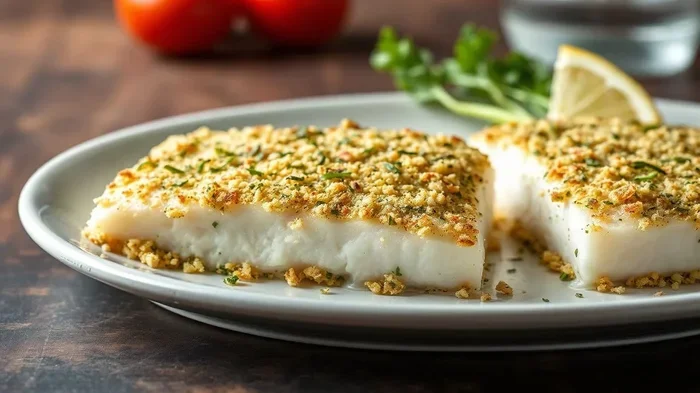
How To Oven Bake Halibut With Crispy Skin Every Time
Discover the foolproof method to how to oven bake halibut with perfectly crispy skin. This guide covers everything from choosing the freshest fillet to nailing the oven temperature and timing. You’ll get juicy, flaky fish with a golden crunch every single time.
You’re about to learn the simplest way to get perfect oven-baked halibut with crispy skin. This how to oven bake halibut guide gives you everything you need. No special tools. No fancy techniques. Just a hot oven, a little salt, and a whole lot of flavor.
Halibut is a firm, flaky white fish that cooks quickly and pairs with almost anything. When you bake it in the oven, you get a beautiful golden crust on the skin while the inside stays tender and juicy. Whether you’re cooking for a weeknight dinner or a weekend feast, this method never fails.
I’ll walk you through choosing the right fillet, drying the skin, setting the oven temperature, and adding flavors that make people ask for seconds. By the end, you’ll feel confident enough to make this dish every time. Let’s get started.
Key Takeaways
- Dry skin is the secret: Pat the fillet completely dry before seasoning for crispy results.
- High heat works best: Roast at 425°F to 450°F for a golden crust and tender interior.
- Season simply but smartly: Salt, pepper, garlic, and a squeeze of lemon elevate halibut without overpowering it.
- Timing matters more than you think: Bake just until the fish flakes easily with a fork to keep it moist.
- Use parchment or foil: Line your baking sheet for easy cleanup and even cooking.
- Rest the fish briefly: Let it sit for a few minutes after baking to lock in juices.
📑 Table of Contents
Why Oven-Baked Halibut Is a Weeknight Hero
Oven-baked halibut is one of the easiest healthy meals you can make. It takes less than 20 minutes from prep to plate. The oven does all the work, so you can set the table or toss a salad while the fish cooks.
Unlike pan-frying, baking uses dry heat that crisps the skin without extra oil. This means you get a light, flaky fillet that feels satisfying but won’t weigh you down. It’s a great source of lean protein and omega-3 fatty acids.
Once you master the basic how to oven bake halibut method, you can swap in different herbs, citrus, or spices. The possibilities are endless. You’ll always have a go-to recipe that feels special but stays simple.
The Skin-On Advantage
Always buy halibut with the skin on if you want that crispy texture. The skin acts as a protective layer during baking. It keeps the delicate flesh from drying out and provides a satisfying crunch when cooked correctly.
When the skin crisps up, it also helps hold the fillet together. This makes flipping unnecessary, which reduces the risk of breaking the fish. A skin-on fillet is simply easier to handle in the oven.
Fresh vs. Frozen Halibut
You can use either fresh or frozen halibut. If you’re using frozen, thaw it slowly in the refrigerator overnight. Never thaw it at room temperature, as that can affect the texture and safety.
Fresh halibut should smell clean and ocean-like, not fishy. The flesh should be firm and spring back when pressed. Both fresh and frozen work great for how to oven bake halibut, so choose what’s available and affordable.
Choosing the Best Halibut Fillet
Picking the right fillet sets you up for success. Look for pieces that are about 1 inch to 1.5 inches thick. Thinner fillets can overcook quickly, while very thick ones may need a few extra minutes.
Check the color. Fresh halibut should have a pearly white or light cream hue. Avoid any fillets that look yellow or gray, as that can indicate age. The skin should be shiny and moist, not slimy.
If you’re shopping at the fish counter, ask the seller to cut even portions. Uniform thickness ensures every piece cooks at the same rate. This small step makes a big difference in your final result.
Skin-On vs. Skin-Off
For crispy skin, always choose skin-on. Skin-off halibut can still bake well, but you lose that textural contrast. The skin also adds a layer of flavor that complements the mild taste of the fish.
If you prefer skinless, you can still follow the same temperature and timing. Just be extra careful not to overcook, since the flesh lacks the protective skin layer. Use a gentle touch when handling the fillet.
The Crispy Skin Secret: Prep and Seasoning
The most important step in how to oven bake halibut with crispy skin happens before it ever hits the oven. Preparing the skin correctly ensures it crisps up instead of turning rubbery or soggy.
Patting Dry Is Non-Negotiable
Take the fillet out of any packaging and pat it completely dry with paper towels. Press firmly on both sides, especially the skin. Moisture is the enemy of crispy skin. The drier the surface, the better the crunch.
Some people let the fillet rest on a wire rack for 10 minutes after patting. This allows even more surface moisture to evaporate. It’s a small step that makes a huge difference.
Seasoning for Flavor
Keep the seasoning simple to let the halibut shine. Start with a light coat of olive oil on the flesh side. Then sprinkle kosher salt and freshly ground black pepper on both sides.
For extra flavor, add minced garlic, a squeeze of lemon juice, or a pinch of smoked paprika. Fresh herbs like dill or thyme work beautifully too. Rub the seasonings gently into the flesh, but avoid touching the skin too much.
Quick Tips for Perfect Prep
- Always pat the skin dry with fresh paper towels.
- Use a light brush of oil to help salt adhere.
- Season the fillet just before baking to prevent drawing out moisture.
- Let the seasoned fillet sit at room temperature for 5 minutes before it goes in the oven.
Common Mistakes to Avoid
The biggest mistake is skipping the drying step. Wet skin steams instead of crisps, leaving you with a limp result. Another error is using too much salt, which can overpower the delicate fish.
Don’t crowd the baking sheet either. Leave space between fillets so hot air circulates evenly. Overcrowding leads to uneven cooking and soggy spots. One fillet per sheet is ideal for the best how to oven bake halibut results.
Expert Insight
Chef Maria Torres, a seafood specialist, always starts her halibut with a very dry skin. She says, “The drier the skin, the louder the sizzle when it hits the hot pan before baking. That initial sear locks in crispiness.” She also recommends a light dusting of cornstarch on the skin for extra crunch, a trick that works wonders.
How To Oven Bake Halibut: The Temperature and Timing Guide
Getting the oven temperature right is the key to crispy skin and tender flesh. A hot oven sets the crust quickly while gently cooking the inside. For most fillets, 425°F to 450°F is the sweet spot.
Preheat your oven for at least 10 minutes before the fish goes in. A fully preheated oven ensures even cooking from the start. Line a baking sheet with parchment paper or foil for easy cleanup.
Thickness and Timing Table
| Fillet Thickness | Oven Temp | Bake Time |
|---|---|---|
| 1 inch | 450°F | 10–12 minutes |
| 1.25 inches | 425°F | 12–15 minutes |
| 1.5 inches | 425°F | 15–18 minutes |
| 2 inches | 400°F | 18–22 minutes |
These times assume a room-temperature fillet. Always check for doneness early, as ovens vary. The fish is ready when it flakes easily with a fork and reaches an internal temperature of 145°F.
Should You Start on the Stovetop?
For extra crispy skin, try a two-step method. Heat a drizzle of oil in an oven-safe skillet over medium-high heat. Place the halibut skin-side down and sear for 2 minutes until the skin turns golden and crisp.
Then transfer the entire skillet into the preheated oven to finish baking. This technique gives you a restaurant-quality crust without any special equipment. It’s a game-changer for anyone serious about how to oven bake halibut.
Key Takeaways for Baking
- Preheat the oven fully before placing the fish inside.
- Use 425°F to 450°F for a balance of crisp skin and moist flesh.
- Bake until 145°F internal temperature for food safety and perfect doneness.
- Let the fish rest for 3 minutes after removing from the oven.
Flavor Boosters and Healthy Pairings
Halibut has a mild, sweet flavor that takes on whatever you pair with it. This makes it incredibly versatile for weeknight dinners or special occasions. A few simple additions can transform your how to oven bake halibut into a memorable meal.
Butter and Herb Finish
Top the fillet with a small pat of butter mixed with minced garlic and fresh parsley just before baking. As the butter melts, it bastes the fish and adds richness. This technique works especially well with thicker cuts.
You can also try a squeeze of fresh lemon juice after baking. The acidity brightens the flavor and cuts through the richness of the butter. A sprinkle of flaky sea salt on top adds a beautiful finishing touch.
Citrus and Spice Variations
- Mediterranean style: Top with sliced tomatoes, olives, and a drizzle of olive oil.
- Asian-inspired: Add a splash of soy sauce and sesame oil before baking.
- Smoky kick: Use smoked paprika and a pinch of cayenne pepper.
- Fresh and herbal: Dill, chives, and lemon zest make a bright combination.
Healthy Side Dishes
Halibut pairs wonderfully with roasted vegetables, quinoa, or a light salad. For a low-carb option, serve it alongside steamed broccoli or asparagus. If you’re looking for something more filling, try a side of brown rice or roasted sweet potatoes.
The beauty of oven-baked halibut is that it cooks while the sides roast in the same oven. You can prepare a complete meal with minimal cleanup. Just space the vegetables on a separate baking sheet and pop everything in at the same time.
Common Mistakes When Adding Flavors
Don’t overload the fillet with heavy sauces before baking. Wet marinades can steam the skin and prevent crisping. Instead, apply dry rubs or brush on a thin layer of oil-based flavoring.
Also, avoid adding delicate herbs too early. They can burn in the high heat. Add them in the last few minutes of baking or sprinkle them on top right after removing the fish from the oven.
Troubleshooting: Fixing Common Problems
Even with the best recipe, things can go wrong. Knowing how to fix common issues helps you salvage the meal and improve your technique for next time.
Why Is My Halibut Dry?
Overcooking is the most common reason for dry halibut. Fish continues to cook after you remove it from the oven, so pull it out when it still looks slightly underdone in the center. The residual heat will finish the job.
Another cause is using a fillet that’s too thin. If the halibut is less than 1 inch thick, reduce the oven temperature slightly and check it early. A quick visual cue is when the flesh turns opaque and starts to flake.
Why Isn’t the Skin Crispy?
If the skin isn’t crispy, moisture is likely the culprit. Make sure you pat the fillet thoroughly dry before seasoning. Also, ensure the oven is fully preheated. A cold oven lets the skin steam instead of crisp.
Using a hot skillet for a quick sear before baking can also rescue soggy skin. The initial contact with high heat jumpstarts the crisping process. This trick is especially helpful if you’re using a thicker fillet.
Why Does the Fish Stick to the Pan?
Sticking happens when the pan isn’t hot enough or when there’s not enough oil. Preheat your baking sheet or skillet before adding the fish. A light coat of oil on the skin side creates a barrier that prevents sticking.
If you’re using parchment paper, the fish may still stick if it’s very lean. Brushing a thin layer of oil on the skin solves this problem easily. The oil helps the skin release cleanly once baked.
Expert Insight on Troubleshooting
Seafood expert Jake Chen says, “The biggest secret to non-stick, crispy skin is patience. Let the oven do the work. Don’t open the door too often, as temperature drops cause condensation on the skin.” He also recommends using a wire rack over the baking sheet for even air circulation.
Quick Tips for Perfect Results Every Time
- Always preheat the oven for at least 10 minutes.
- Use a wire rack if you want the crispiest skin on all sides.
- Check the internal temperature with a meat thermometer.
- Rest the fish for 3 minutes before serving.
- Store leftovers in an airtight container and eat within 2 days.
Conclusion
Mastering how to oven bake halibut with crispy skin is easier than you think. The key lies in drying the skin, using the right oven temperature, and not overcooking the fish. With a little practice, you’ll achieve restaurant-quality results in your own kitchen.
Remember to keep the seasoning simple, let the quality of the fish shine, and pair it with fresh sides for a complete, healthy meal. Whether you’re new to cooking fish or a seasoned home chef, this method gives you confidence and consistency.
Now that you know the steps, it’s time to put them into action. Grab a fresh halibut fillet, preheat your oven, and enjoy the process. Crispy, flaky, perfectly baked halibut is just one hot oven away. You’ve got this.
Frequently Asked Questions
What is the best temperature to oven bake halibut?
The ideal temperature is 425°F to 450°F. This range creates a crispy skin while keeping the inside tender and juicy. Always preheat your oven fully before baking the fish.
How long should I bake halibut per inch of thickness?
For a 1-inch fillet, bake for 10 to 12 minutes at 450°F. Thicker cuts need 15 to 18 minutes at 425°F. Use a meat thermometer to check for 145°F internal temperature.
Should I cover halibut with foil when baking?
No, leave it uncovered for crispy skin. Foil traps steam and prevents the skin from crisping. Use parchment paper on the baking sheet instead for easy cleanup without steaming the fish.
Can I bake halibut from frozen?
Yes, but thaw it first for the best results. Place the frozen fillet in the refrigerator overnight. Baking from frozen can lead to uneven cooking and a softer texture, especially on the skin.
How do I get crispy skin on halibut every time?
The secret is a completely dry surface. Pat the skin thoroughly with paper towels, let it rest for a few minutes, then brush with a thin layer of oil. High oven heat and a preheated pan or skillet also make a big difference.
What are the best seasonings for oven-baked halibut?
Keep it simple with kosher salt, black pepper, garlic, and lemon. Fresh herbs like dill or thyme add brightness. For a bolder flavor, try smoked paprika or a light brush of soy sauce mixed with sesame oil.