Bacon In The Oven What Temperature For Crispy Perfection
Bacon in the oven what temperature is the most common question home cooks ask. The ideal oven-baked bacon temperature is 400°F for crispy results in about 15 to 20 minutes. This guide covers oven bacon temperature settings, timing tips, and mistakes to avoid for perfectly crispy bacon in oven every single time.
There is nothing quite like the smell of bacon filling up your kitchen. Whether you are making breakfast for a crowd or just treating yourself, bacon in the oven what temperature to use can make or break your morning. Many people still fry bacon on the stovetop, but the oven method is simpler, faster, and produces more consistent results.
If you have ever wondered about the oven temperature for bacon, you are not alone. This is one of the most searched cooking questions online. The good news is that once you know the right bacon oven settings, you will never go back to the skillet. In this guide, we will walk you through everything you need to know about baking bacon in oven for crispy perfection.
Key Takeaways
- Best Temperature: 400°F is the sweet spot for most bacon types.
- Timing Matters: Thin bacon takes 12 to 15 minutes; thick bacon needs 20 to 25 minutes.
- Line Your Pan: Use parchment paper or foil to prevent bacon splatter and easy cleanup.
- Use a Rack: A bacon rack promotes even cooking and renders fat better.
- Avoid Common Mistakes: Don’t crowd the pan and don’t skip the preheat step.
- Thick vs Thin: Adjust temperature and time based on your bacon cut.
- Rest and Drain: Let bacon cool on paper towels for maximum crispiness.
📑 Table of Contents
The Best Oven Temperature for Bacon
The oven bacon temperature that most experts recommend is 400°F. This heat level cooks bacon evenly, renders the fat properly, and delivers that satisfying crunch without burning. At 400°F, your crispy bacon in oven will be ready in roughly 15 to 20 minutes, depending on the thickness of your slices.
Some cooks prefer a lower temperature like 350°F for a slower cook. This low and slow bacon approach can work well for thick-cut varieties. However, 400°F remains the most popular choice for everyday cooking. It strikes the perfect balance between speed and texture.
Why 400°F Works So Well
At 400°F, the heat surrounds every piece of bacon evenly. The fat begins to render quickly, which is what gives you that crispy texture. If the temperature is too low, the bacon will steam instead of roast, leaving you with floppy, chewy strips. If it is too high, the edges will burn before the center cooks through.
Here are a few reasons why 400°F is the gold standard for oven-baked bacon:
- It renders fat fast and evenly across all slices.
- It reduces grease splatter compared to stovetop cooking.
- It allows you to cook large batches at once.
- It produces uniform color and texture on every piece.
How Long to Cook Bacon in the Oven
Knowing the bacon cooking time is just as important as knowing the temperature. The time varies based on how thick your bacon is and how crispy you like it. Let us break it down so you can plan your breakfast with confidence.
Thin-Cut Bacon Timing
Thin-cut bacon cooks quickly. At 400°F, it usually takes about 12 to 15 minutes. Check it at the 12-minute mark. If the strips still look floppy, give them another 2 to 3 minutes. Thin bacon goes from perfectly crisp to burnt fast, so keep an eye on it.
Thick-Cut Bacon Timing
Thick-cut bacon needs more time. Plan for 20 to 25 minutes at 400°F. The extra thickness means the fat takes longer to render. Some people drop the temperature to 375°F for thick slices to give the fat more time to melt without scorching the meat.
Chewy vs. Crispy: Adjusting Your Time
Your personal preference plays a big role in timing. If you like chewy bacon, pull it out a few minutes early. If you want extra crispy bacon, add a couple more minutes. Remember that bacon continues to crisp up as it cools, so take it off the pan just before it reaches your ideal texture.
Thick vs Thin Bacon: Temperature Adjustments
Not all bacon is created equal. The thickness of your bacon changes how you should set the oven temperature for bacon. Understanding this difference helps you avoid undercooked or burnt results every time.
Thin Bacon: Higher Heat, Shorter Time
Thin bacon works great at 400°F. The high heat crisps it up fast, and the short cook time keeps it from drying out. This is the kind of bacon you see in diners and delis. It is perfect for sandwiches, burgers, and quick breakfasts.
Thick Bacon: Lower Heat, Longer Time
Thick-cut bacon benefits from a slightly lower temperature, around 375°F. This gives the fat more time to render without burning the meat. Some cooks start at 375°F and finish at 400°F for the last few minutes to get the best of both worlds.
Comparison Table: Thin vs Thick Bacon
| Bacon Type | Temperature | Cook Time | Best For |
|---|---|---|---|
| Thin-Cut | 400°F | 12 to 15 minutes | Sandwiches, burgers, quick snacks |
| Thick-Cut | 375°F to 400°F | 20 to 25 minutes | Breakfast plates, salads, hearty meals |
| Extra Thick | 375°F | 25 to 30 minutes | Center-cut, premium bacon |
These times are guidelines. Your oven may run hot or cool, so always check your bacon a few minutes before the suggested finish time. Every oven-baked bacon experience is slightly different, and that is part of the fun.
Step-by-Step Guide to Oven-Baked Bacon
Now that you know the bacon in the oven what temperature to use, let us walk through the process step by step. This method is foolproof and works with almost any type of bacon.
Step 1: Preheat Your Oven
Always preheat your oven to 400°F before placing the bacon inside. A hot oven ensures even cooking from the moment the bacon goes in. Skipping the preheat step leads to uneven results and longer cook times.
Step 2: Line Your Baking Sheet
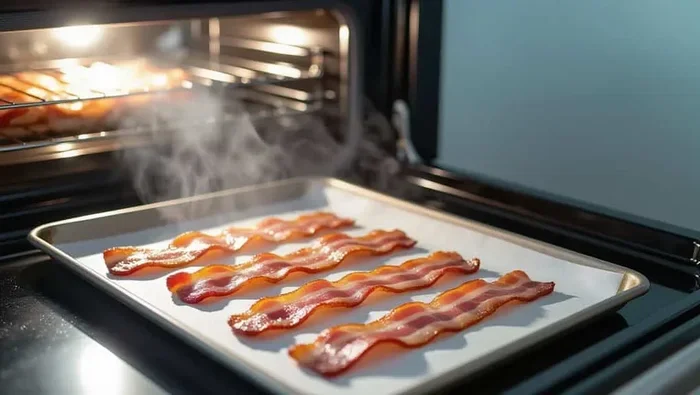
Line a sheet pan with parchment paper or aluminum foil. This simple step makes cleanup a breeze and reduces bacon splatter. Parchment paper is the best choice because it prevents sticking and promotes even browning.
Step 3: Arrange the Bacon Strips
Lay the bacon strips flat on the pan. Leave a small gap between each piece so the hot air circulates freely. Crowding the pan leads to uneven cooking and soggy spots. For extra crispy results, place the bacon on a wire rack set over the sheet pan.
Step 4: Bake and Watch
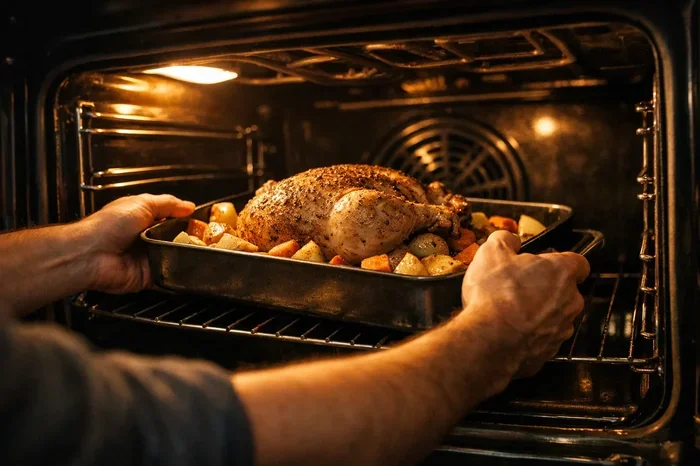
Put the pan in the oven on the middle rack. Set a timer for 12 minutes if you are using thin bacon or 20 minutes for thick bacon. Check the bacon at the halfway point and rotate the pan if needed for even coloring.
Step 5: Drain and Serve
Remove the bacon from the oven and transfer it to a plate lined with paper towels. This absorbs excess grease and keeps the bacon crispy. Let it cool for a minute or two before serving. The bacon grease you collect on the foil or parchment paper can be saved for cooking later.
Common Mistakes to Avoid
Even experienced cooks make mistakes when baking bacon. Knowing what to avoid saves time, ingredients, and frustration. Here are the most common oven-baked bacon mistakes and how to fix them.
Skipping the Parchment Paper
Some people skip lining their pan to save time. This is a mistake. Without parchment paper, the bacon sticks to the pan, and cleanup becomes a nightmare. The bacon grease also spreads all over the sheet pan, making it harder to wash.
Overcrowding the Pan
It is tempting to fit as many slices as possible on one pan. Resist this urge. Overcrowding traps steam and creates uneven cooking. Give each strip room to breathe for the best crispy bacon in oven results.
Not Preheating the Oven
Placing bacon into a cold oven is one of the biggest errors you can make. The bacon will cook too slowly, and the fat will not render properly. Always preheat to your target oven bacon temperature before adding the pan.
Ignoring the Bacon Splatter
Even in the oven, bacon can splatter. Covering the pan with foil for the first few minutes can help. Just remove the foil halfway through to allow the bacon to crisp up properly.
Tips for Perfectly Crispy Bacon Every Time
Getting perfectly crispy bacon every time comes down to a few small details. These oven baked bacon tips will take your breakfast game to the next level.
Use a Wire Rack
A wire rack elevates the bacon above the grease. This allows the fat to drip away while the bacon cooks, resulting in even crispiness on all sides. It is a small investment that makes a big difference.
Pat the Bacon Dry First
Before placing the bacon on the pan, pat the slices dry with a paper towel. Excess moisture on the surface creates steam, which prevents crisping. Dry bacon = crispy bacon.
Let It Rest on Paper Towels
Once the bacon comes out of the oven, place it on fresh paper towels. This absorbs any remaining grease and keeps the texture crispy. Do not leave bacon sitting on a plate lined with paper towels for too long, or it will lose its crunch.
Save Your Bacon Grease
Do not throw away the bacon grease. Strain it through a fine mesh sieve and store it in a jar in the fridge. Bacon grease is a fantastic cooking fat for eggs, potatoes, and even popcorn. It adds incredible flavor to any dish.
Experiment with Flavors
Plain bacon is great, but you can take it up a notch. Sprinkle brown sugar or black pepper on the strips before baking for a flavor boost. Some people add a drizzle of maple syrup in the last few minutes of cooking for a sweet and savory treat.
How to Tell When Bacon Is Done
Knowing when your bacon doneness is just right can be tricky. Undercooked bacon is chewy and greasy, while overcooked bacon is brittle and bitter. Here is how to spot the perfect moment to pull your bacon out of the oven.
Look for bacon that is golden brown and the edges are slightly curled. The fat should look translucent and slightly bubbly. When you touch the strip with tongs, it should feel firm but still have a slight bend. If it feels limp, it needs more time. If it feels stiff and hard, it may be overdone.
Remember that bacon continues to crisp as it cools. So pulling it off the pan just slightly before your ideal doneness is the smart move. This is called carryover cooking, and it works wonders for crispy bacon in oven results.
Frequently Asked Questions
What is the best temperature to cook bacon in the oven?
The best oven temperature for bacon is 400°F. This setting cooks bacon evenly and delivers crispy results in 15 to 20 minutes. For thick-cut bacon, you can lower it to 375°F to prevent burning while the fat renders fully.
How long does it take to bake bacon at 400°F?
At 400°F, thin bacon takes about 12 to 15 minutes, while thick bacon needs 20 to 25 minutes. The exact bacon cooking time depends on how crispy you like it and the thickness of your slices. Always check a few minutes before the minimum time to avoid overcooking.
Do you need to flip bacon when baking it in the oven?
No, you do not need to flip bacon when baking it in the oven. The heat surrounds the bacon evenly, so it cooks on both sides without any flipping. However, rotating the pan halfway through helps ensure even browning on all strips.
Can you use aluminum foil instead of parchment paper for oven bacon?
Yes, aluminum foil works as a liner for oven-baked bacon. It makes cleanup easy and catches the grease. However, parchment paper is slightly better because it prevents sticking and promotes more even browning. Avoid using wax paper, as it can burn in a hot oven.
Is it better to cook bacon in the oven or on the stovetop?
Most people find that baking bacon in oven is easier and more consistent than stovetop cooking. The oven method reduces grease splatter, allows you to cook large batches, and produces uniform results every time. Stovetop cooking gives you more control over individual strips but requires more attention.
What temperature should you use for extra crispy bacon?
For extra crispy bacon in oven, stick with 400°F and extend the cooking time by 2 to 3 minutes. Make sure the bacon is on a wire rack or parchment paper for the best results. Pulling the bacon off the pan while it is still slightly underdone allows it to reach peak crispiness as it cools.
Conclusion
Getting bacon in the oven what temperature right is simpler than most people think. The sweet spot is 400°F for most bacon types, with cook times ranging from 12 minutes for thin slices to 25 minutes for thick cuts. Once you master these oven bacon temperature basics, you will never worry about uneven results or burnt strips again.
The oven-baked bacon method is a game changer. It is hands-off, easy to clean up, and produces restaurant-quality results in your own kitchen. Whether you prefer thin and crispy or thick and chewy, adjusting the bacon oven settings is all it takes to get exactly what you want.
Remember the key tips: preheat your oven, line your pan, give each strip room to breathe, and let the bacon rest on paper towels after cooking. Save your bacon grease for future cooking, and experiment with flavors to keep things interesting.
Now that you know everything about baking bacon in oven, it is time to put this knowledge to work. Fire up your oven, grab your favorite bacon, and enjoy a breakfast that is crispy, delicious, and perfectly cooked every single time.