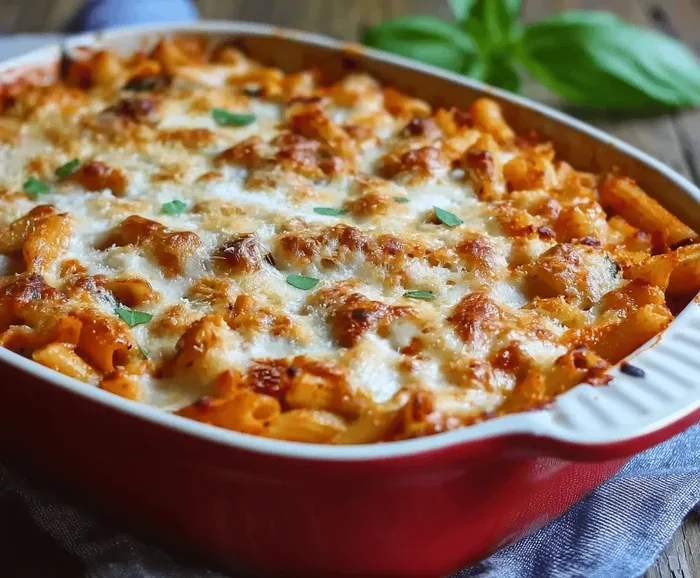
How Do You Bake Pasta In The Oven Without Boiling
Baking pasta in the oven without boiling it first is a game-changing cooking hack that saves time, water, and energy. This method works because oven-ready or no-boil pasta absorbs liquid directly in the dish, cooking perfectly as it bakes. You will learn the exact technique, best pasta types, and pro tips for a flawless baked pasta in the oven every single time.
Have you ever wanted to make a pasta bake but dreaded the boiling step? Maybe you are short on time, short on pots, or simply tired of standing over a hot stove. The good news is that you can bake pasta in the oven without boiling it first. This method is simpler, faster, and produces incredibly delicious results.
The secret is using no-boil pasta or oven-ready noodles that are designed to cook directly in the dish. Combined with the right amount of sauce and a covered baking dish, these noodles soften, absorb flavor, and cook through perfectly in the oven. Whether you are making a classic baked ziti, a layered lasagna, or a simple pasta casserole, this technique changes everything.
In this guide, I will walk you through every step of the process. You will learn which pasta types work best, how to layer your ingredients, what temperature to use, and how to avoid common mistakes. By the end, you will never go back to boiling pasta before baking again.
Key Takeaways
- Skip the boiling step: You can bake dry pasta directly in a casserole dish with enough sauce and liquid.
- Use oven-ready or no-boil pasta: These noodles are designed to cook fully inside the oven.
- Add extra liquid: Sauce, broth, or water must cover the pasta since there is no pre-cooking step.
- Cover with foil: Trapping steam helps the pasta cook evenly and absorb moisture properly.
- Bake at 375°F to 400°F: This temperature range ensures thorough cooking without drying out the dish.
- Let it rest after baking: Resting allows the pasta to finish absorbing liquid and sets the layers.
- No-boil method saves 15-20 minutes: You skip the pot, the boiling water, and the draining step entirely.
📑 Table of Contents
- Why Bake Pasta Without Boiling It First?
- Which Pasta Types Work Best for No-Boil Baking?
- Step-by-Step: How to Bake Pasta in the Oven Without Boiling
- Common Mistakes to Avoid When Baking Pasta Without Boiling
- Expert Tips for the Perfect Baked Pasta
- Quick Tips for Success
- Popular Baked Pasta Recipes to Try
- Conclusion
Why Bake Pasta Without Boiling It First?
There are several real reasons to try the no-boil pasta bake method. Let us look at why this approach is worth your time.
It Saves Time
Boiling pasta takes 8 to 12 minutes depending on the type. Then you have to drain it. Then you assemble and bake. When you skip the boiling step, you cut out a whole chunk of prep time. The no-boil pasta bake goes straight from dry noodles to a finished dish in one container.
It Saves Water and Energy
Boiling a large pot of water uses a lot of energy. When you bake pasta directly, you do not need to heat up a big pot on the stove. This is a great way to save energy while cooking and keep your kitchen cooler, especially during summer months.
The Pasta Absorbs More Flavor
When pasta bakes in sauce instead of sitting in a colander, it soaks up all the flavors. The noodles become infused with your sauce, cheese, and seasonings. This means every bite tastes richer and more complex compared to boiled pasta that is just tossed in sauce after cooking.
It Reduces Cleanup
One pot, one baking dish, and you are done. There is no starchy pot to scrub and no colander to clean. The one-dish pasta bake method keeps your kitchen tidy and your cleanup time to a minimum.
Which Pasta Types Work Best for No-Boil Baking?
Not all pasta is created equal when it comes to oven baking. Some shapes and types are specifically designed to cook without pre-boiling. Let us break down the best options for your oven baked pasta dish.
No-Boil or Oven-Ready Pasta
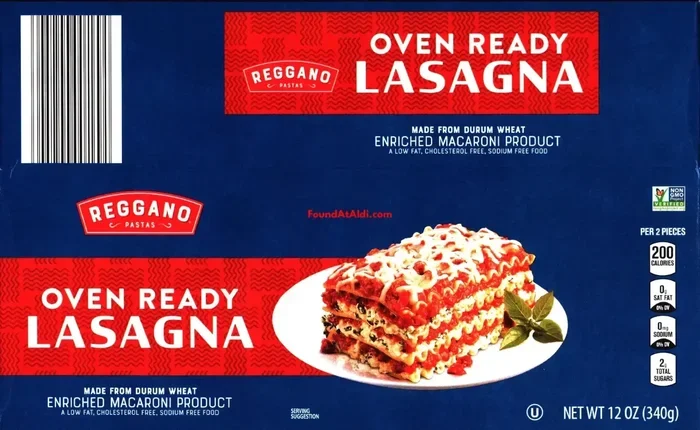
This is the best choice for baking pasta without boiling. Brands like Barilla and De Cecco make oven-ready lasagna sheets and flat noodles that are thinner than regular pasta. They are designed to absorb liquid during baking and cook through completely in the oven. You can find these at most grocery stores in the pasta aisle.
Small Shapes Like Penne and Rigatoni
Small, tube-shaped pastas work well for oven baked pasta casseroles. Penne, rigatoni, and ditalini have hollow centers that trap sauce. They also have more surface area, which helps them absorb liquid as they bake. Just make sure you use enough sauce to fully cover the noodles.
Broken Spaghetti or Linguine
If you are making a baked pasta dish with long noodles, breaking them into shorter pieces works great. Broken spaghetti or linguine fits nicely into a casserole dish and cooks evenly in the oven. This is a popular trick for easy baked pasta recipes.
Fresh Pasta
Fresh pasta is thinner and more delicate than dried pasta. It can cook through in the oven without boiling, especially if you use a saucy, moist recipe. However, fresh pasta absorbs liquid faster, so watch your bake time carefully.
| Pasta Type | Best For | Needs Pre-Boiling? |
|---|---|---|
| No-boil / Oven-ready noodles | Lasagna, baked ziti, pasta bake | No |
| Penne, Rigatoni | Casseroles, baked pasta dishes | No (with enough sauce) |
| Broken Spaghetti | One-dish baked pasta | No (with enough sauce) |
| Fresh Pasta | Light baked pasta dishes | Usually no |
| Thick Dried Lasagna Sheets | Traditional lasagna | Yes (unless oven-ready) |
Step-by-Step: How to Bake Pasta in the Oven Without Boiling
Now let us get into the actual process. Follow these steps for a perfect baked pasta in the oven every time.
Step 1: Choose the Right Baking Dish
Use a deep casserole dish or baking pan. A 9×13-inch dish works perfectly for most recipes. The dish should be deep enough to hold all the noodles, sauce, and cheese without overflowing. A glass or ceramic dish works best because it heats evenly.
Step 2: Add Sauce First
Spread a thin layer of sauce on the bottom of the dish. This prevents the pasta from sticking. Your sauce should be a little thinner than normal because the pasta will absorb a lot of liquid as it bakes. You can thin your sauce with a bit of pasta water, broth, or even milk.
Step 3: Layer the Dry Pasta
Place your dry, unboiled pasta directly into the dish. Spread it out in an even layer. Make sure the noodles are fully submerged in sauce. If your noodles stick out above the sauce, they will dry out and not cook properly.
Step 4: Add More Sauce and Liquid
Pour additional sauce over the top of the pasta. The pasta needs to be covered by at least half an inch of liquid. You can also add a splash of broth or water if your sauce is thick. The no-boil method relies on this extra liquid to cook the noodles through.
Step 5: Add Cheese and Seasonings
Sprinkle cheese on top. Mozzarella, parmesan, and ricotta all work great. Add any seasonings you like, such as garlic, Italian herbs, red pepper flakes, or salt. The cheese forms a golden crust during baking and adds incredible flavor.
Step 6: Cover and Bake
Cover the dish tightly with aluminum foil. This traps steam and helps the pasta cook evenly. Bake at 375°F to 400°F for about 30 to 40 minutes. The exact time depends on your pasta type and the thickness of your layers.
Step 7: Uncover and Brown
Remove the foil for the last 10 to 15 minutes of baking. This allows the top to turn golden and crispy. Keep an eye on it so the cheese does not burn.
Step 8: Let It Rest
Take the dish out of the oven and let it sit for 10 to 15 minutes. This resting period is crucial. The pasta continues to absorb liquid and the layers set up, making it much easier to serve clean portions.
Common Mistakes to Avoid When Baking Pasta Without Boiling
Even though the no-boil pasta bake method is simple, there are a few mistakes that can ruin your dish. Here is what to watch out for.
Not Using Enough Liquid
This is the number one mistake people make. Dry pasta needs plenty of liquid to cook in the oven. If your sauce is too thick or you do not add enough, the pasta will come out hard and undercooked in the center. Always make sure the noodles are fully covered with sauce or liquid before they go in the oven.
Using Pasta That Is Too Thick
Thick dried pasta sheets or very large noodle shapes may not cook through properly without pre-boiling. Stick with thin oven-ready noodles or small shapes that can absorb liquid quickly. If you must use thick noodles, consider par-cooking them for just 2 minutes before baking.
Baking Too Long
Overbaking dries out the pasta and turns your dish into a crunchy mess. Follow the recommended bake time and check for doneness by inserting a fork into the center of the dish. The pasta should be tender and fully cooked.
Skipping the Resting Time
It is tempting to dig in right away, but resting is important. When you skip the rest, the pasta is too loose and watery. Giving it 10 to 15 minutes lets everything set and makes serving much cleaner.
Overloading with Cheese on Top
Too much cheese on top can burn quickly during the uncovered baking phase. Use a moderate amount and spread it evenly. You can always add extra cheese after baking if you want more.
Expert Tips for the Perfect Baked Pasta
Take your oven baked pasta from good to amazing with these proven tips.
Use a Mix of Sauces
Combining a thin tomato sauce with a creamy béchamel or ricotta mixture gives your baked pasta depth and richness. The thin sauce cooks the noodles while the creamy layer adds flavor and moisture. This is the secret behind restaurant-quality pasta al forno dishes.
Add Vegetables for Extra Moisture
Spinach, zucchini, mushrooms, and roasted red peppers release moisture as they bake. This extra liquid helps cook the pasta and adds nutrition and flavor. Sauté your vegetables briefly before adding them to remove excess water and concentrate their flavor.
Season Between Layers
Do not just season the top. Sprinkle salt, pepper, garlic powder, and dried herbs between each layer of pasta. This builds flavor throughout the entire dish instead of just on the surface.
Make Ahead and Freeze
No-boil baked pasta dishes freeze beautifully. Assemble the dish, cover it tightly, and freeze before baking. When you are ready to eat, thaw it overnight in the fridge and bake as directed. This makes easy weeknight dinner planning a breeze.
Experiment with Different Cheeses
Try a blend of mozzarella for melt, parmesan for sharp flavor, and a touch of gouda or fontina for creaminess. Different cheeses bring different qualities to your pasta casserole, so do not be afraid to mix and match.
Quick Tips for Success
- Always check the pasta package instructions. Some no-boil noodles have specific liquid and time requirements.
- Thin your sauce slightly if it is very thick. The pasta needs extra moisture to cook through.
- Use a deep dish to prevent overflow and give the pasta room to expand.
- Preheat your oven before placing the dish inside for even cooking.
- Check doneness at 30 minutes. Every oven is different, so start checking early.
- Let the dish rest before cutting. This makes serving cleaner and the texture better.
- Store leftovers in the fridge for up to 4 days. Reheat in the oven for best results.
Popular Baked Pasta Recipes to Try
Now that you know the technique, here are some popular pasta bake recipes you can try at home using the no-boil method.
Baked Ziti
This classic Italian-American dish uses penne pasta layered with ricotta, mozzarella, and a rich meat or tomato sauce. It is one of the most popular oven baked pasta recipes and works perfectly with the no-boil method. The tube shape holds sauce beautifully and cooks evenly in the oven.
Lasagna Without Boiling
Using oven-ready lasagna sheets, you can build a full layered lasagna without ever turning on the stove. Layer the sheets with sauce, ricotta, spinach, and mozzarella. Bake, rest, and serve. This is the easiest lasagna recipe for busy weeknights.
Baked Pasta with Roasted Vegetables
Toss roasted cherry tomatoes, eggplant, and bell peppers with dry pasta and sauce. Bake until the noodles are tender and the top is bubbly and golden. This is a healthy, flavorful vegetable pasta bake that the whole family will love.
Creamy Baked Pasta
For a rich and indulgent dish, use a creamy alfredo or béchamel sauce as your base. Mix in cooked chicken, sun-dried tomatoes, or broccoli. The creamy sauce provides plenty of moisture for the no-boil noodles to absorb during baking.
Conclusion
Baking pasta in the oven without boiling is one of the easiest and most rewarding cooking techniques you can learn. It saves time, reduces cleanup, and produces a dish that is full of flavor from edge to center. Whether you are making a simple pasta bake for dinner tonight or planning a make-ahead meal for the week ahead, this method delivers every time.
The key is to use the right pasta, add enough liquid, cover the dish during baking, and let it rest before serving. Follow the steps in this guide and you will have a perfect oven baked pasta dish with minimal effort. Once you try this method, you will wonder why you ever bothered boiling pasta first.
So next time you are in the mood for a warm, cheesy, comforting pasta bake, skip the pot and go straight to the oven. Your baked pasta in the oven will turn out delicious, and you will have more time to enjoy it with the people you love.
Frequently Asked Questions
Can I use regular dried pasta without boiling it first?
Yes, you can use regular dried pasta in a baked dish without boiling it first, but you must ensure there is enough liquid in the dish. Use a thin, watery sauce and add extra broth or water so the pasta is fully submerged. The pasta will absorb the liquid as it bakes and cook through. This works best with small shapes like penne or rigatoni.
How long does no-boil pasta take to bake?
Most no-boil pasta dishes bake for 30 to 45 minutes at 375°F to 400°F. The exact time depends on the thickness of your layers and the type of pasta you use. Check for doneness by inserting a fork into the center of the dish. The pasta should be tender and there should be no hard, crunchy pieces remaining.
What is the difference between oven-ready pasta and regular pasta?
Oven-ready pasta, also called no-boil pasta, is thinner and designed to cook fully in the oven using only the moisture from your sauce. Regular dried pasta is thicker and typically needs to be boiled before baking. Oven-ready noodles absorb liquid more efficiently and require less total liquid in your recipe compared to regular dried pasta.
Can I make a baked pasta dish ahead of time?
Absolutely. Baked pasta dishes are perfect for meal prep. You can assemble the dish the night before, cover it tightly with plastic wrap or foil, and refrigerate it. When you are ready to bake, remove it from the fridge, let it come to room temperature for 15 minutes, and then bake as directed. You may need to add a few extra minutes to the bake time if the dish is cold.
Why is my baked pasta dry and crunchy?
A dry, crunchy baked pasta usually means there was not enough liquid in the dish. The pasta needs sufficient sauce, broth, or water to cook through without boiling first. It can also happen if you baked the dish for too long or used a dish that was too shallow, causing the liquid to evaporate too quickly. Make sure your noodles are fully covered with liquid before baking.
Can I freeze a no-boil baked pasta dish?
Yes, no-boil baked pasta freezes very well. Assemble the dish but do not bake it. Wrap it tightly in aluminum foil and plastic wrap, then freeze for up to 3 months. When you are ready to eat, thaw it in the refrigerator overnight and bake it covered with foil. Remove the foil for the last 10 minutes to brown the top. This is one of the best make-ahead dinner options for busy families.
=== CONCLUSION ===
Baking pasta in the oven without boiling is a simple, smart, and delicious approach to making one of the world’s most beloved comfort foods. You save time, save energy, and end up with a dish that is rich in flavor because every noodle absorbs the sauce directly. The no-boil pasta bake method works with a wide variety of pasta shapes, sauces, and add-ins, making it incredibly versatile for any meal.
Remember to use enough liquid, choose the right pasta type, cover your dish while baking, and always let it rest before serving. These small steps make a huge difference in the final result. With the tips and techniques shared in this guide, you are fully equipped to make a perfect baked pasta in the oven whenever the craving strikes.
Try this method with your favorite recipe this week and see how easy and rewarding it can be. Once you experience the convenience and taste of a no-boil pasta bake, you will never look back. Happy baking!