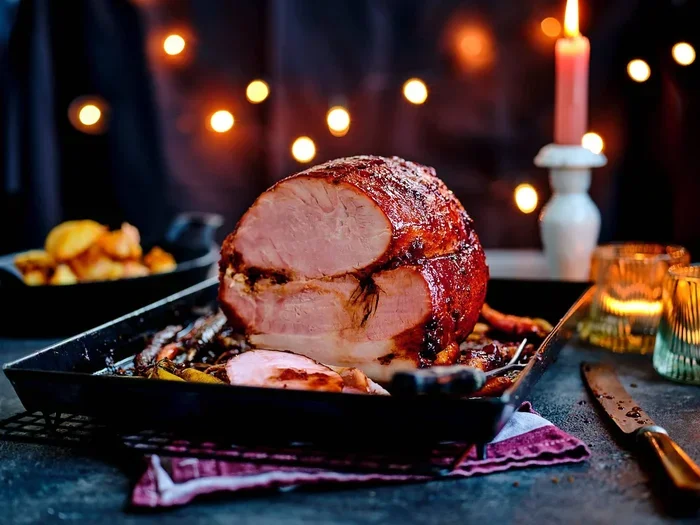
How Long To Cook 9Lb Ham In The Oven For Best Results
How long to cook 9lb ham in the oven depends on the type of ham, but most recipes call for baking at 325°F for 2.5 to 4 hours. A bone-in ham needs about 18 to 22 minutes per pound, while a boneless ham takes 20 to 25 minutes per pound. Always use a meat thermometer and let the ham rest before slicing for the juiciest results.
Roasting a 9lb ham in the oven is easier than you think. The secret lies in knowing the right oven temperature and cooking time. Whether you’re preparing a holiday ham for Christmas or an Easter ham for Sunday dinner, this guide covers everything. You’ll learn how long to cook 9lb ham in the oven, from prep to the final glaze. A perfectly baked ham should be juicy, tender, and full of flavor. With a few simple steps, you’ll serve a show-stopping centerpiece that everyone will rave about.
Before you turn on the oven, it helps to understand what kind of ham you have. Is it bone-in or boneless? Pre-cooked or raw? These details change your timeline. I’ll walk you through each scenario so you can plan with confidence. By the end, you’ll know exactly how to get that golden, caramelized finish every time.
Key Takeaways
- Plan for 2.5 to 4 hours: A 9lb ham bakes at 325°F, with bone-in taking less time and boneless taking longer.
- Use a meat thermometer: Target 140°F for pre-cooked ham and 145°F for raw ham to ensure safety and juiciness.
- Glaze in the last 45 minutes: Applying glaze too early can cause burning; two coats give the best shine.
- Rest the ham for 15 to 20 minutes: This lets juices redistribute and prevents dry slices.
- Bone-in vs. boneless matters: Bone-in hams offer more flavor and a classic look, while boneless hams are easier to slice.
- Avoid common mistakes: Skipping the rest, overcooking, and using the wrong pan can ruin an otherwise perfect ham.
📑 Table of Contents
- How Long To Cook 9Lb Ham In The Oven: Time & Temperature Guide
- Choosing the Right 9Lb Ham for Your Oven
- Step-by-Step Oven Preparation
- Cooking Time Breakdown for a 9Lb Ham
- Glazing and Basting Your Ham
- Resting, Slicing, and Serving Your Ham
- Common Mistakes to Avoid When Cooking Ham
- Expert Insights: How to Get the Best Results
- Conclusion
How Long To Cook 9Lb Ham In The Oven: Time & Temperature Guide
The most common question is: how long to cook 9lb ham in the oven? The answer depends on the type of ham and your oven setup. A general rule is to bake at 325°F (165°C). For a bone-in ham, plan for about 18 to 22 minutes per pound. For a boneless ham, it’s closer to 20 to 25 minutes per pound. That means a 9lb bone-in ham takes roughly 2.5 to 3.5 hours. A boneless ham may need 3 to 4 hours. Always use a meat thermometer to check the ham internal temperature. The target is 145°F for raw ham and 160°F for pre-cooked ham that you’re reheating.
Bone-In vs. Boneless: What’s the Difference?
A bone-in ham comes with the leg bone still inside. It adds flavor during cooking and makes a beautiful presentation. However, it can be trickier to slice evenly. A boneless ham is easier to handle and slice. It often comes rolled and tied. Both work great in the oven, but the cooking time varies slightly. The bone acts as insulation, so bone-in hams might cook a bit faster per pound.
Pre-Cooked vs. Raw Ham: Know What You’re Buying
Most hams sold in grocery stores are pre-cooked. They only need reheating. This is a big time saver. A raw ham (also called fresh ham) needs full cooking from raw to safe temperature. If you’re unsure, check the label. It will say “cook before eating” or “fully cooked.” For a pre-cooked 9lb ham, you’re mainly reheating. For a raw ham, you need to reach a safe internal temperature of 145°F and rest for 3 minutes.
Recommended Oven Temperature for Ham
Set your oven to 325°F. This low and steady heat prevents the outside from drying out before the inside is warm. Some recipes call for 350°F, but 325°F gives you more control. It’s the sweet spot for a juicy oven-baked ham. If you’re in a rush, you can go to 350°F, but watch the time closely. I always stick with 325°F for a 9lb ham.
Choosing the Right 9Lb Ham for Your Oven
Not all hams are the same. The cut you choose affects cooking time, flavor, and how you serve it. Here’s a closer look at your options.
Bone-In Ham: Flavor and Presentation
A bone-in ham is a classic choice for holidays. The bone adds rich flavor to the meat. It also makes a stunning centerpiece on the table. You’ll often see these at Christmas and Easter gatherings. When buying a 9lb bone-in ham, look for one that’s well-trimmed but still has a nice layer of fat. That fat keeps the ham moist as it cooks.
Boneless Ham: Easier Slicing and Serving
A boneless ham rolls up neatly and slices like a big piece of deli meat. It’s perfect if you want even pieces without fighting the bone. Boneless hams are often sold in cans or bags. They’re usually pre-cooked and just need reheating. A 9lb boneless ham will fit in most standard roasting pans.
Spiral Ham vs. Whole Ham
A spiral ham comes pre-sliced in a spiral cut. It’s super easy to serve because the slices are already separated. Whole hams need to be carved yourself. Spiral hams are often bone-in, but the slices make serving a breeze. For a 9lb spiral ham, cooking time is similar to a bone-in ham, but you might want to cover the slices with foil to prevent drying.
Step-by-Step Oven Preparation
Getting your oven ready is simple. Follow these steps for a stress-free cooking experience.
Preheat and Pan Setup
Preheat your oven to 325°F. While it heats, place a rack in the lower third of the oven. This position helps the ham cook evenly. Set a roasting pan on the lower rack. Add about 1 cup of water, apple juice, or broth to the bottom of the pan. This creates steam and prevents drippings from burning. If you have a rack that fits inside the pan, use it. It lifts the ham and allows air to circulate.
Foil Tent Method for Moisture
Covering the ham with foil is a game-changer. It traps steam and keeps the meat juicy. I like to make a loose tent with heavy-duty aluminum foil. Don’t wrap it tightly; you want some air inside. The foil goes over the top of the ham, leaving the sides open slightly. Remove the foil during the last 30 to 45 minutes to let the glaze set and the outside get golden. This foil tent ham technique is one of the best-kept secrets for a moist result.
Adding Liquid for Steam
Adding liquid to the pan does more than prevent burning. It adds a bit of moisture to the oven environment. You can use water, apple cider, or even cola for a hint of sweetness. Some cooks add whole cloves or a cinnamon stick for extra flavor. I keep it simple with water or apple juice. The liquid also makes it easier to baste the ham later. A quick Quick Tip: if you’re using a pre-cooked ham, you can skip the liquid and just add a little water to keep the pan from smoking.
Cooking Time Breakdown for a 9Lb Ham
Here’s where the magic happens. The cooking time for a 9lb ham varies by type. Use this breakdown to plan your day.
Bone-In Ham Cooking Time
For a bone-in ham, estimate 18 to 22 minutes per pound at 325°F. That’s about 2 hours and 42 minutes to 3 hours and 18 minutes for a 9lb ham. If your ham is pre-cooked, you’re just reheating, so the lower end of the range works well. For a raw bone-in ham, you’ll need the full time plus a little extra. Always check the temperature early. A meat thermometer inserted into the thickest part (not touching bone) gives the most accurate reading.
Boneless Ham Cooking Time
A boneless ham takes a bit longer per pound. Plan for 20 to 25 minutes per pound. For a 9lb boneless ham, that’s 3 hours to 3 hours and 45 minutes. Boneless hams can dry out faster, so the foil tent method is especially important. Baste the ham every 45 minutes with its own juices or a simple glaze.
How to Check Internal Temperature
The ham internal temperature is your best friend. Insert a digital meat thermometer into the thickest part of the meat. Avoid touching bone or the pan. For pre-cooked ham, heat to 140°F. For raw ham, cook until it reaches 145°F, then rest for 3 minutes. If you don’t have a thermometer, you can check by piercing the meat with a fork. The juices should run clear, not pink. But a thermometer removes all guesswork. Here’s a quick comparison table to help you plan.
| Ham Type | Weight | Oven Temp | Time Per Pound | Total Time | Target Internal Temp |
|---|---|---|---|---|---|
| Bone-In (Pre-Cooked) | 9 lb | 325°F | 18-22 min | 2h 42m – 3h 18m | 140°F |
| Bone-In (Raw) | 9 lb | 325°F | 20-22 min | 3h 00m – 3h 18m | 145°F |
| Boneless (Pre-Cooked) | 9 lb | 325°F | 20-25 min | 3h 00m – 3h 45m | 140°F |
| Boneless (Raw) | 9 lb | 325°F | 22-25 min | 3h 18m – 3h 45m | 145°F |
Quick Tip: If your ham is frozen, thaw it in the refrigerator for 24 to 48 hours before cooking. Never cook a frozen ham directly in the oven without adjusting the time. A frozen 9lb ham will need roughly 50% more cooking time. Also, if you’re using a convection oven, reduce the temperature by 25°F and check the ham about 15 minutes earlier.
Glazing and Basting Your Ham
The glaze is what turns a good ham into a great one. It adds sweetness, shine, and a beautiful caramelized crust. You can apply a glaze during the last part of cooking. The art of glazing ham is all about timing and layers.
Classic Brown Sugar Glaze
A simple brown sugar glaze is a crowd-pleaser. Mix 1 cup of brown sugar with 2 tablespoons of Dijon mustard and 1/4 cup of apple cider vinegar. You can also add a teaspoon of cinnamon or cloves for warmth. Spread the glaze over the ham during the last 45 minutes of cooking. The sugar will caramelize and create a sticky, delicious coating. For a twist, try a honey-bourbon glaze or a pineapple-clover honey blend.
When to Apply the Glaze
Don’t put the glaze on too early. The sugars in the glaze can burn if they’re exposed to heat for too long. I like to apply the glaze in two stages. First, brush a thin layer on 45 minutes before the ham is done. Then, apply a second layer right at the end. This gives you a deep, glossy finish without burning. If you’re using a spiral ham, you can drizzle the glaze between the slices for extra flavor. This method works perfectly for any oven-baked ham recipe.
Basting Tips for a Shiny Finish
Basting the ham keeps it moist and builds flavor. Every 30 to 45 minutes, spoon the pan juices over the ham. If you’ve added liquid to the pan, use that. You can also mix a little honey or maple syrup into the basting liquid. Basting is especially important for boneless hams, which tend to dry out more quickly. The repeated basting creates a beautiful sheen on the outside. A pro Expert Insight: I always baste with a pastry brush for even coverage. It makes a noticeable difference in the final color and texture.
Resting, Slicing, and Serving Your Ham
Once the ham is out of the oven, resist the urge to cut into it right away. Resting is a crucial step in any how to cook a ham in the oven process.
Why Resting Time Matters
Ham rest time allows the juices to redistribute. If you slice immediately, the juices run out and the meat dries out. Let the ham rest for 15 to 20 minutes. Tent it loosely with foil during this time. The internal temperature will actually rise a few degrees as it rests, a process called carryover cooking. This is the perfect time to make a quick pan sauce from the drippings. A little butter, flour, and ham drippings create a rich gravy that pairs beautifully with the meat.
How to Carve a Bone-In Ham
Carving a bone-in ham looks impressive but is simple. First, lay the ham flat on a cutting board with the bone pointing up. Slice downward along the bone, following the natural curves of the meat. Turn the ham and repeat on the other side. Then, slice across the grain into thin pieces. A sharp carving knife makes this easy. If you’re serving a crowd, carve as you go to keep the slices fresh. This technique ensures each piece has a bit of the bone for extra flavor.
Ham Serving Size Per Person
A good rule of thumb is 1/4 to 1/3 pound of ham per person. For a 9lb ham, that’s about 30 to 36 servings. If you’re serving it as part of a larger buffet with other meats, you can go closer to 1/4 pound. If ham is the star of the show, plan for 1/3 pound per person. Leftover ham makes amazing sandwiches, omelets, and soups the next day. Knowing your ham serving size helps you buy the right cut and avoid waste.
Common Mistakes to Avoid When Cooking Ham
Even experienced cooks make mistakes with ham. Here are three to watch out for.
Skipping the Rest
Cutting into the ham too soon is the most common mistake. The juices need time to settle. Skipping the rest leads to dry, less flavorful slices. Set a timer and let the ham sit for at least 15 minutes. It’s worth the wait. A good Quick Tip: while the ham rests, you can make a simple glaze from the pan drippings by heating them with a little brown sugar and mustard.
Overcooking the Ham
Overcooking dries out the ham quickly. Pre-cooked hams only need reheating, so they’re especially vulnerable. Always use a meat thermometer and pull the ham when it reaches the target temperature. If you’re unsure, it’s better to undercook slightly and let the carryover heat do the work. You can always put it back in for 10 more minutes, but you can’t undo dry meat. I check the temperature 30 minutes before the estimated finish time.
Using the Wrong Pan
A shallow pan is best for a 9lb ham. Deep pots can trap steam and make the bottom soggy. A roasting pan with a rack works perfectly. If you don’t have a rack, you can create a foil sling to lift the ham out. Avoid using a glass pan for high-heat roasting, as it can crack. Stick to metal or ceramic. A Common Mistake many people make is using a pan that’s too small. The ham should fit comfortably with room for air to circulate.
Expert Insights: How to Get the Best Results
I’ve cooked dozens of hams, and a few tricks make all the difference. First, always bring the ham to room temperature before baking. Take it out of the fridge 30 to 60 minutes before it goes in the oven. This helps it cook more evenly. Second, score the fat in a diamond pattern before glazing. This lets the fat render and the glaze penetrate deeper. Third, save the ham bone. It’s full of flavor and perfect for making split pea soup or ham and bean soup later.
Quick Tip: For an extra-moist ham, soak it in a brine overnight. A simple brine of water, brown sugar, salt, and bay leaves adds incredible flavor and juiciness. Just make sure the ham is fully thawed before brining. This step is especially helpful for raw or uncured hams. It’s a simple way to elevate your oven-baked ham recipe from good to great.
Conclusion
Knowing how long to cook 9lb ham in the oven takes the guesswork out of dinner. With the right temperature, timing, and a little patience, you’ll serve a ham that’s juicy, flavorful, and beautiful. Remember to use a meat thermometer, let the ham rest, and glaze it during the last part of cooking. Whether you’re celebrating a holiday or just craving a hearty meal, a 9-pound ham is a crowd-pleaser every time. Now you have all the tools to make it perfect. Enjoy your cooking, and savor every slice.
Frequently Asked Questions
Can I cook a frozen 9lb ham directly in the oven?
You can, but it will take significantly longer. Plan for about 50% more cooking time and use a meat thermometer to ensure it reaches a safe internal temperature. It’s better to thaw the ham in the refrigerator for 24 to 48 hours first for more even cooking.
What is the best internal temperature for a pre-cooked ham?
For a pre-cooked ham, heat it to 140°F. This ensures it’s warm and safe to eat without drying it out. Always insert the thermometer into the thickest part of the meat, avoiding bone and the pan.
How do I keep my ham moist during cooking?
Use the foil tent method, baste every 30 to 45 minutes, and add liquid to the bottom of the pan. A loose foil cover traps steam, and regular basting with pan juices keeps the surface moist and flavorful.
Should I glaze the ham at the beginning or end of cooking?
Always apply the glaze in the last 30 to 45 minutes. Sugars burn easily if exposed to heat too long. A two-stage application—one coat halfway through and a final coat at the end—gives the best caramelized finish.
How long should I let the ham rest before slicing?
Let the ham rest for 15 to 20 minutes, tented loosely with foil. This allows the juices to redistribute, resulting in moist, tender slices. The internal temperature will also rise a few degrees during this carryover cooking phase.
Can I use a convection oven to cook a 9lb ham?
Yes, convection ovens work well for ham. Reduce the temperature by 25°F (so 325°F becomes 300°F) and check the ham about 15 minutes earlier than the standard time. Convection fans circulate hot air more efficiently, which can slightly shorten cooking time.