How Long To Cook A Turkey Leg In Oven Perfectly Every Time
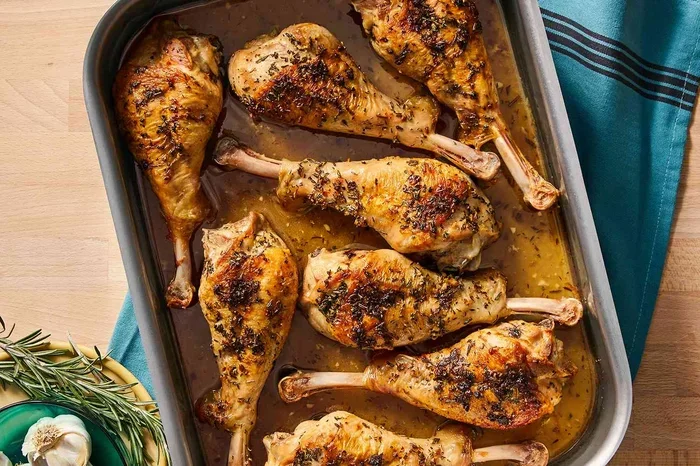
Cooking a turkey leg in the oven takes about 2 to 3 hours at 350°F, depending on size and bone-in or boneless cut. This guide covers everything you need to know, from prep and seasoning to checking for doneness. You will learn the best temperatures, timing charts, and pro tips for a tender, flavorful result.
There is something deeply satisfying about pulling a golden, juicy turkey leg out of the oven. The smell fills the whole kitchen, and everyone gathers around hoping for a big slice. But cooking turkey legs in the oven can feel tricky if you have never done it before.
The biggest question most people ask is simple: how long to cook a turkey leg in oven? The answer depends on a few things, like the size of the leg, whether it has a bone, and what temperature you use. In this guide, we walk you through every step so you get perfect results every single time.
Whether you are cooking for a holiday dinner or a casual weeknight meal, this article has you covered. We will share exact times, temperatures, tips, and common mistakes to avoid. By the end, you will feel confident enough to roast turkey legs like a pro.
Key Takeaways
- Standard Cook Time: A bone-in turkey leg needs about 2 to 3 hours at 350°F to cook through.
- Internal Temperature Matters: Always check that the internal temperature reaches 165°F for safe eating.
- Bone-In vs. Boneless: Bone-in legs take longer but stay juicier and more flavorful.
- Resting Is Key: Let the turkey leg rest for 15 to 20 minutes after cooking to lock in juices.
- Seasoning Makes a Difference: A simple rub of herbs, butter, and garlic elevates the flavor greatly.
- Cover with Foil: Using foil during cooking keeps the meat moist and prevents over-browning.
📑 Table of Contents
- Understanding Turkey Leg Cooking Times
- The Best Oven Temperature for Turkey Leg
- Step-by-Step Guide to Cooking Turkey Leg in the Oven
- How Long to Cook Turkey Leg at Different Temperatures
- Tips for Perfectly Crispy and Juicy Turkey Leg
- Common Mistakes to Avoid When Cooking Turkey Legs
- Expert Insights on Roasting Turkey Legs
- How to Store and Reheat Leftover Turkey Leg
- Frequently Asked Questions
- Final Thoughts
Understanding Turkey Leg Cooking Times
Before you turn on the oven, it helps to understand what affects cooking time. Not all turkey legs are the same. A small leg will cook faster than a large one. A bone-in leg takes more time than a boneless one. And the oven temperature you choose changes everything.
The general rule of thumb is about 25 to 30 minutes per pound at 350°F. But that is just a starting point. Let us break it down further so you know exactly what to expect.
Bone-In vs. Boneless Turkey Legs
Bone-in turkey legs are the most common type you will find at the store. They look impressive and add extra flavor because the bone radiates heat during cooking. The tradeoff is time. A bone-in leg usually needs closer to 2.5 to 3 hours in the oven.
Boneless turkey legs cook faster, often in about 1.5 to 2 hours. They are great if you are short on time. However, they can dry out more easily because there is no bone to protect the meat. You will need to be more careful with temperature and timing.
Size Matters: Small vs. Large Turkey Legs
The weight of your turkey leg plays a big role in how long it cooks. Here is a simple breakdown:
- Small turkey leg (under 1 pound): About 1 to 1.5 hours at 350°F.
- Medium turkey leg (1 to 2 pounds): About 1.5 to 2 hours at 350°F.
- Large turkey leg (2 to 3 pounds): About 2 to 3 hours at 350°F.
- Extra-large turkey leg (over 3 pounds): About 3 to 3.5 hours at 350°F.
These times are estimates. Always use a meat thermometer to check the internal temperature. That is the only way to know for sure that your turkey leg is done.
The Best Oven Temperature for Turkey Leg
Temperature is one of the most important factors in cooking turkey legs. Too low, and the meat takes forever. Too high, and the outside burns before the inside is cooked through. So what is the sweet spot?
Most experts recommend cooking turkey legs at 350°F. This temperature allows the meat to cook evenly without drying out. It gives you enough time for the fat to render and the skin to become crispy and golden.
Why 350°F Works So Well
At 350°F, the heat surrounds the turkey leg evenly. The fat inside the leg slowly melts and bastes the meat from the inside out. This creates a tender, juicy result with a beautiful crispy skin on the outside.
If you want to speed things up, you can increase the temperature to 375°F. This cuts the cooking time by about 15 to 20 minutes. But be careful. Higher temperatures can dry out the meat if you are not paying attention. You might need to add a layer of foil partway through cooking.
Some people also ask about cooking turkey legs at 325°F. This is a safer option for very large legs. The lower temperature gives you more buffer time and reduces the risk of drying out. The downside is that it takes longer, usually an extra 20 to 30 minutes.
Can You Cook Turkey Legs at Higher Temperatures?
Yes, you can cook turkey legs at 400°F or even higher for a shorter time. This works well if you want very crispy skin. But you will need to watch the leg closely. The exterior can go from perfectly golden to burnt in just a few minutes.
If you choose a higher temperature, reduce the cooking time and check the internal temperature more often. A good rule is to start checking at the 1.5-hour mark for a standard-sized leg.
Step-by-Step Guide to Cooking Turkey Leg in the Oven
Now that you know the basics, let us get into the actual cooking process. Follow these steps for a restaurant-quality turkey leg right in your own kitchen.
Step 1: Prep the Turkey Leg
Start by taking the turkey leg out of the refrigerator about 30 minutes before cooking. Letting it come to room temperature helps it cook more evenly. While you wait, preheat your oven to 350°F.
Pat the turkey leg dry with paper towels. This is an important step. Dry skin crisps up much better than wet skin. Remove any excess fat or loose skin, but leave enough to keep the meat moist during cooking.
Step 2: Season the Turkey Leg
Seasoning is where you can get creative. A simple blend of olive oil, salt, pepper, garlic powder, and paprika works beautifully. You can also add herbs like rosemary, thyme, or sage for extra flavor.
Rub the seasoning all over the turkey leg, making sure to get it under the skin if possible. This helps the flavor penetrate deep into the meat. For an extra juicy result, stuff the leg with a few slices of butter and a clove of garlic before cooking.
Step 3: Choose Your Cooking Method
You have two main options for cooking turkey legs in the oven:
- Covered method: Wrap the leg in aluminum foil and cook for most of the time. This keeps the moisture locked in and produces very tender meat.
- Uncovered method: Cook the leg without foil for the entire time. This creates crispier skin but requires more attention to prevent drying out.
Many cooks prefer a hybrid approach. Cover the leg for the first half of cooking, then remove the foil for the last 30 to 45 minutes to crisp up the skin.
Step 4: Cook and Monitor
Place the turkey leg on a rack in a roasting pan. The rack allows hot air to circulate around the leg, which helps it cook evenly. If you do not have a rack, you can place the leg on a bed of chopped vegetables like onions, carrots, and celery.
Set a timer based on the size of your leg. Use the time estimates from the section above as your guide. About 30 minutes before the expected finish time, start checking the internal temperature with a meat thermometer.
Step 5: Rest and Serve
Once the turkey leg reaches an internal temperature of 165°F, take it out of the oven. But do not cut into it right away. Let it rest for at least 15 to 20 minutes. This allows the juices to redistribute throughout the meat, making every bite more flavorful.
Cover the leg loosely with foil during resting. This keeps it warm without steaming the skin and making it soggy.
How Long to Cook Turkey Leg at Different Temperatures
Different oven temperatures require different cooking times. Here is a handy reference table to help you plan your cooking:
- 325°F: 3 to 3.5 hours for a large bone-in leg. Slower cooking, very low risk of drying out.
- 350°F: 2 to 3 hours for a standard bone-in leg. The most popular and reliable temperature.
- 375°F: 1.5 to 2.5 hours. Slightly faster with good results for most sizes.
- 400°F: 1 to 2 hours. Best for smaller legs or when you want extra-crispy skin.
Remember, these are guidelines. The actual time depends on your specific oven, the size of the turkey leg, and whether it is bone-in or boneless. Always rely on the internal temperature of 165°F as your final check.
If you are curious about other oven cooking times for different proteins, you might find our article on how long chicken kebabs take in the oven helpful for comparison. The principles of oven cooking are very similar across different meats.
Tips for Perfectly Crispy and Juicy Turkey Leg
Getting the perfect turkey leg is all about the details. Here are some tried-and-true tips that make a big difference.
Brine the Turkey Leg Overnight
Brining is one of the best things you can do for turkey legs. Soak the leg in a saltwater solution for 8 to 12 hours before cooking. This helps the meat absorb moisture, which prevents it from drying out during roasting.
A basic brine uses 1 cup of salt per gallon of water. You can add sugar, bay leaves, peppercorns, and herbs for extra flavor. After brining, rinse the leg thoroughly and pat it completely dry before seasoning.
Use Butter Under the Skin
One secret restaurant chefs use is sliding butter under the skin before roasting. The butter melts as the leg cooks, basting the meat from within. This creates incredibly juicy, tender meat with a rich, buttery flavor.
Simply loosen the skin with your fingers and spread softened butter directly onto the meat. Season generously on top, and you are ready to cook.
Baste Every 30 Minutes
Basting means spooning the juices from the bottom of the pan over the turkey leg while it cooks. This adds moisture and flavor to the surface of the meat. It also helps the skin brown evenly.
Set a timer to remind yourself to baste every 30 minutes. It only takes a minute, but it makes a noticeable difference in the final result.
Let the Oven Do the Work
Resist the urge to open the oven door too often. Every time you open the door, heat escapes and the cooking temperature drops. This can add significant time to your cook and affect the texture of the skin.
Trust your thermometer and only open the oven when you need to check the temperature or baste the leg.
Pair with Oven-Roasted Vegetables
Turkey legs pair wonderfully with roasted vegetables. Toss some potatoes, carrots, and onions with olive oil and seasoning, and spread them around the turkey leg in the pan. As the leg cooks, the vegetables absorb all those delicious drippings.
If you are looking for more oven side dish ideas, check out our guide on how to cook frozen fries in an air fryer oven for quick and easy oven sides that complement any roasted meat.
Common Mistakes to Avoid When Cooking Turkey Legs
Even experienced cooks make mistakes sometimes. Here are the most common errors people make when roasting turkey legs, and how to avoid them.
Skipping the Thermometer
The biggest mistake is relying on time alone. Ovens vary, and turkey legs come in different sizes. Without a meat thermometer, you are guessing. Invest in a good instant-read thermometer. It takes the guesswork out of cooking and ensures your turkey leg is perfectly done every time.
Overcooking the Turkey Leg
Overcooking is the enemy of juicy turkey legs. Once the internal temperature passes 165°F, the meat starts to lose moisture rapidly. Check the temperature early and often. When it hits 165°F, pull the leg out immediately.
Remember that the temperature will continue to rise by a few degrees during resting. So pulling the leg at 160°F to 162°F is perfectly fine if you plan to let it rest for 15 minutes.
Not Letting the Meat Rest
Cutting into a turkey leg right after it comes out of the oven is tempting. But doing so releases all those hard-earned juices onto the cutting board instead of keeping them in the meat. Give it at least 15 minutes of rest time. Your patience will be rewarded with juicier, more flavorful meat.
Using Too Much or Too Little Seasoning
Seasoning is essential for flavor, but balance matters. Too little seasoning gives you bland meat. Too much can overpower the natural taste of the turkey. Start with a moderate amount and adjust based on your preferences.
Crowding the Pan
If you are cooking more than one turkey leg, give them space. Crowding the pan blocks airflow and leads to uneven cooking. Each leg should have room for hot air to circulate around it freely.
Expert Insights on Roasting Turkey Legs
We spoke with experienced home cooks and chefs to gather their top tips for roasting turkey legs. Here is what they had to say:
Start with a cold oven for extra-tender results. Some cooks place the turkey leg in a cold oven and let it come up to temperature slowly. This gentle cooking method keeps the meat extra moist and tender.
Use a rack set over a deep pan. Elevating the turkey leg on a rack prevents it from sitting in its own juices, which can make the skin soggy. The rack also promotes even browning on all sides.
Add a splash of broth to the pan. Pouring a cup of chicken or turkey broth into the bottom of the roasting pan creates steam. This steam helps keep the meat moist and makes cleanup easier.
For extra crispy skin, brush with a thin layer of oil right before the final 15 minutes of cooking. This gives the skin a boost without overcooking the meat underneath.
If you enjoy exploring different oven recipes, you might also enjoy learning about how long to roast pumpkin seeds in the oven for another delicious oven treat.
How to Store and Reheat Leftover Turkey Leg
Turkey legs make great leftovers. Here is how to store and reheat them properly so they taste almost as good as the day you cooked them.
Storing Cooked Turkey Leg
Let the cooked turkey leg cool to room temperature within two hours of cooking. Wrap it tightly in plastic wrap or aluminum foil, or place it in an airtight container. Store it in the refrigerator for up to 4 days.
Reheating Without Drying Out
The best way to reheat a turkey leg is in the oven at 300°F. Wrap it in foil to trap moisture and heat it for 20 to 30 minutes. This slow reheating method keeps the meat tender and juicy.
Avoid reheating in the microwave if possible. Microwaves tend to dry out the meat and make the skin rubbery. If you must use a microwave, cover the leg with a damp paper towel and heat in short intervals.
Frequently Asked Questions
How long does it take to cook a turkey leg at 350°F?
A standard bone-in turkey leg takes about 2 to 3 hours at 350°F. The exact time depends on the size of the leg. Always use a meat thermometer and check that the internal temperature reaches 165°F before serving.
Can you cook a turkey leg at 400°F?
Yes, cooking a turkey leg at 400°F is perfectly safe and can produce excellent crispy skin. At this temperature, a standard turkey leg will take about 1 to 2 hours. Just watch it closely and check the internal temperature frequently.
How do you know when a turkey leg is done?
The best way to tell is by using a meat thermometer. Insert it into the thickest part of the meat, avoiding the bone. When the internal temperature reaches 165°F, the turkey leg is done. The juices should run clear, not pink.
Should you cover a turkey leg with foil while cooking?
Covering with foil is a personal choice. Foil keeps the meat moist and cooks it more evenly, but it prevents the skin from getting crispy. Many cooks use foil for the first half of cooking and remove it for the last 30 to 45 minutes to get crispy skin.
How long should a turkey leg rest after cooking?
Let the turkey leg rest for at least 15 to 20 minutes after taking it out of the oven. This allows the juices to settle back into the meat, making it more flavorful and easier to carve. Cover it loosely with foil while resting.
Can you cook a frozen turkey leg in the oven?
Yes, you can cook a frozen turkey leg in the oven, but it will take significantly longer. Add about 50% more time to the normal cooking duration. Make sure the internal temperature reaches 165°F before serving. For best results, thaw the leg overnight in the refrigerator before cooking.
Final Thoughts
Cooking a turkey leg in the oven is one of the most rewarding things you can do in the kitchen. It does not require fancy equipment or advanced cooking skills. With the right temperature, timing, and a little patience, you can create a dish that impresses everyone at the table.
The key to perfect turkey legs is understanding that how long to cook a turkey leg in oven depends on several factors. Size, bone-in or boneless, oven temperature, and whether you use foil all play a role. But once you understand these variables, you can adjust on the fly and get great results every time.
Remember to always use a meat thermometer. Rest your meat before cutting. Season generously. And most importantly, enjoy the process. Cooking a turkey leg is not just about the end result. It is about the delicious aromas, the warmth of the kitchen, and the joy of sharing a meal with people you love.
Now that you have all the information you need, it is time to get cooking. Preheat that oven, grab your favorite seasoning, and make the perfect turkey leg today. You will be glad you did.
For more oven cooking inspiration, check out our article on how long to cook oysters in the oven for another delicious oven recipe that pairs perfectly with your roasted turkey leg.