Perfect Guide How Long To Cook Broccoli At 425 In Oven
How Long To Cook Broccoli At 425 In Oven is a simple process that yields amazing results. This guide reveals the exact minutes, temperature, and prep steps to achieve crispy, caramelized broccoli every time. You’ll discover why 425°F is the sweet spot, how to avoid soggy florets, and easy seasoning tricks that turn a basic veggie into a crowd-pleasing side dish.
There’s something magical about how long to cook broccoli at 425 in oven. It transforms a humble vegetable into a crispy, caramelized side dish that even picky eaters love. Many people end up with mushy, bland broccoli because they either boil it too long or roast it at the wrong temperature. The good news is that mastering this simple method takes just a few minutes of prep and a reliable oven.
Roasting broccoli at 425°F hits the sweet spot between tender-crisp interiors and beautifully browned edges. The high heat quickly evaporates surface moisture, allowing the natural sugars to caramelize. This creates a depth of flavor you simply cannot get from steaming or boiling. Whether you are cooking for a weeknight dinner or a holiday spread, roasted broccoli is a versatile, healthy side that pairs with almost anything.
This guide walks you through every step, from choosing the right broccoli to timing it perfectly. You will learn the exact minutes to set your timer, the best ways to season, and how to avoid the common mistakes that lead to soggy results. By the end, you will feel confident enough to make crispy broccoli a regular part of your meal rotation.
Key Takeaways
- 425°F is the ideal oven temperature for roasting broccoli to golden, crispy perfection.
- Fresh broccoli takes 20–25 minutes while frozen broccoli needs 25–30 minutes at this heat.
- Patting florets dry and avoiding overcrowding are the two biggest secrets to non-soggy results.
- A light coat of olive oil helps caramelization without making the broccoli greasy.
- Season after roasting for the best flavor and texture retention.
- Leftover roasted broccoli stores well for up to 5 days and reheats nicely.
- Convection mode speeds up cooking by about 5 minutes and enhances crispness.
📑 Table of Contents
Why Roasting Broccoli at 425°F Is the Best Method
The Science of High-Heat Roasting
When you expose broccoli florets to 425°F, several things happen quickly. The surface temperature rises fast enough to trigger the Maillard reaction, which is the chemical process behind browning and flavor development. Water evaporates from the outer leaves, creating a crisp texture. Meanwhile, the interior stays tender because the thick stem protects it from drying out too fast.
This high-heat approach also shortens the overall cook time. A lower temperature like 375°F might seem gentler, but it often leads to steamed broccoli rather than roasted. At 425°F, you get distinct char marks and a nutty aroma that makes oven-baked broccoli truly irresistible. The whole process relies on dry heat, which is why proper prep is so important.
Nutritional Advantages of Roasting Over Boiling
Boiling broccoli can leach water-soluble vitamins like vitamin C and folate into the cooking water. Roasting preserves these nutrients because the vegetable cooks in its own juices. High-heat vegetable roasting also helps retain antioxidants such as sulforaphane, which is linked to numerous health benefits. You get a healthy side dish that is both nutritious and delicious.
Additionally, roasted broccoli has a more satisfying texture and flavor profile. This makes it easier to eat the recommended daily servings of vegetables. Kids and adults alike are more likely to finish their plate when the broccoli tastes good. That is a win for nutrition and enjoyment at the same time.
Why 425°F Specifically
Not all oven temperatures work equally well for broccoli. 425°F is hot enough to brown quickly but not so hot that the edges burn before the inside cooks. It allows the natural sugars to caramelize without turning the broccoli bitter. This temperature also works well for both fresh and frozen broccoli, giving you flexibility in what you keep on hand.
If you have a convection oven, you can use the same temperature. The circulating air helps the broccoli cook more evenly and develop a more consistent crispness. For a standard conventional oven, 425°F remains the gold standard for broccoli roasting. It is the temperature most chefs and home cooks recommend for the best results.
How Long To Cook Broccoli At 425 In Oven: Step-by-Step
Choosing Fresh or Frozen Broccoli
Fresh broccoli crowns with tight, dark green florets work best for even cooking. Look for firm stalks and avoid any yellowed or wilted pieces. Frozen broccoli is a great alternative because it is already cut and blanched. Just make sure to pat it completely dry before seasoning. Thawing is not necessary, but removing ice crystals helps achieve a crispier finish.
Both fresh and frozen broccoli follow the same basic timing at 425°F. The key difference is that frozen broccoli may need an extra 3–5 minutes because of the extra moisture. Always spread the pieces in a single layer on a sheet pan lined with parchment paper or a silicone mat. This prevents sticking and makes cleanup easier.
Cutting and Prep Work
Start by washing the broccoli under cold running water. Shake off excess moisture and pat it thoroughly dry with a clean kitchen towel or paper towels. This drying step is crucial because surface water creates steam, which leads to soggy broccoli instead of crispy edges. Cut the crown into uniform bite-sized florets, aiming for about 1.5 to 2 inches in size.
If you are using the stalks, peel off the tough outer skin with a vegetable peeler and slice them into thin coins. Thinner pieces cook faster and become delightfully crispy. Toss the prepared broccoli in a large bowl with a light drizzle of olive oil, salt, and pepper. Use just enough oil to coat the florets lightly. Too much oil will pool in the pan and cause steaming rather than roasting.
The Exact Timing for Perfect Results
The answer to how long to cook broccoli at 425 in oven depends on the size and type of your broccoli. Here is a simple reference table to guide you:
| Broccoli Type | Thickness / Size | Time at 425°F | Result |
|---|---|---|---|
| Fresh florets | 1.5–2 inches | 20–25 minutes | Golden edges, tender-crisp inside |
| Fresh stalks | 1/4-inch coins | 18–22 minutes | Crisp and lightly charred |
| Frozen florets | Standard pieces | 25–30 minutes | Crispy outside, cooked through |
| Thick fresh crowns | Large florets | 25–30 minutes | Fully tender with deep browning |
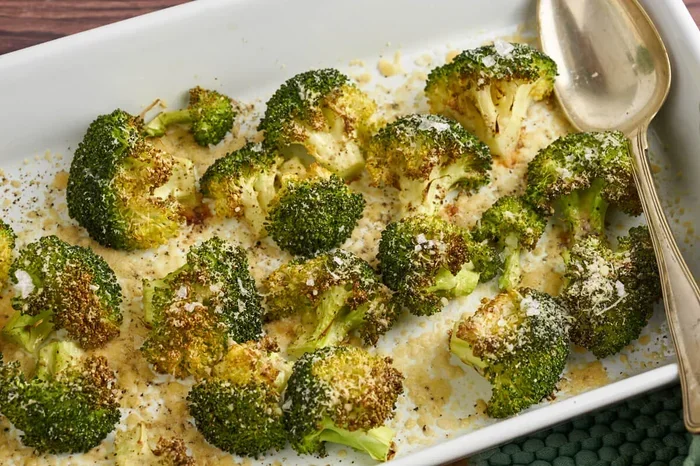
Always check the broccoli at the earliest suggested time. You want the edges to be deeply golden brown but not blackened. The florets should be tender when pierced with a fork, yet still have a slight bite. If you prefer extra crispy broccoli florets, roast them for an additional 3–5 minutes and keep a close eye on them.
Quick Tips for Perfect Timing
- Preheat the oven fully before placing the broccoli inside. An oven thermometer can help ensure accuracy.
- Rotate the sheet pan halfway through cooking for even browning.
- Do not cover the broccoli with foil during roasting, as this traps steam and prevents crisping.
- Use a rimmed sheet pan to catch any oil drips and prevent oven mess.
- Let the broccoli cool on the pan for 5 minutes after baking. This helps the exterior stay crisp.
Achieving the Perfect Crisp: Tips and Tricks
The Right Amount of Olive Oil
Olive oil is essential for roasting, but less is more. A light coating helps the heat transfer evenly and promotes browning. Too much oil will cause the broccoli to fry rather than roast, leading to a greasy texture. For one large head of broccoli, about 1 to 1.5 tablespoons of extra-virgin olive oil is usually sufficient. Toss the florets gently until they are evenly coated but not swimming in oil.
You can also use avocado oil or a light olive oil spray for an even thinner layer. The goal is to create a thin film that helps the seasonings adhere and facilitates the caramelization process. This small detail makes a huge difference in the final texture and flavor of your roasted broccoli recipe.
Seasoning Ideas That Elevate Flavor
Salt and black pepper are a great starting point, but you can take broccoli seasoning to the next level. Try adding garlic powder, smoked paprika, or a pinch of red pepper flakes for a spicy kick. For a more savory profile, sprinkle some grated parmesan cheese over the broccoli right after it comes out of the oven. The residual heat will slightly melt the cheese, creating a delicious crust.
Fresh herbs like rosemary, thyme, or oregano work wonderfully when added halfway through roasting. If you prefer a bright, zesty flavor, squeeze some fresh lemon juice over the broccoli after baking. A tiny drizzle of balsamic glaze adds a touch of sweetness and acidity that complements the natural earthiness of the vegetable. Experiment with different combinations to find your favorite flavorful roasted vegetables style.
Using a Convection Setting
If your oven has a convection mode, use it for roasting broccoli. The fan circulates hot air around the food, which reduces cooking time by about 5 minutes and promotes more even browning. When using convection, you can lower the temperature by 25°F, but since 425°F is already optimal for broccoli, you can simply keep the temperature and reduce the time by 3–5 minutes. The result is beautifully crispy broccoli with a consistent golden color on all sides.
Avoiding the Soggy Factor
The most common reason for soggy roasted broccoli is excess moisture. Always dry the broccoli thoroughly after washing. Do not skip the step of tossing it with oil in a bowl before spreading it on the pan. Overcrowding the sheet pan is another major culprit. When florets are piled on top of each other, they steam instead of roast. Leave space between each piece so hot air can flow freely around them.
Using a wire rack set over a sheet pan is an excellent trick for maximum crispness. The air circulates underneath the broccoli, preventing the bottoms from getting soggy. If you do not have a wire rack, a heavy-duty rimmed baking sheet works fine as long as you follow the spacing guidelines. This small adjustment elevates your vegetable roasting game significantly.
Common Mistakes That Ruin Roasted Broccoli
Overcrowding the Baking Sheet
It is tempting to fit as much broccoli as possible onto one sheet pan to save time. However, this is the fastest way to end up with steamed, pale broccoli. When florets touch or overlap, the moisture cannot escape. The steam softens the surface and prevents caramelization. Give each piece enough room to breathe. If you need to cook a large batch, use two sheet pans or roast in two batches. The extra effort is worth the perfectly crispy texture.
Skipping the Dry Pat-Down
Fresh broccoli straight from the wash contains surface water. If you toss wet florets in oil and salt, the water creates steam immediately in the hot oven. This steam softens the broccoli and inhibits browning. Always dry the broccoli thoroughly with a towel or let it air-dry on a clean surface for a few minutes. This simple step is one of the biggest secrets to achieving golden roasted broccoli every time.
Wrong Oven Rack Position
Where you place the sheet pan in the oven affects the cooking result. The top third of the oven is generally the best position for roasting broccoli. This allows the heat to surround the florets evenly and promotes browning on the top. Placing the pan too low can result in undercooked tops and burnt bottoms. Too high can scorch the edges before the inside is tender. Find the middle rack position and adjust slightly based on your oven’s hot spots.
Flavor Variations and Serving Suggestions
Garlic Parmesan Roasted Broccoli
This is a classic combination that works every time. Toss the broccoli with olive oil, minced garlic, salt, and pepper before roasting. When it comes out of the oven, sprinkle generously with freshly grated parmesan cheese and a squeeze of lemon juice. The parmesan adds a salty, nutty crunch that pairs perfectly with the tender-crisp broccoli. Serve it as a healthy side dish alongside grilled chicken or pasta.
Spicy Lemon and Herb Version
For a brighter, more vibrant flavor, try adding lemon zest, a pinch of cayenne pepper, and dried Italian herbs to the oil before tossing. Roast as usual and finish with a fresh squeeze of lemon juice. The heat from the cayenne balances beautifully with the citrus, and the herbs add an aromatic quality. This variation is perfect for summer meals or when you want something light yet satisfying.
Pairing with Proteins and Grains
Roasted broccoli is incredibly versatile. Serve it next to a juicy salmon fillet for a balanced, omega-3-rich dinner. It pairs wonderfully with grilled steak, roasted chicken thighs, or a plant-based protein like crispy tofu. For a complete meal, add it to a grain bowl with quinoa, farro, or brown rice. The crispy broccoli adds texture and color that elevates any bowl or plate. It also makes a fantastic addition to a sheet pan dinner with sausage and root vegetables.
How to Store and Reheat Leftover Roasted Broccoli
Storing for Maximum Crispness
Let the broccoli cool completely before storing it in an airtight container. It will keep in the refrigerator for up to 5 days. To maintain the best texture, store the broccoli without any added sauce or cheese if possible. The crispy edges will soften slightly in the fridge, but the flavor remains excellent. Avoid storing it in a sealed plastic bag because trapped moisture will make it soggy.
Reheating Without Soggy Texture
The microwave is the fastest way to reheat broccoli, but it can make the edges limp. For the best results, spread the leftover broccoli on a sheet pan and reheat it in the oven at 375°F for 5–7 minutes. This restores some of the original crispness. You can also use an air fryer at 350°F for 3–4 minutes. The oven-baked broccoli will taste almost as good as fresh when reheated properly.
Conclusion
Mastering how long to cook broccoli at 425 in oven is a kitchen skill that pays off every single time. You now know the exact timing, the importance of drying the florets, and the simple seasoning tricks that turn a basic vegetable into a star side dish. The 20–30 minute window at 425°F delivers crispy, caramelized broccoli that is packed with flavor and nutrients. Whether you are cooking fresh crowns or using frozen broccoli, the process is straightforward and forgiving.
Remember to avoid overcrowding the pan, pat the broccoli dry, and keep an eye on the timer. With a little practice, you will consistently produce perfectly roasted broccoli that your whole family will devour. Start with the basic recipe and then experiment with the flavor variations to keep things interesting. Roasted broccoli is more than just a healthy side—it is a delicious, satisfying addition to any meal. Get your sheet pan ready, preheat that oven, and enjoy the wonderful world of crispy, golden broccoli.
Frequently Asked Questions
Can I use frozen broccoli for this recipe?
Yes, frozen broccoli works perfectly at 425°F. Just make sure to pat it completely dry after thawing or removing it from the bag. The cooking time increases by about 5 minutes compared to fresh broccoli. Spread it in a single layer on the sheet pan and roast until the edges are crispy and golden.
What temperature is best for roasting broccoli?
425°F is the ideal temperature for roasting broccoli. It is hot enough to caramelize the natural sugars and create crispy edges, but not so hot that the outside burns before the inside cooks. This temperature works well for both fresh and frozen broccoli, giving you consistent, delicious results every time.
How do I know when broccoli is done?
Roasted broccoli is done when the edges are deeply golden brown and the florets are tender when pierced with a fork. You should see some char marks, which indicate caramelization. The inside should be tender-crisp, not mushy. Start checking at the 20-minute mark for fresh broccoli and adjust based on your preferred level of crispness.
Can I roast broccoli on parchment paper?
Absolutely. Parchment paper prevents sticking and makes cleanup a breeze. It also promotes even browning. You can use a silicone baking mat as an alternative. Avoid using wax paper, as it can smoke at high temperatures. A light spray of oil on the parchment helps the broccoli crisp up even more.
Is roasted broccoli healthy?
Yes, roasted broccoli is a nutritious healthy side dish. Roasting preserves more water-soluble vitamins than boiling because the vegetable cooks in its own juices. It retains beneficial antioxidants and provides fiber, vitamin C, and sulforaphane. Using a minimal amount of olive oil keeps the dish light and heart-healthy.
How long does roasted broccoli last in the fridge?
Leftover roasted broccoli stays fresh in an airtight container in the refrigerator for up to 5 days. Store it without added cheese or sauce if possible to maintain the best texture. Reheat in the oven or air fryer to restore some of the original crispness. Avoid storing it while still warm, as condensation can make it soggy.