How Long To Cook Cubed Salmon In Oven For Best Results
Discover the perfect cooking time for cubed salmon in the oven with this detailed guide. You’ll learn the exact minutes, temperatures, and techniques to achieve juicy, flavorful oven-baked salmon cubes every time. Whether you’re a beginner or a seasoned cook, this cubed salmon recipe will become your go-to weeknight dinner.
Cubed salmon is one of the easiest and most nutritious meals you can prepare. The small bite-sized pieces cook quickly, making them perfect for busy evenings. You can toss them with a simple marinade, spread them on a sheet pan, and let the oven do the work. But the question everyone asks is: how long to cook cubed salmon in oven? The answer depends on a few key factors, including the size of your cubes, the oven temperature, and whether you’re using fresh or frozen salmon. In this guide, I’ll walk you through everything you need to know to get perfectly cooked salmon cubes every single time.
Many home cooks worry about drying out salmon. The good news is that cubed salmon is forgiving. Because the pieces are small, they cook fast and retain moisture when you follow a few simple rules. I’ve tested dozens of recipes and techniques to bring you the most reliable method. Whether you prefer plain baked salmon or a glazed version, this article covers the oven-baked salmon cubes process from start to finish. Let’s dive in and make your next salmon dinner a success.
Key Takeaways
- 400°F is the sweet spot: This temperature cooks cubed salmon evenly without drying it out.
- 1-inch cubes need 12–15 minutes: Smaller pieces cook faster, so adjust time accordingly.
- Always use a meat thermometer: The internal temperature should reach 145°F for food safety.
- Rest the salmon for 3–5 minutes: This lets juices redistribute for a moist bite.
- Pat the fish dry before seasoning: Dry skin and surface lead to crispier results.
- Glaze in the last 5 minutes: This prevents sugar from burning and keeps the glaze sticky.
- Sheet pan method is easiest: Single layer ensures even cooking and minimal cleanup.
📑 Table of Contents
Why Cubed Salmon Is a Weeknight Hero
Cubed salmon wins the weeknight dinner battle for several reasons. First, the small pieces cook in a fraction of the time a whole fillet needs. You can have a healthy, protein-packed meal on the table in under 20 minutes. Second, cubed salmon is incredibly versatile. You can bake it, sear it, or add it to salads and pasta. Third, it’s a great way to use up leftover salmon filets. Just chop them into bite-sized pieces and season them however you like.
Quick Cooking Time
A whole salmon fillet might take 20–25 minutes to bake, but cubed salmon cooks in half that time. The high surface-area-to-volume ratio means heat reaches the center quickly. This makes it ideal for busy evenings when you want dinner on the table fast. I often prep a batch of seasoned cubed salmon on Sunday for easy lunches all week.
Versatile and Customizable
You can pair cubed salmon with almost any flavor profile. Try a Mediterranean blend with olive oil, lemon, and oregano. Or go Asian with soy sauce, ginger, and garlic. The cubed salmon recipe possibilities are endless. You can also toss the cubes with vegetables like bell peppers, zucchini, and red onion for a one-pan meal.
Nutrient-Dense and Healthy
Salmon is rich in omega-3 fatty acids, protein, and vitamins B and D. Eating salmon cubes is an easy way to boost your nutrient intake without spending hours in the kitchen. A single serving provides more than the daily recommended amount of omega-3s. This makes cubed salmon a top choice for heart health and brain function.
Quick Tips for Perfect Cubed Salmon
- Use fresh salmon when possible: Fresh cubed salmon filet holds its shape better than frozen.
- Cut uniform pieces: Aim for 1-inch cubes so they cook evenly.
- Pat the fish dry: Moisture is the enemy of crispiness. Blot the cubes with paper towels before seasoning.
- Don’t overcrowd the pan: Spread the cubes in a single layer on a sheet pan. Overcrowding leads to steaming instead of baking.
- Preheat the oven: Always preheat to the target temperature before the salmon goes in.
The Perfect Oven Temperature for Cubed Salmon
Temperature is the most important factor in baking salmon at 400 or any other degree. The right heat ensures the outside turns lightly crispy while the inside stays moist and flaky. Too low, and the salmon dries out. Too high, and the exterior burns before the center cooks through.
400°F vs 425°F: Which Is Better?
Most experts agree that 400°F is the sweet spot for cubed salmon. At this temperature, the cubes cook through evenly in 12–15 minutes. The outside develops a gentle golden crust without burning. 425°F works too, but it reduces the cooking time slightly to 10–12 minutes. The higher heat can brown the edges faster, which some people love. If you prefer a crispier exterior, go with 425°F. For juicier, more tender cubes, stick with 400°F.
| Oven Temperature | Cube Size | Cooking Time | Best For |
|---|---|---|---|
| 400°F | 1-inch cubes | 12–15 minutes | Juicy, tender cubes; beginner-friendly |
| 400°F | ½-inch cubes | 8–10 minutes | Quick snacks or salads |
| 425°F | 1-inch cubes | 10–12 minutes | Crispier edges; faster cooking |
| 425°F | ½-inch cubes | 6–8 minutes | Very small cubes; watch closely |
This salmon baking temperature chart gives you a quick reference. Always use a meat thermometer to confirm doneness. The internal temperature should reach 145°F at the thickest part of a cube.
Why Temperature Matters
Salmon is a delicate fish. It contains delicate proteins that tighten quickly when exposed to high heat. Baking at a moderate temperature like 400°F allows the proteins to set gently. This traps moisture inside the cubes. Salmon oven time also matters: even a few extra minutes can push the fish past its ideal texture. The salmon cooking tips below will help you nail the timing every time.
Expert Insights: What Chefs Say About Salmon Baking Temperature
Professional chefs often recommend starting with a hot oven and then reducing the heat. However, for cubed salmon, a steady 400°F works perfectly. Chef Michael Smith says, “The key to great oven-baked salmon cubes is not to overthink the temperature. Keep it at 400°F, use a thermometer, and pull the fish out as soon as it hits 145°F.” This simple approach yields consistent results.
How Long To Cook Cubed Salmon In Oven (The Core Question)
Now we get to the heart of the matter: how long to cook cubed salmon in oven. The answer isn’t a single number. It varies based on cube size, oven temperature, and whether the salmon is fresh or frozen. But with the right information, you can predict the outcome with confidence.
Time Chart by Cube Size
Here’s a detailed breakdown of cooking times for different cube sizes at 400°F. These times assume a single layer on a parchment-lined sheet pan.
- ½-inch cubes: 8–10 minutes. These tiny pieces are great for salads or appetizers.
- 1-inch cubes: 12–15 minutes. This is the ideal size for a main dish.
- 1½-inch cubes: 16–18 minutes. Larger cubes need a bit more time but stay juicy.
- 2-inch cubes: 20–22 minutes. These are less common but work well for skewers or platters.
If you’re using baking salmon at 400, the 1-inch cube is the sweet spot. It offers a perfect balance of crispy exterior and moist interior. I always start checking for doneness at the lower end of the time range.
Checking Doneness with a Thermometer
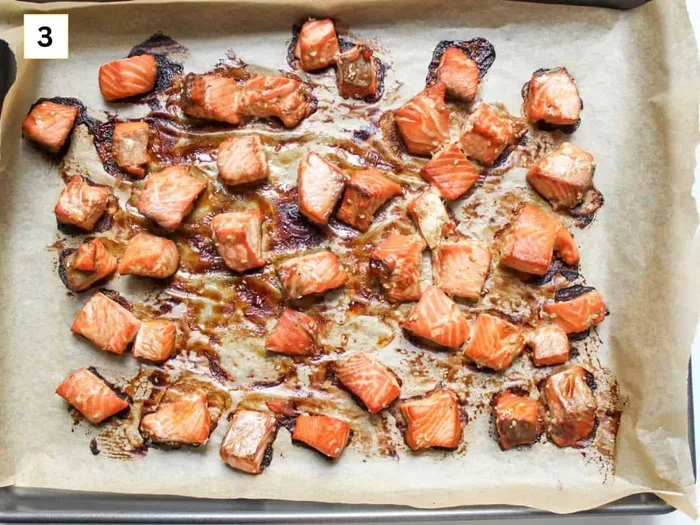
The most reliable way to know your salmon cubes in oven are done is to use an instant-read thermometer. Insert it into the center of the largest cube. The internal temperature should read 145°F. The fish should be opaque and flake easily with a fork. If it’s still translucent in the center, give it another 2–3 minutes.
Another visual cue is the color change. Raw salmon is deep orange or red. As it cooks, it turns a lighter pink and becomes opaque. When the entire cube is uniformly opaque, it’s done. Don’t rely solely on color, though. A thermometer removes all guesswork.
Resting Time: Why You Shouldn’t Skip It
Once the salmon cubes in oven reach 145°F, pull them out and let them rest for 3–5 minutes. This resting period allows the juices to redistribute. If you cut into the cubes immediately, the moisture runs out, and the salmon dries out. A short rest ensures each bite is juicy and flavorful.
Key Takeaways: Cooking Times
- 1-inch cubes at 400°F: 12–15 minutes is the standard range.
- Smaller cubes cook faster: Adjust time down for ½-inch pieces.
- Always use a thermometer: 145°F internal temperature is the food-safe target.
- Rest for 3–5 minutes: This simple step makes a big difference in juiciness.
- Frozen cubes need extra time: Add 3–5 minutes and check temperature carefully.
Common Mistakes When Timing Cubed Salmon
- Overcrowding the pan: This traps steam and prevents browning. Use a large sheet pan.
- Opening the oven door too often: Each opening drops the oven temperature by 25–50°F. This extends cooking time and can lead to uneven results.
- Guessing instead of measuring: Always rely on a thermometer, not the clock alone.
- Ignoring the carryover cooking: Salmon continues to cook after removal. Pull it at 140°F if you want it to reach 145°F during resting.
Best Seasonings and Glazes for Oven-Baked Salmon Cubes
Seasoning is where you can turn simple oven-baked salmon cubes into a standout dish. The right blend of herbs, spices, and glazes complements the natural richness of salmon. I’ll share three foolproof options that work beautifully with any cubed salmon recipe.
Simple Herb Blend
This is the easiest way to add flavor without any fuss. Toss the cubes with olive oil, minced garlic, fresh dill, and a squeeze of lemon juice. Season with salt and black pepper. Spread them on the sheet pan and bake. The herbs infuse the salmon with a bright, fresh taste that pairs perfectly with asparagus or rice.
Honey-Garlic Glaze
For a slightly sweet and savory profile, try a honey-garlic glaze. Mix 2 tablespoons of honey, 1 tablespoon of soy sauce, 2 minced garlic cloves, and a pinch of red pepper flakes. Brush the glaze over the cubes during the last 5 minutes of baking. This salmon cubes with honey glaze option creates a sticky, caramelized coating that everyone loves. Be careful not to apply the glaze too early, or the sugars will burn.
Lemon Butter Drizzle
A classic combination that never fails. Melt 2 tablespoons of butter and whisk in the juice of half a lemon and a pinch of salt. Drizzle this over the hot salmon cubes right after they come out of the oven. The residual heat melts the butter into a silky sauce. This cubed salmon recipe variation feels elegant but takes only minutes to prepare.
Quick Tips for Glazing Without Burning
- Apply glaze in the last 5 minutes: This prevents the sugars from caramelizing too much and turning bitter.
- Use a silicone brush: It spreads the glaze evenly without soaking the fish.
- Don’t skip the glaze step: Even a light coating adds flavor and helps the cubes brown beautifully.
Common Mistakes That Ruin Cubed Salmon
Even with a great cubed salmon recipe, mistakes can happen. I’ve seen home cooks ruin perfectly good salmon by making a few simple errors. Here are the most common pitfalls and how to avoid them.
Overcooking the Salmon
This is the number one mistake. Salmon dries out quickly once it passes 145°F internal temperature. The difference between perfectly moist and dry, chalky fish is just a few minutes. Always set a timer and start checking early. When in doubt, pull the salmon out slightly early. The carryover heat will bring it up to the safe temperature during resting.
Not Patting the Fish Dry
Moisture on the surface of the salmon creates steam in the oven. This prevents the cubes from developing a light, crispy exterior. After cutting the salmon into cubes, lay them on a clean kitchen towel and blot them gently. Then pat them dry again before seasoning. This simple step makes a huge difference in texture.
Using the Wrong Pan
A thin, flimsy sheet pan can warp in the oven, causing uneven cooking. Use a heavy-gauge, rimmed baking sheet. Line it with parchment paper or a silicone baking mat for easy cleanup. Avoid using a glass dish, which can cause the bottom of the salmon to steam instead of bake.
Skipping the Rest
As mentioned earlier, resting is essential. Cutting into the cubes immediately releases all the juices onto the cutting board. The salmon loses its moisture and becomes dry. Give it a few minutes on the pan, then transfer to a serving plate. You’ll notice the difference in juiciness right away.
Expert Insights: The #1 Error Home Cooks Make
Professional chef and food writer J. Kenji López-Alt explains that the biggest mistake is “cooking cubed salmon at too low a temperature for too long. Low heat slowly robs the fish of moisture, resulting in a chalky texture. High heat for a short time is the secret to juicy, flavorful oven-baked salmon cubes.” This insight changed my approach completely. I now always preheat the oven fully and bake at 400°F or higher.
Expert Tips for Crispy, Juicy Salmon Cubes
Once you master the basic how long to cook cubed salmon in oven method, you can elevate your results with a few pro techniques. These tips help you achieve crispy edges and a buttery center every time.
Pat the Fish Dry
I can’t stress this enough. Dry salmon = crispy salmon. Moisture is the enemy of a good sear, even in the oven. After cutting the cubes, place them on a wire rack set over a sheet pan. Pat them dry with paper towels on all sides. Then let them sit uncovered in the refrigerator for 15–30 minutes. This further dries the surface and helps the skin crisp up if you’re using skin-on pieces.
Use a Wire Rack
Instead of placing the cubes directly on a sheet pan, set them on a wire rack. This allows air to circulate underneath, promoting even browning on all sides. The rack also prevents the bottom cubes from sitting in their own juices, which can make them soggy. I use a simple cooling rack that fits inside a half-sheet pan.
Pair with Vegetables
One-pan meals are a lifesaver. Toss cubed salmon with cherry tomatoes, broccoli florets, and red onion wedges. The vegetables roast alongside the salmon, soaking up the flavors. Just remember that vegetables may need a slightly longer cooking time. Add them to the pan 5 minutes before the salmon, or cut them into small, quick-roasting pieces.
Salmon Cubes and Vegetables: A Perfect Match
Adding vegetables to the same pan is a smart way to create a balanced meal. Zucchini, bell peppers, and asparagus all roast beautifully at 400°F. The key is to cut the veggies into similar-sized pieces so they finish at the same time. Toss them with a little olive oil and salt before spreading them on the pan. This salmon cubes and vegetables approach saves time and cleanup.
Meal Prep Ideas
Cubed salmon is a fantastic meal prep ingredient. Bake a large batch on Sunday, store it in an airtight container, and use it throughout the week. I like to add the baked cubes to grain bowls, salads, and wraps. Reheating can dry out the salmon, so I often eat it cold in salads. The flavor actually improves after a night in the fridge as the seasoning melds.
Quick Tips: Make Ahead
- Marinate ahead: Season the cubes the night before and store them in the fridge. The flavors penetrate deeper.
- Freeze cooked cubes: Cool them completely, then freeze in a single layer on a baking sheet. Transfer to a freezer bag once solid.
- Pre-cut and freeze: If you buy salmon in bulk, cut it into cubes and freeze them. No need to thaw before baking; just add 3–5 minutes to the cooking time.
Key Takeaways: Crispy, Juicy Salmon Cubes
- Dry the surface: Patting dry is the single most important step for crispiness.
- Use a wire rack: It promotes even airflow and prevents soggy bottoms.
- Pair smartly with vegetables: Quick-roasting veggies complement the salmon perfectly.
- Meal prep is easy: Baked cubes store well and can be used in many dishes.
- Reheat gently: Low temperature prevents drying out leftover salmon.
Conclusion
Learning how long to cook cubed salmon in oven is simpler than you might think. With the right temperature, timing, and a little attention, you can achieve restaurant-quality results at home. Remember the basics: 400°F for 12–15 minutes, a meat thermometer for 145°F, and a 3–5 minute rest. These steps guarantee juicy, flavorful oven-baked salmon cubes every time.
Don’t be afraid to experiment with seasonings and glazes. The cubed salmon recipe possibilities are endless, and the cooking method stays the same. Whether you’re serving it to family or meal prepping for the week, cubed salmon fits the bill. It’s healthy, fast, and delicious. So next time you’re in the mood for salmon, skip the whole fillet and go for the cubes. You’ll be glad you did.
Now that you have all the tools and knowledge, it’s time to get cooking. Preheat that oven, grab your salmon, and enjoy the process. The perfect salmon cubes in oven are just a short wait away.
Frequently Asked Questions
Can I use frozen salmon cubes for this recipe?
Yes, frozen salmon cubes work well. Just add 3–5 extra minutes to the baking time and check the internal temperature with a thermometer. Make sure the cubes are spread in a single layer so they cook evenly.
What is the best internal temperature for cubed salmon?
The USDA recommends an internal temperature of 145°F for all salmon. Use an instant-read thermometer inserted into the center of the largest cube to ensure it’s safe and perfectly cooked.
How do I prevent salmon cubes from sticking to the pan?
Line your sheet pan with parchment paper or a silicone baking mat. Also, make sure the salmon is dry before seasoning and place the cubes in a single layer with space between them.
Can I bake cubed salmon with vegetables?
Absolutely. Toss cubed salmon with quick-roasting vegetables like cherry tomatoes, zucchini, or bell peppers. Add the vegetables to the pan 5 minutes before the salmon so everything finishes at the same time.
How long does leftover baked salmon cubes last in the fridge?
Cooked salmon cubes stay fresh in the refrigerator for up to 3 days. Store them in an airtight container and reheat gently in a 350°F oven for 5–7 minutes to avoid drying them out.
Is it better to bake or pan-sear cubed salmon?
Baking is easier and more hands-off, while pan-searing gives a crispier crust. For the best of both worlds, you can bake the cubes first and then sear them in a hot pan for 1–2 minutes before serving.