How Long To Cook Porkloin In Oven For Perfect Results
Cooking porkloin in the oven typically takes 20 to 35 minutes per pound at 400°F, reaching an internal temperature of 145°F for safe, juicy meat. This guide covers everything from seasoning and oven temperature to resting times and slicing tips. You will learn exact cook times, common mistakes to avoid, and pro techniques that guarantee perfect pork loin results every single time.
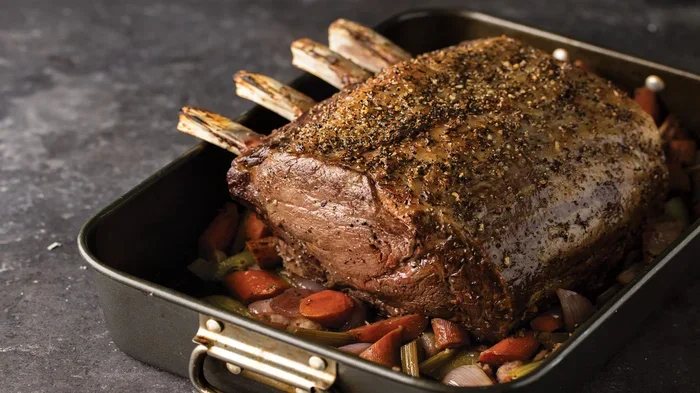
Cooking porkloin in the oven is one of the easiest and most rewarding things you can do in the kitchen. Whether you are a beginner or a seasoned home cook, knowing the right pork loin cook time and temperature makes all the difference. A perfectly roasted pork loin comes out juicy, tender, and full of flavor. It pairs beautifully with roasted vegetables, mashed potatoes, or a fresh salad.
But here is the thing. Many people overcook their pork loin and end up with dry, tough meat. That is a real shame because a great pork loin roast is truly delicious. In this guide, we walk you through everything you need to know. From oven temperature to resting time, you will have all the tools to get it right.
We also share practical tips, common mistakes, and expert insights that take the guesswork out of cooking pork loin in the oven. Let us get started.
Key Takeaways
- Standard Cook Time: Plan for 20 to 35 minutes per pound at 400°F for a tender, juicy pork loin.
- Internal Temperature Matters: Always pull the pork loin at 145°F and let it rest for 5 to 10 minutes.
- Seasoning Is Key: A simple rub of garlic, herbs, and olive oil elevates flavor dramatically.
- Resting Time Is Non-Negotiable: Letting the meat rest redistributes juices for a moist, flavorful result.
- Avoid Overcooking: Using a meat thermometer prevents dry, tough pork loin every time.
- Oven Variance Matters: Every oven heats differently, so rely on temperature readings, not just the clock.
📑 Table of Contents
How Long To Cook Porkloin In Oven
Understanding Pork Loin Cook Times
The general rule for pork loin cooking time is about 20 to 35 minutes per pound at 400°F. However, this depends on several factors. The size of your roast matters a lot. A thin pork loin roast will cook faster than a thick, bone-in cut. Also, whether you sear it first changes things too.
Here is a quick breakdown of typical pork loin oven time based on weight:
- 1 to 2 pounds: 35 to 50 minutes total
- 2 to 4 pounds: 50 to 90 minutes total
- 4 to 6 pounds: 90 to 135 minutes total
These times assume you start with pork at room temperature and cook at 400°F. Always use a meat thermometer to check doneness. The safe internal temperature for pork is 145°F, followed by a 3-minute rest.
Why Oven Temperature Matters
Setting the right pork loin oven temperature is critical. Too high and the outside burns before the inside cooks. Too low and the meat dries out slowly over a long period. 400°F is the sweet spot for most pork loin roasts. It creates a beautiful golden crust while keeping the inside moist.
Some recipes call for starting at a higher temperature, like 425°F, for the first 15 minutes. This technique, called a hot start, helps develop a crispy exterior quickly. Then you lower the heat to 375°F or 400°F to finish cooking gently.
If you enjoy experimenting with oven-roasted dishes, you might also like learning how long to roast pumpkin seeds in the oven for a healthy snack that uses similar roasting techniques.
Pork Loin Oven Temperature Guide
The Best Temperature for Pork Loin
Most experts agree that 400°F is the ideal temperature for roasting pork loin. At this heat, the meat cooks evenly and develops a lovely crust. The fat renders nicely, adding moisture and flavor to every bite.
Here are the most common temperature settings you will encounter:
- 375°F: Slower, gentler cook. Great for larger roasts that need more time without drying out.
- 400°F: The most popular choice. Balances speed and moisture perfectly.
- 425°F: Faster cook with a crispier exterior. Best for smaller, thinner cuts.
Using a Meat Thermometer
A meat thermometer is the single most important tool for cooking pork loin. Relying on the clock alone is risky. Ovens heat unevenly, and every cut of meat is different. Insert the thermometer into the thickest part of the roast, avoiding bone or fat pockets.
Here are the key temperature targets:
- 140°F: Slightly underdone. Pull and let carryover cooking finish the job.
- 145°F: Perfectly cooked. Safe, juicy, and tender with a slight pink center.
- 150°F to 155°F: Well done. Still good but starting to lose moisture.
- 160°F+: Overcooked. The pork loin will be dry and tough.
Remember, the temperature will rise 5 to 10 degrees during resting. This carryover cooking is important to factor in.
How To Prepare Pork Loin for the Oven
Seasoning Your Pork Loin
Seasoning is where you can really make your pork loin shine. A simple pork loin seasoning goes a long way. Start with olive oil, salt, and black pepper. Then add garlic powder, smoked paprika, and dried rosemary or thyme. This classic combination works beautifully every time.
For a sweeter flavor profile, try adding a brown sugar rub with mustard powder and cumin. The sugar caramelizes in the oven and creates a gorgeous glaze on the outside of the roast.
Some cooks like to score the fat cap before seasoning. This helps the rub penetrate deeper and allows fat to render more evenly during cooking.
Searing vs. Not Searing
Searing your pork loin before putting it in the oven is optional but highly recommended. A quick sear in a hot skillet for 2 to 3 minutes per side creates a flavorful crust. This crust locks in moisture and adds a depth of flavor that oven cooking alone cannot achieve.
If you skip searing, simply pat the pork loin dry with paper towels. Dry meat browns better in the oven. Place it directly on a rack over a baking sheet for even air circulation.
Common Mistakes When Cooking Pork Loin
Overcooking the Pork Loin
The number one mistake people make is cooking the pork loin too long. Pork loin is a lean cut with very little fat. Unlike pork shoulder or pork belly, it does not have much connective tissue to break down over long cooking times. Once it passes 145°F, the moisture starts escaping quickly.
Always set a timer and check the temperature early. It is better to pull the pork loin a few degrees early and let carryover cooking do the rest.
Skipping the Resting Period
Resting the pork loin after cooking is just as important as the cook time itself. When you cut into hot meat right away, all the juices run out onto the cutting board. The meat ends up dry and less flavorful.
Let your pork loin rest for at least 5 to 10 minutes under a loose foil tent. This allows the juices to redistribute throughout the meat. When you finally slice, every piece stays moist and tender.
Not Letting the Meat Come to Room Temperature
Putting cold pork loin straight into a hot oven creates uneven cooking. The outside overcooks while the inside stays underdone. Take the pork loin out of the fridge 20 to 30 minutes before cooking. This small step makes a huge difference in oven-baked pork loin quality.
Serving and Slicing Pork Loin
How To Slice Pork Loin Properly
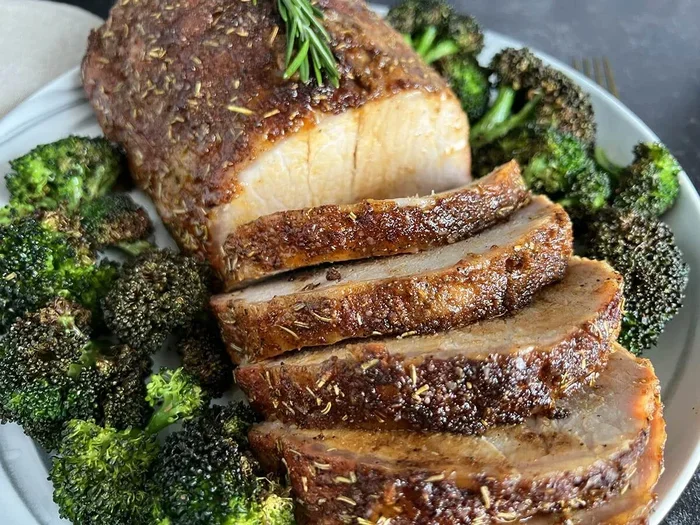
Slicing pork loin the right way keeps it juicy and presents beautifully. Always cut against the grain. Look for the direction of the muscle fibers and slice perpendicular to them. This shortens the fibers and makes each bite more tender.
For best results, use a sharp carving knife. A dull knife tears the meat and squeezes out moisture. Slice pieces about half an inch thick for the ideal balance of tenderness and presentation.
Pairing Suggestions
Pork loin is incredibly versatile. Here are some great side dish ideas:
- Roasted root vegetables
- Creamy mashed potatoes
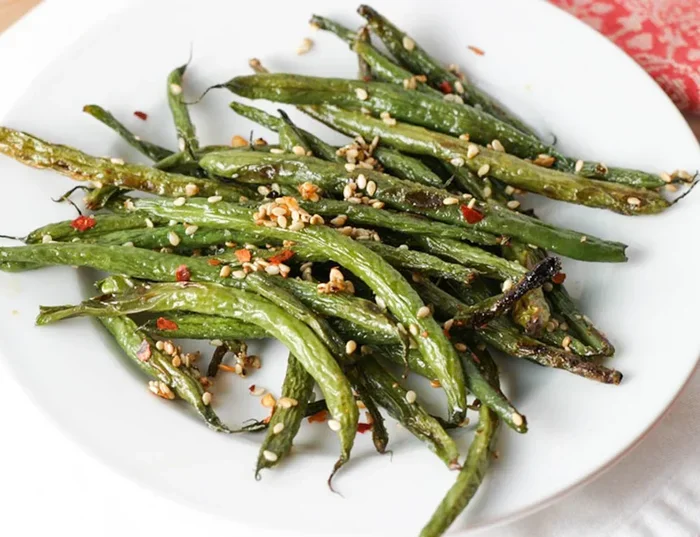
- Garlic green beans
- Apple and fennel slaw
- Wild rice pilaf
For a complete meal, consider making a simple pan gravy from the drippings left on the baking sheet. Just add a splash of chicken broth, whisk in a little butter, and season to taste.
Expert Tips for Juicy Pork Loin Every Time
Want to take your pork loin to the next level? Here are some expert tips that make a real difference:
- Brine for extra moisture: Soak the pork loin in a saltwater solution for 2 to 4 hours before cooking. This adds flavor and helps the meat retain moisture during roasting.
- Use a wire rack: Cooking on a rack allows hot air to circulate around the entire roast. The bottom stays crispy instead of soggy.
- Baste halfway through: Spoon the pan juices over the roast at the halfway point. This adds flavor and helps the surface stay moist.
- Add a glaze in the last 15 minutes: A mix of honey, Dijon mustard, and apple cider vinegar brushed on the pork loin creates a beautiful, caramelized finish.
- Let the oven preheat fully: Never put pork loin in a cold oven. A fully preheated oven ensures consistent cooking from the start.
If you are interested in comparing oven cooking times across different proteins, you might find it helpful to check how long chicken kebabs take in the oven for a useful comparison of different meat cooking times.
Storing and Reheating Leftover Pork Loin
Got leftovers? Cooked pork loin stores well in the refrigerator for up to 4 days. Let it cool completely before storing in an airtight container. For longer storage, wrap individual slices tightly and freeze for up to 3 months.
When reheating, the key is to keep it moist. The best method is to reheat slices in a covered skillet with a splash of broth or water over medium-low heat. You can also reheat in the oven at 300°F, covered with foil, until warmed through. Avoid microwaving if possible, as it tends to dry out pork loin quickly.
Frequently Asked Questions
How long does it take to cook porkloin in the oven at 375°F?
At 375°F, plan for about 25 to 40 minutes per pound. This lower temperature cooks the pork loin more gently, which can help prevent drying out. Always use a meat thermometer to check for 145°F in the thickest part.
Can you cook porkloin from frozen in the oven?
Yes, but you need to increase the cook time significantly. A frozen pork loin may take 50% longer to cook than a thawed one. For best results, thaw the pork loin in the refrigerator overnight first. This ensures more even cooking and better texture.
What is the difference between porkloin and pork tenderloin?
Pork loin and pork tenderloin are different cuts. Pork loin is larger, fattier, and more forgiving when cooked. Pork tenderloin is a smaller, leaner cut that cooks much faster, usually in about 20 to 25 minutes. They are not interchangeable in most recipes.
How do you know when porkloin is done in the oven?
The only reliable way to know is with a meat thermometer. Insert it into the thickest part of the roast. When it reads 145°F, the pork loin is done. The meat should also be slightly pink in the center and juices should run clear when you cut into it.
Should you cover porkloin with foil while cooking?
Generally, no. Leaving the pork loin uncovered allows the outside to brown and form a crust. However, if the top is browning too fast, you can loosely tent it with foil for the last 10 to 15 minutes of cooking.
What is carryover cooking and why does it matter?
Carryover cooking means the internal temperature of the meat continues to rise after you remove it from the oven. This happens because residual heat spreads through the roast. For pork loin, expect the temperature to rise 5 to 10 degrees during resting. Pull the meat off at 140°F for a perfect 145°F finish.
Conclusion
Cooking porkloin in the oven does not have to be complicated. With the right temperature, timing, and a little attention, you can serve a restaurant-quality roast right at home. Remember to cook at 400°F for about 20 to 35 minutes per pound, pull the meat at 145°F, and always let it rest before slicing.
Avoid the common pitfalls of overcooking, skipping the rest, and not using a thermometer. These small habits make a massive difference in the final result. Your pork loin will be juicy, flavorful, and perfectly tender every time.
Now that you have all the knowledge, it is time to get in the kitchen. Grab a pork loin, fire up your oven, and put these tips into practice. Once you nail your first perfect roast, you will never go back to dry, overcooked pork loin again. Happy cooking!