How Long To Make Salmon In The Oven Perfectly Every Time
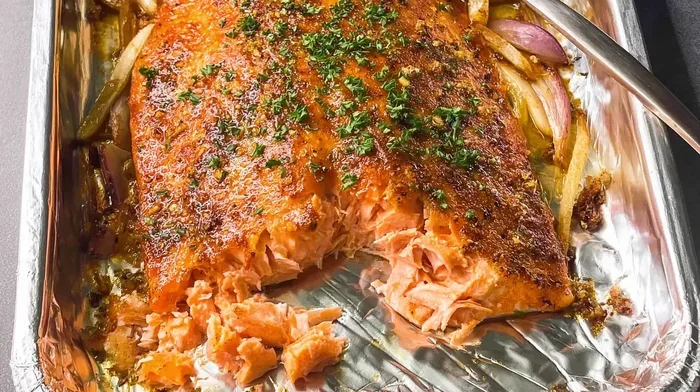
Baking salmon in the oven is simple when you know the right time and temperature. Most salmon fillets take 12 to 20 minutes at 400°F to cook through perfectly. This guide shows you exactly how long to make salmon in the oven so it stays moist, flaky, and full of flavor every single time.
There is something truly special about pulling a beautiful piece of salmon out of the oven. The kitchen smells amazing. The fish looks gorgeous with its slightly golden edges. And when you cut into it, it flakes apart so easily.
But let us be honest. Cooking salmon in the oven can feel tricky. One minute too long and it dries out. One minute too short and it feels underdone. The good news is that once you understand the basics, it becomes second nature.
This guide answers the question that home cooks ask all the time: how long to make salmon in the oven. We will cover temperatures, timing, thickness, and all the little tricks that make a huge difference. By the end, you will feel confident making oven-baked salmon whenever you want.
Key Takeaways
- 400°F is the sweet spot: This temperature cooks salmon evenly without drying it out.
- Thin fillets need 12 minutes: A thin piece of salmon bakes in about 12 to 15 minutes.
- Thick fillets take 18 to 20 minutes: Denser cuts need a bit more time in the oven.
- Use a meat thermometer: The internal temperature should reach 145°F for safe, perfectly cooked salmon.
- Let it rest: Giving salmon a 5-minute rest keeps it juicy and tender.
- Skin-on or skinless both work: Each option has its own benefits for flavor and texture.
- Season simply for best results: Salt, pepper, olive oil, and lemon bring out the natural flavor.
📑 Table of Contents
- Why Oven-Baked Salmon Is a Weeknight Winner
- What Temperature to Bake Salmon At
- How Long to Make Salmon in the Oven Based on Thickness
- How to Know When Salmon Is Done
- Step-by-Step Guide to Baking Salmon in the Oven
- Quick Tips for Perfect Salmon Every Time
- Common Mistakes to Avoid When Baking Salmon
- Best Salmon Cuts for Oven Baking
- Pairing Ideas for Oven-Baked Salmon
- Storing and Reheating Leftover Salmon
- Conclusion
Why Oven-Baked Salmon Is a Weeknight Winner
Salmon is one of the most popular fish choices for families. It is packed with omega-3 fatty acids. It is high in protein. And it cooks fast compared to other meats. That makes it perfect for busy weeknights when you want something healthy and delicious.
Oven-baked salmon is also incredibly easy. You do not need a lot of equipment. A baking sheet and some foil are all you really need. There is no special technique required. You just set the timer and wait.
Another big reason people love oven-baked salmon is versatility. You can keep it simple with just salt and lemon. Or you can get creative with glazes, herbs, and spices. It pairs well with vegetables, rice, pasta, and salads. No matter what your style is, salmon fits right in.
The Health Benefits of Eating Salmon
Salmon is often called a superfood. And for good reason. A single serving gives you a big dose of protein and healthy fats. It supports heart health. It helps reduce inflammation. And it is great for brain function.
Compared to other protein sources, salmon is relatively low in saturated fat. It is also a great source of vitamins B12 and D. If you are looking for a meal that is both nutritious and satisfying, bake salmon in the oven and you will not go wrong.
What Temperature to Bake Salmon At
Temperature is the most important factor when cooking salmon in the oven. Too hot and the outside burns before the inside is done. Too low and it takes forever and can turn mushy.
The ideal temperature for baking salmon is 400°F. This is the go-to heat level for most recipes. At 400°F, the salmon cooks evenly. The outside gets slightly crispy while the inside stays tender and moist. It is the perfect balance.
Some people prefer 375°F for a slower, gentler cook. This works well for thicker fillets. Others go up to 425°F for a quicker sear. But for most home cooks, 400°F is the magic number. It gives you a reliable window of about 12 to 20 minutes depending on thickness.
Can You Bake Salmon at 350°F?
Yes, you can bake salmon at 350°F. It will just take longer. Expect it to need around 20 to 25 minutes. The lower heat means a more gentle cook. Some people prefer this method because it reduces the risk of overcooking. However, you will not get as much browning on the surface.
Can You Bake Salmon at 425°F?
Baking salmon at 425°F is also a great option. The higher heat creates a nice crispy exterior. It also reduces cooking time. A thin fillet at 425°F might be done in just 10 minutes. Just keep a close eye on it so it does not dry out.
| Oven Temperature | Approximate Cook Time (Thin Fillet) | Approximate Cook Time (Thick Fillet) | Best For |
|---|---|---|---|
| 350°F | 20 to 25 minutes | 25 to 30 minutes | Gentle, low-and-slow cooking |
| 375°F | 15 to 18 minutes | 18 to 22 minutes | Thick fillets, even cooking |
| 400°F | 12 to 15 minutes | 15 to 20 minutes | Most recipes, best all-around |
| 425°F | 8 to 12 minutes | 12 to 16 minutes | Quick cook, crispy exterior |
How Long to Make Salmon in the Oven Based on Thickness
This is where most people get confused. The answer to how long to make salmon in the oven depends heavily on the thickness of the fillet. A thin piece of salmon cooks much faster than a thick one. Understanding this difference is the key to perfect results every time.
Thickness matters more than weight. A wide but thin fillet will cook faster than a narrow but thick one. So always look at the thickest part of the fish. That is what determines your cooking time.
Thin Fillets (Less Than 1 Inch Thick)
Thin salmon fillets, around half an inch to three-quarters of an inch, cook quickly. At 400°F, they are usually done in 10 to 15 minutes. These are great for weeknight meals because they do not require much waiting.
Watch thin fillets closely. They can go from perfectly done to overcooked in just a couple of minutes. Use a fork to check. The fish should flake easily but still look slightly translucent in the very center. It will continue cooking as it rests.
Medium Fillets (1 to 1.5 Inches Thick)
This is the most common thickness you will find at the grocery store. Medium fillets take about 12 to 18 minutes at 400°F. The middle of the fillet is the last part to cook through.
For best results, start checking at the 12-minute mark. Insert a thermometer into the thickest part. When it reads 140°F, pull it out. The residual heat will bring it up to the safe 145°F while it rests.
Thick Fillets (Over 1.5 Inches Thick)
Thick-cut salmon, sometimes called center-cut or steak-cut, needs more time. Expect 18 to 25 minutes at 400°F. These cuts are forgiving because they have a buffer zone between the outside and the center.
Thick fillets benefit from a slightly lower temperature. Some cooks drop the oven to 375°F for thick pieces. This gives the heat more time to penetrate to the center without burning the outside.
How to Know When Salmon Is Done
Timing gives you a good starting point. But the real way to know when salmon is done is by checking its internal temperature. This is the most reliable method and it takes the guesswork out entirely.
Use an instant-read meat thermometer. Insert it into the thickest part of the fillet at an angle. The USDA recommends an internal temperature of 145°F. At this point, the salmon is fully cooked and safe to eat.
However, many chefs prefer salmon at 135°F to 140°F. This is what people call medium or medium-rare. The fish is still pink in the center and incredibly moist. If you like your salmon a little less cooked, pull it off the heat at 135°F and let it rest.
Visual and Touch Tests for Doneness
Not everyone has a thermometer handy. That is okay. You can also check salmon by looking at it and touching it.
When salmon is done, it should be opaque pink throughout. If it still looks translucent in the middle, it needs more time. Gently press the top of the fillet with your finger. If it feels firm but still gives slightly, it is probably done. If it feels very soft and squishy, it needs a bit more time.
You can also check with a fork. Gently press the thickest part with the tines of a fork. If the fish flakes apart easily, it is ready. If it still resists flaking, give it another few minutes.
Common Signs of Overcooked Salmon
Overcooked salmon is dry and chalky. The color turns from pink to a dull beige or white. It loses its natural moisture and can taste bland. The flakes become very dry and fall apart in a way that does not look appealing.
If you have ever had dry salmon before, chances are it was left in the oven too long. This is the most common mistake people make. It is easy to fix though. Just pull the salmon out a few minutes early and let the residual heat finish the job.
Step-by-Step Guide to Baking Salmon in the Oven
Now that you know the basics of time and temperature, let us walk through the actual process. Follow these steps and you will have restaurant-quality salmon at home.
Step 1: Prep the Salmon
Take the salmon out of the fridge about 15 minutes before cooking. Letting it come to room temperature helps it cook more evenly. Pat it dry with paper towels. Moisture on the surface creates steam, which prevents the skin from crisping up.
If the fillet has the skin on, leave it on. The skin acts as a protective layer. It keeps the flesh moist during cooking. You can always remove it after baking if you prefer not to eat the skin.
Step 2: Season Generously
Seasoning is simple but important. Start with a light coat of olive oil. This helps the seasonings stick and promotes even browning. Then add salt and pepper on both sides.
From there, you can get creative. Some popular salmon seasonings include garlic powder, paprika, dill, and lemon zest. A drizzle of honey or maple syrup on top creates a beautiful glaze. Fresh herbs like thyme or rosemary also work wonderfully.
Step 3: Choose Your Baking Method
There are a few ways to bake salmon in the oven. The most common method is to place the fillet on a lined baking sheet. You can also use a baking dish or a sheet of foil for easy cleanup.
Some people swear by the foil method. Wrapping salmon in foil creates a little steam pocket. This keeps the fish extra moist. The downside is that the skin does not get as crispy. If you like crispy skin, skip the foil and just use parchment paper or a lightly oiled baking sheet.
Step 4: Bake and Monitor
Place the salmon in the oven on the middle rack. Set your timer based on the thickness guidelines above. Check the temperature with a thermometer a few minutes before the expected finish time.
Remember, the salmon will continue to cook after you take it out. This is called carryover cooking. Pulling it off a few minutes early ensures it does not overcook on the plate.
Step 5: Rest and Serve
Let the salmon rest for 5 minutes before serving. This allows the juices to redistribute throughout the fillet. The result is a more moist and flavorful piece of fish.
Serve your oven-baked salmon with lemon wedges, roasted vegetables, or a fresh salad. It makes a complete meal that is ready in under 30 minutes.
Quick Tips for Perfect Salmon Every Time
Even experienced cooks can sometimes struggle with salmon. Here are some quick tips that make a real difference in the final result.
- Buy skin-on fillets. The skin protects the flesh and adds flavor. It also makes the fish easier to flip and handle.
- Do not skip the drying step. Patting the salmon dry before seasoning leads to better browning and crispier skin.
- Use a wire rack. Placing salmon on a wire rack over a baking sheet allows air to circulate. This promotes even cooking on all sides.
- Do not overcrowd the pan. Give each fillet space. Overcrowding creates steam and prevents browning.
- Add salt right before cooking. Salt draws out moisture if applied too early. A quick sprinkle just before the oven works best.
- Let it rest after cooking. Five minutes of resting time makes a noticeable difference in juiciness.
- Experiment with flavors. Try different spice blends, glazes, and marinades to keep your salmon dinners exciting.
Common Mistakes to Avoid When Baking Salmon
Learning what not to do is just as important as learning the right way. Here are some common mistakes that lead to dry, bland, or overcooked salmon.
Starting with cold salmon. Putting a cold fillet straight into a hot oven creates uneven cooking. The outside overcooks while the inside stays cold. Always let salmon sit at room temperature for 10 to 15 minutes first.
Cooking at too high a temperature. High heat sounds faster, but it can burn the outside before the inside is done. Stick to 400°F for most fillets.
Not using a thermometer. Guessing doneness almost always leads to either undercooked or overcooked fish. A simple thermometer takes the guesswork out completely.
Over-seasoning. More is not always better. A light hand with salt and pepper lets the natural flavor of the salmon shine through.
Skipping the rest. Cutting into salmon immediately after taking it out of the oven releases all the juices. Let it rest and you will notice a big difference in texture.
Best Salmon Cuts for Oven Baking
Not all salmon cuts are the same. The cut you choose affects cooking time and texture. Here are the most popular options for oven-baked salmon.
Skin-on fillets. These are the most common and the most forgiving. The skin holds the flesh together and keeps it moist. They are great for beginners.
Skinless fillets. These cook a bit faster since there is no skin barrier. They also absorb seasonings more directly. Be careful not to overcook them since they have less protection.
Salmon steaks. These are thick cross-cut pieces that hold up well to higher heat. They take longer to cook but are very flavorful. Steaks are great for grilling too, but they work wonderfully in the oven.
Wild-caught vs. farmed salmon. Wild salmon tends to be leaner and cook faster. Farmed salmon has more fat and stays moist longer. Adjust your cooking time slightly based on the type you buy.
Pairing Ideas for Oven-Baked Salmon
Salmon is delicious on its own, but it is even better with the right sides. Here are some easy pairing ideas that make a complete meal.
- Roasted asparagus. Toss asparagus with olive oil, salt, and garlic. Roast on the same sheet pan for a one-pan meal.
- Garlic mashed potatoes. A classic comfort food pairing that works every time.
- Rice pilaf. A light and fluffy rice dish soaks up the salmon juices beautifully.
- Fresh green salad. Keep it light with a simple mixed greens salad and a lemon vinaigrette.
- Steamed broccoli. Quick, healthy, and full of flavor that complements salmon perfectly.
- Lemon butter pasta. A creamy pasta dish makes a decadent side for a special dinner.
Storing and Reheating Leftover Salmon
If you have leftover salmon, you can store it in the refrigerator for up to 3 days. Place it in an airtight container. The texture will change slightly when reheated, but the flavor stays great.
To reheat, use a low oven temperature of 275°F. Cover the salmon loosely with foil. Heat for about 10 to 15 minutes. This gentle approach keeps the fish from drying out. Avoid microwaving if possible. It can make the salmon rubbery and unevenly heated.
If you want to repurpose leftover salmon, it makes a fantastic addition to salads, sandwiches, and pasta dishes. Cold salmon on a bagel with cream cheese is a classic breakfast option too.
Conclusion
Now you know exactly how long to make salmon in the oven. The key is understanding thickness, temperature, and the importance of checking internal doneness. At 400°F, most fillets are done in 12 to 20 minutes. But always trust your thermometer over the clock.
Baking salmon in the oven is one of the easiest and most rewarding things you can cook at home. It is healthy, fast, and delicious. Once you get the hang of it, you will make it a regular part of your dinner rotation.
Start with the tips in this guide. Use a meat thermometer. Let your salmon rest. Season it simply and let the natural flavor shine. With a little practice, you will be able to make perfectly cooked salmon without even thinking about it.
So go ahead. Preheat your oven. Grab a salmon fillet from the fridge. And enjoy the process of creating a meal that is both wholesome and satisfying. You have got this.
Frequently Asked Questions
How long does it take to bake salmon at 400 degrees?
At 400°F, thin salmon fillets take about 12 to 15 minutes. Thicker fillets need 15 to 20 minutes. The exact time depends on the thickness of the fish and whether you prefer it more or less done. Always use a thermometer to check for doneness.
What is the best temperature to cook salmon in the oven?
400°F is the most recommended temperature for baking salmon. It cooks the fish evenly and creates a nice balance between a moist interior and a slightly crispy exterior. Some cooks prefer 375°F for thicker cuts or 425°F for a quicker, crispier result.
Should I cover salmon with foil when baking?
Covering salmon with foil keeps it extra moist and makes cleanup easier. However, it prevents the skin from getting crispy. If you like crispy skin, bake the salmon uncovered on a parchment-lined baking sheet. Both methods work well depending on your preference.
How can I tell if salmon is done without a thermometer?
Without a thermometer, check for visual and texture cues. The salmon should be opaque pink throughout and flake easily with a fork. Gently press the top of the fillet. If it feels firm but still gives slightly, it is likely done. The center should still look slightly moist.
Can I bake salmon from frozen?
Yes, you can bake salmon from frozen. Just increase the cooking time by about 50 percent. Place the frozen fillet on a lined baking sheet and bake at 400°F for 20 to 30 minutes. Let it rest for a few minutes before checking the internal temperature.
How long can I store leftover baked salmon?
Leftover baked salmon keeps in the refrigerator for up to 3 days. Store it in an airtight container. When reheating, use a low oven temperature of 275°F and cover loosely with foil to keep it moist. Avoid microwaving if you want the best texture.