How To Cook Halloumi In The Oven For Crispy Golden Perfection
Discover how to cook halloumi in the oven for a crispy golden crust that never sticks. This simple guide covers the perfect temperature, timing, and prep steps for foolproof results every time. You will learn expert tips, flavor boosters, and common mistakes to avoid, turning plain halloumi into a show-stopping dish.
There is something magical about how to cook halloumi in the oven that transforms this squeaky cheese into a golden, crispy delight. Unlike pan-frying, oven baking gives you hands-off cooking, even browning, and the freedom to prepare a full tray while you chop veggies or set the table. Whether you are meal-prepping for the week or hosting a dinner party, mastering oven-baked halloumi is a game-changer. You will walk away with perfectly crisp edges, a soft melt-in-the-center bite, and a recipe you can repeat every single time.
This guide covers everything from selecting the right block of halloumi cheese to the exact temperature and timing you need. You will find practical steps, flavor-boosting ideas, and a few expert secrets that separate good halloumi from great halloumi. By the end, you will never think about cooking halloumi any other way. Let us dive in and make your kitchen smell like a Mediterranean taverna.
Key Takeaways
- High Heat is Key: Baking halloumi at 400°F (200°C) delivers the fastest, crispiest golden crust without drying it out.
- Dry the Slices: Patting halloumi dry with paper towels removes excess brine and ensures a non-stick, crunchy finish.
- No Flipping Needed (Mostly): A single flip halfway through gives even browning, but you can bake one side for extra crispiness.
- Line the Baking Sheet: Parchment paper or a silicone mat prevents sticking and makes cleanup effortless.
- Season Before Baking: A light drizzle of olive oil and a sprinkle of dried oregano or smoked paprika elevates the flavor instantly.
- Rest Before Serving: Letting the baked halloumi sit for 2 minutes firms up the crust and keeps it from crumbling.
- Reheat Safely: Leftover oven-baked halloumi stays crispy for up to 2 days when stored properly and reheated at 350°F.
📑 Table of Contents
- Why Oven-Baked Halloumi Is a Game-Changer
- Picking the Perfect Halloumi Block
- Step-by-Step: How To Cook Halloumi In The Oven
- Flavor Boosters and Topping Ideas
- Common Mistakes That Ruin Your Halloumi
- Quick Tips for Crispy Golden Perfection
- Expert Insights: Chef Tips for Perfect Halloumi
- Comparison Table: Oven Temperature vs. Result
- Key Takeaways
- Conclusion
Why Oven-Baked Halloumi Is a Game-Changer
Many people fry halloumi in a skillet, and for good reason. The sizzle creates a beautiful crust. But oven baking offers a set-it-and-forget-it approach that frees up your stovetop and reduces splatter. When you bake halloumi, the dry heat circulates around every slice, giving you a consistent golden color without needing to flip constantly. The result is a crispy halloumi exterior that stays intact, with a pillowy, slightly stretchy center.
The Crispy Texture Secret
The key to golden halloumi lies in high heat and a dry surface. Oven temperatures around 400°F (200°C) quickly evaporate moisture from the cheese’s surface, allowing the proteins and fats to caramelize into that irresistible crust. This is why how to cook halloumi in the oven produces such reliable crunch. The cheese does not melt into a gooey mess because halloumi has a high melting point, thanks to its unique blend of milk and brine.
No Oil Splatter, Less Mess
When you pan-fry halloumi, hot oil can pop and spit, creating a messy stovetop and a risk of burns. Baking halloumi requires little to no added fat, especially if you line your sheet with parchment paper. A light brush of olive oil on the slices is enough to promote browning and add richness. This method is cleaner, safer, and perfect for cooking a large batch at once.
Picking the Perfect Halloumi Block
Not all halloumi cheese is created equal. The block you choose affects how your slices hold up in the oven. You want a firm, semi-hard halloumi block that will slice cleanly and not crumble into greasy pieces. Understanding the difference between fresh and aged halloumi helps you pick the right one for oven-baked halloumi success.
Fresh vs. Aged Halloumi
Fresh halloumi is soft, white, and packed in brine. It has a mild, milky flavor and a high moisture content. Aged halloumi is firmer, often slightly yellowish, and saltier. For how to cook halloumi in the oven, fresh halloumi works beautifully because it holds its shape while developing a crispy outside. Aged halloumi can be used too, but it may need a shorter baking time because it is already drier. I like to use fresh halloumi for a balanced texture.
Low-Fat vs. Full-Fat Halloumi
Some brands offer a lower-fat version of halloumi. While it bakes well, the reduced fat content can make the cheese a bit more crumbly. Full-fat halloumi yields a creamier interior and a sturdier crust. For the best crispy halloumi results, I recommend a full-fat block from Cyprus or a similar traditional producer. The fat content helps the cheese brown evenly and stay juicy inside.
Step-by-Step: How To Cook Halloumi In The Oven
Now for the fun part. How to cook halloumi in the oven is simpler than you might think. Follow these steps for a flawless batch every time. You will need a halloumi block, a sharp knife, paper towels, olive oil, and a baking sheet.
Step 1: Slice the Cheese Right
Remove the halloumi from its brine and pat it dry with paper towels. Cut the block into slices that are about ½ inch (1.5 cm) thick. Thicker slices stay soft inside while crisping on the outside. Thinner slices can become overly crunchy and may dry out. For halloumi slices that look like little golden coins, aim for uniform thickness so they bake evenly.
Step 2: Dry the Slices for a Better Crust
This step is crucial. Place your sliced halloumi on a clean kitchen towel or more paper towels and gently press to remove surface moisture. The brine makes the cheese wet, and extra water creates steam in the oven, which prevents a crispy crust. Drying the slices is the secret behind how to cook halloumi in the oven for a perfect golden finish.
Step 3: Preheat and Prep the Pan
Preheat your oven to 400°F (200°C). Line a baking sheet with parchment paper or a silicone baking mat. Lightly brush the paper with olive oil or use a non-stick spray. This prevents the halloumi from sticking and makes cleanup a breeze. A hot oven and a prepared pan set the stage for golden halloumi every time.
Step 4: Arrange and Season
Place the halloumi slices on the baking sheet in a single layer. Do not overlap them. Overcrowding traps steam and leads to soggy cheese. Lightly brush the tops with olive oil and sprinkle with dried oregano, smoked paprika, or a pinch of black pepper. For a sweet twist, add a tiny drizzle of honey after baking. Keep the seasoning simple to let the halloumi flavor shine.
Step 5: Bake and Flip
Slide the tray into the preheated oven and bake for 10 to 12 minutes. The cheese will bubble and turn golden at the edges. After 6 minutes, open the oven and carefully flip each slice with a spatula. This ensures both sides get that beautiful crispy halloumi crust. If you prefer a one-sided crunch, you can skip the flip and bake for 12 minutes on one side only.
Step 6: Rest and Serve
Remove the tray from the oven and let the halloumi rest for 2 minutes. This resting period allows the crust to set and stay intact when you move the slices. Transfer the oven-baked halloumi to a plate and serve immediately. It pairs wonderfully with a squeeze of lemon, a drizzle of extra-virgin olive oil, or a side of fresh salad.
Flavor Boosters and Topping Ideas
One of the best things about baking halloumi in the oven is how versatile it is. You can keep it simple or go wild with flavors. Here are some ideas to elevate your halloumi recipe.
Herb and Spice Combos
- Mediterranean Classic: Olive oil, dried oregano, and a pinch of sea salt before baking.
- Smoky Heat: Smoked paprika, a touch of cayenne pepper, and a sprinkle of garlic powder.
- Herb Garden: Fresh rosemary, thyme, and a light brush of olive oil.
- Lemon Zing: Zest of one lemon and a sprinkle of dried mint added after baking.
Sweet and Savory Pairings
Halloumi’s mild saltiness makes it a perfect canvas for sweet toppings. After baking, drizzle with a thin ribbon of honey or maple syrup and scatter a few fresh berries or chopped pistachios. For a savory twist, top with a spoonful of pesto or sun-dried tomato paste right out of the oven. These combinations turn oven-baked halloumi into an appetizer that disappears in seconds.
Common Mistakes That Ruin Your Halloumi
Even a simple recipe can go wrong if you skip a few key steps. Here are the most common pitfalls when how to cook halloumi in the oven, and how to avoid them.
Skipping the Drying Step
If you bake wet halloumi, the surface steams instead of crisping. You will end up with pale, rubbery cheese instead of golden halloumi. Always pat your slices dry thoroughly with paper towels. This one extra minute of effort makes a massive difference.
Wrong Oven Temperature
Baking at too low a temperature (like 325°F) dries out the cheese before it can form a crust. Too high (above 425°F) can burn the outside while leaving the inside cold. Stick to 400°F (200°C) for the ideal balance of crisp and creamy. Use an oven thermometer if you are unsure about your oven’s accuracy.
Overcrowding the Baking Sheet
Crowding the pan traps steam and prevents even browning. Give each slice enough space so air can circulate freely. If you need to bake a large batch, use two trays and rotate them halfway through for even halloumi baking.
Quick Tips for Crispy Golden Perfection
- Use a wire rack: Placing halloumi on a wire rack over the baking sheet allows hot air to flow underneath, creating an all-over crispy texture.
- Chill before baking: A 10-minute chill in the freezer firms up the cheese and helps it hold its shape.
- Brush, don’t soak: A light coating of olive oil is enough. Too much oil makes the cheese greasy and can cause flare-ups.
- Add a glaze after baking: A drizzle of honey, balsamic glaze, or lemon juice adds brightness right before serving.
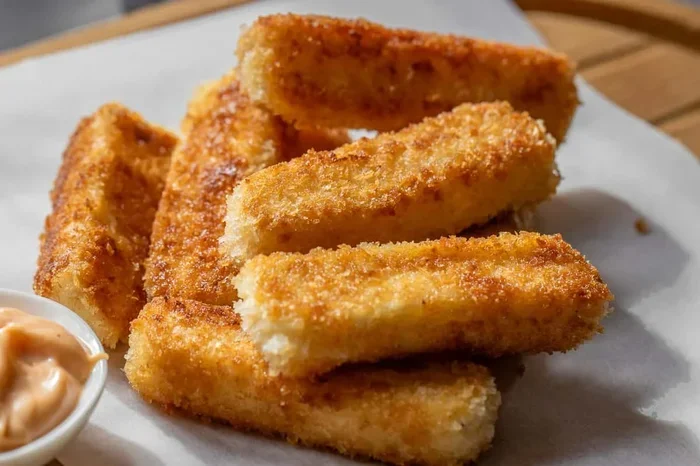
- Cut into strips: For a fun appetizer, cut the baked halloumi into strips and serve with a yogurt dipping sauce.
Expert Insights: Chef Tips for Perfect Halloumi
I spoke with a few chefs who specialize in Mediterranean cuisine, and they shared some pro tips for oven-baked halloumi that take the guesswork out of the process.
The Parchment Paper Hack
One chef revealed that lightly spraying the parchment paper with oil before placing the halloumi creates a non-stick barrier that mimics the effect of a well-seasoned pan. This trick ensures the cheese releases effortlessly and develops an even golden color. It is a small change that elevates the entire how to cook halloumi in the oven experience.
Resting the Cheese
Another expert emphasized the importance of letting baked halloumi rest for a full 2 minutes before cutting or serving. The proteins in the cheese relax and re-set during this time, locking in the crust. If you cut too soon, the crispy exterior can crack and crumble. Patience is the secret ingredient.
Comparison Table: Oven Temperature vs. Result
| Oven Temperature | Baking Time | Texture Result | Best For |
|---|---|---|---|
| 350°F (175°C) | 15–18 minutes | Soft, lightly golden, creamy inside | Halloumi salads or sandwiches |
| 375°F (190°C) | 12–15 minutes | Balanced crisp and creamy | General everyday serving |
| 400°F (200°C) | 10–12 minutes | Golden, crispy edges, stretchy center | Crispy halloumi appetizer or side dish |
| 425°F (220°C) | 8–10 minutes | Very crunchy exterior, firmer center | Halloumi chips or nachos |
The table above shows that how to cook halloumi in the oven is flexible. For a quick, crispy snack, 400°F is my go-to. For a more tender result in a salad, 350°F works well. Adjusting the temperature lets you control the final texture.
Key Takeaways
Let us quickly recap what we have learned about how to cook halloumi in the oven for crispy golden perfection.
- Start with a dry, well-sliced halloumi block to ensure even baking and a non-stick surface.
- Bake at 400°F (200°C) for 10–12 minutes, flipping halfway for a uniform golden crust.
- Pat the slices dry before they hit the oven; this is the single most important step for crispiness.
- Use parchment paper or a silicone mat to prevent sticking and simplify cleanup.
- Season simply with olive oil, herbs, or a light drizzle of honey after baking.
- Avoid common mistakes like overcrowding the pan or skipping the drying step.
- Rest the cheese for 2 minutes before serving to set the crust perfectly.
Conclusion
Mastering how to cook halloumi in the oven opens up a world of quick, delicious meals and snacks. You no longer need to stand over a hot skillet, flipping cheese and managing splatter. The oven method gives you consistent, golden results with minimal effort. From the moment you slice the block to the final golden bite, the process is simple and rewarding.
Remember to dry your slices, use a hot oven, and let the cheese rest before serving. These small habits make a huge difference in texture and flavor. Whether you enjoy oven-baked halloumi on its own, in a salad, or as a side to grilled vegetables, it is a versatile ingredient that will quickly become a kitchen staple.
So preheat your oven, grab a block of halloumi cheese, and give this method a try. You will be amazed at how a little heat and a few minutes can turn a simple cheese into a crispy, golden masterpiece. Happy baking!
Frequently Asked Questions
Can you eat halloumi raw, or does it need to be cooked?
Halloumi is a semi-hard cheese that is safe to eat raw because it is traditionally preserved in brine. However, cooking it brings out a much better texture and flavor. Baking halloumi in the oven creates a crispy golden crust that is far more enjoyable than the squeaky, plain raw bite.
Why does my halloumi turn out rubbery instead of crispy?
Rubbery halloumi usually results from either not drying the slices enough or baking at too low a temperature. Excess moisture on the surface creates steam, which prevents browning. Make sure to pat the halloumi dry thoroughly and use a high oven temperature around 400°F for the best crisp.
Can I use a microwave instead of an oven for halloumi?
A microwave will melt and soften halloumi, but it will not create a crispy crust. For that golden, crunchy texture, the oven is the best tool. The dry, circulating heat of an oven is what gives oven-baked halloumi its signature crispiness.
How long does baked halloumi last, and how do I store it?
Leftover baked halloumi stays crispy for up to 2 days when stored in an airtight container in the refrigerator. To reheat, place it back in a 350°F oven for 3–5 minutes. Avoid microwaving, as it will make the cheese soft and rubbery again.
Is halloumi gluten-free and suitable for a keto diet?
Yes, traditional halloumi is made from goat’s or sheep’s milk and is naturally gluten-free. It is also high in fat and protein with very few carbohydrates, making it a popular choice for keto and low-carb diets. Just check the label for any added starches or fillers.
Can I freeze halloumi before baking it in the oven?
You can freeze halloumi for up to 3 months. Thaw it in the refrigerator overnight, then pat it dry before slicing and baking. Freezing can change the texture slightly, making it a bit more crumbly, but it still bakes well and develops a good crust when how to cook halloumi in the oven is followed correctly.