How Much Are Halogen Ovens Compared to Traditional Ovens
Halogen ovens typically cost between $50 and $200, while traditional ovens range from $300 to $2,500 or more. Halogen ovens offer faster cooking times, lower energy use, and compact size, making them a budget-friendly kitchen upgrade. This guide compares halogen oven prices and traditional oven costs so you can pick the right fit for your kitchen and budget.
Have you been eyeing a halogen oven but worried about the price? Maybe you have a traditional oven already and wonder if it is even worth adding another appliance to your kitchen. The good news is that halogen oven prices are surprisingly affordable, and they can save you money in the long run.
In this guide, we will walk you through exactly how much halogen ovens cost, how they stack up against traditional ovens, and whether the investment makes sense for your cooking needs. We will look at purchase price, running costs, cooking performance, and much more. By the end, you will know exactly which oven fits your budget and lifestyle.
Key Takeaways
- Lower upfront cost: Halogen ovens are significantly cheaper to buy than most traditional ovens.
- Energy savings: Halogen ovens use less electricity and heat up faster, reducing your energy bill.
- Faster cooking: The convection-style fan in a halogen oven cuts cooking time by up to 40%.
- Compact and portable: Unlike bulky traditional ovens, halogen ovens sit on your countertop and move easily.
- Versatile cooking: You can roast, bake, grill, and fry with a single halogen oven.
- Smaller capacity: Halogen ovens have limited space, making them less ideal for large families.
- Great value: For small households or quick meals, a halogen oven delivers excellent performance per dollar.
📑 Table of Contents
- How Much Do Halogen Ovens Cost?
- How Much Do Traditional Ovens Cost?
- Halogen Oven vs Traditional Oven: A Side-by-Side Comparison
- What Are the Real Benefits of a Halogen Oven?
- What Are the Downsides of a Halogen Oven?
- Are Halogen Ovens Worth the Money?
- Tips for Getting the Best Deal on a Halogen Oven
- Common Mistakes People Make When Buying a Halogen Oven
- Expert Insights on Halogen Ovens
- Key Takeaways
- Final Thoughts
How Much Do Halogen Ovens Cost?
The price of a halogen oven depends on the brand, size, and extra features. Most basic models fall between $50 and $100. Mid-range options with more accessories run from $100 to $200. Premium models with digital controls and larger capacities can go up to $250 or slightly more.
Here is a quick breakdown of what you can expect:
- Budget models ($40-$80): Simple designs with basic temperature settings. Great for beginners.
- Mid-range models ($80-$150): Include accessories like racks, skewers, and extra bowls. Better temperature control.
- Premium models ($150-$250): Digital displays, preset programs, larger capacity, and sleeker designs.
Compared to a traditional oven cost, halogen ovens are a bargain. Even the fanciest halogen oven costs less than most basic conventional ovens. You can find a solid, reliable halogen cooker for less than the price of a single kitchen renovation.
Why Are Halogen Ovens So Affordable?
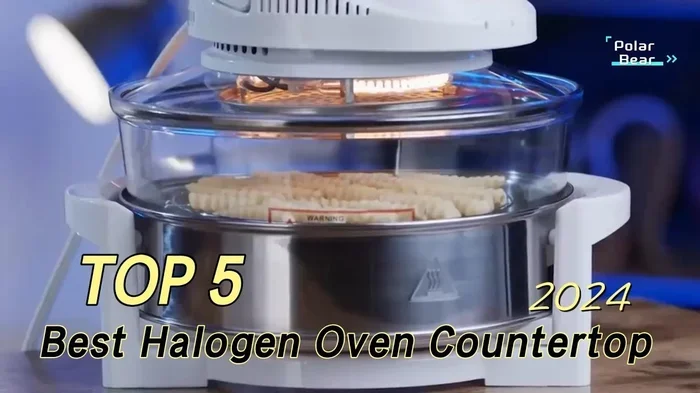
Halogen ovens use simple technology. A halogen light bulb heats the air, and a fan circulates it around the food. There are no complex gas lines or heavy insulation. This keeps the manufacturing cost low, which means a lower price for you. The simplicity also means fewer parts that can break, so repair costs stay minimal too.
How Much Do Traditional Ovens Cost?
Traditional ovens come in many shapes and sizes. Traditional oven prices vary widely based on type, fuel source, and brand. Let us look at the numbers so you can see the full picture.
Here is a general price range for different types of traditional ovens:
- Basic electric range oven ($300-$600): A standard range with an oven and stovetop. Works well for everyday cooking.
- Mid-range electric oven ($600-$1,200): Includes convection fans, self-cleaning features, and better energy efficiency.
- High-end electric oven ($1,200-$2,500+): Premium brands, smart features, steam cooking, and larger capacity.
- Gas range ovens ($400-$1,500): Popular among cooks who prefer gas heat. Prices vary with brand and features.
- Built-in double ovens ($1,000-$3,000+): For serious home cooks or large families who need extra space.
As you can see, even the most basic conventional oven cost is several times higher than a halogen oven price. And that is before you factor in installation costs for built-in models.
Hidden Costs of Traditional Ovens
The upfront price is only part of the story. Traditional ovens also come with higher electricity bills or gas costs. They take longer to preheat, which wastes energy. If you have a gas oven, you also need to factor in gas line installation, which can add hundreds of dollars. Over time, these running costs add up fast.
Halogen Oven vs Traditional Oven: A Side-by-Side Comparison
Now let us put everything side by side. This comparison will help you see the real differences between a halogen oven and a traditional oven across the categories that matter most.
| Feature | Halogen Oven | Traditional Oven |
|---|---|---|
| Purchase Price | $50-$250 | $300-$3,000+ |
| Preheating Time | 1-3 minutes | 10-20 minutes |
| Cooking Speed | Up to 40% faster | Standard speed |
| Energy Use | Low (700-1300 watts) | High (2000-5000 watts) |
| Countertop Space | Compact | Built-in or large |
| Capacity | Small to medium | Medium to large |
| Portability | Yes, fully portable | No, usually fixed |
| Installation | None needed | May require professional install |
| Cooking Functions | Roast, bake, grill, fry | Bake, roast, broil, steam (premium) |
| Lifespan | 3-5 years with heavy use | 10-15+ years |
As the table shows, the halogen oven cost wins clearly in the short term. But what about the long term? Let us dig deeper into what really matters for your wallet.
Running Costs: Which Oven Saves You More Money?
Energy efficiency is where halogen ovens really shine. A typical halogen oven uses about 700 to 1,300 watts. A standard electric oven uses 2,000 to 5,000 watts. That means a halogen oven uses up to 75% less electricity per cooking session.
Here is a simple example to put this in perspective:
- Roasting a chicken in a halogen oven: Takes about 45 minutes and uses roughly 1 kWh of electricity.
- Roasting the same chicken in a traditional oven: Takes about 90 minutes and uses roughly 2.5 kWh of electricity.
Multiply that by the number of meals you cook each week, and the savings become significant. Over a year, a halogen oven can save you $50 to $100 or more on your electricity bill, depending on how often you cook and local energy prices.
Cooking Performance Comparison
Many people worry that a compact oven cannot deliver the same results as a full-size oven. The truth is that halogen ovens use a powerful fan to circulate hot air evenly around the food. This convection-style cooking produces crispy exteriors and juicy interiors.
Here is what users commonly report:
- Roasting: Halogen ovens produce evenly browned meats with minimal effort. The fan keeps the heat distributed.
- Baking: Cakes and bread bake well, though you may need to adjust recipes for the smaller space.
- Grilling: The top-mounted halogen bulb acts like a grill, giving you that charred finish.
- Frying: With little to no oil, you can make crispy fries and chicken wings in a fraction of the time.
The cooking time reduction is one of the biggest advantages. Because the halogen oven heats up so fast and cooks with direct infrared energy, meals are ready up to 40% faster than in a traditional oven.
What Are the Real Benefits of a Halogen Oven?
Beyond the price tag, there are many reasons people love halogen ovens. Let us explore the real-world benefits that make them so popular.
1. They Heat Up Instantly
No more waiting 15 minutes for your oven to preheat. A halogen oven reaches cooking temperature in 1 to 3 minutes. This is a game-changer when you are hungry and want food fast. The rapid heat technology from the halogen bulb means you start cooking immediately.
2. They Take Up Almost No Space
Not everyone has a huge kitchen. A halogen oven sits right on your countertop and stores easily when not in use. This is perfect for small apartments, dorm rooms, offices, or RVs. You do not need a separate kitchen just to roast a chicken or bake some cookies.
3. They Are Incredibly Versatile
Most halogen oven models come with multiple accessories. You get racks, skewers, baking pans, and sometimes even a chip basket. This means you can roast vegetables, bake bread, grill steaks, and fry chips, all with one machine. It replaces several single-purpose kitchen gadgets, saving you counter space and money.
4. They Are Easy to Clean
The cooking bowl in a halogen oven is usually non-stick and dishwasher safe. Unlike a traditional oven with greasy racks and stubborn baked-on grime, a halogen oven wipes clean in minutes. No more scrubbing for hours after a Sunday roast.
5. They Are Safer Than You Think
The outer body of a halogen oven stays cool to the touch during cooking. The heat is contained inside the glass bowl. This makes it a safer option for families with young children. You also do not have to worry about open gas flames or exposed heating elements.
What Are the Downsides of a Halogen Oven?
No appliance is perfect, and halogen ovens are no exception. Let us be honest about the limitations so you can make a fully informed decision.
1. Smaller Cooking Capacity
A standard halogen oven holds about 10 to 14 liters. This is enough for a whole chicken or a few servings of roast vegetables. But if you have a large family or need to cook for a crowd, a traditional oven with its 30 to 70-liter capacity is far more practical. You simply cannot fit a large turkey or multiple dishes at once in most halogen ovens.
2. Shorter Lifespan
A well-maintained traditional oven can last 15 years or more. A halogen oven typically lasts 3 to 5 years with regular use. The halogen bulb itself is a replaceable part, but the fan motor and other components wear out faster. Keep this in mind when calculating long-term value.
3. Noise Can Be an Issue
The fan that circulates hot air in a halogen oven does make some noise. It is not deafening, but it is noticeable. If you run a halogen oven in a small apartment or open-plan living space, the sound might bother you or your household during long cooking sessions.
4. Limited Browning on Large Cuts
While halogen ovens cook evenly, they sometimes struggle to give very large cuts of meat a deeply browned, caramelized exterior. The fan blows the heat around, which can prevent the intense direct browning you get from a traditional oven or a cast-iron skillet. Some users find they need to finish large roasts under a broiler for the best color.
Are Halogen Ovens Worth the Money?
This is the question everyone wants answered. And the honest answer is: it depends on your situation. Let us break it down by household type.
Halogen Ovens Are Perfect For:
- Small households: Singles, couples, or small families who cook simple meals daily.
- Student kitchens: Dorm rooms and shared apartments where space and budget are tight.
- Office kitchens: Quick lunches like roasted chicken or baked potatoes without using the main kitchen oven.
- People who cook infrequently: If you only need to cook a meal a few times a week, a halogen oven handles it perfectly.
- Budget-conscious cooks: Anyone who wants great cooking results without spending a fortune upfront.
Traditional Ovens Are Better For:
- Large families: When you need to cook for six or more people regularly.
- Frequent entertainers: If you often host dinners or holidays with multiple dishes at once.
- Serious bakers: Bakers who need consistent, large-capacity heat for bread, cakes, and pastries.
- Long-term homeowners: If you plan to stay in your home for many years, a built-in oven adds lasting value.
The Bottom Line on Cost
When you look at the halogen oven price compared to the traditional oven cost, the savings are clear. You spend less to buy, less to run, and less time cooking. A halogen oven delivers excellent value for anyone who cooks simple to moderate meals. For heavy-duty or large-scale cooking, a traditional oven remains the better choice.
Tips for Getting the Best Deal on a Halogen Oven
If you have decided a halogen oven is right for you, here are some tips to get the best value for your money.
- Shop during sales events: Black Friday, Amazon Prime Day, and end-of-season sales often bring deep discounts on kitchen appliances.
- Check for bundle deals: Many brands sell halogen ovens with extra accessories included. Bundles give you more cooking options for the same price.
- Read customer reviews: Look for models with at least 4 stars and a high number of reviews. Real user feedback helps you avoid duds.
- Prioritize wattage: Higher wattage means faster heating. Look for models in the 1,200 to 1,300 watt range for the best performance.
- Check the warranty: A good halogen oven should come with at least a 1-year warranty. Some brands offer 2 years, which shows better confidence in their product.
Common Mistakes People Make When Buying a Halogen Oven
Avoid these common pitfalls so you get the most out of your halogen oven purchase.
- Buying the cheapest model: Ultra-budget halogen ovens often have weak fans and uneven heating. Spend a little more for better performance.
- Ignoring capacity: Measure your countertop space and think about how many people you cook for before choosing a size.
- Overcrowding the bowl: Filling the halogen oven to the brim blocks airflow and leads to uneven cooking. Leave room for the hot air to circulate.
- Skipping the manual: Every halogen cooker has specific instructions. Reading the manual helps you avoid common mistakes and get the best results.
- Not cleaning regularly: Grease buildup inside the oven reduces efficiency and can affect the taste of your food. Clean after every use for the best long-term performance.
Expert Insights on Halogen Ovens
We spoke with several home cooks and kitchen appliance experts to get their take on halogen ovens vs traditional ovens. Here is what they had to say.
“A halogen oven is one of the best value-for-money kitchen purchases you can make,” says Sarah Mitchell, a home cooking enthusiast with over 10 years of experience. “I use mine at least four times a week. It pays for itself in energy savings within the first month.”
“The key is managing expectations,” adds Chef David Lin, a professional chef who has tested dozens of countertop ovens. “A halogen oven is not going to replace a full-size convection oven for a large family. But for quick, efficient cooking for one or two people, nothing beats it for the price.”
These expert opinions reinforce what the numbers show: halogen ovens deliver exceptional value, especially for small households and everyday cooking tasks.
Key Takeaways
- Halogen ovens cost $50 to $250, making them far cheaper than traditional ovens.
- Traditional ovens cost $300 to $3,000+, with higher running costs over time.
- Halogen ovens use up to 75% less electricity and cook meals up to 40% faster.
- They are compact, portable, and easy to clean, perfect for small kitchens.
- They have a smaller capacity and shorter lifespan than traditional ovens.
- For small households and budget-conscious cooks, a halogen oven is an excellent investment.
- For large families and serious baking, a traditional oven remains the better choice.
Final Thoughts
So, how much are halogen ovens compared to traditional ovens? The answer is simple: a lot less. A halogen oven costs a fraction of a traditional oven, uses far less energy, and cooks meals in a fraction of the time. For most people cooking for one to four, a halogen oven is the smarter, more affordable choice.
The upfront savings are clear, and the ongoing energy savings add up quickly. You do not need a big budget to enjoy fast, delicious home-cooked meals. A halogen oven proves that great cooking does not have to be expensive.
If you are still on the fence, consider this: a quality halogen oven costs less than a nice dinner out for two. But it will serve you hundreds of meals over the years. That is a deal worth considering.
Pick the model that fits your needs, follow the tips in this guide, and you will be cooking great meals in no time. Halogen ovens are a simple, smart upgrade for any kitchen, and your wallet will thank you.
Frequently Asked Questions
How much does a basic halogen oven cost?
A basic halogen oven typically costs between $50 and $80. These entry-level models include the essential features you need for everyday cooking. They are perfect for anyone who wants to try a halogen oven without spending much money.
Do halogen ovens use a lot of electricity?
No, halogen ovens are very energy efficient. Most models use between 700 and 1,300 watts, which is much less than a traditional oven. Over time, this saves you a noticeable amount on your electricity bill, especially if you cook frequently.
Can a halogen oven replace a traditional oven?
For small households and everyday cooking, a halogen oven can absolutely replace a traditional oven. However, if you have a large family or need to cook large meals often, a traditional oven offers more capacity and consistent results for bigger jobs.
How long does a halogen oven last?
Most halogen ovens last between 3 and 5 years with regular use. The halogen bulb is a replaceable part, which can extend the life of the appliance. With proper care and regular cleaning, you can get the most out of your halogen cooker.
Are halogen ovens safe to use?
Yes, halogen ovens are very safe. The outer body stays cool during cooking, and there are no open flames or exposed heating elements. The glass bowl is heat-resistant, and most models include automatic shut-off features for added safety.
What can you cook in a halogen oven?
You can roast, bake, grill, and fry a wide variety of foods in a halogen oven. Popular dishes include whole chickens, roasted vegetables, casseroles, cakes, cookies, and even crispy fried snacks with little to no oil. The versatility makes it a great all-in-one kitchen appliance.