How To Make Frozen Fries In Oven Perfectly Every Time
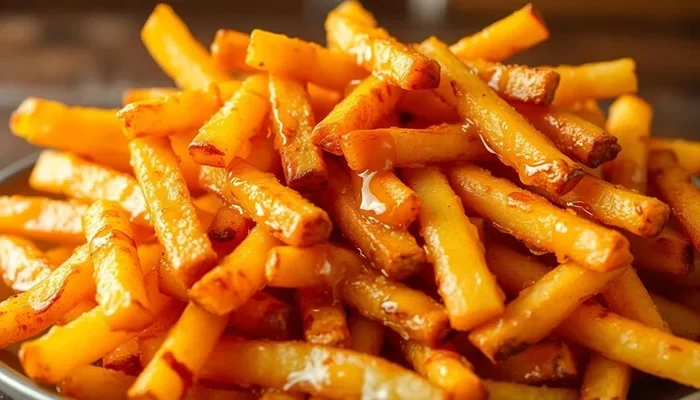
Making frozen fries in oven is one of the easiest ways to get crispy, golden fries at home without deep frying. You will learn the exact oven temperature, timing, and seasoning tips that turn store-bought frozen fries into something restaurant-quality. Whether you prefer thin shoestring fries or thick steak-cut fries, this guide covers how to make frozen fries in oven so they come out perfectly crispy every single time. Follow our simple steps and say goodbye to soggy, bland fries forever.
There is nothing quite like a plate of hot, crispy fries on a Friday night. Whether you are feeding a crowd or just treating yourself, how to make frozen fries in oven is a skill everyone should have. It is fast, easy, and costs a fraction of what you would pay for takeout.
Most people think frozen fries are just a lazy food option. But with the right technique, you can make crispy frozen fries that taste better than many fast-food versions. The secret lies in oven temperature, spacing, and a few small tricks that most people overlook.
In this guide, we walk you through everything you need to know. From picking the best frozen potato fries to nailing the perfect bake time, you will find all the details here. Let us get started and turn those freezer staples into something amazing.
Key Takeaways
- Preheat your oven to 425°F: This is the sweet spot for crispy frozen fries that turn golden on the outside and fluffy on the inside.
- Spread fries on a single layer: Overcrowding the baking sheet is the #1 reason fries come out soggy instead of crispy.
- Use parchment paper or a wire rack: Both methods help air circulate evenly and prevent sticking.
- Flip halfway through cooking: This simple step ensures both sides get evenly crispy and browned.
- Season after baking: Salt and season right out of the oven while the fries are still hot and slightly oily.
- Avoid frozen fries straight from the bag: Letting them sit at room temperature for a few minutes helps remove excess moisture.
- Add a light coat of oil: Even though frozen fries have oil on them, a small extra coating boosts crispiness significantly.
- Why Oven-Baked Frozen Fries Are a Game Changer
- How to Make Frozen Fries in Oven: Step-by-Step Guide
- Best Oven Temperature and Timing for Frozen Fries
- Common Mistakes That Make Frozen Fries Soggy
- Seasoning Ideas to Elevate Your Oven Fries
- Pro Tips for Perfect Crispy Frozen Fries Every Time
- How Frozen Fries Compare to Fresh Homemade Fries
- Serving Suggestions and Dipping Sauces
- Storing and Reheating Leftover Fries
- Conclusion
📑 Table of Contents
Why Oven-Baked Frozen Fries Are a Game Changer
Deep-fried fries taste great, but they come with a lot of extra oil and cleanup. Oven-baked fries give you that satisfying crunch with far less fat. They are also much easier to make, which is a big win on busy weeknights.
When you bake frozen fries in the oven, you get consistent results every time. There is no oil to splatter, no thermometer to monitor, and no pot of hot oil to manage. You simply set the temperature, set the timer, and wait.
The Science Behind Crispy Frozen Fries
Understanding why fries get crispy helps you troubleshoot when they do not turn out right. The main goal is to drive off moisture quickly while the starch inside the potato softens. High heat is essential for this process.
When frozen french fries hit a hot oven, the surface moisture evaporates fast. This creates a dry outer layer that turns golden and crunchy. Meanwhile, the inside stays soft and fluffy. If your oven is too cool, the fries steam instead of bake, leading to limp results.
A few factors affect crispiness:
- Oven temperature: Higher heat equals crispier fries. Aim for 425°F for the best results.
- Airflow: Space between fries lets hot air circulate. Crowded fries trap steam.
- Surface oil: A light coating helps transfer heat and browns the exterior.
- Moisture content: Less surface moisture means faster crisping.
How to Make Frozen Fries in Oven: Step-by-Step Guide
Now that you understand the basics, let us walk through the process. Following these steps will give you oven fries recipe results that rival any restaurant. The process is simple and takes about 25 to 35 minutes total.
Step 1: Preheat Your Oven
Always preheat your oven to 425°F (220°C). This is the ideal temperature for most frozen potato fries. Preheating ensures the fries start cooking immediately when they hit the hot pan. Skipping this step adds several extra minutes to your cook time.
Place your oven rack in the center position. This allows heat to surround the fries evenly from all sides. If you have a convection setting, use it. The circulating air helps fries bake more uniformly.
Step 2: Prepare Your Baking Sheet
Line a large baking sheet with parchment paper or a silicone baking mat. You can also use a wire rack set over a baking sheet for even better results. A wire rack lets hot air flow underneath the fries, which prevents the bottoms from getting soggy.
If you prefer a more traditional approach, a lightly oiled baking sheet works well too. Just use a thin layer of oil with a paper towel to avoid excess grease.
Step 3: Spread the Fries in a Single Layer
This is the most important step. Pour your frozen fries out of the bag and spread them in a single layer across the baking sheet. Do not pile them up. Overcrowding is the fastest way to end up with soft, uneven fries.
If you have a large batch, use two baking sheets or work in multiple rounds. It is tempting to fit everything on one sheet, but patience pays off here. Give each fry enough space so air can flow around it freely.
Step 4: Lightly Coat with Oil
Most frozen fries already have oil on them from the manufacturing process. However, adding a very light spray or drizzle of oil before baking boosts crispiness. Use a neutral oil like canola or vegetable oil.
You do not need much. A light mist from a spray bottle works perfectly. Too much oil will make the fries greasy rather than crispy. The goal is a thin, even coating that aids browning.
Step 5: Bake and Flip
Place the baking sheet in the preheated oven and bake for about 20 to 25 minutes. Set a timer for the halfway point, around the 10 to 12-minute mark. Pull the tray out and flip each fry using tongs or a spatula.
Flipping ensures both sides get exposed to direct heat. This is what gives you that even golden color on all sides. After flipping, return the tray to the oven and continue baking for another 10 to 15 minutes.
Watch the fries closely during the last few minutes. They can go from perfectly golden to overcooked very quickly. You want them to be light golden brown, not dark brown or burnt.
Step 6: Season Immediately
As soon as the fries come out of the oven, sprinkle salt and any other seasonings you like. The residual heat and light oil coating help the seasoning stick to the fries perfectly.
If you wait too long, the seasoning will not adhere well. Work quickly while the fries are still hot. Spread them on a plate or paper towel briefly if you want to remove excess surface oil.
Best Oven Temperature and Timing for Frozen Fries
Getting the right oven temperature and timing is the foundation of perfect fries. Every brand of frozen fries is slightly different, but these general guidelines work for nearly all types.
Here is a quick reference table for common frozen fry varieties:
| Fry Type | Temperature | Bake Time | Flip at |
|---|---|---|---|
| Thin Shoestring Fries | 425°F | 18-22 min | 10 min |
| Standard Cut Fries | 425°F | 22-28 min | 12 min |
| Thick Steak-Cut Fries | 425°F | 25-35 min | 15 min |
| Waffle Fries | 425°F | 20-25 min | 10 min |
| Curly Fries | 420°F | 20-25 min | 10 min |
These times are approximate. Always check the package instructions as a starting point. Different brands use different potato cuts and pre-treatments that can affect bake time.
If you like your fries extra crispy, try increasing the temperature by 10 to 15 degrees and reducing the time slightly. Just keep a close eye on them to prevent burning.
Common Mistakes That Make Frozen Fries Soggy
Even with the best ingredients, small mistakes can ruin your fries. Here are the most common pitfalls and how to avoid them.
Overcrowding the Baking Sheet
This is the number one mistake people make. When fries are crammed together, steam gets trapped between them. That steam softens the exterior and prevents crispiness. Give each fry room to breathe.
If you must cook a large quantity, use multiple trays or bake in two batches. The extra effort makes a huge difference in texture.
Skipping the Preheat
Putting frozen fries into a cold oven is a recipe for uneven cooking. The fries will start to thaw and release moisture before the oven reaches the right temperature. This leads to steamed, soft fries instead of crispy ones.
Always wait for the oven to fully preheat. Most ovens signal when they are ready, but you can also use an oven thermometer to be sure.
Not Flipping the Fries
Fries that only bake on one side will come out unevenly browned. One side might be crispy while the other stays pale and soft. Flipping halfway through ensures even cooking on all sides.
If you are using a wire rack, flipping is even more important because the bottom side has no contact with a hot surface.
Seasoning Too Early or Too Late
Adding salt before baking can draw out moisture and make fries less crispy. Adding it too late means the seasoning slides right off. The sweet spot is immediately after removing the fries from the oven.
For the best flavor, toss warm fries with salt and seasoning in a large bowl right after they come out. This gives you even coverage and helps the seasoning stick.
Seasoning Ideas to Elevate Your Oven Fries
Plain salted fries are delicious, but you can take them to the next level with creative seasonings. Frozen fries seasoning is where you can really get creative and make the recipe your own.
Here are some popular flavor combinations to try:
- Classic Salt and Pepper: Simple, clean, and always satisfying. Use freshly cracked black pepper for the best flavor.
- Garlic Parmesan: Toss with garlic powder, grated Parmesan cheese, and a pinch of Italian herbs.
- Smoky BBQ: Add smoked paprika, a touch of cumin, and a light sprinkle of brown sugar.
- Spicy Kick: Combine cayenne pepper, chili powder, and a bit of smoked paprika for heat lovers.
- Truffle Oil Finish: Drizzle with truffle oil and sprinkle with sea salt right after baking.
- Ranch Style: Mix dried ranch seasoning with a light dusting of dried dill and garlic powder.
Feel free to experiment. The great thing about oven fries is that you control exactly what goes on them. You can make them as healthy or as indulgent as you like.
Pro Tips for Perfect Crispy Frozen Fries Every Time
These expert tips will take your bake frozen fries game to the next level. Each one is simple but makes a noticeable difference in the final result.
Let the Fries Thaw Slightly
Take the frozen fries out of the freezer 5 to 10 minutes before baking. Letting them lose a little surface frost reduces excess moisture. This small step helps the fries crisp up faster and more evenly.
Do not let them thaw completely. You still want them mostly frozen when they go on the baking sheet. The goal is just to remove the heavy frost layer.
Use a Wire Rack Instead of a Flat Sheet
A wire rack is the secret weapon for crispy fries. It allows hot air to flow underneath, which means the bottom side gets just as crispy as the top. This is something a flat baking sheet simply cannot do.
If you do not have a wire rack, you can improvise by placing a cooling rack on top of your baking sheet. Just make sure it is heat-safe.
Double Bake for Extra Crispiness
For the crispiest results, try a two-stage approach. Bake the fries at 425°F for 15 minutes, remove them, increase the oven temperature to 450°F, and bake for another 8 to 10 minutes. This double-bake method drives off even more moisture for an extra crunch.
This technique works especially well for thick-cut fries that tend to stay soft in the middle. The second round at higher heat crisps up the exterior without overcooking the inside.
Do Not Skip the Cornstarch Trick
For an extra-crispy exterior, toss your frozen fries with a very light dusting of cornstarch before baking. The cornstarch absorbs surface moisture and promotes faster browning. Use just a teaspoon or two for a full baking sheet of fries.
This trick is especially helpful if you are using a lower-quality brand of frozen fries that tends to come out softer.
How Frozen Fries Compare to Fresh Homemade Fries
Many people wonder whether oven-baked french fries from frozen can really match fresh-cut fries. The honest answer is that frozen fries have come a long way. Some premium brands produce fries that are nearly indistinguishable from fresh-cut ones.
Here is a quick comparison of the two approaches:
| Factor | Frozen Fries | Fresh Homemade Fries |
|---|---|---|
| Prep Time | 5 minutes | 30-45 minutes (peeling, cutting, soaking) |
| Consistency | Very consistent | Varies based on potato and cut |
| Texture | Good to excellent | Excellent when done right |
| Cost | Budget-friendly | Slightly higher per serving |
| Convenience | Extremely convenient | Requires more effort and skill |
| Customization | Limited to seasoning | Full control over cut, soak, and cook |
For most people, how to make frozen fries in oven is the best balance of convenience and quality. You get great results with minimal effort. Fresh fries are wonderful, but they require more time and skill to get right.
Serving Suggestions and Dipping Sauces
Great fries deserve great dips. The right sauce can transform a simple plate of crispy oven fries into a memorable snack or side dish.
Here are some classic and creative dipping options:
- Ketchup: The timeless classic. No explanation needed.
- Mayo or Aioli: Garlic aioli adds a rich, creamy complement to crispy fries.
- Sriracha Mayo: Mix sriracha sauce with mayo for a spicy, creamy dip.
- Cheese Sauce: A warm cheese dip takes fries from snack to meal.
- BBQ Sauce: A sweet and smoky dip that pairs perfectly with spicy seasonings.
- Vinegar: A splash of malt vinegar gives fries a tangy, British-style twist.
Serve your fries in a paper-lined basket or on a plate with a small bowl of your favorite dip. They are best enjoyed fresh and hot, right out of the oven.
Storing and Reheating Leftover Fries
If you somehow have leftover fries (which is rare in our house), proper storage makes all the difference. Never store fries in a sealed container while they are still hot. The trapped steam will make them soggy.
Let the fries cool completely on a wire rack before storing them in an airtight container in the refrigerator. They will keep for up to 2 days.
To reheat, place the fries on a baking sheet and warm them at 400°F for about 5 to 7 minutes. This restores much of the original crispiness. Avoid microwaving, as that will turn them soft and limp.
The best way to enjoy leftover frozen fries is to re-crisp them in the oven just like you would fresh ones. A quick reheat brings back that golden crunch.
Conclusion
How to make frozen fries in oven is one of the simplest kitchen skills you can learn. With the right temperature, proper spacing, and a few smart tricks, you can make crispy frozen fries that taste incredible every time. The process is straightforward, forgiving, and delivers results that are hard to beat.
Remember to preheat your oven to 425°F, spread the fries in a single layer, flip them halfway through, and season them right out of the oven. These small steps make a huge difference in texture and flavor.
Now that you have all the tips and techniques, it is time to put them into practice. Grab a bag of your favorite frozen potato fries, preheat the oven, and enjoy a batch of perfectly crispy, golden fries. Once you master this method, you will never go back to soggy, undercooked fries again.
Frequently Asked Questions
Can I use any brand of frozen fries for this method?
Yes, this method works with virtually any brand of frozen fries. However, thicker-cut varieties like steak fries may need a few extra minutes in the oven. Always check the package directions as a starting point and adjust based on your oven and preferences.
Do I need to thaw frozen fries before putting them in the oven?
No, you do not need to thaw them. In fact, baking them while still frozen helps maintain their shape and texture. Just let them sit out for a few minutes to remove surface frost, and then spread them on the baking sheet right away.
Can I use an air fryer instead of an oven for frozen fries?
Absolutely. An air fryer works wonderfully for frozen fries and often produces even crispier results in less time. Cook them at 400°F for about 15 to 20 minutes, shaking the basket halfway through. The process is very similar to oven baking.
Why are my frozen fries coming out soggy instead of crispy?
The most common reason is overcrowding the baking sheet. When fries are too close together, steam gets trapped and softens them. Other causes include not preheating the oven, skipping the flip halfway through, or using a temperature that is too low. Fix these issues and you will see a big improvement.
What is the best oil to use for crispy frozen fries?
A neutral oil with a high smoke point works best. Canola oil, vegetable oil, and avocado oil are all excellent choices. Use a very light amount, either sprayed or brushed on, to avoid making the fries greasy while still boosting crispiness.
How do I keep frozen fries crispy after taking them out of the oven?
Spread the finished fries on a wire rack or a plate lined with paper towels. Do not cover them or stack them in a container, as trapped steam will soften them right away. Serve them immediately for the best crunch, and if storing, let them cool completely before placing in an open container in the fridge.