How To Make Lechon Belly Crispy In Oven Step By Step
This guide shows you exactly how to make lechon belly crispy in oven at home with simple steps and pro tips. You will learn the best seasoning, oven temperature, and cooking time for restaurant-quality results. Whether you are a beginner or a seasoned cook, this method delivers perfectly crispy pork belly every single time.
Making lechon belly crispy in oven at home might sound intimidating, but it is easier than you think. This dish is a Filipino favorite that brings people together. The crispy golden skin and tender, juicy meat make every bite absolutely worth it. If you have been wondering how to get that perfect crackling without a whole spit roast, you are in the right place.
This step-by-step guide walks you through everything you need to know. From picking the right cut to nailing the final crisp, we cover it all. You do not need fancy equipment. A regular home oven and a little patience are all you need. Let us dive into the process and get your kitchen smelling like a Filipino fiesta.
Key Takeaways
- Choose the right cut: A thick, skin-on pork belly is essential for achieving the best crispy texture and flavor.
- Dry the skin thoroughly: Patting the skin completely dry and refrigerating uncovered overnight is the secret to maximum crispiness.
- Score the skin properly: Making shallow cuts allows the fat to render and the skin to puff up into perfect crackling.
- Use a two-stage cooking method: Low heat first for tender meat, then high heat at the end for crispy skin.
- Rest before serving: Letting the lechon belly rest ensures juicy meat and easier slicing.
- Store leftovers correctly: Reheat in the oven to keep the skin crispy instead of microwaving.
📑 Table of Contents
- What Is Lechon Belly And Why Make It In The Oven
- Ingredients You Need For Perfect Lechon Belly
- Step By Step Oven Preparation
- The Cooking Process Temperature And Time
- How To Get The Crispiest Skin Possible
- Serving And Storing Your Lechon Belly
- Expert Tips For Lechon Belly Success
- Why This Method Beats Other Cooking Methods
- Conclusion
What Is Lechon Belly And Why Make It In The Oven
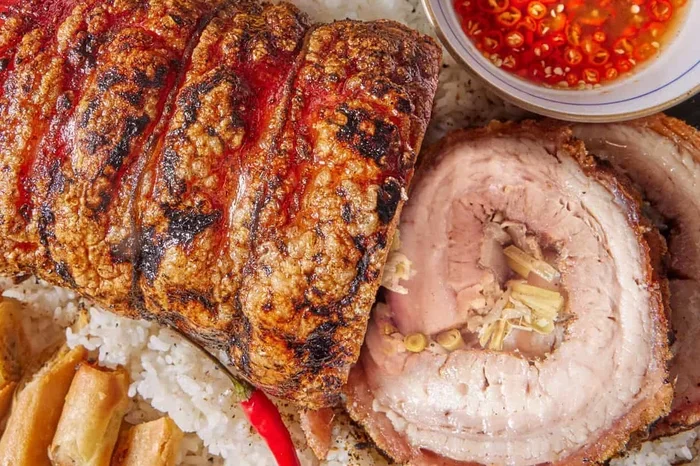
Lechon belly is a Filipino dish made from a whole pork belly roast. The skin is roasted until it becomes incredibly crispy while the meat stays tender and flavorful. Traditionally, lechon is cooked on a spit over charcoal. But the oven method gives you amazing results with much less effort and cleanup.
Using an oven has several advantages. You get consistent heat all around the meat. There is no need to constantly rotate the roast. Plus, you can easily monitor the internal temperature. This makes it a great option for beginners who want to try their hand at this classic dish. The oven also works well year-round, unlike outdoor grilling which depends on weather.
Why Oven Roasting Works So Well
Oven roasting allows the fat to render slowly and evenly. The heat surrounds the meat on all sides. This creates a beautiful contrast between the crunchy exterior and the melt-in-your-mouth interior. Many home cooks prefer this method because it is predictable and forgiving. You can adjust the temperature as needed without worrying about hot spots.
Think about how cooking frozen fries in an air fryer oven uses circulating hot air to create a crispy exterior. The same principle applies here. Your oven surrounds the lechon belly with dry heat, which is exactly what you need for that signature crunch.
Ingredients You Need For Perfect Lechon Belly
Keeping things simple is the key to great lechon belly. You do not need a long list of exotic ingredients. The magic comes from the quality of the pork and a few well-chosen seasonings. Here is what you will need:
Core Ingredients
- Pork belly with skin: Look for a thick, skin-on cut. Aim for about 3 to 5 pounds. The skin is what becomes crispy, so do not buy a de-skinned piece.
- Garlic: Use plenty of fresh garlic cloves. Minced or crushed garlic works best for deep flavor.
- Bay leaves: These add a subtle aromatic depth to the meat.
- Black pepper: Freshly ground black pepper brings a gentle heat that complements the richness of the pork.
- Salt: Coarse salt works well for seasoning the skin and the meat.
- Soy sauce: Adds a savory umami base to the marinade.
- Brown sugar or muscovado sugar: This helps caramelize the skin during roasting.
Optional Flavor Boosters
- Fresh lemongrass for a citrusy fragrance
- Whole cloves for a warm, spicy note
- Ground annatto or achuete powder for color
- Apple cider vinegar for a slight tang
These optional ingredients can take your lechon belly to the next level. But they are not necessary. Even with just the basics, you will get incredible results. The pork belly itself is rich and flavorful, so it does not need much help.
Step By Step Oven Preparation
Proper preparation is the foundation of crispy lechon belly. Skipping steps here will affect your final result. Take your time with this phase, and the oven does the rest of the work for you.
Step 1: Prep The Pork Belly
Start by removing the pork belly from the refrigerator about 30 minutes before cooking. Let it come to room temperature. This helps the meat cook more evenly. While you wait, pat the skin completely dry with paper towels. Moisture is the enemy of crispy skin, so be thorough.
Next, score the skin. Use a sharp knife to make shallow cuts in a crosshatch pattern. Be careful not to cut too deep into the meat. The scoring allows the fat to render out and the skin to puff up during roasting. Think of it like making roasting pumpkin seeds where the surface needs to be prepped just right for maximum crunch.
Step 2: Season Generously
Rub salt and black pepper all over the meat. Push some seasoning into the scored lines on the skin. Mix your soy sauce, minced garlic, bay leaves, and sugar together to create a paste. Rub this mixture all over the meat, making sure to get it into the scores on the skin.
Let the seasoned pork belly sit in the refrigerator overnight. This gives the flavors time to penetrate deep into the meat. Place it on a wire rack over a tray so air can circulate around it. The uncovered refrigeration also helps dry out the skin, which is critical for crispiness.
Step 3: Preheat Your Oven
Preheat your oven to 325°F (163°C). A lower temperature at the start allows the fat to render slowly without burning the skin. If you have an oven thermometer, use it. Many home ovens run hotter or cooler than their settings suggest, and accuracy matters here.
The Cooking Process Temperature And Time
Now comes the main event. The cooking process has two stages. The first stage cooks the meat low and slow. The second stage blasts the heat to crisp up the skin. This two-stage approach is the secret to perfect lechon belly.
Stage One: Low And Slow Roast
Place the seasoned pork belly skin-side up on a wire rack set inside a roasting pan. Put it in the preheated oven and roast for about 2.5 to 3 hours. The low heat gently renders the fat and cooks the meat through. You will notice the fat starting to pool and the skin beginning to tighten.
Resist the urge to open the oven door too often. Every time you open it, you lose heat and extend the cooking time. Trust the process. After about 2 hours, check the internal temperature. You want it to reach around 160°F (71°C) in the thickest part of the meat.
Stage Two: High Heat Blast For Crispy Skin
Once the meat is cooked through, increase the oven temperature to 450°F (232°C). Return the pork belly to the oven and roast for an additional 15 to 25 minutes. Watch it closely during this phase. The skin will start to bubble and turn golden brown. This is exactly what you want.
Keep a close eye on it during this high-heat phase. The difference between perfectly crispy and burnt is just a few minutes. If you notice certain spots browning too fast, you can tent them loosely with foil.
Compare this approach to how chicken kebabs take in the oven where timing and temperature control make all the difference. With lechon belly, the two-stage method gives you the best of both worlds: tender meat and shatteringly crispy skin.
Checking Doneness
Use a meat thermometer to check the internal temperature. The thickest part of the meat should read 195°F to 205°F (90°C to 96°C). At this temperature, the collagen in the pork has broken down, making the meat incredibly tender and juicy. The skin should be deep golden brown and sound hollow when tapped.
How To Get The Crispiest Skin Possible
The crispy skin is what makes lechon belly special. Here are the top tips for achieving that perfect crackling every time.
Dry The Skin Overnight
This is the single most important step. After seasoning, place the pork belly uncovered in the refrigerator overnight. The cold, dry air draws moisture out of the skin. When it hits the high heat in the oven, that moisture evaporates quickly, creating bubbles and crunch. Do not skip this step. It makes a huge difference.
Rub Salt Into The Scores
Salt draws out moisture from the skin. By rubbing it into the scored lines, you help the skin dry out even further. This also seasons the skin itself, adding flavor to every crispy bite.
Do Not Cover The Skin
Some recipes suggest covering the meat with foil during cooking. Never do this with the skin exposed. The skin needs direct, dry heat to become crispy. If you cover it, you will end up with soft, chewy skin instead of crunchy crackling.
Let It Rest After Cooking
Once the lechon belly comes out of the oven, let it rest for at least 15 to 20 minutes. This allows the juices to redistribute throughout the meat. It also gives the skin time to set and become even crispier. Cutting too soon will release steam and soften the skin.
When you are ready to serve, use a sharp knife to cut through the crispy skin. The sound of the first cut is incredibly satisfying. The contrast between the crunchy exterior and the juicy, flavorful meat inside is truly unbeatable.
Serving And Storing Your Lechon Belly
How To Serve
Lechon belly is traditionally served with steamed rice and a dipping sauce. A simple mix of soy sauce, vinegar, calamansi juice, and chili makes an excellent dip. You can also serve it with pickled vegetables or a fresh salad to cut through the richness.
Slice the lechon belly into thick pieces, making sure each slice has both crispy skin and tender meat. Serve it on a large platter and let everyone dig in. This is a dish that brings people together and makes any meal feel special.
How To Store Leftovers
Store any leftover lechon belly in an airtight container in the refrigerator. It will keep for up to 3 days. When you want to reheat it, do not use the microwave. Microwaving will make the skin soggy. Instead, reheat it in the oven at 350°F for about 10 to 15 minutes. This will refresh the crispy skin and warm the meat through.
You can also freeze cooked lechon belly for up to 3 months. Wrap it tightly in foil and then place it in a freezer bag. When ready to eat, thaw it overnight in the refrigerator and reheat in the oven. The results will be nearly as good as fresh.
Common Mistakes To Avoid
- Not drying the skin enough: Moisture is the number one enemy of crispy skin. Always pat dry and refrigerate uncovered.
- Skipping the scoring: Without scores, the fat cannot render properly and the skin will not puff up.
- Using too high a temperature from the start: This will burn the skin before the meat is cooked through.
- Cutting too soon after cooking: Let the meat rest so the juices can settle back in.
- Reheating in the microwave: This is the fastest way to ruin crispy skin. Always reheat in the oven.
For those who love exploring oven techniques, you might also enjoy checking out commercial electric pizza ovens that achieve similar high-heat crispy results with specialized convection technology.
Expert Tips For Lechon Belly Success
Here are some extra tips from experienced cooks that can elevate your lechon belly game:
- Use a wire rack: This allows hot air to circulate underneath the meat, cooking it evenly and keeping the skin elevated from pooling fat.
- Add water to the roasting pan: A small amount of water at the bottom prevents drippings from burning and creates a bit of steam that keeps the meat moist.
- Brush the skin with vinegar: A light coating of vinegar before roasting can help the skin become extra crispy and slightly tangy.
- Let the pork come to room temperature: This reduces cooking time and ensures more even results throughout the meat.
- Use a meat thermometer: Do not rely on time alone. Internal temperature is the most reliable indicator of doneness.
Remember that every oven is different. You may need to adjust the time or temperature slightly based on your specific model. The first time you make this, stay near the oven during the high-heat blast phase. Once you see how your oven behaves, you will know exactly how to adjust for perfect results every time.
Why This Method Beats Other Cooking Methods
You might wonder why we focus on the oven instead of other methods. Let us compare briefly.
- Oven vs. Deep Frying: Deep frying produces crispy skin, but it requires a lot of oil and can be messy. The oven method uses no oil and is much easier to manage.
- Oven vs. Grilling: Grilling gives great flavor from the smoke, but it is weather-dependent and requires constant attention. The oven is more consistent and convenient.
- Oven vs. Stovetop: Cooking on the stovetop does not give you the even heat distribution that an oven provides. The oven surrounds the meat on all sides.
The oven method gives you the best balance of crispy skin and tender meat without the hassle of deep frying or the unpredictability of open-flame grilling. It is the perfect home cooking solution for this classic Filipino dish.
Conclusion
Making lechon belly crispy in oven at home is a rewarding experience that anyone can master. The key is in the preparation. Dry the skin, score it properly, season well, and use the two-stage cooking method. The results speak for themselves. You will have crispy, bubbly skin and tender, flavorful meat that will impress your family and friends.
Do not be afraid to experiment with the seasoning and find your perfect flavor profile. Once you nail the basic method, you can get creative with different spices and aromatics. The beauty of this dish is that it is forgiving and adaptable. Follow these steps, trust the process, and enjoy the incredible results of your homemade lechon belly.
Frequently Asked Questions
Can I use a convection oven for lechon belly?
Yes, a convection oven works wonderfully for lechon belly. The circulating hot air helps the skin crisp up more evenly. You may need to reduce the temperature by about 25°F and check the meat a bit earlier than the standard recipe suggests.
How long does it take to make lechon belly in the oven?
The total cooking time is about 3 to 3.5 hours. The first 2.5 to 3 hours are at low heat (325°F) for tender meat, followed by 15 to 25 minutes at high heat (450°F) for crispy skin. Actual times may vary based on the size of your pork belly.
What is the best pork belly cut for oven lechon?
Look for a thick, skin-on pork belly that is at least 3 pounds. The skin is essential for achieving the crispy crackling. Ask your butcher for a center-cut piece with an even layer of fat and meat.
Can I make lechon belly ahead of time?
Absolutely. You can season and refrigerate the pork belly overnight before cooking. You can also cook it ahead and reheat it in the oven before serving. Reheating at 350°F for 10 to 15 minutes refreshes the crispy skin perfectly.
Why is my lechon belly skin not crispy?
The most common reason is moisture. If the skin was not dried properly before cooking or if you covered it with foil during roasting, the skin will not crisp up. Make sure to pat the skin dry, refrigerate it uncovered overnight, and keep it exposed to direct heat during cooking.
Can I freeze cooked lechon belly?
Yes, cooked lechon belly freezes very well. Wrap it tightly in foil and place it in a freezer-safe bag. It will keep for up to 3 months. To reheat, thaw it overnight in the refrigerator and warm it in the oven at 350°F for about 15 minutes.