How To Stale Bread In Oven For Amazingly Crispy Results
Learning how to stale bread in oven is one of the easiest and most useful kitchen skills you can pick up. This guide walks you through every step, from choosing the right loaf to achieving that perfect golden crunch. You will discover simple methods, expert tips, and delicious ways to use your crispy creation in everyday meals.
There is something truly satisfying about turning a simple loaf of fresh bread into how to stale bread in oven perfection. Whether you want crunchy croutons, golden breadcrumbs, or a crispy base for bruschetta, the oven is your best tool. This guide will show you exactly how to get there with minimal effort and maximum flavor.
Staling bread in the oven is not about letting it go bad. It is a controlled drying process that transforms soft, fluffy slices into crispy, golden chips. Once you learn this technique, you will never waste leftover bread again. Instead, you will turn it into something delicious every single time.
The beauty of how to stale bread in oven is that it works with almost any type of bread. From a rustic French baguette to soft sandwich slices, the oven handles them all. You just need a few basic supplies and a little patience. In this article, we will cover methods, tips, and creative uses that will change the way you look at leftover bread forever.
Key Takeaways
- Oven staling is simple: Low heat and time turn fresh bread into crispy perfection every time.
- Temperature matters: 300°F to 375°F works best for most bread types and textures.
- Flip halfway through: This ensures even crisping on both sides of each slice.
- Many bread types work: Baguettes, sourdough, ciabatta, and sandwich bread all crisp beautifully.
- Stale bread has endless uses: Croutons, breadcrumbs, bruschetta, and bread pudding are just the start.
- Avoid common mistakes: Too much heat and skipping the flip lead to burnt or uneven results.
📑 Table of Contents
What Does It Mean To Stale Bread In Oven?
When we talk about how to stale bread in oven, we are referring to a deliberate drying process. The oven removes moisture from the bread slowly and evenly. This creates a firm, crunchy texture that is perfect for many recipes. It is not the same as burning or overtoasting. Instead, it is a controlled method that gives you versatile ingredients for cooking.
Why Stale Bread Is A Kitchen Hero
Stale bread deserves more respect than it gets. Many people throw away bread the moment it loses its softness. But stale bread in oven can become the star ingredient in so many dishes. Think about homemade croutons, creamy bread pudding, or a crunchy topping for casseroles. All of these rely on bread that has been dried out just right.
Using stale bread also saves money and reduces food waste. Instead of tossing leftovers, you transform them into something new. This is one of the smartest moves you can make in the kitchen. Plus, oven-dried bread stores well and can be used over several days.
The Simple Science Behind Oven Drying
When bread goes into a warm oven, the heat evaporates the water inside. Bread is full of moisture, especially when it is fresh. As that moisture escapes, the starches in the bread firm up. This is what gives dried bread its crispy texture. The process is called retrogradation, but you do not need to remember that word.
The key is gentle, even heat. Too much heat will burn the outside while leaving the inside soft. Too little heat will not remove enough moisture. Finding the right balance is what makes how to stale bread in oven so effective. Once you understand the basics, you can adjust for any bread type.
How To Stale Bread In Oven Step By Step
Now let us get into the actual process. How to stale bread in oven is straightforward, but the details matter. Follow these steps carefully, and you will get perfect results every single time. Whether you are a beginner or a seasoned cook, this method will become a regular part of your routine.
Picking The Right Bread
Not all bread is created equal when it comes to oven drying. Some breads crisp up beautifully, while others need a different approach. Here are the best options to consider:
- French baguette: This is the classic choice for croutons and crispy toppings.
- Sourdough: Its thick crust and dense crumb hold up wonderfully in the oven.
- Ciabatta: The airy texture dries out quickly and becomes wonderfully crunchy.
- White sandwich bread: Great for making fine breadcrumbs or thin crispy chips.
- Whole grain or multigrain: Adds extra flavor and nutrition to your dried bread products.
Try to use bread that is a day or two old if possible. Fresh bread works too, but it will take a bit longer to dry out. Avoid bread with a lot of added moisture, like bread soaked in butter or oil, as that will interfere with the drying process.
Slicing And Prep Work
Before you place bread in the oven, some prep work makes a big difference. Start by preheating your oven to the right temperature. For most breads, 300°F to 350°F is the sweet spot. This gentle heat dries the bread without burning it.
Next, slice your bread into even pieces. Uniform slices dry at the same rate, so you get consistent results. For croutons, cut the bread into small cubes about half an inch wide. For breadcrumbs, slice the bread thinly. For crispy toasts or bruschetta bases, cut the bread into thicker slices about one inch thick.
If you are using a baguette, slice it on a slight diagonal. This gives you larger surface areas that crisp up beautifully. Place all your slices on a baking sheet lined with parchment paper. Make sure the pieces do not overlap. Air needs to circulate around each piece for even drying.
Setting Your Oven Temperature
The temperature you choose depends on what you want to achieve. Here is a simple guide to help you decide:
- 300°F: Best for slow drying. Use this for breadcrumbs and very dry, crumbly textures.
- 325°F: The all-purpose temperature. Works great for croutons and general staling.
- 350°F: Good for quicker results and a light golden crunch.
- 375°F: Use this for the crispiest results, but watch the bread closely.
Always place the oven rack in the center position. This ensures even heat distribution around the bread. If you are drying a large batch, you may need to use two baking sheets. Rotate the sheets halfway through for the best results.
Timing And Flipping For Even Crispness
Timing is the next important factor in how to stale bread in oven. Most breads need about 10 to 20 minutes total drying time. Thin slices may only need 8 to 10 minutes. Thicker slices and cubes usually need 15 to 20 minutes.
Here is a simple timeline to follow:
- Minutes 0-5: The bread begins to lose moisture. It will feel slightly firmer.
- Minutes 5-10: The edges start to turn golden. The surface becomes noticeably drier.
- Minutes 10-15: The bread reaches a light golden brown. This is the sweet spot for most uses.
- Minutes 15-20: The bread becomes very crispy and darkens further. Great for croutons and breadcrumbs.
Flip the slices or cubes halfway through the baking time. This is a step many people skip, but it makes a huge difference. Flipping ensures both sides dry out evenly. Without flipping, the bottom side can become too dark while the top stays soft.
When the bread is done, remove it from the oven and let it cool completely. The bread will continue to crisp up as it cools. If you are making croutons, toss them in olive oil and seasoning while they are still warm. This helps the flavors absorb into the surface.
Different Methods To Stale Bread In Oven
How to stale bread in oven is not a one-size-fits-all process. Different methods work better for different goals. Let us explore the three most popular approaches. Each one gives you a slightly different texture and result.
The Low And Slow Method
This is the gentlest approach. Set your oven to 300°F and let the bread dry for 20 to 30 minutes. The low heat removes moisture gradually without browning the bread too much. This method is perfect for making fine breadcrumbs or very dry bread for bread pudding.
The low and slow method works especially well with soft sandwich bread. Because this bread has a lot of moisture, it needs more time to dry out properly. You can also use this method for whole slices that you plan to blend into crumbs later. The result is a dry, crumbly texture that processes easily.
The Quick High Heat Method
If you need crispy results fast, this is the method for you. Set your oven to 375°F and bake the bread for 8 to 12 minutes. The higher heat rapidly removes surface moisture and creates a golden, crunchy exterior.
This method is ideal for croutons and crispy bread toppings. The quick drying locks in some of the bread’s natural flavor while adding a satisfying crunch. Just be careful not to leave the bread in too long. High heat can go from golden to burnt very quickly.
The Re-Crisping Method For Already Stale Bread
Did you know you can re-crisp bread that has already gone stale? This is one of the most useful tricks in the kitchen. If your bread has dried out on the counter but not in a controlled way, the oven can bring it back to life.
Simply sprinkle a little water over the stale bread and place it in a 350°F oven for 5 to 7 minutes. The steam rehydrates the crust slightly while the heat dries out the interior again. The result is bread that tastes almost freshly baked. This works wonders on baguettes and artisan loaves that have lost their crunch.
Best Bread Types For Oven Staling
Not every bread responds the same way to oven drying. Understanding how different breads behave helps you choose the right one for your project. Let us look at the best options and what each one is best suited for.
French Baguette
The French baguette is the undisputed king of oven-dried bread. Its thin, crispy crust and airy interior make it perfect for croutons. When you stale bread in oven, a baguette dries evenly and crisps up beautifully. The result is croutons with a satisfying crunch that holds up well in soups and salads.
Baguettes also make excellent bruschetta bases. Their firm texture supports toppings without getting soggy. Try slicing a day-old baguette, drying it in the oven, and topping it with diced tomatoes, garlic, and basil. It is a simple appetizer that impresses every time.
Sourdough Loaf
Sourdough has a thick, hearty crust that becomes even more satisfying when dried in the oven. The natural tang of sourdough adds depth of flavor to breadcrumbs and croutons. Sourdough breadcrumbs are especially good in stuffing and casseroles because they hold their shape well.
When drying sourdough, use the low and slow method at 300°F. The dense crumb needs more time to dry out completely. But the result is worth it. You will get rich, flavorful breadcrumbs that elevate any dish they touch.
Ciabatta And Artisan Breads
Ciabatta and other artisan breads have a unique open texture that dries out quickly. Their large air pockets allow heat to penetrate evenly. This makes them excellent candidates for quick oven drying at 350°F.
Artisan breads often contain seeds, herbs, or olive oil in the dough. These extras add flavor to the dried bread. Ciabatta croutons, for example, have a rustic, chewy texture that is different from the crunch of baguette croutons. Both are delicious, so feel free to experiment.
Sandwich And White Bread
Soft white bread is the easiest to dry in the oven. It has a high moisture content, which means it takes a bit longer. But the result is light, crispy bread perfect for breadcrumbs. You can also make thin, crunchy chips from sandwich bread for a fun snack.
For breadcrumbs, slice white bread very thin and dry it at 300°F for about 15 minutes. Once cooled, pulse it in a food processor until you reach your desired consistency. Fine crumbs work best for binding meatballs and breading chicken. Coarser crumbs add texture to casseroles and toppings.
Creative Ways To Use Your Stale Bread
Once you master how to stale bread in oven, the fun really begins. Dried bread opens up a world of culinary possibilities. Here are some of the best ways to use your crispy creation.
Making Homemade Croutons
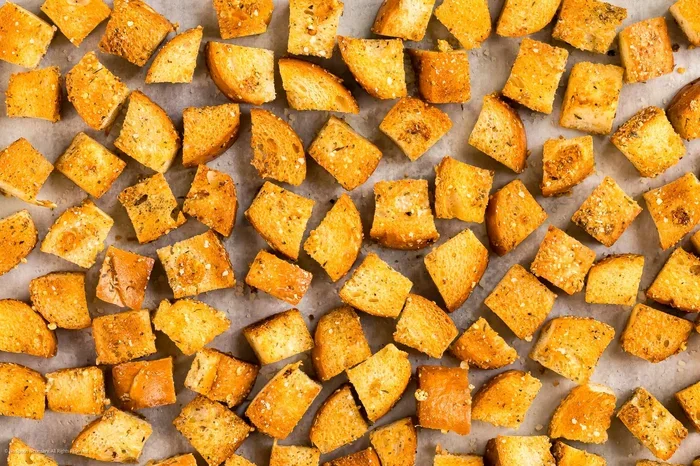
Croutons are the most classic use for oven-dried bread. Toss your dried cubes with olive oil, garlic powder, salt, and dried herbs. Spread them on a baking sheet and bake at 375°F for another 5 to 7 minutes until golden and crunchy. Homemade croutons taste infinitely better than store-bought ones.
Store your croutons in an airtight container at room temperature. They stay crispy for up to two weeks. Add them to soups, salads, or pasta dishes for an instant texture boost. You can also experiment with different seasonings. Parmesan, smoked paprika, and Italian herbs all make excellent crouton flavors.
Fresh Breadcrumbs From Scratch
Making breadcrumbs at home is incredibly easy. Dry your bread slices in the oven until they are completely crisp. Then break them into pieces and pulse them in a food processor. Sift out any large chunks if you want a finer texture.
Homemade breadcrumbs freeze beautifully. Spread them on a tray, freeze them until solid, then transfer them to a freezer bag. They keep for up to three months. Use them for breading chicken, fish, or vegetables. They also work great as a binder in meatloaf and meatballs.
Classic Bruschetta Topping
Bruschetta is a simple Italian appetizer that relies on crispy bread as its base. Slice a baguette, dry the pieces in the oven, and rub them with a cut garlic clove. Toast them under the broiler for a minute, then top with diced tomatoes, fresh basil, and a drizzle of olive oil.
The oven-dried bread provides the perfect sturdy base. It does not get soggy the way regular bread does. This makes bruschetta ideal for parties and gatherings. You can prepare the dried bread pieces ahead of time and toast them just before serving.
Bread Pudding And Other Recipes
Bread pudding is a classic comfort dessert that turns stale bread into something sweet and indulgent. Tear your dried bread into chunks, soak them in a custard mixture of eggs, milk, sugar, and vanilla, and bake until set. The dried bread absorbs the custard perfectly, creating a creamy, custardy interior with a lightly browned top.
Beyond croutons, breadcrumbs, bruschetta, and pudding, dried bread has many other uses. Try adding dried bread pieces to stuffing for poultry. Use them as a thickener for soups and stews. Or make a simple garlic toast by drying bread slices, rubbing them with garlic, and drizzling with butter.
Common Mistakes To Avoid When Staling Bread
Even though how to stale bread in oven is simple, there are a few mistakes that can ruin your results. Knowing what to avoid saves time, ingredients, and frustration. Here are the most common pitfalls and how to steer clear of them.
Using Too Much Heat
The biggest mistake people make is setting the oven too hot. High heat burns the outside of the bread while leaving the inside soft and moist. This creates an unpleasant contrast in texture. The bread may look done on the outside but still be gummy on the inside.
Always start with a lower temperature and check the bread frequently. You can always increase the heat slightly if needed, but you cannot undo burnt bread. Patience is the key to perfect oven-dried bread.
Forgetting To Flip The Slices
Skipping the flip is another common error. Without turning the bread halfway through, one side dries out faster than the other. The bottom side can become too dark while the top remains pale and soft.
Set a timer and flip the bread at the halfway point. This small step makes a huge difference in the final result. Your bread will be evenly golden and crispy on all sides. It is one of the simplest ways to improve your oven-dried bread every single time.
Storing Stale Bread The Wrong Way
Once you have dried your bread, proper storage keeps it crispy. Do not store dried bread in a sealed plastic bag. Trapped moisture will make it soft again within hours. Instead, store it in a paper bag or an airtight container with a small opening for air circulation.
For longer storage, keep dried bread in the freezer. It stays crispy for months when frozen. Simply take out what you need and let it come to room temperature before using. Proper storage ensures your dried bread is always ready when you need it.
Expert Tips For The Crispiest Results
Want to take your oven-dried bread to the next level? These expert tips will help you achieve the best possible texture and flavor every time you stale bread in oven.
Use a wire rack instead of a baking sheet. Placing bread on a wire rack allows hot air to circulate underneath. This promotes even drying on all sides. If you do not have a wire rack, place a cooling rack on top of your baking sheet.
Add flavor before drying. Brush your bread slices lightly with olive oil and sprinkle with sea salt, garlic powder, or dried herbs before baking. The flavors infuse into the bread as it dries. This is a simple trick that transforms plain dried bread into a gourmet ingredient.
Experiment with different sizes. Try cutting bread into different shapes and thicknesses. Thin chips become crispy snacks. Medium cubes are perfect for croutons. Thick slices work best for bruschetta. Each size dries at a different rate, so adjust your timing accordingly.
Let the bread cool completely before storing. Residual heat can create condensation inside storage containers. This softens your crispy bread faster than you would like. Cooling on a wire rack for 20 to 30 minutes ensures the bread is fully dry before you put it away.
Keep notes on your favorite methods. Every oven behaves a little differently. What works perfectly in one oven might need adjustment in another. Write down your times, temperatures, and results. Over time, you will develop your own perfect method for oven-dried bread.
Conclusion
How to stale bread in oven is a simple, rewarding kitchen skill that anyone can master. It saves money, reduces food waste, and opens up a world of delicious possibilities. From homemade croutons to fresh breadcrumbs, the results are always better than store-bought alternatives.
The key is to use gentle, even heat, flip your bread halfway through, and choose the right method for your goal. Whether you prefer the low and slow approach or the quick high heat method, the oven gives you complete control over the texture and flavor of your dried bread.
Now that you know how to stale bread in oven, put this knowledge to work. Grab that loaf of bread sitting on your counter and turn it into something amazing. Your kitchen, your taste buds, and your wallet will all thank you. Start experimenting today and discover just how versatile a simple loaf of bread can be.
Frequently Asked Questions
Can I stale bread in the oven without preheating?
Preheating is recommended for the best results. A preheated oven ensures consistent heat from the start, which leads to even drying. Without preheating, the bread may dry unevenly and take longer to reach the right texture. Always take the extra few minutes to preheat your oven before placing the bread inside.
How long does it take to stale bread in the oven?
It typically takes 10 to 20 minutes depending on the bread type, thickness, and oven temperature. Thin slices dry faster, while thick slices and cubes need more time. Check the bread every few minutes and flip halfway through for the most even results.
Can I use a toaster oven to stale bread?
Yes, a toaster oven works well for small batches of bread. Set it to 300°F to 350°F and keep a close eye on the bread. Toaster ovens can heat more intensely than full-size ovens, so check the bread more frequently. The results are just as good with a little extra attention.
What is the best temperature to stale bread in the oven?
300°F to 350°F is the ideal range for most bread types. Lower temperatures work best for breadcrumbs, while higher temperatures are great for croutons and crispy toppings. Always start at a lower temperature and adjust as needed based on your results.
Does oven-dried bread taste different from store-bought croutons?
Absolutely. Homemade oven-dried bread has a fresher, more natural flavor. You control the ingredients, seasoning, and level of crispness. Store-bought croutons often contain preservatives and artificial flavors. Once you try homemade, you will never go back to the store-bought version.
Can I stale bread in the oven if it already has mold?
No, do not use bread that has visible mold. Mold can spread through the bread even if you cannot see it, and heating does not make it safe to eat. Only use bread that is simply dried out or stale, not bread that shows signs of spoilage. When in doubt, throw it out.