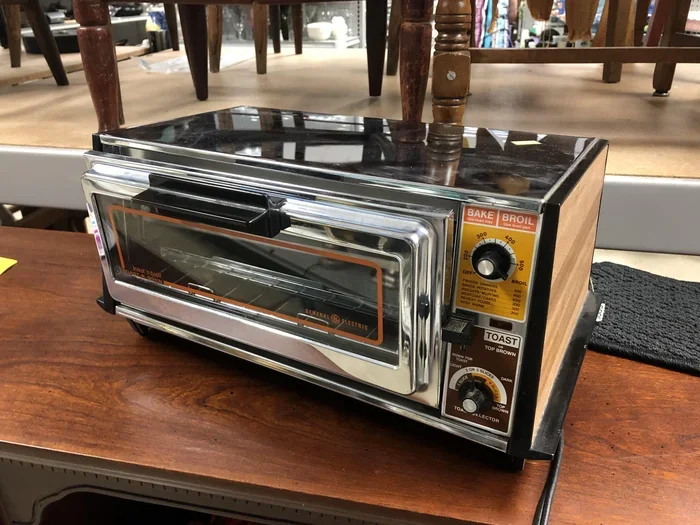
When Was the Toaster Oven Invented History Explained
The toaster oven was invented in the early 1900s and evolved from simple toasting devices into versatile countertop cooking machines. Today, it is one of the most popular small kitchen appliances for baking, broiling, and reheating. This article covers the full timeline, key inventors, and how the modern toaster oven became a kitchen essential.
Key Takeaways
- Early Origins: The first electric toaster appeared around 1893, paving the way for the toaster oven.
- Key Inventors: Charles Strite and others helped shape the automatic toaster and compact oven design.
- Post-War Boom: The toaster oven gained massive popularity in the 1950s as a space-saving kitchen appliance.
- Modern Features: Today’s toaster ovens include convection heating, digital controls, and energy-efficient cooking.
- Versatile Use: Beyond toasting bread, modern toaster ovens handle baking, roasting, and broiling with ease.
- Energy Savings: A toaster oven uses less energy than a full-size oven, making it ideal for small meals.
- Future Trends: Smart toaster ovens with WiFi and app controls are the next big step in kitchen appliance innovation.
📑 Table of Contents
- When Was the Toaster Oven Invented? A Full History
- The Early Days of Electric Toasting
- How the Toaster Oven Was Born
- Key Milestones in Toaster Oven Development
- How a Toaster Oven Works
- Toaster Oven vs Regular Oven: Key Differences
- Common Uses for a Toaster Oven Today
- The Future of the Toaster Oven
- Common Mistakes to Avoid with Your Toaster Oven
- Expert Tips for Getting the Most from Your Toaster Oven
- Conclusion
When Was the Toaster Oven Invented? A Full History
Have you ever wondered about the story behind your toaster oven? This handy kitchen appliance sits on millions of countertops around the world. But where did it come from? When was the toaster oven invented, and how did it become such a kitchen staple? Let us dive into the fascinating history of this compact cooking machine.
The journey of the toaster oven history spans over a century. It started with a simple desire to make toast faster and more evenly. From there, it grew into a multi-functional countertop oven that can bake, roast, and broil. The story is full of clever inventors, clever designs, and big changes in how we cook at home.
In this article, we will walk through every major milestone. You will learn about the early electric toasters, the birth of the compact oven, and how modern countertop oven technology has transformed everyday cooking. Whether you use your toaster oven daily or just once in a while, its history is worth knowing.
The toaster oven is more than just a smaller version of a regular oven. It represents decades of innovation in kitchen appliance design. So grab a cup of coffee, and let us explore how this incredible device came to be.
The Early Days of Electric Toasting
Before the toaster oven existed, people had to toast bread over open flames or in stovetop pans. It was messy, uneven, and sometimes dangerous. The invention of the electric toaster changed everything. Let us go back to the very beginning.
The First Electric Toaster (1893)
The very first electric toaster was developed in the 1890s. A British inventor named Alan MacMasters is often credited with creating an early electric bread toaster around 1893. His device used iron wires that heated up when electricity passed through them. The bread would sit on top and toast on both sides at once.
However, early electric toasters were not very practical. The iron wires would break down quickly and even break apart during toasting. Bread crumbs would fall into the device and cause sparks. It was a fire hazard. So the early electric toaster was more of a proof of concept than a real kitchen product.
Charles Strite and the Automatic Toaster
Fast forward to 1919. A man named Charles Strite invented the automatic pop-up toaster. He was a mechanic working in a factory who was tired of burning his toast. Strite designed a toaster with a built-in timer and a spring mechanism. When the toast was done, it would pop right up.
Strite received a patent for his invention, and the pop-up toaster became a household item in the 1920s. This was a huge leap forward. People no longer had to watch their bread closely or flip it manually. The automatic toaster made breakfast faster and more convenient.
This invention laid the groundwork for everything that came after. The idea of using electricity to cook food quickly and safely opened the door for the toaster oven to follow.
How the Toaster Oven Was Born
Now let us get to the big question: when exactly was the toaster oven invented? The answer is not as simple as a single year. The toaster oven evolved gradually from the basic electric toaster. Several inventors and companies contributed to its development over several decades.
The First Compact Oven Designs
In the 1930s and 1940s, appliance companies started experimenting with small, enclosed ovens. These were essentially toasters with an added chamber on top. They could do more than just toast bread. You could bake small items like cookies or reheat leftovers.
These early models were quite basic. They had simple heating elements and very few temperature controls. But they proved the concept. People loved the idea of a small appliance that could do more than just make toast. The compact oven was born out of this experimentation.
Post-War Innovation and Popularity
The real boom for the toaster oven came after World War II. In the late 1940s and 1950s, families were looking for kitchen appliances that saved time and space. The housing boom meant smaller kitchens in many American homes. People needed appliances that were efficient and versatile.
Companies like Toastmaster, Sunbeam, and RCA jumped into the market with new toaster oven models. These early countertop ovens could toast, bake, and broil. They were marketed as the perfect solution for small families and busy households. Sales skyrocketed through the 1950s and 1960s.
The toaster oven quickly earned its place as a must-have kitchen appliance. It was affordable, easy to use, and took up very little counter space. For many families, it replaced the need to heat up a full-size oven for small meals.
Key Milestones in Toaster Oven Development
The history of the toaster oven is full of important milestones. Each one brought new features and made the appliance more useful. Let us walk through the key moments that shaped the modern toaster oven.
1950s: The Rise of the Household Toaster Oven
The 1950s saw the toaster oven become a mainstream kitchen item. Toastmaster launched one of the first widely popular models. It was called the Toastmaster 1B1. This model could toast, bake, and keep food warm. It was a game-changer for everyday cooking.
During this decade, companies also started adding temperature dials and timer controls. These features gave users more control over their cooking. You could now bake a small cake or warm up pizza without turning on the big oven.
1970s: Convection Technology Arrives
The 1970s brought a major upgrade: convection heating. A convection toaster oven uses a fan to circulate hot air around the food. This means food cooks more evenly and faster. It was a big deal for baking and roasting in a small appliance.
Convection technology made the toaster oven much more versatile. You could now roast vegetables, bake cookies, and even cook small chickens. The appliance went from being just a toaster to a real mini oven.
1990s and 2000s: Digital Controls and Smart Features
By the 1990s, digital controls replaced old mechanical dials. Users could set exact temperatures and cooking times with precision. Some models even came with preset buttons for common tasks like toast, bake, and roast.
The 2000s brought even more innovation. Non-stick interiors made cleaning easier. Removable crumb trays kept the appliance tidy. And some high-end models started incorporating infrared heating for faster, more efficient cooking.
2010s to Today: Smart Toaster Ovens
Today’s toaster ovens are nothing like the early models. Smart toaster ovens can connect to WiFi and be controlled through smartphone apps. Some models use sensors to detect food type and adjust cooking settings automatically.
Brands like Breville, Cuisinart, and Panasonic lead the market with advanced features. These include air fryer capabilities, dehydration modes, and even steam cooking. The modern toaster oven is truly a powerhouse of a kitchen gadget.
If you love using your toaster oven for cooking, you might also enjoy learning how to cook frozen fries in an air fryer oven for crispy results every time.
How a Toaster Oven Works
Understanding how a toaster oven works helps you appreciate its design and history. At its core, a toaster oven uses electric heating elements to generate heat. These elements are usually located at the top and bottom of the oven chamber.
Heating Elements
The heating elements are made of nichrome wire, which resists electricity and converts it into heat. When you turn on the toaster oven, electricity flows through these wires. They glow red-hot and radiate heat into the cooking chamber.
Top elements are used for broiling and browning. Bottom elements are used for baking and cooking from below. Many modern models use both elements at the same time for even cooking.
Temperature and Timer Controls
Early toaster ovens had simple dial controls. You would turn a knob to set the temperature and another to set the timer. Today, digital controls allow for much more precision. You can set exact temperatures in small increments.
Some advanced models also include convection fans. These fans blow hot air around the food, ensuring even heat distribution. This is especially useful for baking and roasting.
Insulation and Safety Features
The outer shell of a toaster oven is insulated to keep heat inside. This also protects your hands and countertop from getting too hot. Most modern models include safety features like auto shut-off and cool-touch handles.
These safety improvements came a long way from the early days. Back then, toaster ovens were basic and sometimes risky. Today, they are designed with user safety as a top priority.
Toaster Oven vs Regular Oven: Key Differences
Many people wonder how a toaster oven compares to a regular oven. Both cook food using heat, but there are important differences. Understanding these can help you decide which appliance to use for different tasks.
Size and Capacity
A toaster oven is much smaller than a regular oven. It typically holds 4 to 6 slices of bread or a small pizza. A full-size oven can handle a large turkey or multiple baking sheets at once.
The small size of a toaster oven is its biggest advantage. It takes up very little counter space and heats up quickly. For cooking small portions, it is often the better choice.
Energy Efficiency
A toaster oven uses significantly less energy than a full-size oven. It takes less electricity to heat a small chamber than a large one. This makes the toaster oven more energy-efficient for everyday tasks.
If you are just reheating leftovers or making a small batch of cookies, using the toaster oven saves energy. It also saves time because it preheats much faster.
Cooking Performance
A regular oven provides more even and consistent heat for large or complex dishes. A toaster oven is great for smaller tasks but may have hot spots. Convection toaster ovens help bridge this gap by circulating air more evenly.
For most everyday cooking needs, a toaster oven performs wonderfully. It is perfect for toasting, baking small batches, roasting vegetables, and reheating pizza. You can even cook chicken kebabs in the oven using a toaster oven with great results.
| Feature | Toaster Oven | Regular Oven |
|---|---|---|
| Size | Compact, countertop-friendly | Large, built-in |
| Preheat Time | 2 to 5 minutes | 10 to 15 minutes |
| Energy Use | Lower | Higher |
| Capacity | Small to medium | Large |
| Best For | Toast, small bakes, reheating | Large roasts, full meals |
| Price Range | $50 to $300 | $500 to $2000+ |
Common Uses for a Toaster Oven Today
Today, the toaster oven is one of the most versatile small kitchen appliances. People use it for far more than just making toast. Let us look at some of the most common and creative ways to use a toaster oven.
Baking
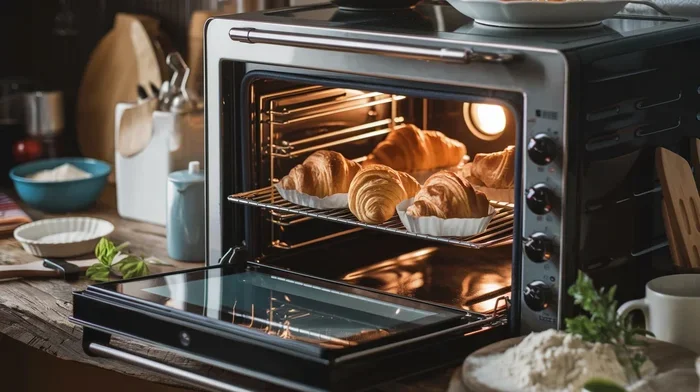
You can bake cookies, muffins, small cakes, and even bread in a toaster oven. It is perfect for baking when you do not want to heat up the whole kitchen with a large oven. Many baking enthusiasts swear by their toaster ovens for single-batch recipes.
Roasting and Broiling
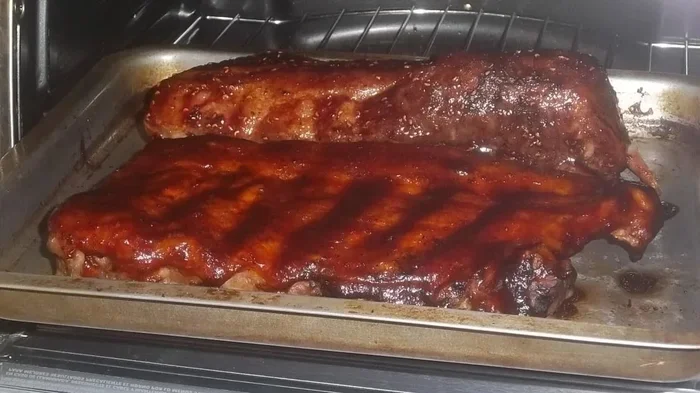
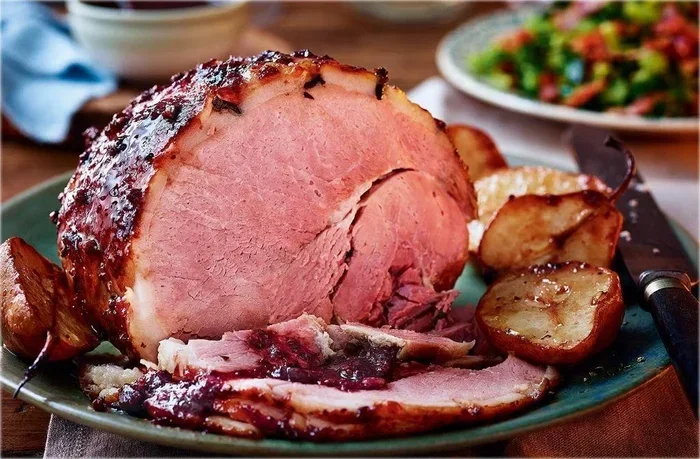
Toaster ovens are excellent for roasting vegetables, meats, and fish. The top heating element provides strong broiling power for browning the tops of dishes. You can roast potatoes, broccoli, salmon, and more with great results.
For a fun and healthy snack, try roasting pumpkin seeds in your toaster oven. It is quick and easy, and you can control the roasting time perfectly.
Reheating Leftovers
One of the most popular uses for a toaster oven is reheating leftovers. Pizza, fried chicken, and casseroles all reheat beautifully in a toaster oven. Unlike a microwave, a toaster oven keeps food crispy and maintains its texture.
Dehydrating and Air Frying
Many modern toaster ovens come with dehydration and air fry functions. You can make dried fruits, beef jerky, and crispy snacks without any special equipment. Air fry features allow you to cook with little to no oil for healthier meals.
Want to try something new? Check out this guide on how long to roast pumpkin seeds in the oven for perfectly crunchy results.
Making Pizza and Flatbreads
A toaster oven is fantastic for making personal pizzas and flatbreads. You can use store-bought dough or tortillas as a base. Add sauce, cheese, and your favorite toppings. In just a few minutes, you have a fresh, crispy pizza made just the way you like it.
For those who love pizza, a countertop electric pizza oven is another great option if you want even faster and crispier results for larger batches.
The Future of the Toaster Oven
What does the future hold for the toaster oven? The appliance continues to evolve with new technology and consumer demands. Here are some trends we can expect to see in the coming years.
Smart and Connected Appliances
Smart home technology is changing every kitchen appliance. Future toaster ovens will likely feature advanced sensors that detect food type, weight, and moisture levels. They will adjust cooking settings automatically for perfect results every time.
Voice control and app integration will make toaster ovens even more convenient. You could start preheating your oven from your phone before you even walk into the kitchen.
Sustainability and Energy Efficiency
As energy costs rise and environmental concerns grow, manufacturers are focusing on efficiency. Future toaster ovens will use even less energy while delivering better performance. Eco-friendly materials and recyclable components may become standard.
More Functions in One Appliance
The trend toward multi-function appliances shows no sign of slowing down. Future toaster ovens may combine air frying, steaming, slow cooking, and pressure cooking in a single unit. The goal is to give home cooks more options in a compact device.
The history of the toaster oven shows us one thing clearly: this appliance has come a long way. From its humble beginnings as a simple electric toaster to today’s smart countertop ovens, it has continuously adapted to meet our needs.
Common Mistakes to Avoid with Your Toaster Oven
Even though toaster ovens are user-friendly, there are some common mistakes people make. Avoiding these can help you get better results and keep your appliance running smoothly.
- Overcrowding the oven: Leave space for air to circulate. Overcrowding leads to uneven cooking.
- Skipping preheating: Preheating ensures even cooking. Give it a few minutes before adding food.
- Using wrong cookware: Only use oven-safe pans and trays. Avoid plastic or paper that can melt.
- Ignoring the crumb tray: Clean the crumb tray regularly to prevent smoke and odors.
- Not adjusting cook times: Toaster ovens cook faster than full-size ovens. Reduce cooking times and check food early.
Expert Tips for Getting the Most from Your Toaster Oven
Want to level up your toaster oven cooking? Here are some expert tips that make a big difference.
- Use the rack position wisely. Moving the rack closer to the top element gives you more browning. Moving it lower helps with baking and cooking through.
- Preheat every time. Even a 2-minute preheat makes a noticeable difference in cooking results.
- Line the tray with parchment paper. This makes cleanup easier and prevents sticking.
- Rotate food halfway through. Toaster ovens can have hot spots. Rotating ensures even browning.
- Experiment with settings. Try different combinations of top and bottom heat for different recipes.
With these tips and a little practice, you will get restaurant-quality results from your toaster oven every time.
Conclusion
The history of the toaster oven is a story of innovation, convenience, and everyday improvement. From the first electric toaster in the 1890s to the smart countertop ovens of today, this appliance has come a long way. It has transformed how millions of people cook, reheat, and prepare food at home.
Whether you use it to make morning toast, bake cookies, or roast a quick dinner, the toaster oven is a true kitchen workhorse. Its compact size, energy efficiency, and versatility make it one of the most practical appliances in any home.
Understanding its history gives us a deeper appreciation for this everyday device. The next time you use your toaster oven, remember the inventors and engineers who made it all possible. Their creativity and determination brought a simple idea to life and changed the way we cook forever.
Keep exploring new recipes and techniques with your toaster oven. It is an appliance that keeps giving, and its story is still being written. The future of countertop cooking is bright, and the toaster oven will be right at the center of it.
Frequently Asked Questions
When was the first toaster oven invented?
The first compact toaster oven designs appeared in the 1930s and 1940s. These early models were essentially small toasters with an added oven chamber on top. They gained massive popularity in the 1950s as household appliances.
Who invented the toaster oven?
No single inventor is credited with the toaster oven. It evolved over decades from the electric toaster, which Charles Strite popularized in 1919. Several appliance companies contributed to its development through the mid-20th century.
How is a toaster oven different from a regular oven?
A toaster oven is much smaller, heats up faster, and uses less energy than a regular oven. It is ideal for small meals, toasting, reheating, and baking in small batches. However, it has less capacity than a full-size oven.
Can you bake in a toaster oven?
Yes, you can absolutely bake in a toaster oven. Most modern models have bake settings and temperature controls. They work great for cookies, small cakes, bread, and other baked goods.
Are modern toaster ovens energy efficient?
Yes, toaster ovens are very energy efficient. They use less electricity than a full-size oven because they heat a smaller chamber. This makes them an excellent choice for cooking small portions and saving energy.
What should I look for when buying a toaster oven?
Look for features like convection heating, digital controls, a crumb tray for easy cleaning, and multiple cooking presets. Size and capacity matter too, so choose one that fits your counter space and cooking needs.