Why Is My Toaster Oven Not Heating Up At All Today
A toaster oven that won’t heat up can ruin your meal plans fast. Whether the heating element is broken, the thermal fuse is blown, or a simple setting is the culprit, this guide walks you through every possible cause and fix. You will learn how to troubleshoot your toaster oven like a pro and decide when to call for professional toaster oven repair.
Why Is My Toaster Oven Not Heating Up At All Today
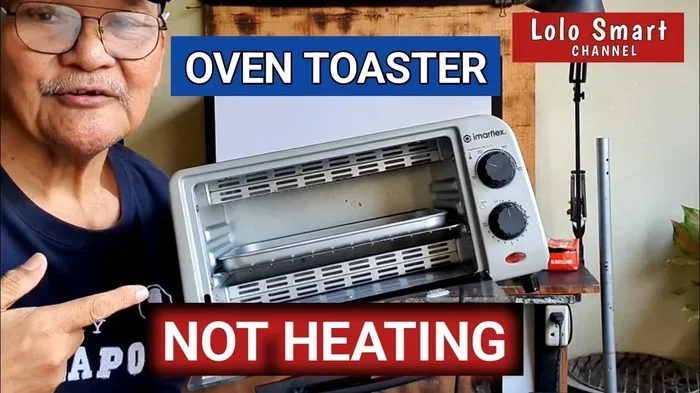
You prepped your food. You set the temperature. You pressed start. And then… nothing. Your toaster oven not heating up is one of the most frustrating kitchen problems you can face. Whether you are planning to bake evenly for a family dinner or just reheat leftovers, a cold oven throws off your whole day.
The good news is that most toaster oven troubleshooting steps are simple and free. You do not need to be an electrician to figure out what went wrong. In this guide, we will walk through every possible reason your oven not getting hot and show you exactly how to fix it. We will also cover when it is time to call in the experts for toaster oven repair.
Let us get started. By the end of this article, you will know how to diagnose the problem and get your oven back up and running.
Key Takeaways
- Power Supply Issues: A loose plug, tripped breaker, or faulty outlet is the most common reason a toaster oven not heating problem occurs.
- Broken Heating Element: The bake or broil element can burn out over time, causing your oven to fail to reach proper temperature.
- Blown Thermal Fuse: This safety device shuts off power when the oven overheats, and a blown fuse means no heat at all.
- Faulty Temperature Sensor: A malfunctioning sensor can prevent the oven from recognizing it needs to heat up.
- Control Board Failure: In rare cases, the electronic control board may be the root cause of your oven heating problem.
- DIY vs. Professional Repair: Many fixes are simple and free, but some issues require a qualified technician.
📑 Table of Contents
- Common Reasons Why Your Toaster Oven Is Not Heating Up
- How to Diagnose Your Toaster Oven Heating Problem
- When to Call a Professional for Toaster Oven Repair
- Tips to Prevent Future Heating Problems
- How to Tell If Your Heating Element Needs Replacement
- Comparison Table: Common Toaster Oven Heating Issues
- Quick Tips for Dealing With a Cold Toaster Oven
- Common Mistakes People Make When Troubleshooting a Cold Oven
- How Long Should a Toaster Oven Last Before Heating Problems Start?
- Expert Insights on Toaster Oven Heating Failures
- Final Thoughts
Common Reasons Why Your Toaster Oven Is Not Heating Up
A toaster oven not heating can stem from many different sources. Some causes are as simple as a loose cord. Others require a bit more investigation. Let us break down each one so you can pinpoint the issue quickly.
1. Power Supply Problems
This is the number one reason people think their oven is broken when it is not. Before you panic, check the basics first.
- Check the power cord. Make sure it is fully plugged into the wall outlet. A cord that looks plugged in can sometimes be loose.
- Test the outlet. Plug in another device, like a lamp or phone charger, to see if the outlet is working.
- Check your circuit breaker. A tripped breaker will cut power to your oven without any warning. Look for a switch that has flipped to the middle or off position.
- Inspect the cord for damage. Frayed or chewed cords are a fire hazard and will prevent your oven from receiving power.
If the outlet works for other devices but not your oven, the problem is likely inside the oven itself. Move on to the next section.
2. Broken Bake or Broil Heating Element
The bake broil element is the coil inside your oven that actually generates heat. Over time, these elements wear out and can burn through. When this happens, your oven will not produce any heat or may only heat from one side.
Here is how to check:
- Unplug your oven completely.
- Remove the back panel or the oven floor to access the elements.
- Look closely at the bake element (usually on the bottom) and the broil element (usually on the top).
- Check for visible gaps, holes, or breakages in the coil.
If you see any damage, the element needs to be replaced. Replacing a heating element is one of the most common toaster oven repair jobs. Replacement parts are affordable and widely available online or at your local hardware store.
For more tips on using your oven effectively after repairs, check out our guide on how to finish ribs in oven after smoking. It covers oven temperature management that applies to any oven type.
3. Blown Thermal Fuse
Every toaster oven has a thermal fuse. This is a safety device that shuts off power to the oven if it overheats. If the fuse blows, your oven will not heat up at all, even if the heating element is perfectly fine.
A thermal fuse can blow because of:
- Greasy buildup inside the oven that blocks airflow
- A malfunctioning temperature sensor that sends wrong readings
- Using the oven at too high a temperature for too long
To test the thermal fuse, you need a multimeter. Set it to continuity mode and touch the probes to each end of the fuse. If there is no continuity, the fuse is blown and must be replaced. This is a simple fix, but it does require some comfort with basic electrical testing.
4. Faulty Temperature Sensor
The toaster oven temperature sensor tells the control board how hot the oven is. If the sensor is broken or miscalibrated, the oven may not start heating because it thinks it is already at the right temperature.
Signs of a bad temperature sensor include:
- The oven heats unevenly or not at all
- Food burns on one side but stays cold on the other
- The oven takes way too long to preheat
- Error codes appear on the display (if your model has one)
You can test the sensor with a multimeter. Check the resistance reading and compare it to your oven’s manual. If the reading is way off, the sensor needs replacing. This is a relatively inexpensive part and an easy swap for most models.
5. Control Board Malfunction
The control board is the brain of your toaster oven. It controls everything from the temperature to the timer. If the control board fails, your oven may not respond to any buttons or may fail to send power to the heating elements.
Control board issues are less common but more serious. Signs include:
- The display is blank or unresponsive
- The oven does not heat regardless of the settings you choose
- Buttons do not work or behave erratically
Replacing a control board is more involved and often costs more than other repairs. In many cases, it makes more sense to replace the entire oven rather than repair the board. If you are unsure, consult a professional for toaster oven repair advice.
6. Wrong Oven Settings or Mode
This sounds obvious, but it happens more often than you think. Sometimes the oven not getting hot is simply because the wrong setting was selected. Here are a few things to double-check:
- Is the oven set to Bake or Broil mode? Some models will not heat if set to toast or defrost.
- Is the timer set correctly? Many toaster ovens will not start heating until the timer is activated.
- Is the temperature dial turned to a heat setting and not to “off” or “warm”?
- Was the convection fan accidentally turned on, which can sometimes cause confusion about whether the oven is heating?
Before diving into complex repairs, always go through your oven’s manual and confirm the settings. You might save yourself a lot of time and frustration.
How to Diagnose Your Toaster Oven Heating Problem
Now that you know the common causes, let us walk through a step-by-step diagnostic process. Think of this as your toaster oven troubleshooting checklist.
Step 1: Check the Power
Plug in another device to the same outlet. Flip the circuit breaker. Make sure the cord is secure.
Step 2: Look at the Heating Elements
Access the bake and broil elements visually. Look for damage. If one element glows red when you set the oven to broil but the other does not, you have found your problem.
Step 3: Test the Thermal Fuse
Use a multimeter to check for continuity. No continuity means a blown fuse.
Step 4: Inspect the Temperature Sensor
Check the sensor’s resistance. Compare it to the manufacturer’s specifications.
Step 5: Examine the Control Board
Look for visible signs of burning or corrosion on the board. If the display is completely dead, the board may be the issue.
Following this process will help you narrow down the cause quickly and confidently.
When to Call a Professional for Toaster Oven Repair
Not every heating element broken situation is a DIY job. Here are some signs that you should call a professional:
- You smell burning plastic or see scorch marks inside the oven
- The oven trips the breaker every time you turn it on
- You are not comfortable working with electrical components
- The control board needs replacement
- Your oven is still under warranty
Attempting electrical repairs without proper knowledge can be dangerous. A qualified technician can safely diagnose and fix complex issues. They will also ensure your oven meets all safety standards after the repair.
If you are cooking with other oven types, you might find our article on how long to roast pumpkin seeds in oven helpful for understanding how different ovens handle even heat distribution.
Tips to Prevent Future Heating Problems
Once you get your oven working again, you want to keep it that way. Regular toaster oven maintenance can extend the life of your appliance and prevent many common heating issues.
- Clean your oven regularly. Grease and food buildup can block airflow and cause overheating, which blows the thermal fuse.
- Wipe down the interior after every use. A quick cleaning routine takes only a few minutes and prevents buildup.
- Do not overload the oven. Overcrowding blocks heat circulation and puts extra strain on the heating elements.
- Check the power cord periodically. Look for wear, fraying, or loose connections.
- Use the right settings for the right food. Avoid using broil for long cooking times, as this can wear out the broil element faster.
- Let the oven cool down between uses. Giving the oven rest periods prevents thermal stress on internal components.
These simple habits go a long way in keeping your oven reliable and efficient for years to come.
How to Tell If Your Heating Element Needs Replacement
A heating element broken is one of the most frequent reasons a toaster oven not heating problem occurs. But how do you know for sure that the element needs replacing rather than just cleaning?
Here are the clear signs:
- The element does not glow red when the oven is set to a high heat setting
- You can see visible holes, gaps, or dark spots on the coil
- The oven heats from only one side or not at all
- The element makes a buzzing or crackling sound when heating
- You can measure the element’s resistance with a multimeter and find it is significantly different from the spec
If any of these signs are present, replacing the element is your best bet. Most replacement elements cost between $15 and $40, and the swap usually takes about 20 minutes if you are comfortable with basic appliance repair.
For those who cook with their oven regularly, you might also enjoy our guide on how long to cook oysters in oven, which covers optimal oven temperatures for seafood and other delicate dishes.
Comparison Table: Common Toaster Oven Heating Issues
| Issue | Symptom | Likely Cause | Fix Difficulty |
|---|---|---|---|
| No heat at all | Oven is completely cold | Blown thermal fuse or power issue | Easy to Moderate |
| One side not heating | Top or bottom cold | Single element burned out | Easy |
| Uneven heating | Food cooks on one side | Faulty temperature sensor | Moderate |
| Oven heats then stops | Heat cuts off mid-cook | Blown thermal fuse or bad control board | Moderate to Hard |
| Display is blank | No response to any buttons | Control board failure or power issue | Hard |
This table should help you quickly match your symptoms to the most likely cause. From there, you can decide whether the fix is something you can handle yourself or whether you need professional help.
Quick Tips for Dealing With a Cold Toaster Oven
Here are some fast tips to keep in mind when your oven heating problem strikes:
- Always unplug the oven before inspecting any internal components.
- Keep your multimeter handy. It is the single most useful tool for diagnosing heating issues.
- Take photos before disassembling. This makes reassembly much easier.
- Order replacement parts from the manufacturer or a trusted retailer to ensure compatibility.
- Do not use aluminum foil to patch a broken element. This is a fire hazard and will not fix the problem.
These small steps can make a big difference in both safety and repair success.
Common Mistakes People Make When Troubleshooting a Cold Oven
Even experienced home cooks can make mistakes when their toaster oven not heating problem appears. Here are the most common ones to avoid:
- Skipping the power check. Always verify the outlet and breaker first. You would be surprised how often the problem is as simple as a tripped switch.
- Assuming the entire oven is broken. Often, it is just one small part like the thermal fuse or a single element that needs replacing.
- Using the oven with a blown thermal fuse. Replacing the fuse without finding the root cause of the overheat can lead to the same problem again.
- Ignoring error codes. If your oven has a digital display, error codes are your best clue. Look them up in the manual or online.
- Forgetting to reset the oven after repairs. Once you fix the issue, unplug the oven for a minute, then plug it back in to reset the system.
Avoiding these mistakes will save you time, money, and potential safety hazards.
How Long Should a Toaster Oven Last Before Heating Problems Start?
Most quality toaster ovens last between 5 and 10 years with proper care. As they age, components like the heating elements, thermal fuse, and temperature sensor naturally wear out. Regular toaster oven maintenance can push that lifespan closer to the 10-year mark.
If your oven is older than 8 years and heating problems become frequent, it might be more cost-effective to replace it rather than keep repairing it. Newer models are also more energy-efficient, which can save you money on your electricity bill over time.
Expert Insights on Toaster Oven Heating Failures
According to appliance repair professionals, the vast majority of toaster oven not getting hot cases fall into three categories: power supply, heating element failure, and thermal fuse issues. These three account for over 80% of all heating-related service calls.
Experts also emphasize the importance of regular cleaning. Grease buildup is the silent killer of toaster ovens. It restricts airflow, causes overheating, and accelerates the failure of safety components like the thermal fuse.
One more tip from the pros: always let your oven preheat fully before placing food inside. This not only ensures better cooking results but also reduces thermal shock on the heating elements, helping them last longer.
For more oven-related cooking tips, you may want to check out our article on how long do chicken kebabs take in the oven to make the most of your fully functioning oven once it is fixed.
Final Thoughts
A toaster oven not heating up does not always mean the end of the appliance. In most cases, the fix is simple, affordable, and well within reach of a handy homeowner. Start with the power supply, then move through the heating elements, thermal fuse, and temperature sensor one by one.
If you are not comfortable with any of these steps, there is absolutely no shame in calling a professional. A qualified technician can diagnose and fix the problem safely and efficiently.
Remember, regular maintenance is your best defense against future heating issues. Clean your oven after every use, check the power cord periodically, and treat your appliance with care. With the right approach, your toaster oven will keep delivering reliable heat for many meals to come.
Now that you know exactly what to look for, go ahead and troubleshoot your oven. You might be surprised at how quickly you can get back to cooking the meals you love.
Frequently Asked Questions
Why does my toaster oven turn on but not heat up?
This usually means the heating element or the thermal fuse has failed. The oven receives power but cannot generate heat because the component responsible for producing it is broken. Check the bake and broil elements first, then move on to testing the thermal fuse with a multimeter.
Can a blown thermal fuse cause a toaster oven to stop heating entirely?
Yes, absolutely. The thermal fuse is a safety device that cuts power when the oven overheats. Once it blows, it breaks the electrical circuit, and the oven will not heat up at all until the fuse is replaced.
How much does it cost to replace a heating element in a toaster oven?
Replacement heating elements typically cost between $15 and $40 for the part alone. If you hire a professional for the installation, add $50 to $100 for labor. Many homeowners find the repair simple enough to do themselves with basic tools.
Is it safe to use a toaster oven with a broken heating element?
No, it is not recommended. A damaged element can cause uneven heating, which leads to undercooked or overcooked food. In some cases, a broken element can also damage the control board or create a fire hazard. Replace the element as soon as possible.
How can I tell if the temperature sensor is bad in my toaster oven?
Signs of a bad temperature sensor include uneven cooking, the oven not reaching the set temperature, or the oven heating without stopping. You can test the sensor with a multimeter by checking its resistance against the manufacturer’s specifications in the user manual.
Should I replace an old toaster oven or repair it?
If your oven is over 8 years old and the repair cost exceeds 50% of the price of a new oven, replacement is usually the better option. Newer models are more energy-efficient and often come with improved safety features. However, if the oven is relatively new, repair is almost always worth it.
=== CONCLUSION ===
A toaster oven not heating up at all is a common problem with a wide range of possible causes. From a simple power supply issue to a blown thermal fuse or a broken heating element, the key is to diagnose the problem systematically. Start with the easiest and most common fixes first, and work your way through the checklist we provided.
Most oven heating problems can be solved without professional help, saving you time and money. But when in doubt, always reach out to a qualified technician for toaster oven repair. Your safety comes first.
With the right knowledge and a little patience, you will have your oven back to bake evenly and cook your favorite meals in no time. Happy cooking!