How To Cook Wild Duck In The Oven Step By Step Guide
Learning how to cook wild duck in the oven is easier than you think. This step by step guide covers everything from selecting and preparing your bird to nailing the perfect oven temperature and cooking time. You will walk away with a restaurant quality wild duck recipe that works every single time.
Key Takeaways
- Proper preparation is key: Soaking and drying your wild duck before cooking removes gamey flavors and ensures crispy skin.
- Temperature matters: Roasting at 375°F to 400°F delivers evenly cooked, juicy wild duck every time.
- Marinating adds depth: A simple overnight marinade transforms the flavor of wild game birds beautifully.
- Internal temperature is critical: Always check that your duck breast reaches 135°F to 145°F for the best texture.
- Resting the meat is essential: Letting the duck rest after cooking keeps the juices locked in.
- Common mistakes are easy to avoid: Overcooking and skipping the drying step are the top errors home cooks make.
- Storing and reheating works well: Properly stored oven-baked wild duck stays delicious for up to three days.
📑 Table of Contents
- How To Cook Wild Duck In The Oven Step By Step
- Preparing Your Wild Duck for the Oven
- The Best Oven Temperature and Cooking Time
- Seasoning and Flavor Ideas for Wild Duck
- Common Mistakes to Avoid When Cooking Wild Duck
- Serving and Storing Your Oven-Baked Wild Duck
- Expert Tips for Perfect Wild Duck Every Time
- Frequently Asked Questions
- Conclusion
How To Cook Wild Duck In The Oven Step By Step
Wild duck is one of the most rewarding meats you can cook at home. It has a richer flavor than store bought duck and a slightly leaner texture that rewards careful cooking. Whether you harvested your own birds during hunting season or picked some up from a local supplier, learning how to cook wild duck in the oven opens up a world of delicious possibilities.
This guide walks you through every single step. From selecting the right bird at the butcher counter to pulling a perfectly roasted duck from your oven, you will find everything you need here. We will cover preparation, seasoning, oven temperature, cooking time, and common pitfalls. By the end, you will feel confident enough to make wild duck in the oven a regular part of your cooking rotation.
The beauty of oven roasted duck is that it does not require fancy equipment. A basic oven, a roasting pan, and a meat thermometer are all you need. You do not need a special smoker or a fancy convection setting. Just good ingredients, a little patience, and the right technique. Let us get into it.
Why Wild Duck Deserves a Spot on Your Dinner Table
Wild duck tastes different from the duck you buy at the grocery store. It has a deeper, more complex flavor profile. The meat is leaner because wild birds are more active. This means you need to be more careful with your cooking method to keep the meat moist and tender.
Cooking wild duck breast in the oven gives you excellent control over heat. You can monitor the internal temperature closely and avoid drying out the meat. Oven roasting also renders the fat under the skin beautifully, giving you that crispy, golden finish everyone loves. It is a cooking method that works for both beginners and experienced home cooks.
If you have never tried oven baked duck before, now is the perfect time to start. Wild game birds like duck are packed with protein and nutrients. They are also free from the antibiotics and hormones sometimes found in commercially raised poultry. When you cook wild duck at home, you know exactly what goes into your meal.
Preparing Your Wild Duck for the Oven
Proper preparation is the foundation of any great wild duck recipe. Skipping this step is the number one mistake people make. Taking the time to prep your bird correctly will dramatically improve the final result.
Cleaning and Soaking the Duck
Start by removing the giblets and any remaining feathers from the cavity. Rinse the duck under cold running water and pat it completely dry with paper towels. For wild duck especially, many cooks recommend soaking the bird in cold water or a brine solution overnight. This helps draw out any gamey flavors and tenderizes the meat.
Some people use a simple salt brine. Mix about one quarter cup of kosher salt into one quart of cold water. Submerge the duck and refrigerate for eight to twelve hours. Others prefer a buttermilk soak, which adds a touch of tenderness and mild flavor. Both methods work well for wild duck preparation.
Drying the Skin for Crispy Results
After soaking, remove the duck from the liquid and pat it thoroughly dry. This step is crucial for getting crispy skin. Place the duck on a wire rack set over a sheet tray and leave it uncovered in the refrigerator for a few hours or overnight. The dry air will pull moisture from the skin, which is exactly what you want for a perfect roast.
Do not skip the drying step. Wet skin steams instead of roasting, and you will end up with rubbery, flabby skin instead of that satisfying crunch. This is true for any roasting duck recipe, but it matters even more with wild duck because the skin can be thinner than domestic duck.
Trussing and Butterflying Techniques
Trussing means tying the legs together with kitchen twine. This helps the bird cook evenly and keeps the cavity closed, trapping moisture inside. For whole roasted wild duck, trussing is a simple but effective technique. Cross the legs and tie them together tightly with twine.
Some cooks prefer to butterfly the duck, which means splitting it open and flattening it. This technique works great for wild duck breast cooking because it exposes more surface area to the heat. Butterflied duck cooks faster and more evenly, which is helpful when you are working with leaner wild game.
The Best Oven Temperature and Cooking Time
Getting the temperature right is the most important factor in how to cook wild duck in the oven. Too high and the outside will burn before the inside is done. Too low and the bird will dry out. The sweet spot for most wild duck recipes falls between 375°F and 400°F.
Recommended Temperatures for Different Cuts
For a whole wild duck, aim for 375°F. This moderate temperature allows the heat to penetrate the meat slowly and evenly. A whole bird typically needs about two to two and a half hours depending on the size. For duck breast or leg quarters, 400°F works well and reduces cooking time to around forty-five minutes to one hour.
Here is a quick reference table for common cuts:
| Cut | Temperature | Approximate Cooking Time | Internal Temp Target |
|---|---|---|---|
| Whole Duck | 375°F | 2 to 2.5 hours | 165°F |
| Duck Breast | 400°F | 25 to 35 minutes | 135°F to 145°F |
| Duck Legs/Thighs | 375°F | 45 minutes to 1 hour | 165°F |
| Butterflied Duck | 400°F | 35 to 45 minutes | 145°F |
Using a Meat Thermometer Correctly
A meat thermometer is the single best tool for cooking wild duck in the oven. Insert it into the thickest part of the breast without touching bone. For breast meat, pull the duck when it reaches 135°F to 145°F. The carryover cooking will raise the temperature a few more degrees as the bird rests.
For dark meat and a whole bird, target 165°F at the thickest part of the thigh. Wild duck breast is naturally leaner than domestic duck, so it dries out faster. Keeping a close eye on the internal temperature is the best way to avoid overcooking.
Adjusting for Oven Variations
Every oven is slightly different. Some run hot, some run cool. If your oven tends to run hot, reduce the temperature by 15 to 25 degrees. If it runs cool, add a few degrees. Using an oven thermometer placed inside your oven can help you understand your specific appliance. This small investment pays off in more consistent oven roasted duck results.
Seasoning and Flavor Ideas for Wild Duck
Wild duck has a stronger flavor than domestic duck, which means seasoning matters even more. The right combination of herbs, spices, and aromatics can complement the rich, gamey taste without overpowering it.
Simple and Classic Seasoning Blends
A classic approach works wonders for wild duck in the oven. Mix salt, black pepper, garlic powder, and a pinch of thyme. Rub this blend generously over the skin and inside the cavity. Add a few sprigs of fresh rosemary and sage directly into the cavity for a subtle herbal aroma during roasting.
Another favorite is a five spice powder blend. This works beautifully with duck because the warm, aromatic flavors complement the richness of the meat. Combine five spice powder with a little brown sugar and salt for a sweet and savory crust.
Marinades That Elevate Wild Game
Marinating your wild duck overnight is one of the best things you can do for flavor. A simple red wine and garlic marinade adds depth and tenderness. Combine one cup of red wine, three cloves of minced garlic, a tablespoon of olive oil, and a sprig of rosemary. Submerge the duck and refrigerate overnight.
For a lighter option, try a citrus based marinade. Orange juice, lemon zest, olive oil, and fresh herbs create a bright, refreshing flavor profile. This works especially well with wild duck breast because the acidity helps tenderize the lean meat.
Glazes and Finishing Touches
During the last twenty minutes of cooking, brush the duck with a glaze for extra flavor and color. A honey and soy glaze adds a beautiful caramelized finish. Mix two tablespoons of honey with one tablespoon of soy sauce and a teaspoon of grated ginger. Brush it on generously and let the oven do the rest.
You can also add whole oranges, apples, or onions to the roasting pan. As they cook, they release steam and natural sugars that infuse the duck with extra flavor. This is an easy way to elevate your wild duck recipe without adding complicated steps.
Common Mistakes to Avoid When Cooking Wild Duck
Even experienced cooks sometimes make mistakes with wild game birds. Knowing what to avoid will save you from dry, tough, or flavorless results.
Overcooking the Breast Meat
This is the most common error. Wild duck breast is significantly leaner than domestic duck breast. It has less fat to protect it from drying out. Overcooking by even five minutes can turn a tender breast into something tough and unappetizing. Always use a meat thermometer and pull the duck early. Let carryover cooking finish the job.
Skipping the Soaking Step
Some people cook wild duck straight from the package without any soaking or brining. This often results in a strong, gamey flavor that masks the natural taste of the meat. Taking the time to soak or brine your bird removes some of that wild flavor and produces a much more pleasant eating experience.
Not Drying the Skin Before Roasting
We mentioned this earlier, but it deserves repeating. Moisture is the enemy of crispy skin. If you do not dry the skin thoroughly before roasting, you will end up with steamed, flabby skin instead of the crispy exterior you are looking for. Always pat the bird completely dry and let it air dry in the refrigerator overnight if possible.
Using Too High a Temperature
It can be tempting to crank up the heat to speed things along. But high temperatures cause the outside of the duck to burn before the inside reaches the proper temperature. Stick with 375°F to 400°F and let the oven do the work patiently. Good oven baked duck takes time.
Forgetting to Let the Meat Rest
Resting the duck after cooking is just as important as cooking it properly. When you cut into the meat immediately, the juices run out and the meat becomes dry. Let the duck rest for at least ten to fifteen minutes before carving. This allows the juices to redistribute throughout the meat, resulting in a much juicier final product.
Serving and Storing Your Oven-Baked Wild Duck
Once your wild duck comes out of the oven, the work is not quite done. How you serve and store it affects the overall experience.
Best Side Dishes to Serve with Roasted Duck
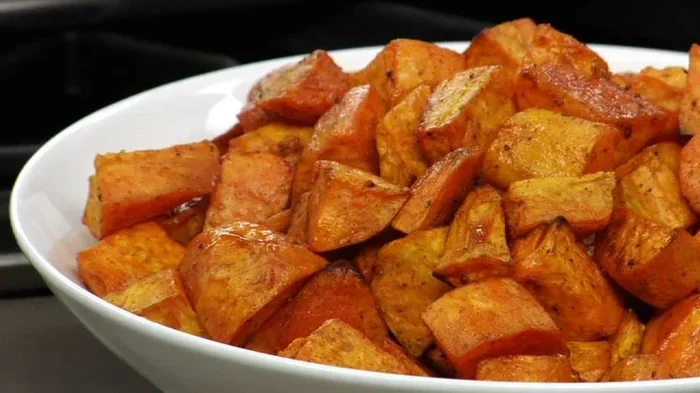
Roasted wild duck pairs wonderfully with a variety of sides. Roasted root vegetables like carrots, parsnips, and sweet potatoes complement the rich flavor of the duck beautifully. A fresh green salad with a bright vinaigrette cuts through the richness nicely. For something more indulgent, try serving it with a cherry or cranberry compote. The tart fruit pairs perfectly with the savory meat.
Wild rice is another excellent companion. Its nutty flavor and chewy texture make it a natural pairing for game birds. Creamy mashed potatoes also work well if you want something comforting and simple.
How to Store Leftover Wild Duck
Leftover oven-baked wild duck stores well in the refrigerator. Let the duck cool completely, then place it in an airtight container. Properly stored cooked wild duck stays fresh for up to three days. You can also freeze it for up to three months. Wrap individual portions tightly in plastic wrap and foil before placing them in freezer bags.
When reheating, use a low oven temperature around 275°F. This gentle heat warms the meat without drying it out. Adding a splash of broth or water to the pan creates steam that helps keep the duck moist. Avoid reheating in the microwave, which tends to make the meat rubbery.
Repurposing Leftover Wild Duck Creatively
Leftover duck makes fantastic sandwiches, salads, and tacos. Shred the meat and toss it into a warm wrap with some tangy sauce and fresh vegetables. Duck tacos with a mango salsa are a crowd favorite. You can also chop leftover duck into a hearty soup or stir-fry. The rich flavor of wild duck breast holds up beautifully in these dishes.
Expert Tips for Perfect Wild Duck Every Time
Here are some bonus tips from experienced cooks that will take your wild duck in the oven to the next level.
- Brine overnight: Even a quick two-hour brine makes a noticeable difference in moisture and flavor.
- Use a rack: Roasting on a wire rack allows hot air to circulate evenly around the bird.
- Score the skin: Lightly scoring the skin with a sharp knife helps render fat more effectively.
- Add liquid to the pan: A cup of broth or wine in the bottom of the pan creates steam and prevents drippings from burning.
- Let it come to room temperature: Taking the duck out of the refrigerator thirty minutes before cooking promotes more even cooking.
- Baste regularly: Basting the duck every thirty minutes keeps the skin moist and adds layers of flavor.
These small details might seem minor, but they add up to a big difference in the final result. The best wild duck recipe is the one where every step is done with care and attention.
Frequently Asked Questions
Can I cook frozen wild duck in the oven?
Yes, you can cook frozen wild duck in the oven, but it is not ideal. Thaw the duck completely in the refrigerator before cooking for the best results. Cooking from frozen leads to uneven cooking, where the outside may be overdone while the inside is still thawing. If you must cook from frozen, increase the cooking time by about fifty percent and use a meat thermometer to check doneness.
How do I reduce the gamey flavor of wild duck?
Soaking the duck in salt water or buttermilk overnight is the most effective way to reduce gamey flavor. You can also add extra herbs and aromatics to the cavity during roasting. Some cooks find that a longer marinating time in acidic liquids like citrus juice or vinegar also helps mellow out the strong taste. Proper cleaning and removing all fat deposits before cooking makes a difference too.
What is the difference between wild duck and domestic duck for oven cooking?
Wild duck is leaner and has a more intense flavor than domestic duck. Domestic duck has a thicker layer of fat, which makes it more forgiving during cooking. Wild duck requires more careful temperature control because the lower fat content means it can dry out faster. The cooking time and temperature may need slight adjustments when working with wild game birds compared to store bought duck.
How long should I brine wild duck before oven roasting?
A minimum of two hours works for a quick brine, but overnight is best for optimal results. Use a solution of one quarter cup kosher salt per quart of cold water. You can add sugar, peppercorns, and herbs to the brine for extra flavor. Brining helps the lean wild duck meat retain moisture during the roasting process, resulting in juicier final results.
Can I use a convection oven for cooking wild duck?
Yes, convection ovens work well for wild duck in the oven recipes. The circulating hot air promotes even browning and faster cooking. Reduce the temperature by about 25°F when using a convection setting. Keep a close eye on the bird because convection ovens can cook faster than conventional ovens. A meat thermometer remains essential to avoid overcooking.
What internal temperature should wild duck reach when done?
For wild duck breast, pull it from the oven at 135°F to 145°F. The carryover cooking will bring it up to a safe 145°F to 155°F as it rests. For whole duck and dark meat, target 165°F at the thickest part of the thigh. Always use a reliable meat thermometer inserted into the thickest section without touching bone for the most accurate reading.
Conclusion
Cooking wild duck in the oven is one of the most satisfying things you can do in the kitchen. It is not complicated, but it does require attention to detail. From the initial soaking and drying to the final resting period, each step plays a role in delivering a delicious, juicy result.
This step by step guide gives you everything you need to succeed. Choose your cuts carefully, prep them properly, season generously, and monitor the temperature closely. Avoid the common mistakes that trip up most beginners, and you will be rewarded with a meal that rivals anything from a fine dining restaurant.
Now that you know how to cook wild duck in the oven, it is time to put this knowledge into practice. Grab a bird, fire up your oven, and enjoy the process. Once you taste the difference between a well roasted wild duck and a mediocre one, you will never go back. Happy cooking, and enjoy every bite of your wild duck recipe creation.