What Oven Temp For Salmon Fillets Gives Perfect Results
What oven temp for salmon fillets gives the best results? The ideal temperature is 400°F for most fillets, delivering a crispy exterior and tender, pink interior. Whether you prefer your salmon lightly cooked or well-done, baking salmon at the right oven temperature ensures perfect doneness in under 20 minutes. This guide covers exact temps, timing, and pro tips for flawless oven-baked salmon every single time.
There is nothing quite like a perfectly baked salmon fillet. The outside is golden and slightly crispy, while the inside stays soft, pink, and full of flavor. But getting that perfect result every single time starts with one simple question: what oven temp for salmon fillets should you use?
If you have ever ended up with dry, overcooked salmon, you know how frustrating it can be. The good news is that nailing the oven temperature for salmon is easier than most people think. Once you know the right number and a few simple tricks, you will never serve bland salmon again. This guide walks you through everything you need to know about baking salmon fillets like a pro.
Whether you are a beginner in the kitchen or a seasoned home cook looking to refine your technique, this article has you covered. We will talk about exact temperatures, cooking times, and the best methods for different types of fillets. By the end, you will feel confident enough to whip up restaurant-quality baked salmon at home.
Key Takeaways
- 400°F is the sweet spot: This temperature cooks salmon evenly and creates a beautiful golden crust on the fillet.
- Internal temp matters: Aim for 145°F for fully cooked salmon or 125°F for a buttery, medium-rare center.
- Skin-on fillets benefit from high heat: A hot oven crisps the skin perfectly while keeping the flesh moist.
- Timing varies by thickness: Thin fillets need 8-12 minutes, while thick cuts may require 15-20 minutes at 400°F.
- Avoid common mistakes: Overcooking, skipping the pat-dry step, and baking cold fillets lead to dry, bland results.
- Rest your salmon: Letting the fillet rest for 3-5 minutes after baking keeps juices locked in.
- Foil is optional: Baking without foil gives crispier skin, while foil retains more moisture for delicate fillets.
📑 Table of Contents
- The Best Oven Temperature for Salmon Fillets
- How Long to Bake Salmon Fillets at Different Temperatures
- Foil vs. No Foil: Which Method Wins?
- How to Tell When Salmon Is Done
- Tips for Perfect Crispy Salmon Skin
- Common Mistakes to Avoid When Baking Salmon
- Best Salmon Recipes for Oven Baking
- How to Store and Reheat Baked Salmon
- Health Benefits of Baked Salmon
- Final Thoughts on Baking Salmon Fillets
The Best Oven Temperature for Salmon Fillets
The short answer is 400°F. This is the most widely recommended salmon oven temperature among chefs and home cooks alike. At 400°F, the salmon cooks evenly, the skin becomes crispy (if skin-on), and the flesh stays moist and tender.
But why 400°F? Let us break it down. Salmon is a delicate fish that dries out quickly when exposed to too much heat for too long. Baking salmon at 400°F strikes the perfect balance between cooking the fish through and keeping it juicy. The heat is high enough to create a beautiful sear on the outside, but not so high that it burns the edges before the center is done.
Why 400°F Works So Well
At 400°F, the salmon fillet cooking time is typically short, which is exactly what you want. Here is why this temperature is a winner:
- Fast cooking: The short bake time prevents the fish from drying out.
- Even heat: 400°F distributes heat consistently across the fillet.
- Crispy skin: Skin-on fillets get beautifully crispy at this temperature.
- Great color: The outside develops a lovely golden-brown crust.
- Foolproof: It is hard to go wrong at 400°F, even for beginners.
Other Temperatures Worth Trying
While 400°F is the gold standard, there are other options depending on what you are going for. Baking salmon at 350°F works well if you prefer a more gentle cook. The fillet takes a bit longer, but the result is very moist and tender. This method is great for thinner fillets or if you are cooking salmon wrapped in foil.
On the other end of the spectrum, baking salmon at 425°F is excellent for very thick fillets or when you want an extra-crispy skin. The higher temperature means a shorter cook time, but you need to watch it closely to avoid overcooking.
| Oven Temperature | Best For | Approximate Cook Time (per inch thick) | Result |
|---|---|---|---|
| 350°F | Thin fillets, foil-wrapped | 12-15 minutes | Very moist, gentle cook |
| 400°F | Standard fillets (most common) | 10-14 minutes | Perfectly cooked, crispy skin |
| 425°F | Thick fillets, crispy skin | 8-12 minutes | Crispy exterior, fast cook |
| 450°F | Very thick cuts, skin-on | 6-10 minutes | Extra crispy, high-hear sear |
As you can see, the salmon fillet temperature you choose really depends on the thickness of your fillet and the texture you prefer. Most of the time, 400°F is the safest and most reliable bet.
How Long to Bake Salmon Fillets at Different Temperatures
Temperature and time go hand in hand when it comes to oven-baked salmon. Knowing how long to leave your fillet in the oven at a given salmon bake temperature is just as important as setting the right heat.
Thin Fillets (Less Than 1/2 Inch Thick)
Thin fillets cook fast, so keep a close eye on them. At 400°F, a thin fillet needs only about 8 to 10 minutes. If you are using 350°F, add a couple of extra minutes. The fillet is done when it flakes easily with a fork and reaches an internal temperature of 145°F.
Standard Fillets (1/2 to 1 Inch Thick)
This is the most common thickness you will find at the grocery store. At 400°F, plan for about 12 to 14 minutes. Baking salmon at 400°F for this thickness gives you a perfectly cooked fillet with a nice crust and a tender, pink center.
Thick Fillets (Over 1 Inch Thick)
Thick cuts need a bit more time. At 400°F, expect 15 to 20 minutes. If you want a crispier skin, bump the temperature up to 425°F and reduce the time slightly. The key is to check the salmon internal temperature early so you do not overcook it.
A Quick Guide to Salmon Bake Times
- Thin fillets at 400°F: 8-10 minutes
- Standard fillets at 400°F: 12-14 minutes
- Thick fillets at 400°F: 15-20 minutes
- Standard fillets at 350°F: 15-18 minutes
- Thick fillets at 425°F: 10-14 minutes
These times are approximate. Every oven is different, and the actual salmon fillet cooking time can vary based on your oven’s accuracy and the starting temperature of the fish. Always use a meat thermometer for the most reliable results.
Foil vs. No Foil: Which Method Wins?
This is one of the most debated topics in baking salmon fillets. Should you cover your salmon with foil, or bake it uncovered? The answer depends on what you are going for.
Baking Salmon Without Foil
Baking salmon without foil is the best way to get crispy skin. The hot air circulates around the fillet, allowing the skin to crisp up beautifully. This method works especially well at 400°F and above. If you love that satisfying crunch on your salmon skin, skip the foil.
When you bake without foil, place the fillet skin-side down on a parchment-lined baking sheet. The parchment prevents sticking while still allowing the skin to crisp. This is my go-to method for crispy salmon skin every time.
Baking Salmon With Foil
Wrapping salmon in foil creates a steaming effect that keeps the fish extra moist. This method is great for thinner fillets or if you are worried about the fish drying out. Baking salmon in foil at 350°F works particularly well because the lower temperature combined with the sealed environment gently cooks the fish.
The downside? The skin will not get crispy when wrapped in foil. It will stay soft and slightly steamed. If crispy skin is important to you, skip the foil.
Quick Tips for Foil vs. No Foil
- Want crispy skin? Bake without foil at 400°F.
- Want extra moisture? Wrap in foil at 350°F.
- Cooking veggies with salmon? Use foil to keep everything together and moist.
- Short on time? Skip the foil for faster cooking and crispier results.
How to Tell When Salmon Is Done
Knowing when your baked salmon fillet is ready is one of the most important skills to master. Overcooked salmon is dry and chalky, while undercooked salmon can be a food safety concern. Here is how to get it just right every time.
Use a Meat Thermometer
This is the most reliable method. Insert a meat thermometer into the thickest part of the fillet. For fully cooked salmon, the internal temperature should reach 145°F. If you prefer a slightly translucent, medium-rare center, pull the salmon at 125°F to 130°F. The fish will continue to cook slightly as it rests.
The Flake Test
Can you not find a thermometer? No problem. The salmon doneness test is simple. Gently press the top of the fillet with a fork or your finger. If the fish flakes apart easily and the flesh separates into moist, tender pieces, it is done. If it still feels firm and resistant, give it a few more minutes.
Visual Cues
Look at the color of the salmon. Fully cooked salmon fillet should be opaque pink throughout, with no translucent or raw-looking areas in the center. The surface should be golden and slightly caramelized if you baked it without foil.
Resting Time Matters
Once your oven-baked salmon comes out of the oven, let it rest for 3 to 5 minutes before cutting. This allows the juices to redistribute throughout the fillet, making every bite moist and flavorful. Skipping this step can cause the juices to run out immediately, leaving you with drier fish.
Tips for Perfect Crispy Salmon Skin
If you love crispy salmon skin, you are not alone. That satisfying crunch is one of the best parts of a great baked salmon fillet. Here is how to get it right every time.
Start With a Dry Fillet
This is the single most important tip for crispy salmon skin. Before placing the fillet in the oven, pat the skin completely dry with paper towels. Any moisture on the surface will create steam, which prevents crisping. Take the extra 30 seconds to blot the skin thoroughly.
Score the Skin
Use a sharp knife to make 2 to 3 shallow slits across the skin side of the fillet. This helps the heat penetrate evenly and prevents the skin from curling up in the oven. Scoring is a small step that makes a big difference in baking salmon fillets with perfect skin.
Use a Hot Oven
A hot oven is essential for crispy skin. Baking salmon at 400°F or higher ensures the skin gets crispy quickly before the flesh overcooks. If your oven runs cool, consider bumping the temperature up to 425°F for even better results.
Place Skin-Side Down on a Preheated Sheet
For the crispiest skin, preheat your baking sheet in the oven before placing the salmon on it. The hot metal immediately starts crisping the skin the moment the fillet touches it. Just be careful when handling the hot sheet!
Do Not Move the Fillet
Once the salmon is in the oven, resist the urge to peek or flip it. Let it cook undisturbed so the skin can form that perfect crispy layer. Moving the fillet around can break the skin and prevent even crisping.
Common Mistakes to Avoid When Baking Salmon
Even experienced cooks make mistakes when baking salmon fillets. Here are the most common errors and how to avoid them.
Starting With Cold Fillets
Never put a cold salmon fillet straight into a hot oven. Take the fish out of the refrigerator 15 to 20 minutes before baking. A room-temperature salmon fillet cooks more evenly and reduces the risk of a cold center with overcooked edges.
Overcooking the Fish
This is the number one mistake people make with oven-baked salmon. Salmon continues to cook after you take it out of the oven, so pull it off the heat a few degrees before it reaches your target internal temperature. A slightly underdone fillet that rests for a few minutes will finish cooking perfectly.
Skipping Seasoning
Salmon has a delicate flavor that benefits from a little seasoning. A simple mix of olive oil, salt, pepper, and lemon juice goes a long way. You can also add garlic, dill, or honey mustard for extra flavor. Do not skip this step if you want your baked salmon recipe to really shine.
Using the Wrong Pan
A thin, flimsy baking sheet can cause uneven cooking. Use a sturdy, heavy-duty baking sheet or a rimmed sheet pan lined with parchment paper or a silicone baking mat. This ensures even heat distribution and prevents the fillet from sticking.
Not Accounting for Oven Hot Spots
Most ovens have hot spots where the temperature is higher than elsewhere. To avoid uneven cooking, rotate your baking sheet halfway through the salmon fillet bake time. This simple trick ensures the entire fillet cooks consistently.
Best Salmon Recipes for Oven Baking
Once you have mastered the oven temperature for salmon fillets, it is time to try some delicious recipes. Here are a few favorites that work beautifully in the oven.
Classic Lemon Herb Salmon
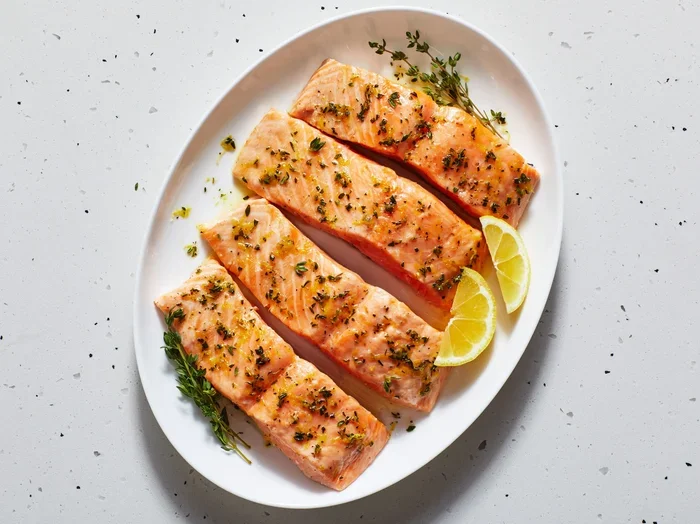
Preheat your oven to 400°F. Place skin-on salmon fillets on a parchment-lined baking sheet. Drizzle with olive oil and season with salt, pepper, garlic, and fresh dill. Top with lemon slices and bake for 12 to 14 minutes until the internal temperature reaches 145°F.
Honey Garlic Glazed Salmon
Mix honey, soy sauce, minced garlic, and a splash of olive oil for a simple glaze. Brush it over your salmon fillets and bake at 400°F for 10 to 12 minutes. The glaze caramelizes beautifully in the hot oven, creating a sticky, sweet, and savory finish.
Crispy Skin Salmon with Avocado Salsa
Bake skin-on salmon at 425°F for 8 to 10 minutes for ultra-crispy skin. Serve on top of a fresh avocado salsa made with diced avocado, red onion, cilantro, lime juice, and a pinch of salt. This healthy salmon recipe is ready in under 20 minutes.
How to Store and Reheat Baked Salmon
Got leftovers? Baked salmon stores well in the fridge for up to 3 days. Place the fillets in an airtight container and refrigerate. When reheating, use a low oven temperature of 275°F to prevent the fish from drying out. Cover with foil and warm for 10 to 12 minutes until heated through.
You can also reheat salmon in the microwave, but the oven method produces much better results. The microwave can make the fish rubbery, while the gentle heat of the oven keeps it moist and tender.
Health Benefits of Baked Salmon
Beyond being delicious, baked salmon is one of the healthiest proteins you can eat. Salmon is packed with omega-3 fatty acids, which support heart health, brain function, and reduce inflammation. A single serving of baked salmon provides high-quality protein, vitamin D, and B vitamins.
Compared to frying or grilling, baking salmon in the oven requires little to no added fat. This makes it an excellent choice for anyone looking to eat healthier without sacrificing flavor. Pair your salmon with roasted vegetables and a whole grain for a balanced, nutritious meal.
Learning what oven temp for salmon fillets to use is just the first step. Once you get comfortable with the basics, you can experiment with different seasonings, glazes, and side dishes. The versatility of baked salmon makes it a weeknight dinner winner and a crowd-pleasing dinner party dish alike.
Final Thoughts on Baking Salmon Fillets
Getting the perfect oven temperature for salmon does not have to be complicated. Set your oven to 400°F, follow the timing guidelines, and use a meat thermometer to check for doneness. With a little practice, you will be able to bake salmon fillets that are perfectly cooked, moist, and full of flavor every single time.
Remember the key factors: dry the skin for crispiness, let the fillet come to room temperature before baking, and do not overcook. These simple habits will elevate your baked salmon from good to restaurant-quality. Soon enough, oven-baked salmon will become your go-to recipe for a quick, healthy, and delicious meal.
The beauty of baking salmon fillets is how forgiving the process is once you understand the basics. Start with 400°F, keep an eye on the clock, and trust your instincts. Before long, you will not even need a recipe. You will just know exactly how long to bake your salmon and what salmon fillet temperature gives you the perfect result you love.
So go ahead, preheat your oven, and give it a try. Your taste buds will thank you.
Frequently Asked Questions
What is the best oven temperature for salmon fillets?
400°F is the best oven temperature for most salmon fillets. It cooks the fish evenly, creates a crispy exterior, and keeps the inside moist and tender. This salmon oven temperature works well for fillets of various thicknesses and is the go-to choice for most home cooks and chefs.
How long should I bake salmon fillets at 400°F?
A standard salmon fillet baked at 400°F takes about 12 to 14 minutes. Thinner fillets may need only 8 to 10 minutes, while thicker cuts can take 15 to 20 minutes. Always check the internal temperature with a meat thermometer to ensure perfect doneness.
Can I bake salmon at 350°F instead of 400°F?
Yes, you can bake salmon at 350°F. It takes a bit longer, usually around 15 to 18 minutes for a standard fillet. The lower temperature results in a gentler cook that keeps the fish very moist. This method works well for foil-wrapped salmon or thinner fillets.
What internal temperature should salmon reach?
The USDA recommends an internal temperature of 145°F for fully cooked salmon. If you prefer a medium-rare center, pull the fillet at 125°F to 130°F. The fish will continue to cook slightly as it rests, reaching the perfect level of doneness.
Should I bake salmon with skin on or off?
Baking salmon with the skin on is recommended for most people. The skin protects the flesh during cooking, adds flavor, and becomes beautifully crispy in a hot oven. Place the fillet skin-side down for the best results when baking salmon fillets at 400°F.
How do I prevent my salmon from drying out in the oven?
To prevent dry salmon, do not overcook it, use a meat thermometer, and let the fillet rest for 3 to 5 minutes after baking. Brushing the fillet with olive oil or a glaze before baking also helps retain moisture. Avoid baking at temperatures higher than 425°F unless the fillet is very thick.
=== CONCLUSION ===
Mastering what oven temp for salmon fillets to use is one of the easiest ways to elevate your home cooking. 400°F remains the most reliable and versatile temperature for baking salmon, delivering crispy skin, moist flesh, and perfectly cooked fish every time. With the right timing, a good thermometer, and a few simple tips, you can serve restaurant-quality baked salmon that your whole family will love.
Remember to pat the skin dry, let the fillet come to room temperature, and avoid the common mistake of overcooking. These small steps make a huge difference in the final result. Whether you are making a simple weeknight dinner or an impressive weekend meal, oven-baked salmon is a healthy, delicious, and easy-to-prepare option that never disappoints.
Now that you know the best oven temperature for salmon fillets, it is time to put this knowledge to work. Fire up your oven, grab your favorite seasoning, and bake your next salmon fillet with confidence. Perfect results are just one 400°F oven away.