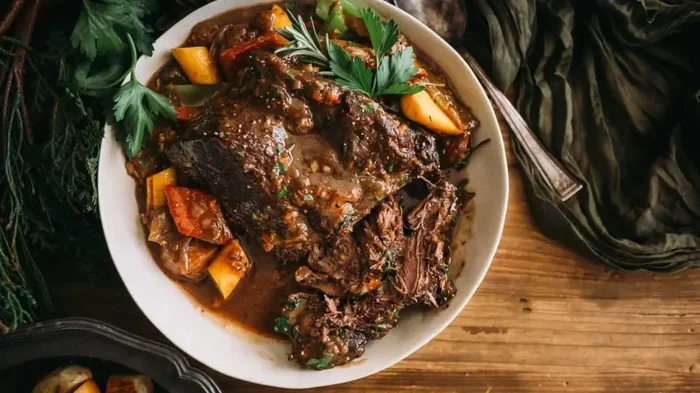
How Long Does Pot Roast Take In Oven For Tender Meat
A pot roast in the oven typically takes 3 to 4 hours at 325°F for tender, fall-apart meat. The exact time depends on the cut size, oven temperature, and your desired level of doneness. Using a meat thermometer and low-and-slow cooking ensures juicy, flavorful results every single time.
There’s nothing quite like a pot roast that falls apart at the touch of a fork. It’s comfort food at its finest. But here’s the question everyone asks: how long does pot roast take in oven? The answer isn’t always straightforward. It depends on the size of your roast, the temperature you use, and the cut of beef you’ve chosen.
In this guide, we’ll walk you through everything you need to know about oven-braised beef. From the best cuts to the perfect internal temperature, we’ve got you covered. Whether you’re a beginner or a seasoned home cook, you’ll find practical tips that make a real difference.
So grab your apron, and let’s turn that humble chuck roast into a masterpiece. Cooking a pot roast in the oven is one of the most rewarding things you can do in the kitchen. It fills your home with incredible aromas and delivers a meal the whole family will love.
Key Takeaways
- Standard cooking time: A 3-4 pound pot roast needs about 3 to 4 hours at 325°F in the oven.
- Internal temperature matters: Aim for 190°F to 200°F for the most tender pot roast.
- Searing first is key: Always sear your roast before placing it in the oven for deeper flavor.
- Liquid ratio counts: Use about 1 to 2 cups of braising liquid for the best results.
- Resting time is essential: Let your pot roast rest for 15 to 20 minutes after cooking.
- Chuck roast is the go-to cut: It has the perfect marbling for slow oven braising.
- Low and slow wins: Higher temperatures dry out the meat; patience gives you tenderness.
📑 Table of Contents
- How Long Does Pot Roast Take In Oven
- Best Oven Temperature For Pot Roast
- Step-by-Step Guide To Cooking Pot Roast In Oven
- How To Tell When Pot Roast Is Done
- Common Mistakes To Avoid When Making Pot Roast
- Tips For The Most Tender Pot Roast
- Best Vegetables To Serve With Pot Roast
- How to Store and Reheat Leftover Pot Roast
- Variations On Classic Pot Roast
- Frequently Asked Questions
- Final Thoughts
How Long Does Pot Roast Take In Oven
The short answer is 3 to 4 hours for a standard 3 to 4 pound roast at 325°F. But there’s more to it than just the clock on the wall. Several factors influence your pot roast cooking time, and understanding them helps you nail it every time.
Let’s break down what affects how long your roast takes. This way, you can plan your meal with confidence and avoid dry, overcooked meat.
Factors That Affect Cooking Time
Not all pot roasts are created equal. Here’s what changes the game:
- Weight of the roast: A smaller roast (2 pounds) may be done in 2.5 hours. A larger one (5+ pounds) could need 5 hours or more.
- Oven temperature: Lower temperatures like 300°F take longer but produce more tender results. Higher temps like 350°F speed things up but risk drying out the meat.
- Cut of beef: Chuck roast is the most popular choice for oven pot roast. It has great marbling that breaks down during slow cooking. Round roast is leaner and needs more careful timing.
- Whether you sear first: Searing adds flavor but doesn’t significantly change cooking time. However, it does improve the final result.
- Covered vs. uncovered: Cooking covered traps moisture and speeds things up slightly. Cooking uncovered allows more evaporation.
The General Rule of Thumb
As a rule of thumb, plan for about 30 to 40 minutes per pound at 325°F. So a 3-pound chuck roast needs roughly 90 minutes to 2 hours. A 4-pound roast needs about 2 to 2.5 hours. But always use a meat thermometer. Time estimates are just guidelines.
Think of it like how long to roast pumpkin seeds in oven — smaller batches cook faster, and timing varies based on your specific setup. Every oven is slightly different, and that applies to roasting meat too.
Best Oven Temperature For Pot Roast
Temperature is the backbone of a great pot roast. Too hot, and the meat turns tough and dry. Too low, and you’re waiting all day. The sweet spot is 325°F for most recipes.
Why 325°F Works Best
At 325°F, the collagen in the beef breaks down slowly and evenly. Collagen is the tough connective tissue that makes cheap cuts delicious when cooked properly. This temperature allows enough heat to melt the collagen into gelatin without evaporating all the moisture.
Here’s a quick comparison of common oven temperatures for beef pot roast:
- 300°F: Low and slow. Takes longer (4 to 5 hours for a 4-pound roast). Produces very tender results. Great if you have all day.
- 325°F: The Goldilocks zone. Takes about 3 to 4 hours. Balanced flavor and texture. This is the most recommended temperature.
- 350°F: Faster cooking (2.5 to 3.5 hours). Slightly higher risk of drying out. Works well if you’re short on time.
- 375°F: Not recommended for pot roast. The outside dries out before the inside becomes tender.
Can You Cook Pot Roast at 275°F?
Yes! Some cooks prefer 275°F for an ultra-tender result. It takes longer — about 5 to 6 hours for a 4-pound roast — but the meat comes out incredibly soft. This method works beautifully if you want to start cooking in the morning and have dinner ready by evening.
If you’ve ever wondered how long do chicken kebabs take in the oven, you’ll notice that different proteins require very different oven times and temperatures. Beef pot roast needs much longer, gentler cooking.
Step-by-Step Guide To Cooking Pot Roast In Oven
Now let’s get into the nitty-gritty. Follow these steps for a perfect pot roast every single time.
Step 1: Choose the Right Cut
Not every cut of beef works for oven pot roast. You want a cut with lots of connective tissue and marbling. Here are the best options:
- Chuck roast: The #1 choice. Affordable, flavorful, and becomes incredibly tender when braised.
- Brisket (flat cut): Great for pot roast but needs a longer cooking time.
- Bottom round roast: Leaner but still works well for slow cooking.
- Short ribs: These are amazing in the oven and cook in about 3 hours.
Avoid lean cuts like sirloin or tenderloin for pot roast. They don’t have enough fat and connective tissue to hold up to long cooking.
Step 2: Season and Sear the Roast
Season your roast generously with salt, pepper, and any spices you like. Then heat oil in a Dutch oven or oven-safe pot over medium-high heat. Sear the roast on all sides until you get a beautiful brown crust.
Searing is not just for flavor. It also helps create a fond — those browned bits stuck to the bottom of the pot. That fond becomes the base of your braising liquid and adds incredible depth to your dish.
Step 3: Add Vegetables and Liquid
After removing the roast, add chopped onions, carrots, celery, and garlic to the pot. Sauté for a few minutes. Then pour in your braising liquid. This can be beef broth, red wine, or a combination of both.
Use about 1 to 2 cups of liquid. You don’t want to submerge the roast — the liquid should come about halfway up the sides. The roast will generate its own juices as it cooks.
Adding herbs like thyme, rosemary, and bay leaves elevates the flavor. Some cooks also add a splash of Worcestershire sauce or a tablespoon of tomato paste for richness.
Step 4: Cover and Cook
Place the lid on the Dutch oven or cover the roasting pan tightly with aluminum foil. Put it in the preheated oven at 325°F. Set your timer based on the weight of your roast.
Here’s a helpful reference table for beef pot roast oven time:
- 2-pound roast at 325°F: About 1.5 to 2 hours
- 3-pound roast at 325°F: About 2 to 2.5 hours
- 4-pound roast at 325°F: About 2.5 to 3.5 hours
- 5-pound roast at 325°F: About 3.5 to 4.5 hours
- 6-pound roast at 325°F: About 4.5 to 5.5 hours
These times assume you’re cooking covered. The roast should reach an internal temperature of 190°F to 200°F for optimal tenderness.
Step 5: Rest and Serve
Once the roast is done, take it out of the oven and let it rest for at least 15 to 20 minutes. This allows the juices to redistribute throughout the meat. If you cut too soon, all those beautiful juices run out onto the cutting board instead of staying in the meat.
While the roast rests, you can strain and thicken the braising liquid to make a gorgeous gravy. Simply pour the liquid into a saucepan, bring it to a simmer, and thicken with a cornstarch slurry or by reducing it.
How To Tell When Pot Roast Is Done
Timing is important, but temperature is king when it comes to pot roast done temperature. Here’s how to know your roast is ready:
Use a Meat Thermometer
This is the most reliable method. Insert a meat thermometer into the thickest part of the roast, avoiding bone or fat pockets. You’re looking for:
- 160°F: The roast is cooked through but still firm. Not ideal for pot roast.
- 170°F: Starting to get tender but could still be a bit chewy.
- 190°F to 200°F: This is the sweet spot. The collagen has fully broken down, and the meat is fork-tender and juicy.
Don’t be afraid of pulling the roast at 190°F. The temperature will continue to rise a few degrees during resting. This is called carryover cooking, and it applies to all oven-braised beef dishes.
The Fork Test
Another way to check is the fork test. Insert a fork into the thickest part of the roast and twist gently. If the meat shreds easily and falls apart, it’s done. If there’s resistance, it needs more time.
The fork test works well, but it’s not as precise as a thermometer. If you want consistent results, invest in a good instant-read thermometer. It’s one of the best kitchen tools you can own.
Common Mistakes To Avoid When Making Pot Roast
Even experienced cooks make mistakes with pot roast. Here are the most common ones and how to avoid them:
Using the Wrong Cut of Meat
This is the number one mistake. Lean cuts like sirloin or filet mignon dry out during long oven cooking. Always choose a well-marbled, tough cut like chuck roast. The collagen and fat melt during cooking, creating that melt-in-your-mouth texture.
Skipping the Sear
Some people skip searing to save time. Don’t. Searing creates the Maillard reaction, which produces hundreds of complex flavor compounds. It’s the difference between a good pot roast and a great one.
Opening the Oven Too Often
Every time you open the oven door, heat escapes. Your oven needs to recover the lost temperature, which extends cooking time. Resist the urge to peek. Trust your timer and thermometer instead.
Not Enough Liquid
If the liquid evaporates completely, the roast will dry out and burn. Check the pot about halfway through cooking. If the liquid level is low, add a splash of broth or water. Never let the roast sit completely dry.
Cutting Into the Roast Too Soon
We know it’s tempting. But cutting into the roast right away releases all those precious juices. Let it rest. Those 15 to 20 minutes make a huge difference in the final result.
Overcooking the Vegetables
If you add vegetables at the start, they may turn to mush by the time the roast is done. Add firmer vegetables like carrots and potatoes in the last hour of cooking for the best texture.
Tips For The Most Tender Pot Roast
Want to take your oven pot roast to the next level? Try these expert tips:
Bring the Roast to Room Temperature First
Take the roast out of the fridge 30 to 60 minutes before cooking. A room-temperature roast cooks more evenly than a cold one straight from the refrigerator. This simple step can shave 20 to 30 minutes off your cooking time.
Use a Dutch Oven
A Dutch oven is the best vessel for pot roast in oven. The heavy cast iron distributes heat evenly and retains moisture beautifully. If you don’t have one, a heavy roasting pan with a tight-fitting lid works too.
Don’t Rush the Sear
Give each side of the roast a good 2 to 3 minutes of searing. You want a deep brown crust, not just a quick tan. Pat the roast dry with paper towels before searing for better browning.
Add Acid to the Braising Liquid
A splash of red wine, a squeeze of lemon juice, or a spoonful of tomato paste adds acidity. Acid helps break down the proteins in the meat, making it more tender. It also brightens the overall flavor of the dish.
Cook the Day Before
Pot roast tastes even better the next day. The flavors meld together overnight in the fridge, and reheating is quick and easy. If you’re meal prepping, cook the roast a day ahead and reheat it gently on the stovetop.
Let the Roast Rest Properly
Resting isn’t just about juice redistribution. It also allows the internal temperature to equalize. The outer layers cool slightly while the center stays hot. This creates a more consistent texture throughout the roast.
How long to cook oysters in oven is a completely different timeline, but the principle of resting meat applies to all oven-cooked proteins. Always give your roast time to settle before slicing.
Best Vegetables To Serve With Pot Roast
A pot roast isn’t complete without vegetables. They cook in the braising liquid and soak up all those incredible flavors. Here are the best options:
- Potatoes: Yukon Gold or baby potatoes hold their shape well. Add them in the last 1 to 1.5 hours of cooking.
- Carrots: Classic pairing with pot roast. Add them in the last hour for a tender but not mushy texture.
- Onions: Add at the beginning. They melt into the braising liquid and create a rich base.
- Celery: Adds a subtle freshness that balances the richness of the beef.
- Turnips or parsnips: These root vegetables hold up well to long cooking and add earthy sweetness.
- Green beans or peas: Add these in the last 15 minutes for a fresh contrast.
You can also serve your pot roast with crusty bread to soak up the gravy. A simple side salad or steamed green beans round out the meal nicely.
How to Store and Reheat Leftover Pot Roast
Pot roast makes excellent leftovers. Here’s how to store and reheat it properly:
Storing
Let the roast cool to room temperature, then store it in an airtight container in the refrigerator. It keeps for up to 4 days. You can also freeze cooked pot roast for up to 3 months. Wrap it tightly in plastic wrap and aluminum foil, or store it in a freezer-safe bag.
Reheating
The best way to reheat pot roast is on the stovetop in a covered pot with a splash of broth. This keeps the meat moist. You can also reheat it in the oven at 300°F, covered with foil, for about 20 to 30 minutes.
Avoid reheating in the microwave if possible. It tends to dry out the meat unevenly. If you must use the microwave, add a splash of broth and cover the dish with a damp paper towel.
Variations On Classic Pot Roast
Once you master the basic recipe, you can get creative. Here are some delicious variations:
Red Wine Pot Roast
Replace half the beef broth with a full-bodied red wine. The wine adds depth and complexity. Use a Cabernet Sauvignon or Merlot for the best flavor. The alcohol cooks off, leaving behind rich, concentrated flavor.
Beer Pot Roast
Swap the broth for a dark beer like stout or porter. The beer gives the roast a malty, slightly sweet flavor that pairs beautifully with root vegetables.
Asian-Inspired Pot Roast
Use soy sauce, ginger, garlic, and a splash of rice vinegar as your braising liquid. Add star anise and a cinnamon stick for warmth. Serve over steamed rice for a fusion twist.
Italian-Style Pot Roast
Use crushed tomatoes, Italian herbs, and a splash of balsamic vinegar. Add olives and roasted red peppers for a Mediterranean flair. This version is fantastic with crusty Italian bread.
Frequently Asked Questions
Can I cook a pot roast at 350°F instead of 325°F?
Yes, you can cook a pot roast at 350°F, but it will take less time — about 2.5 to 3.5 hours for a 4-pound roast. The higher temperature speeds up cooking but increases the risk of drying out the meat. If you use 350°F, check the roast earlier than you normally would and use a meat thermometer to monitor doneness. The roast is best when it reaches 190°F to 200°F internally.
How long should a 2-pound pot roast cook in the oven?
A 2-pound pot roast at 325°F typically takes about 1.5 to 2 hours. Smaller roasts cook faster because the heat reaches the center more quickly. Always use a meat thermometer to check the internal temperature. The roast should reach 190°F to 200°F for the most tender results. Remember that carryover cooking will raise the temperature a few degrees after you remove it from the oven.
Do I need to sear a pot roast before putting it in the oven?
While not strictly necessary, searing is highly recommended. Searing creates a flavorful brown crust through the Maillard reaction, which adds depth and richness to the final dish. It also improves the appearance of the roast. If you’re short on time, you can skip it, but the flavor won’t be as complex. Take the extra 10 minutes — your taste buds will thank you.
What is the best cut of beef for pot roast?
Chuck roast is the best cut for pot roast. It’s affordable, widely available, and packed with connective tissue and marbling that break down during slow cooking, creating a tender, flavorful result. Other good options include brisket (flat cut), bottom round roast, and short ribs. Avoid lean cuts like sirloin or tenderloin, as they lack the fat needed for long braising and tend to dry out.
Can I use a regular roasting pan instead of a Dutch oven?
Yes, you can use a regular roasting pan, but a Dutch oven is ideal because its heavy walls and tight-fitting lid retain heat and moisture evenly. If using a roasting pan, cover it tightly with aluminum foil to trap moisture. You may need to add a bit more liquid since a regular pan doesn’t retain moisture as well as cast iron. Check the liquid level halfway through cooking and add more if needed.
How do I know if my pot roast is overcooked?
An overcooked pot roast will be dry, stringy, and fall apart too easily. The meat may have a grayish appearance instead of a rich brown crust. If the internal temperature exceeds 210°F, the muscle fibers have likely dried out and lost their moisture. To avoid this, use a meat thermometer and pull the roast at 190°F to 200°F. Remember that the temperature will continue to rise during resting.
Final Thoughts
How long does pot roast take in oven depends on a few factors, but the general answer is 3 to 4 hours at 325°F for a 3 to 4 pound roast. The key to a perfect pot roast is patience, the right temperature, and using a meat thermometer to check doneness.
Cooking pot roast in oven is one of the most satisfying things you can do in the kitchen. It’s a dish that rewards slow, thoughtful preparation. The longer you take, the better the results. Choose a well-marbled chuck roast, sear it well, braise it low and slow, and let it rest before serving.
Follow the tips in this guide, avoid the common mistakes, and you’ll serve a pot roast that has everyone coming back for seconds. Whether you’re cooking for a family dinner or a holiday feast, a perfectly tender oven pot roast never disappoints. So fire up your oven, grab your Dutch oven, and get ready to make the best pot roast of your life.