Which Is Better Microwave Or Convection Oven Choice
Choosing between a microwave and a convection oven depends on your cooking style, speed needs, and desired food texture. A microwave excels at quick reheating and defrosting, while a convection oven delivers crispy, evenly baked results. This guide breaks down the differences so you can make a confident microwave vs convection oven choice for your kitchen.
When it comes to microwave vs convection oven, most home cooks have a strong opinion. Some swear by the speed of a microwave. Others love the golden, crispy results a convection oven delivers. The truth is, both appliances have a place in a modern kitchen. They simply serve different purposes.
This guide will walk you through everything you need to know. We will compare how each appliance works, what they do best, and which one fits your cooking style. By the end, you will know exactly which cooking appliance deserves a spot on your countertop.
Let us dive into the details and settle the debate once and for all.
Key Takeaways
- Speed: Microwaves cook food much faster than convection ovens, making them ideal for quick meals.
- Texture: Convection ovens produce crispy and browned results that microwaves simply cannot match.
- Energy Use: Microwaves use less energy for small tasks, while convection ovens are better for larger cooking jobs.
- Versatility: Convection ovens handle baking, roasting, and browning far more effectively than microwaves.
- Budget: Both appliances come in a wide price range, so there is an option for every kitchen budget.
- Best for Reheating: Microwaves are the go-to appliance for reheating leftovers in seconds.
- Best for Cooking from Scratch: Convection ovens shine when you want to bake or roast meals from the ground up.
📑 Table of Contents
How Does a Microwave Work?
A microwave uses electromagnetic waves to heat food quickly. These waves cause water molecules inside your food to vibrate. That vibration creates heat, which warms your meal from the inside out.
This is why microwaves are so fast. They do not need to warm up like a traditional oven. You can heat a bowl of soup in under two minutes. That is a huge time saver on busy weeknights.
What Microwaves Do Best
Microwaves are perfect for specific tasks. Here are the things they do really well:
- Reheating leftovers: A leftover plate of pasta comes together in seconds.
- Defrosting frozen food: Frozen vegetables or chicken thaw quickly and evenly.
- Steaming vegetables: A covered bowl with a little water makes perfectly tender veggies.
- Making popcorn: Nobody beats a microwave for a quick snack.
- Heating beverages: Coffee or tea is ready in under a minute.
However, microwaves have clear limits. They do not brown food. They do not make crusts crispy. And they struggle with certain textures. If you want a crunchy topping or a golden crust, a microwave simply cannot deliver that.
How Does a Convection Oven Work?
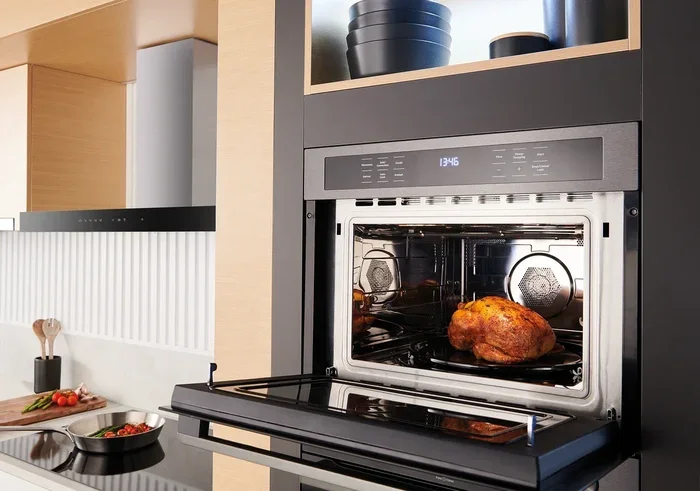
A convection oven works differently from a standard oven. It has a fan and exhaust system that circulates hot air around the food. This even heat distribution means your food cooks faster and more evenly.
Instead of relying only on radiant heat from the oven walls, a convection oven actively moves hot air over every surface of your food. This creates a crispy exterior while keeping the inside moist and tender.
What Convection Ovens Do Best
Convection ovens are incredibly versatile. Here are the tasks they handle beautifully:
- Baking bread and pastries: The circulating air helps dough rise evenly and creates a beautiful golden crust.
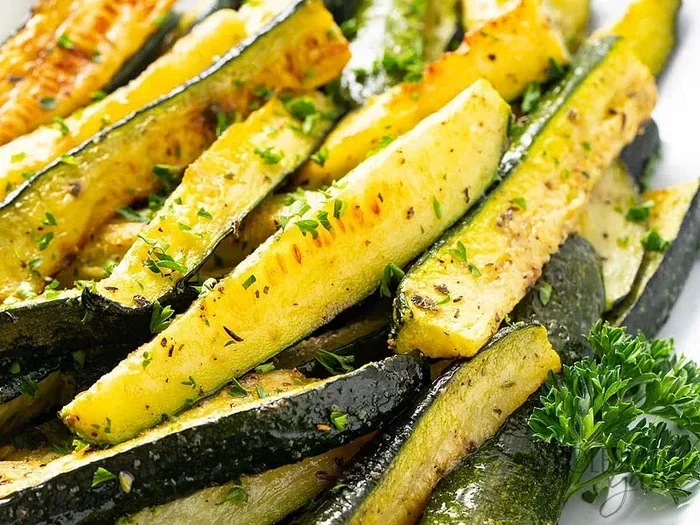
- Roasting vegetables: Toss some potatoes or carrots in oil, and they come out perfectly crispy.
- Cooking frozen fries: You can cook frozen fries in an air fryer oven with amazing results, and convection ovens achieve similar crispy textures.
- Roasting pumpkin seeds: They roast evenly and turn out perfectly crunchy, much like roasting pumpkin seeds in the oven to golden perfection.
- Baking chicken kebabs: Chicken kebabs take on a beautiful char when cooked in a convection setting.
- Roasting meats: Whole chickens, roasts, and pork tenderloins all benefit from the even hot air flow.
The fan-driven cooking method makes a convection oven ideal for anything that needs a crispy exterior or even browning. It is truly a powerhouse kitchen appliance.
Microwave vs Convection Oven: Head-to-Head Comparison
Let us put the two side by side. This comparison table shows the key differences at a glance:
| Feature | Microwave | Convection Oven |
|---|---|---|
| Cooking Speed | Very fast (seconds to minutes) | Moderate (10-40 minutes) |
| Heat Method | Electromagnetic waves | Hot air circulation with a fan |
| Browning and Crisping | No | Yes |
| Best For | Reheating, defrosting, steaming | Baking, roasting, browning |
| Energy Use | Low for short tasks | Higher, but efficient for large batches |
| Cooking Texture | Soft, sometimes soggy | Crispy, golden, caramelized |
| Price Range | Budget-friendly | Mid-range to high-end |
| Counter Space | Compact | Larger footprint |
As you can see, the two appliances serve very different purposes. A microwave is all about speed and convenience. A convection oven is about quality, texture, and versatility. Your choice depends on what matters most to you in the kitchen.
Cooking Speed Comparison
There is no contest when it comes to speed. A microwave wins every time. Need to heat up a frozen meal? The microwave does it in minutes. A convection oven takes longer because it needs time to preheat and cook food through traditional heat methods.
However, speed is not always the most important factor. When you are roasting a chicken or baking cookies, the slower and more controlled heat of a convection oven produces far better results.
Food Texture and Quality
This is where the convection oven really pulls ahead. Microwaves heat food unevenly at times. They can make bread crusts soggy. They do not create that satisfying crunch you love on roasted vegetables or baked goods.
Convection ovens, on the other hand, deliver consistent and beautiful results. The hot air flow removes moisture from the surface of food, which creates browning and crispiness. This is why many people choose a convection oven for their weekend cooking projects.
Energy Efficiency
Microwaves use less energy for quick tasks. Heating a single plate of food in a microwave uses far less electricity than running a full convection oven for thirty minutes.
But here is an important nuance. If you are cooking a large meal for your family, a convection oven may actually be more efficient. It can cook multiple dishes at once. A microwave would require multiple rounds of heating, which uses more energy overall.
When to Use a Microwave
Knowing when to reach for your microwave saves time and preserves food quality. Here are the best situations for using a microwave:
- Reheating yesterday’s dinner. A plate of rice, curry, or pasta heats up perfectly in a microwave.
- Defrosting ingredients quickly. Frozen meat, vegetables, or berries thaw in minutes.
- Making quick breakfasts. Oatmeal, scrambled eggs, or a mug cake comes together fast.
- Steaming fish or vegetables. A covered bowl with a splash of water keeps nutrients intact.
- Melting butter or chocolate. No need to watch a stovetop pan closely.
Microwaves are also great for small households or busy professionals who need fast meals. If your cooking speed is your top priority, a microwave is a clear winner.
Quick Microwave Tips
- Always cover your food to trap moisture and heat evenly.
- Stir or rotate food halfway through cooking for even results.
- Let food rest for a minute after heating, as heat continues to distribute.
- Use microwave-safe containers only. Glass and ceramic work best.
- Adjust microwave wattage settings based on the type of food you are heating.
When to Use a Convection Oven
A convection oven shines when you want to cook from scratch or achieve restaurant-quality results at home. Here are the ideal moments to use one:
- Baking cookies and pastries. The even heat ensures every cookie bakes perfectly.
- Roasting a whole chicken or large cuts of meat. The circulating air creates a beautiful golden-brown exterior.
- Crisping frozen foods. Frozen fries, nuggets, and samosas come out crispy without needing a deep fryer.
- Roasting vegetables. Broccoli, Brussels sprouts, and sweet potatoes develop amazing caramelized edges.
- Making pizza. A convection oven mimics the high-heat environment of a commercial electric pizza oven for great homemade pizza.
If you love the art of cooking and care about food texture, a convection oven is your best friend. It handles roasting in oven tasks with ease and gives you creative freedom in the kitchen.
Quick Convection Oven Tips
- Reduce cooking temperature by 25°F compared to a standard oven recipe.
- Do not overcrowd the pan. Air needs space to circulate around food.
- Use low-sided baking sheets or roasting pans for best air flow.
- Check food a few minutes early, as convection cooking is faster than conventional methods.
- Pat food dry before cooking to achieve maximum crispiness.
Common Mistakes to Avoid
Even experienced cooks make mistakes with convection ovens. Here are a few to watch out for:
- Overcrowding the oven: Blocking air flow leads to uneven cooking.
- Using the wrong pan: Dark, non-stick pans can cause over-browning. Use light-colored aluminum pans instead.
- Forgetting to reduce temperature: Convection ovens cook hotter, so always adjust your recipe accordingly.
- Skipping the preheat: Even though convection ovens heat up fast, preheating still matters for consistent results.
- Peeking too often: Opening the door releases heat and can affect cooking time and texture.
Which One Should You Choose?
The microwave vs convection oven debate does not have a single right answer. It depends entirely on your lifestyle, cooking habits, and kitchen needs.
Choose a microwave if you want quick meals, mostly reheat food, or have limited counter space. It is affordable, fast, and perfect for a busy lifestyle.
Choose a convection oven if you enjoy cooking from scratch, love crispy and browned food textures, and want to bake and roast with confidence. It is a more versatile and rewarding appliance for serious home cooks.
Some households benefit from having both. A microwave on the counter for quick tasks, and a convection oven in the kitchen for weekend cooking projects. This combination gives you the best of both worlds.
Either way, understanding what each appliance does well helps you cook smarter and faster. Your kitchen cooking routine will improve once you match the right tool to the right task.
Expert Insight
Many professional chefs recommend having both a microwave and a convection oven in the kitchen. The microwave handles the fast, everyday tasks like reheating and defrosting. The convection oven takes over when quality and texture matter most. Together, they cover nearly every cooking scenario you will encounter at home.
If you are on a tight budget, prioritize a convection oven. It offers more cooking options and better food quality. You can always reheat food on the stovetop or in a microwave at a later time.
On the other hand, if you live alone or have a very busy schedule, a microwave might be all you need. It saves time and energy for simple meals and snacks.
Final Thoughts
The microwave vs convection oven debate comes down to your personal cooking needs. A microwave delivers speed and convenience for quick tasks. A convection oven provides quality, texture, and versatility for more involved cooking projects.
Both appliances are valuable additions to any kitchen. The best choice is the one that fits your lifestyle, budget, and cooking goals. Consider what you cook most often, how much time you spend in the kitchen, and what kind of results you want.
Once you make your choice, you will wonder how you ever cooked without it. And remember, there is no wrong answer here, only the right fit for you.
Frequently Asked Questions
Is a convection oven the same as an air fryer?
A convection oven works very similarly to an air fryer. Both use a fan to circulate hot air around food, creating crispy results. The main difference is size, with convection ovens being larger and capable of cooking more food at once.
Can you bake in a microwave?
Yes, you can bake simple items like muffins or cakes in a microwave. However, the results will not have the same texture or browning as a convection oven. Microwaves work best for quick and simple baking tasks, not complex recipes.
Which appliance uses less electricity?
A microwave uses less electricity for short tasks like reheating a single meal. A convection oven uses more energy but is more efficient when cooking large or multiple dishes at once. The energy savings depend on how you use each appliance.
Can a convection oven replace a regular oven?
Yes, a convection oven can replace a regular oven. It does everything a standard oven does plus the added benefit of a fan for even cooking. Most recipes can be adapted for convection by lowering the temperature by 25°F.
Is it safe to use metal in a convection oven?
Yes, metal pans and foil are safe to use in a convection oven. The circulating hot air works well with metal cookware. This is different from a microwave, where metal should never be used.
How do I clean a convection oven?
Most convection ovens have removable racks and trays that can be washed by hand or in a dishwasher. Wipe down the interior with a damp cloth after each use. For tough grease buildup, use a mild oven cleaner and let it sit before wiping clean.
=== CONCLUSION ===
The microwave vs convection oven comparison shows that each appliance has its strengths. A microwave is unbeatable for speed and convenience. A convection oven delivers superior cooking quality and versatility. Understanding these differences helps you cook better and enjoy your meals more.
Take a look at your cooking habits this week. Notice which tasks take the most time or produce the results you are not happy with. That is your clue about which appliance deserves more space in your kitchen. Whether you choose speed with a microwave or quality with a convection oven, you are making a smart investment in your kitchen cooking experience.
Start experimenting today. Try reheating a meal in the microwave, then roast some vegetables in the convection oven. Feel the difference in texture, taste, and convenience. Once you see the results, the choice will feel natural and easy.