Is The Drawer Under The Oven For Warming Food Guide
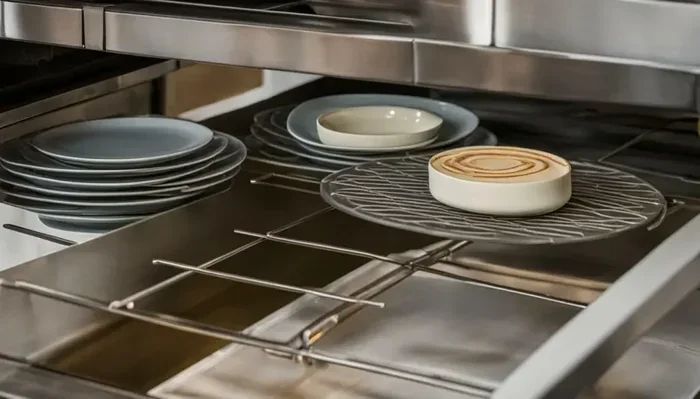
The drawer under your oven is called a warming drawer, and its main job is to keep food warm before serving. It works at low temperatures, usually between 170°F and 200°F, making it perfect for meal prep and hosting guests. Many people wonder if they can use it for more than just warming, and the answer is yes — with some smart tricks. This guide covers everything you need to know about using the drawer under the oven for warming food safely and effectively.
Key Takeaways
- The oven drawer is designed for warming: Its primary purpose is to keep cooked food at a safe serving temperature.
- You can cook low and slow: The drawer works well for proofing dough, dehydrating fruits, and slow-cooking small dishes.
- Temperature control matters: Most warming drawers operate between 170°F and 200°F, which is ideal for holding food safely.
- Common mistakes can damage the drawer: Overloading it or using wrong cookware can reduce its effectiveness.
- Not all ovens have the same drawer: Some are broilers, some are warmers, and some serve no cooking purpose at all.
- Regular cleaning keeps it working: Grease and food buildup can affect performance and hygiene.
- Check your oven manual: The manufacturer’s guide gives the best instructions for your specific model.
📑 Table of Contents
- Is The Drawer Under The Oven For Warming Food?
- What Exactly Is The Drawer Under The Oven?
- How To Use The Oven Warming Drawer Properly
- Can You Use The Warming Drawer For More Than Just Warming?
- Common Mistakes People Make With The Oven Drawer
- Warming Drawer Vs. Other Oven Features
- Tips For Getting The Most From Your Oven Drawer
- Expert Insights On Oven Warming Drawers
- Key Takeaways
- Conclusion
Is The Drawer Under The Oven For Warming Food?
Have you ever opened the drawer underneath your oven and wondered what it is actually for? You are not alone. Many homeowners use their kitchens every day without ever understanding the purpose of the oven bottom drawer. Some people shove baking sheets in there. Others use it as extra storage for pots and pans. But the truth is, that drawer has a very specific job.
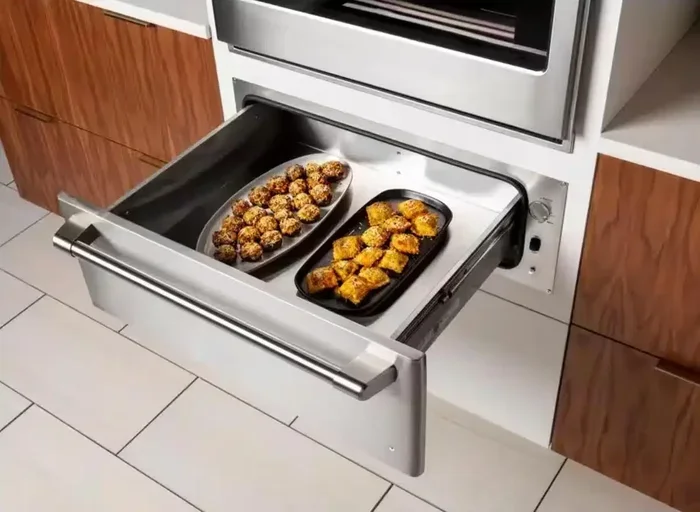
The drawer under the oven for warming food is called a warming drawer. It is a small, dedicated compartment designed to hold food at a safe and warm temperature until you are ready to serve it. If you have ever hosted a dinner party or prepared a big family meal, you know how frustrating it can be when dishes cool down too fast. The warming drawer solves that problem perfectly.
But here is the thing — not everyone knows how to use it properly. Some people push the wrong cookware into it. Others never even realize it can do more than just keep things warm. In this guide, we will walk you through everything you need to know. From basic functions to clever uses you probably never thought of, you will walk away with a much better understanding of this handy kitchen feature.
So let us dive in and explore the world of the warming drawer. By the end of this article, you will use it like a pro.
What Exactly Is The Drawer Under The Oven?
The drawer sits beneath the main oven cavity. It is usually the same width as the oven and slides out smoothly on a rail or track. Depending on your oven model, this drawer can serve one of three purposes: warming food, broiling, or simply providing extra storage space.
The most common type is the oven warming drawer. It is a compact space that maintains a low, steady heat. This makes it ideal for keeping plates, casseroles, and side dishes at the perfect serving temperature. Think of it as a holding zone for your food.
Some ovens come with a broiler drawer instead. This is located at the very bottom and uses high, direct heat from above. It works great for browning the tops of dishes or quickly cooking thin cuts of meat. Then there are ovens with a storage drawer, which serves no heating function at all. It is simply a cool, flat space for storing baking trays and pans.
How To Tell Which Type Of Drawer You Have
Figuring out what kind of drawer you have is easier than you might think. Here are a few simple ways to check:
- Check the oven manual: The manufacturer’s guide will list every feature of your oven, including the drawer type.
- Look for a temperature control: A warming drawer will have its own heat setting or dial, usually located on the front panel.
- Feel the heat: Turn the drawer on at a low setting and wait a few minutes. If it gets warm, you have a warming drawer.
- Look for a broil setting: If the drawer has a high-heat broil function, it is a broiler drawer.
- Check for heating elements: Open the drawer and look for a heating element at the top (warming or broiling) or no element at all (storage).
Most modern ovens come with a warming drawer as a standard feature. If your oven was built in the last 15 years, there is a good chance your drawer is designed for warming food.
How To Use The Oven Warming Drawer Properly
Using the warming drawer correctly makes a huge difference in how well it performs. The first step is understanding the right temperature range. Most warming drawers operate between 170°F and 200°F. This is the sweet spot for keeping food warm without overcooking it.
Here is a simple step-by-step process to get started:
- Clear the drawer of any items you are not using for cooking or warming.
- Place your food in an oven-safe dish or on an oven-safe tray.
- Set the drawer temperature to between 170°F and 200°F.
- Slide the drawer back into the oven and let it preheat for about 5 to 10 minutes.
- Place your food inside and close the drawer gently.
- Check the food periodically to make sure it stays at a safe temperature.
One important tip is to never cover the drawer’s ventilation openings. Most warming drawers have small vents that allow heat to circulate properly. Blocking these vents can cause uneven heating or even damage the drawer over time.
Best Cookware For The Warming Drawer
Not every pan or dish works well in the oven bottom drawer. You want to use items that can handle low, consistent heat without warping or damaging. Here are the best options:
- Glass baking dishes: These distribute heat evenly and look great for serving directly at the table.
- Ceramic plates and ramekins: Perfect for warming small portions or individual servings.
- Stainless steel trays: Durable and easy to clean, these work well for holding multiple dishes at once.
- Oven-safe metal pans: A simple sheet pan works well for warming rolls, bread, or tortillas.
Avoid using plastic containers, paper plates, or anything with a plastic handle. These can melt or release harmful chemicals when exposed to heat, even at low temperatures.
Can You Use The Warming Drawer For More Than Just Warming?
Absolutely! The oven drawer for warming is more versatile than most people realize. Because it maintains a low, steady temperature, it can handle several cooking and preparation tasks that go beyond simply keeping food warm.
Proofing Dough
If you bake bread or make pizza dough at home, the warming drawer is a game-changer. Placing your covered dough inside at around 80°F to 90°F creates the perfect environment for rising. The warm, gentle heat speeds up the proofing process without drying out the dough. This is especially helpful in cold kitchens or during winter months.
Dehydrating Fruits and Vegetables
You can use the warming drawer to make your own dried fruit snacks. Simply slice apples, bananas, or strawberries thinly, place them on a tray, and set the drawer to its lowest setting. Leave the door slightly cracked for airflow. In a few hours, you will have homemade dehydrated treats. This works great for meal prep and healthy snacking.
Slow-Cooking Small Dishes
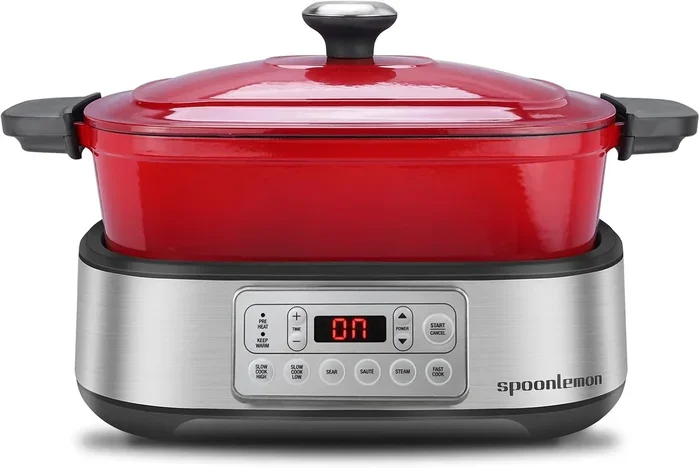
While the warming drawer is not a replacement for a slow cooker, it can handle small slow-cooking tasks. Think warming up soup, simmering a small sauce, or keeping chili at a gentle heat. It is not as powerful as a full oven, but for low-effort tasks, it works surprisingly well.
Warming Plates Before a Meal
Nothing kills the enjoyment of a hot meal faster than a cold plate. The warming drawer is perfect for heating up dinner plates before a meal. Just place a few plates inside for 5 to 10 minutes, and they will be warm and ready. This is a trick that restaurant kitchens use every single day, and now you can do it at home too.
Common Mistakes People Make With The Oven Drawer
Even though the warming drawer is simple to use, there are some common mistakes that can reduce its effectiveness or even cause damage. Let us look at what to avoid.
Overloading The Drawer
One of the biggest mistakes is cramming too much food or too many dishes into the drawer. The warming drawer needs space for heat to circulate around the items. If you pack it full, the food in the center will not warm evenly. Stick to one or two layers of dishes, and leave some room between them.
Using the Wrong Temperature
Setting the temperature too high can dry out food or even cook it further, which ruins the texture. For example, if you put a cooked casserole in at 350°F instead of 170°F, it will overcook and become dry. Always use the low heat setting designed for warming, not cooking.
Forgetting To Clean It
Grease, crumbs, and food spills build up inside the drawer over time. This not only creates unpleasant odors but can also affect how well the drawer heats. Make it a habit to wipe down the drawer after each use. A quick clean with warm soapy water keeps it in great shape.
Ignoring the Manual
Every oven model is different. Some warming drawers have specific features, like a humidity control or a fan for better heat distribution. Reading the oven manual takes just a few minutes and can save you from making costly mistakes. It also tells you the recommended temperature range and any safety warnings specific to your model.
Warming Drawer Vs. Other Oven Features
It is easy to confuse the warming drawer with other oven features. Let us break down the differences so you always know exactly what each part of your oven does.
| Feature | Purpose | Temperature Range | Best For |
|---|---|---|---|
| Warming Drawer | Keep food warm | 170°F to 200°F | Holding dishes, warming plates, proofing dough |
| Broiler Drawer | High direct heat from above | Up to 500°F+ | Browning tops, melting cheese, quick searing |
| Storage Drawer | No heating function | Room temperature | Storing baking sheets, pans, trays |
| Convection Oven | Circulated hot air for even baking | 250°F to 500°F | Baking, roasting, toasting |
As you can see, each drawer or compartment has a unique role. The oven warming drawer is specifically designed for low-temperature tasks. The broiler drawer, on the other hand, uses high heat for quick cooking and browning. Understanding these differences helps you get the most out of every part of your oven.
Tips For Getting The Most From Your Oven Drawer
Want to squeeze every bit of usefulness out of your warming drawer? Here are some expert tips that make a real difference.
- Use a thermometer: Place a small oven thermometer inside the drawer to check the actual temperature. This helps you set the dial accurately.
- Preheat before adding food: Just like the main oven, letting the drawer preheat for a few minutes ensures even warming from the start.
- Keep the drawer clean: A clean drawer heats more efficiently and prevents flavors from transferring between foods.
- Use shallow dishes: Spreading food out in a thin layer warms it faster and more evenly than stacking it in a deep dish.
- Add a small dish of water: For proofing dough, placing a cup of water in the drawer adds humidity, which prevents the dough from drying out.
- Do not leave it unattended for long periods: Even at low temperatures, it is best to check on your food periodically to avoid overcooking or drying.
Expert Insights On Oven Warming Drawers
We spoke with a few professional chefs and appliance experts to get their take on the drawer under the oven for warming. Here is what they had to say.
Chef Maria Torres shared, “The warming drawer is one of the most underused features in home kitchens. I use mine every single day for warming plates, holding sauces, and even keeping bread warm during dinner service. It is a simple tool that makes a huge difference in the quality of a meal.”
Appliance expert James Chen added, “When people buy a new oven, they rarely read the manual. But the warming drawer section is one of the most useful parts to understand. Knowing the temperature range and proper use can elevate your everyday cooking and entertaining.”
These insights highlight a simple truth: the warming drawer is a powerful tool that deserves more attention. Once you start using it intentionally, you will wonder how you ever cooked without it.
Key Takeaways
- The warming drawer is designed for keeping food at a safe serving temperature: It operates at low heat, typically between 170°F and 200°F.
- You can use it for more than just warming: Proofing dough, dehydrating fruits, and warming plates are all great uses.
- Use the right cookware: Glass, ceramic, and stainless steel work best. Avoid plastic and paper products.
- Avoid common mistakes: Overloading, using too high a temperature, and skipping cleaning can reduce performance.
- Know your drawer type: Warming, broiler, and storage drawers all serve different purposes.
- Regular maintenance keeps it running well: A quick wipe-down after each use goes a long way.
- Consult your oven manual for model-specific guidance: Every oven is slightly different, and the manual has the best instructions.
Conclusion
The drawer under the oven for warming food is one of the most useful yet overlooked features in any kitchen. Whether you are a casual home cook or someone who loves to host dinner parties, understanding how to use this drawer properly can change the way you prepare and serve meals. It keeps food at the perfect temperature, helps with meal prep, and even opens up creative cooking possibilities like proofing dough and dehydrating fruits.
Now that you know what the drawer does and how to use it effectively, you can stop guessing and start taking full advantage of it. Remember to use the right temperature, choose appropriate cookware, and keep the drawer clean for the best results. With these simple tips, your oven warming drawer will become one of your most trusted kitchen tools.
So the next time you open that bottom drawer, give it a second look. It is not just extra storage — it is a powerful little helper that can make your cooking life easier, better, and more enjoyable.
Frequently Asked Questions
Can I use the warming drawer to cook food?
While the warming drawer is not designed for full cooking, you can use it for low-temperature tasks like warming soup, simmering a small sauce, or proofing dough. It works best for holding and gently heating food rather than cooking raw ingredients from scratch.
What temperature should I set the warming drawer to?
Most warming drawers work best between 170°F and 200°F. This range keeps food warm without overcooking it. Always check your oven manual for the recommended temperature settings specific to your model.
Can I put aluminum foil in the warming drawer?
Yes, you can use aluminum foil in the warming drawer. It helps reflect heat and keeps food warm evenly. Just make sure the foil does not touch the heating elements or block any ventilation openings inside the drawer.
Is it safe to leave the warming drawer on overnight?
It is generally not recommended to leave the warming drawer on for extended periods unattended. While the temperatures are low, prolonged use can dry out food, increase energy consumption, or potentially cause wear on the heating elements over time.
What is the difference between a warming drawer and a broiler drawer?
A warming drawer operates at low temperatures (170°F to 200°F) and is meant to keep food warm. A broiler drawer uses high heat, often exceeding 500°F, and is designed for browning, melting, or quickly cooking thin foods. They serve completely different purposes despite being located in the same spot.
Does every oven have a warming drawer?
No, not every oven includes a warming drawer. Some ovens have a broiler drawer, a storage drawer, or no bottom drawer at all. The presence of a warming drawer depends on the oven model and brand. Always check your oven specifications to confirm what type of drawer you have.
=== CONCLUSION ===
The drawer under the oven for warming is a versatile and valuable kitchen feature that deserves more attention. From keeping your dinner plates warm to proofing bread dough and dehydrating fruits, the warming drawer can do so much more than most people realize. By following the tips and guidelines in this guide, you will get the most out of every use. Start experimenting with your oven warming drawer today, and you will wonder how you ever cooked without it.