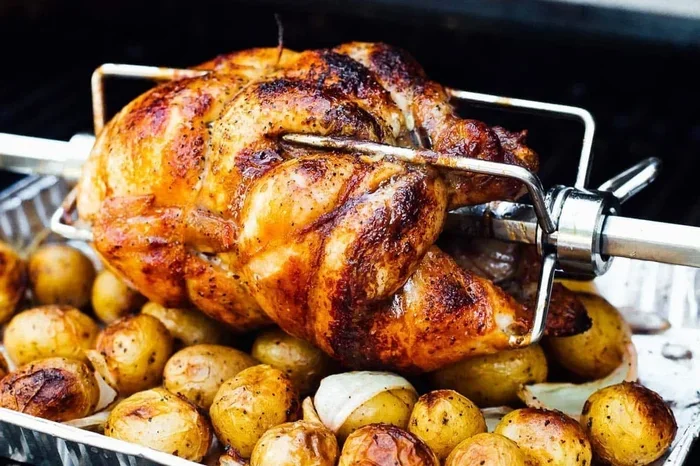
The Best Rotisserie Oven for Perfectly Roasted Meals
A rotisserie oven transforms your cooking by delivering evenly roasted, juicy meals with minimal effort. Whether you love roast chicken, tender ribs, or roasted vegetables, a rotisserie oven makes it simple and consistent. This guide covers the best models, key features, pro tips, and easy recipes to get started right away.
A rotisserie oven is one of the most exciting kitchen appliances you can own. It spins your food slowly while cooking it, which means every side gets equal heat. The result? Juicy roast chicken with crispy skin, tender ribs that fall off the bone, and vegetables with perfect caramelization.
If you have ever wondered why some meals taste restaurant-quality at home, a rotisserie oven is the secret. It takes the guesswork out of roasting. You set the temperature, let the motor do its job, and walk away. The rotation ensures that juices spread evenly through the meat, keeping it moist and flavorful.
In this guide, we will walk you through everything you need to know about rotisserie ovens. We will cover what to look for when buying one, the best models on the market, how to use them, and easy recipes you can try tonight. By the end, you will feel confident enough to roast your first meal like a pro.
Key Takeaways
- Even Cooking: A rotisserie oven rotates food for uniform browning and moisture retention.
- Versatile Cooking: You can roast chicken, ribs, vegetables, and more with one appliance.
- Budget-Friendly Options Exist: Great rotisserie ovens are available at every price point.
- Easy to Use: Most models come with simple controls and clear instructions for beginners.
- Low Maintenance: Regular cleaning and proper storage keep your oven running smoothly for years.
- Healthier Meals: Rotisserie cooking allows fat to drip away, resulting in leaner dishes.
📑 Table of Contents
- What Is a Rotisserie Oven and Why Do You Need One?
- Top Features to Look For in a Rotisserie Oven
- Best Rotisserie Ovens for Every Budget
- How to Use a Rotisserie Oven Like a Pro
- Rotisserie Oven Recipes You Will Love
- Rotisserie Oven Maintenance and Care Tips
- Common Mistakes to Avoid When Using a Rotisserie Oven
- Frequently Asked Questions
- Conclusion
What Is a Rotisserie Oven and Why Do You Need One?
A rotisserie oven is a cooking appliance that uses a rotating spit to cook food evenly. The food sits on a rod or skewer that turns slowly over a heat source. This method has been used for centuries, but modern versions make it easier than ever to achieve perfect results at home.
Unlike a standard oven where heat comes from one or two directions, a rotisserie oven surrounds the food with consistent warmth. The spinning action also lets fat drip away from the meat, which means healthier and more flavorful meals. You get crispy skin on chicken, golden-brown roasts, and perfectly cooked vegetables without much work.
How Rotisserie Cooking Works
The basic idea is simple. A motor turns a spit rod at a slow, steady pace. Heat surrounds the food from all sides. This even exposure to heat is what makes rotisserie cooking so effective. The food self-bastes as it rotates, which keeps it juicy inside and crispy outside.
Most rotisserie ovens come with a drip tray below the food. This catches excess fat and makes cleanup a breeze. Some models also include a convection fan, which further improves heat distribution. The combination of rotation and airflow is what sets a rotisserie oven apart from a regular oven.
Benefits of Using a Rotisserie Oven
- Even Cooking: Every part of the food gets the same amount of heat.
- Juicier Results: The rotation helps retain moisture inside the meat.
- Crispy Skin: Chicken and pork develop a beautiful golden crust.
- Hands-Off Cooking: You can set it and focus on other tasks.
- Healthier Meals: Fat drips away during cooking, reducing grease content.
- Versatile Use: Roast chicken, ribs, vegetables, bread, and more.
Many home cooks who start using a rotisserie oven quickly realize they cannot go back to traditional roasting methods. The consistency and flavor are simply better.
Top Features to Look For in a Rotisserie Oven
Not all rotisserie ovens are created equal. Before you buy one, it helps to know which features matter most. Here is what you should keep in mind when shopping.
Motor Power and Rotation Speed
The motor is the heart of any rotisserie oven. A strong motor ensures steady rotation, even with heavy cuts of meat. Look for a motor with at least 10 watts of power for reliable performance. Most models offer adjustable speed settings, which let you control how fast the food rotates.
For lighter items like vegetables or smaller cuts, a slower speed works well. For larger roasts like whole chicken or pork loin, a steady medium speed is ideal. The best rotisserie ovens give you full control over rotation speed.
Capacity and Size
Think about how much food you typically cook. A rotisserie oven with a larger capacity lets you roast whole chickens, large roasts, or multiple items at once. If you have a small kitchen, a compact countertop model might be the better choice.
Here is a quick comparison of common sizes:
- Small (8-10 quart): Perfect for singles or couples. Great for chicken breasts and small roasts.
- Medium (12-16 quart): Ideal for families. Fits whole chickens and medium-sized roasts easily.
- Large (18+ quart): Best for entertaining. Can handle multiple dishes at once.
Temperature Range and Controls
A good rotisserie oven should offer a wide temperature range. Look for models that go from at least 150°F to 450°F. This range covers everything from slow roasting to high-heat browning. Digital controls make it easy to set and maintain your desired temperature precisely.
Ease of Cleaning
Cleanup matters more than most people admit. The best rotisserie ovens have removable parts that are dishwasher safe. A non-stick interior also helps prevent food from sticking. A removable drip tray is another must-have feature for quick and easy cleanup.
Safety Features
Look for models with automatic shut-off, cool-touch handles, and stable feet. These features keep your kitchen safe while you enjoy the cooking process. A rotisserie oven with a clear viewing window lets you check on your food without opening the door.
Best Rotisserie Ovens for Every Budget
Finding the right rotisserie oven depends on your budget and cooking needs. Below are some top picks that cover different price ranges.
Budget-Friendly Pick: The Compact Rotisserie Oven
If you are new to rotisserie cooking, a compact model is a great starting point. These ovens are affordable, lightweight, and easy to store. They work well for smaller meals like chicken breasts, pork chops, and roasted vegetables.
Many budget rotisserie ovens come with all the essential accessories, including a spit rod, forks, and a drip tray. While they may lack advanced features like digital controls or large capacity, they deliver solid results for the price.
Mid-Range Pick: The Multi-Function Rotisserie Oven
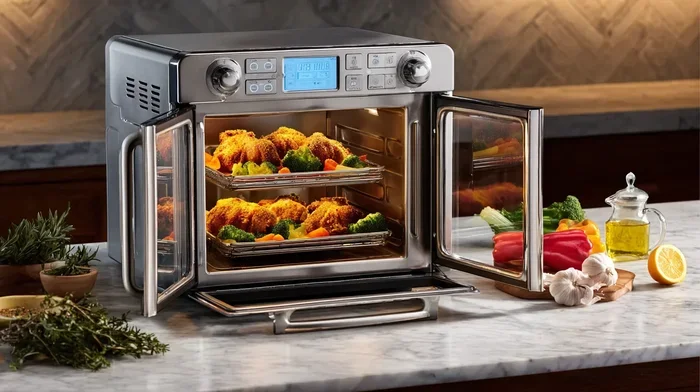
Mid-range models offer more features and larger capacity. They often include convection fans, multiple cooking modes, and digital temperature displays. These rotisserie ovens handle whole chickens, roasts, and even baking with ease.
This price range is perfect for families or anyone who cooks regularly. You get better build quality, more accessories, and more consistent results. Many users find that a mid-range rotisserie oven hits the sweet spot between price and performance.
Premium Pick: The High-Capacity Commercial-Style Rotisserie Oven
For serious home cooks or small gatherings, a premium rotisserie oven is worth the investment. These models offer large capacities, powerful motors, and precise temperature control. Some even come with multiple rotisserie rods, allowing you to cook several items at once.
Premium ovens often feature stainless steel construction, which ensures durability and easy cleaning. They also tend to have advanced safety features and longer warranties. If you use your rotisserie oven frequently, a premium model will last for years.
How to Use a Rotisserie Oven Like a Pro
Using a rotisserie oven is easier than you might think. Once you understand the basics, you can roast almost anything with confidence. Here is a step-by-step guide to get you started.
Step 1: Prep Your Food
Start by seasoning your meat or vegetables generously. A simple mix of olive oil, salt, pepper, garlic, and herbs works wonders. For chicken, make sure to pat the skin dry first. This helps achieve crispy skin during rotisserie cooking.
If you are roasting ribs, consider marinating them overnight for deeper flavor. You can also finish ribs in the oven after smoking for that perfect balance of smoky and crispy flavor.
Step 2: Secure the Food on the Spit Rod
Slide the food onto the spit rod and secure it with the provided forks or skewers. Make sure the food is balanced and centered. An unbalanced load can cause uneven cooking and put extra strain on the motor.
For whole chicken, tuck the wings and tie the legs together. This helps the bird rotate smoothly and cook evenly. Proper securing is one of the most important steps in rotisserie oven cooking.
Step 3: Set the Temperature and Time
Place the spit rod into the oven and close the door. Set your desired temperature based on what you are cooking. A whole chicken typically roasts at 375°F to 400°F. Roasts like pork loin or beef work well at 325°F to 350°F.
Set a timer based on the weight of your food. Most rotisserie oven recipes provide clear time guidelines. Use a meat thermometer to check for doneness. This is the best way to ensure your food is cooked safely and perfectly.
Step 4: Let It Cook and Enjoy
Once everything is set, let the oven do its work. Resist the urge to open the door too often, as this releases heat and affects cooking time. Most rotisserie ovens have a viewing window so you can check on progress without opening the door.
When the timer goes off, carefully remove the spit rod. Let the meat rest for 10-15 minutes before slicing. This allows the juices to redistribute, resulting in a more tender and flavorful dish.
Quick Tips for Perfect Rotisserie Cooking
- Always preheat your rotisserie oven before adding food.
- Baste your meat every 30 minutes for extra moisture and flavor.
- Use a meat thermometer to avoid overcooking or undercooking.
- Balance the food on the spit rod to prevent wobbling.
- Let meat rest after cooking for juicier results.
Rotisserie Oven Recipes You Will Love
One of the best things about a rotisserie oven is the variety of meals you can create. Here are some simple and delicious recipes to try.
Classic Rotisserie Chicken
Rub a whole chicken with olive oil, garlic, paprika, salt, and pepper. Secure it on the spit rod and roast at 375°F for about 90 minutes. The rotisserie cooking method gives you crispy skin and juicy meat every single time. Serve with roasted vegetables for a complete meal.
Herb-Crusted Pork Loin Roast
Coat a pork loin with a mixture of rosemary, thyme, garlic, and breadcrumbs. Roast at 350°F for approximately 60-75 minutes. The slow rotation creates an even herb crust on every side. Slice and serve with mashed potatoes and green beans.
Rotisserie Roasted Vegetables
Toss chunks of bell peppers, zucchini, onions, and cherry tomatoes with olive oil and seasoning. Thread them onto skewers and roast at 400°F for 20-25 minutes. The vegetables develop a wonderful smoky flavor and slight char. This is a healthy and colorful side dish that pairs with almost any main course.
For a fun twist, you can even roast pumpkin seeds in the rotisserie oven for a crunchy snack. Check out our guide on how long to roast pumpkin seeds in the oven for perfect timing and temperature.
BBQ Chicken Kebabs
Marinate chicken chunks in your favorite BBQ sauce and thread them onto metal skewers. Place them in the rotisserie oven and roast at 375°F for about 25-30 minutes. The rotation ensures every piece gets beautifully charred and fully cooked. Serve with rice or a fresh salad for a quick weeknight dinner.
If you want to explore more oven-based chicken recipes, our article on how long do chicken kebabs take in the oven offers great timing tips and flavor ideas.
Rotisserie Oven Maintenance and Care Tips
Taking care of your rotisserie oven ensures it lasts for many years and continues to deliver great results. Here are some simple maintenance tips every owner should follow.
Clean After Every Use
Wait for the oven to cool down before cleaning. Remove the spit rod, forks, and drip tray. Wash these parts with warm soapy water or place them in the dishwasher if they are dishwasher safe. Wipe down the interior with a damp cloth to remove any grease or food residue.
Deep Clean Monthly
Once a month, give your rotisserie oven a thorough deep clean. Remove any stubborn grease buildup with a baking soda paste. Clean the heating elements gently with a soft brush. Check the motor and spinning mechanism for any debris or buildup.
Store Properly
When not in use, store your rotisserie oven in a cool, dry place. Keep all accessories together in a designated drawer or cabinet. Cover the oven with a protective cover to prevent dust accumulation. Proper storage helps maintain the appliance’s performance and appearance.
Check for Wear and Tear
Regularly inspect the spit rod, motor, and electrical cord for signs of damage. Replace any worn parts immediately to avoid safety hazards. A well-maintained rotisserie oven performs better and lasts longer than one that is neglected.
Common Mistakes to Avoid When Using a Rotisserie Oven
Even experienced cooks can make mistakes with rotisserie cooking. Here are some common pitfalls and how to avoid them.
- Overloading the Spit Rod: Too much food puts stress on the motor and leads to uneven cooking. Keep the load balanced and within the recommended weight limit.
- Skipping Preheating: Starting with a cold oven affects cooking time and results. Always preheat your rotisserie oven before adding food.
- Opening the Door Too Often: Every time you open the door, heat escapes and cooking time increases. Use the viewing window to check on progress instead.
- Not Using a Meat Thermometer: Guessing doneness leads to overcooked or undercooked food. A simple thermometer takes the guesswork out of roasting.
- Ignoring the Drip Tray: A full drip tray can cause grease fires or messes. Empty and clean it regularly during long cooking sessions.
Avoiding these mistakes will help you get the best results from your rotisserie oven every time. With a little practice, you will roast like a professional chef without any stress.
Frequently Asked Questions
Can I use a rotisserie oven to cook frozen food?
Yes, you can cook frozen food in a rotisserie oven, but it is best to thaw it first for even cooking. If you must cook from frozen, increase the cooking time and use a meat thermometer to check for doneness. For frozen fries or other prepared items, you can refer to our guide on how to cook frozen fries in an air fryer oven for helpful tips that also apply to rotisserie cooking.
Is a rotisserie oven the same as a convection oven?
Not exactly. A rotisserie oven uses a rotating spit to cook food, while a convection oven uses a fan to circulate hot air. Some modern ovens combine both features, offering rotation and convection for even better results. However, a dedicated rotisserie oven provides the unique benefit of self-basting through rotation.
What types of food can I cook in a rotisserie oven?
The options are nearly endless. You can roast whole chicken, pork loin, beef roasts, lamb, ribs, kebabs, sausages, vegetables, bread, and even fruit. The rotation makes every type of food cook evenly and develop a beautiful golden crust. It is one of the most versatile kitchen appliances you can own.
How long does it take to roast a whole chicken in a rotisserie oven?
A whole chicken typically takes about 90 minutes at 375°F to 400°F in a rotisserie oven. The exact time depends on the size of the bird and your specific oven model. Always use a meat thermometer to confirm the internal temperature reaches 165°F in the thickest part of the thigh.
Is rotisserie cooking healthier than other roasting methods?
Yes, rotisserie cooking is generally healthier because the rotation allows fat to drip away from the food during cooking. This results in leaner meals with less grease compared to traditional roasting methods. Combined with minimal added oil, rotisserie oven meals can be a great choice for health-conscious cooks.
How do I choose the right size rotisserie oven for my household?
Consider how many people you typically cook for. A single person or couple does well with a compact 8-10 quart model. Families of four or more benefit from a 12-16 quart oven. If you entertain frequently or cook large meals, go for an 18+ quart capacity. Choosing the right size ensures you have enough space for every meal without wasting energy.
Conclusion
A rotisserie oven is a game-changer for any home cook. It delivers perfectly roasted meals with minimal effort and maximum flavor. From crispy roast chicken to tender ribs and colorful roasted vegetables, the possibilities are endless. With the right model and a few simple techniques, you can create restaurant-quality dishes in your own kitchen every single day.
Remember to choose a rotisserie oven that fits your budget, kitchen space, and cooking needs. Focus on the key features that matter most, and do not be afraid to experiment with new recipes. The more you use your rotisserie oven, the more confident and creative you will become.
Start your rotisserie cooking journey today. Pick a recipe, fire up your oven, and enjoy the incredible aroma and flavor of perfectly roasted food. Your taste buds will thank you, and your kitchen will become the favorite place in the house.