What Temperature To Bake A Pizza In The Oven At Home
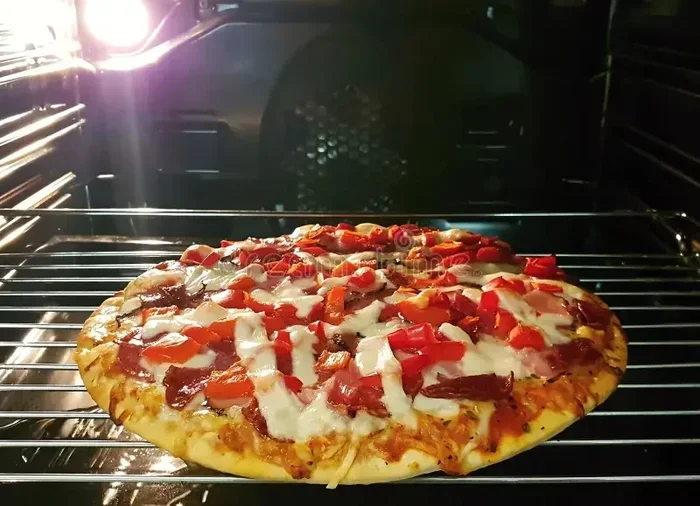
Baking pizza at the right temperature is the single most important factor in achieving a crispy crust and perfectly melted cheese. The ideal what temperature to bake a pizza in the oven ranges from 450°F to 500°F for most home ovens, with some styles requiring even higher heat. Whether you are making thin crust, thick dough, or frozen pizza, understanding your oven settings makes all the difference. This guide covers everything you need to know about pizza oven temperature for flawless homemade results every time.
There is nothing quite like pulling a homemade oven-baked pizza out of your oven and seeing that golden, bubbly cheese and perfectly crisp crust. But here is the thing that trips up so many home cooks: the temperature you use makes or breaks your pizza. Too low and you end up with a soggy, floppy disc. Too high and the cheese burns before the dough cooks through.
If you have ever wondered what temperature to bake a pizza in the oven, you are not alone. This is one of the most searched questions in the kitchen world. And the answer is not as simple as one number. Different pizza styles, different dough types, and even different ovens all play a role. But do not worry. By the end of this guide, you will know exactly how to set your oven for perfect pizza every single time.
Baking homemade pizza at home is a joy. It is fun, it is customizable, and it brings people together. But getting that professional-quality result requires a little know-how. The good news is that once you understand the basics of pizza oven temperature and pizza baking temperature, the rest becomes second nature. You will never look at a frozen pizza or a takeout box the same way again.
Key Takeaways
- The Sweet Spot: Most homemade pizza bakes best between 450°F and 500°F for a crispy crust and bubbly cheese.
- Style Matters: Thin crust needs higher heat, while thick crust and deep dish do well at slightly lower temperatures.
- Preheat Is Non-Negotiable: Always preheat your oven for at least 30 minutes to reach the right pizza baking temperature.
- Use A Pizza Stone: A pizza stone or steel mimics a professional oven floor and dramatically improves crust quality.
- Rack Position Counts: Place your pizza on the lower-middle rack for even cooking and a crispy bottom.
- Avoid Common Mistakes: Do not skip preheating, overload toppings, or open the oven door too frequently.
📑 Table of Contents
- The Best Temperature To Bake A Pizza In The Oven At Home
- How Different Pizza Styles Need Different Heat Levels
- Where To Place Your Pizza In The Oven
- Using A Pizza Stone Or Baking Sheet For Better Results
- Common Mistakes That Ruin Your Homemade Pizza
- Quick Tips For Perfect Pizza Every Time
- The Role Of Dough Thickness And Temperature
- Conclusion
The Best Temperature To Bake A Pizza In The Oven At Home
So, what is the magic number? For most home bakers, the answer is 450°F to 500°F. This range works beautifully for the vast majority of pizza styles. It is hot enough to crisp the bottom of the crust, melt the cheese evenly, and cook the toppings without drying them out.
But let us dig deeper. The exact pizza oven temperature you need depends on several factors. Your oven type matters. The thickness of your dough matters. Even the toppings you choose can influence the ideal heat level.
Ideal Oven Temperature For Thin Crust Pizza
If you love a thin, crispy Neapolitan-style pizza, you want to crank your oven as high as it goes. Most home ovens max out at 500°F or 550°F. That is actually great news because authentic Neapolitan pizza is traditionally baked at temperatures exceeding 800°F in a wood-fired oven. While your home oven cannot match that, pushing it to the upper limit gets you closer to that charred, blistered crust that makes thin pizza so irresistible.
Aim for 475°F to 500°F when making thin crust. Bake for about 8 to 12 minutes. Watch it closely after the 8-minute mark. Thin dough can go from perfectly golden to overcooked in a matter of minutes.
Best Temperature For Thick Crust And Deep Dish
Thicker crusts and deep dish pizzas need a slightly different approach. Because the dough is thicker, it requires more time to cook through. Baking at 425°F to 450°F gives the center time to set without burning the edges or top.
Chicago-style deep dish is a perfect example. The thick, buttery crust needs gentler, longer heat. A temperature of 425°F for 25 to 30 minutes works well. This allows the cheese to melt fully and the sauce to simmer into the toppings without scorching the crust.
What Temperature For Frozen Pizza
Frozen pizzas are a different beast entirely. Most frozen pizza brands include instructions on the box, and you should follow them. However, a common frozen pizza baking temperature is 400°F to 425°F. The pre-made crust is already formulated to bake at these lower temperatures.
If you want to improve your frozen pizza results, try increasing the temperature by 25°F and reducing the bake time slightly. This can give you a crispier crust. Just keep an eye on it to prevent burning.
How Different Pizza Styles Need Different Heat Levels
Not all pizza is created equal, and neither are oven temperatures. The style of pizza you are making directly influences the best temperature for pizza in your home oven. Let us break down the most popular styles so you can dial in your settings with confidence.
Neapolitan-Style Pizza Temperature
Neapolitan pizza is all about speed and extreme heat. The dough is paper-thin and barely topped, which means it bakes in just a few minutes at very high temperatures. In a professional wood-fired pizza oven, the temperature reaches 800°F to 900°F. Your home oven simply cannot do that, but you can get close.
Set your oven to the highest setting, usually 500°F to 550°F. Use a pizza stone or steel to absorb and radiate heat. The result will be a slightly charred, chewy crust with a soft, pillowy interior. This style of pizza dough baking rewards high heat and short bake times.
New York-Style Pizza Baking Temperature
New York-style pizza features a foldable, large thin crust with a slightly chewy texture. The pizza baking temperature for this style falls in the 450°F to 500°F range. The crust is thicker than Neapolitan but thinner than most American styles.
Bake for 10 to 15 minutes at this temperature. The longer bake time compared to Neapolitan allows the crust to develop that signature crispness on the bottom while staying pliable enough to fold in half. This is the classic pizza oven settings that delis and pizzerias have used for decades.
Chicago Deep Dish Oven Temperature
Chicago deep dish is the heavyweight champion of pizza styles. The thick, pie-like crust needs lower and slower heat. Set your oven to 425°F and plan for a bake time of 25 to 35 minutes.
The filling is layered differently here. Cheese goes on the bottom, then toppings, then sauce on top. This inverted structure means the pizza needs time for the cheese to melt and the sauce to cook without the crust becoming soggy. Pizza oven rack position matters here too, as we will discuss shortly.
Sicilian and Pan Pizza Temperature
Sicilian and pan pizzas have a thick, airy crust that is baked in a deep pan. These styles thrive at 425°F to 450°F. The pan helps conduct heat evenly around the edges, creating that signature crispy, golden rim.
Bake for 20 to 25 minutes. The crust should be golden brown on top and the cheese should be fully melted and slightly browned at the edges. Let the pizza cool in the pan for a few minutes before slicing. This helps the structure hold together.
Comparison Table: Pizza Styles and Ideal Temperatures
| Pizza Style | Oven Temperature | Bake Time | Crust Character |
|---|---|---|---|
| Neapolitan (Thin) | 500°F – 550°F | 8 – 12 min | Charred, chewy, soft center |
| New York-Style (Thin) | 450°F – 500°F | 10 – 15 min | Crispy bottom, foldable |
| Chicago Deep Dish | 425°F | 25 – 35 min | Thick, buttery, golden |
| Sicilian / Pan Pizza | 425°F – 450°F | 20 – 25 min | Thick, airy, crispy edges |
| Frozen Pizza | 400°F – 425°F | 12 – 18 min | Pre-made, varies by brand |
| Thick Hand-Tossed | 450°F – 475°F | 12 – 18 min | Evenly golden, sturdy |
Where To Place Your Pizza In The Oven
Temperature is only half the battle. Where you place your pizza inside the oven matters just as much. The pizza oven rack position affects how the bottom crust cooks and how evenly the toppings heat up. This is something many home bakers overlook, but it can be the difference between a great pizza and a mediocre one.
Upper Rack Vs Lower Rack Position
The upper rack exposes your pizza more to the top heating element. This is great for browning cheese quickly. But it can leave the bottom crust pale and soft if the lower heat is not strong enough.
The lower rack puts your pizza closer to the bottom heating element. This is ideal for crisping the bottom of the crust. However, you risk burning the cheese or toppings if the rack is too low.
The best position for most pizza is the lower-middle rack. This gives you balanced heat from above and below. The crust gets direct heat from the bottom while the toppings and cheese receive indirect heat from above.
Pizza Oven Rack Position For Crispy Bottom
If your biggest struggle is a soggy or undercooked bottom crust, try moving the rack one notch lower. Placing the pizza closer to the bottom heating element delivers more direct heat to the base. This is especially helpful when using a pizza baking sheet instead of a pizza stone.
For pizza stones and pizza steels, the lower-middle rack is almost always the sweet spot. These tools store heat and radiate it upward, so you do not need to place the pizza at the very bottom of the oven.
Expert Insight: Professional pizza makers often rotate their pizzas halfway through the bake. Home ovens have hot spots, and a simple 180-degree turn ensures even cooking on all sides. This small habit can dramatically improve your homemade pizza results.
Using A Pizza Stone Or Baking Sheet For Better Results
If you are serious about making great pizza at home, investing in a pizza stone or pizza steel is one of the best decisions you can make. These tools absorb heat and transfer it directly to the dough, mimicking the effect of a professional pizza oven floor.
Benefits Of Using A Pizza Stone
A pizza stone is made from porous ceramic or cordierite material. When you preheat it in the oven for at least 30 minutes, it stores a tremendous amount of heat. The moment your dough hits the stone, the bottom of the crust begins to crisp immediately. This is the secret behind that authentic crispy pizza crust that tastes like it came from a pizzeria.
Key benefits include:
- Absorbs moisture from the dough, preventing a soggy bottom.
- Distributes heat evenly across the entire surface of the crust.
- Creates a crispy exterior while keeping the inside soft and airy.
- Can be used at high temperatures up to 550°F or higher.
Baking Sheet Vs Pizza Stone Comparison
Not everyone owns a pizza stone. A standard baking sheet or sheet pan can work in a pinch. But the results are noticeably different.
| Feature | Pizza Stone | Baking Sheet |
|---|---|---|
| Crispiness | Excellent, crispy bottom | Good, but softer bottom |
| Heat Retention | High, stays hot for minutes | Low, cools quickly |
| Moisture Control | Absorbs excess moisture | Traps moisture underneath |
| Preheat Time | 30 – 45 minutes | 10 – 15 minutes |
| Portability | Heavy, fragile | Lightweight, durable |
| Price | Moderate to high | Very affordable |
If you use a baking sheet, try preheating it in the oven before placing the pizza on it. This small trick adds a surprising amount of crispiness. You can also poke holes in the sheet with a fork to allow steam to escape from the bottom of the crust.
Quick Tips: Place your pizza stone or steel on the middle or lower-middle rack during preheating. Never place cold dough directly on a hot stone, as the thermal shock can crack it. Use a pizza peel or floured baking sheet to transfer the dough safely.
Common Mistakes That Ruin Your Homemade Pizza
Even experienced home bakers make mistakes when it comes to bake pizza in oven techniques. These errors are easy to avoid once you know what they are. Here are the most common pitfalls and how to fix them.
Opening The Oven Door Too Often
Every time you open the oven door, you lose a significant amount of heat. The temperature can drop by 25°F to 50°F in just a few seconds. This is especially damaging during the first few minutes of baking when the crust needs consistent, intense heat to set properly.
Resist the urge to peek. Use the oven light and the window to check on your pizza. If you need to rotate it for even cooking, do it quickly and close the door immediately. This one habit alone can transform your pizza crust temperature results.
Not Preheating The Oven Enough
Preheating is not optional when it comes to homemade pizza. Your oven needs time to reach the target pizza oven temperature before the dough goes in. Most ovens need 20 to 30 minutes to fully preheat, especially if you are aiming for temperatures above 450°F.
If you put your pizza in a cold or lukewarm oven, the dough will steam instead of bake. The result is a pale, soft, and sometimes gummy crust. Always wait for your oven to signal that it has reached the set temperature before loading the pizza.
Overloading Your Pizza With Toppings
It is tempting to pile on the toppings. But too many toppings create problems. Excess moisture from vegetables, meats, and sauces steams the crust from above and below, leading to a soggy middle. The pizza cheese melting process also takes longer with heavy toppings, which means you may need to adjust your bake time.
Less is more when it comes to pizza toppings. A thin, even layer of sauce, a moderate amount of cheese, and a few well-placed toppings will give you a much better result than an overloaded pizza. Let the dough breathe and cook evenly.
Using Cold Dough Straight From The Fridge
Cold dough does not stretch well and bakes unevenly. Take your pizza dough out of the refrigerator at least 30 minutes before you plan to bake. Let it come to room temperature. This allows the gluten to relax and the dough to become more pliable. The result is a smoother stretch and a more even bake.
Common Mistakes: Skipping the preheat, using a cold baking surface, overloading toppings, opening the oven too often, and not letting the dough reach room temperature. Avoid these five mistakes and your bake pizza in oven results will improve dramatically.
Quick Tips For Perfect Pizza Every Time
Now that you understand the science behind what temperature to bake a pizza in the oven, let us put it all together with some actionable tips you can use right away.
Quick Tip: Preheat For At Least 30 Minutes
This cannot be stressed enough. A fully preheated oven ensures that the pizza oven settings are accurate and stable. Place your pizza stone or baking sheet inside during preheating so it absorbs heat too. The extra 10 to 15 minutes of preheating makes a noticeable difference in crust quality.
Quick Tip: Use The Broiler For Extra Crispiness
For an extra boost of browning on top, switch your oven to the broil setting for the last 1 to 2 minutes of baking. Keep a close eye on it. The broiler is intense and can go from perfectly golden to burnt in seconds. This technique works wonders for achieving a crispy pizza crust with beautifully charred cheese.
Quick Tip: Brush The Crust With Olive Oil
Before adding your sauce and toppings, brush the exposed edges of the dough with a thin layer of olive oil. This adds flavor, promotes browning, and creates a moisture barrier that helps keep the crust crispy. It is a simple step that elevates your homemade pizza recipe instantly.
Quick Tip: Invest In An Oven Thermometer
Many home ovens are inaccurate. The temperature dial might read 500°F, but the actual internal temperature could be 470°F or 530°F. An inexpensive oven thermometer takes the guesswork out of pizza oven temperature control. Place it inside your oven and use it as your reference point for all baking.
Expert Insights: Professional pizzaiolos always emphasize the importance of dough hydration and oven spring. When your dough hits a hot stone or steel, the moisture in the dough creates steam, which puffs up the edges and creates those beautiful air pockets. This is called oven spring, and it only happens when the oven and the baking surface are properly preheated. Do not rush this process if you want the best pizza dough baking results.
The Role Of Dough Thickness And Temperature
The thickness of your pizza dough is directly connected to the pizza bake time and oven temperature. Thinner dough needs higher heat and shorter bake times because the heat penetrates quickly. Thicker dough needs lower heat and longer bake times to ensure the center cooks through without burning the exterior.
When you roll out your dough, aim for consistency. Uneven thickness creates uneven baking. Thick spots stay doughy while thin spots burn. Use a rolling pin or your hands to create an even base, then adjust your oven temperature and bake time accordingly.
For pizza crust temperature specifically, remember that the bottom of the crust needs the most direct heat. This is why the lower-middle rack and a preheated pizza stone are so effective. They deliver concentrated heat right where it is needed most.
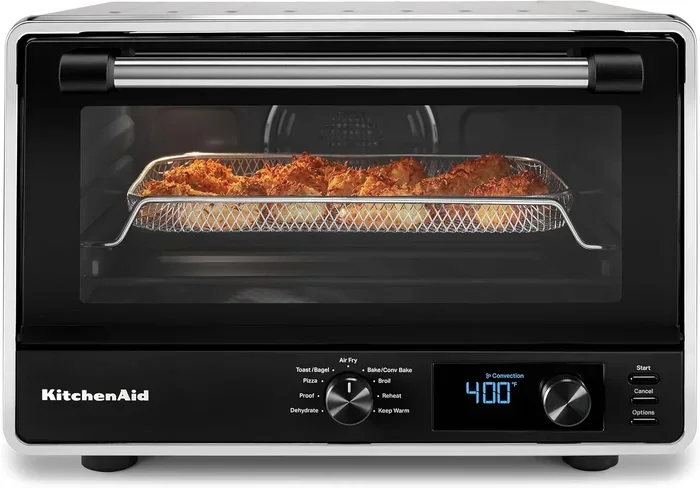
If you are using a convection oven, reduce the recommended temperature by about 25°F. Convection ovens circulate hot air, which cooks food faster and more evenly. A pizza convection oven setting can give you excellent results with slightly shorter bake times. Just keep an eye on your pizza the first few times you use this method so you can fine-tune your settings.
Conclusion
Finding the right what temperature to bake a pizza in the oven does not have to be complicated. The key is understanding your oven, your dough, and the style of pizza you are making. For most homemade pizza, a temperature between 450°F and 500°F is the sweet spot. Thin crust styles push toward the higher end, while thick crusts and deep dish work better at slightly lower temperatures.
Remember to always preheat your oven for at least 30 minutes. Use a pizza stone or baking sheet for better crust quality. Pay attention to rack position and avoid the common mistakes that trip up so many home bakers. With these tips and a little practice, you will be making oven-baked pizza that rivals your favorite pizzeria.
The beauty of making pizza at home is that you control every variable. You choose the pizza dough baking temperature, the toppings, the cheese, and the crust thickness. Once you nail down your pizza oven temperature settings, you will never go back to frozen or delivery pizza again. So preheat that oven, stretch your dough, and get ready for a pizza night that your whole family will love.
Frequently Asked Questions
What is the best temperature to bake a pizza in the oven at home?
The best pizza oven temperature for most home baking is between 450°F and 500°F. This range works for thin crust, hand-tossed, and most standard pizza styles. For thicker crusts or deep dish, lower the temperature to 425°F and extend the bake time.
Can I bake pizza at 400°F?
Yes, you can bake pizza at 400°F. This temperature works well for thick crusts, pan pizzas, and frozen pizzas. The lower heat requires a longer bake time, usually 15 to 20 minutes, but it prevents the crust from burning while the center cooks through.
How long should I bake pizza at 450°F?
At 450°F, most pizzas bake in 10 to 15 minutes. Thin crust pizzas may be done in as little as 8 minutes, while thicker crusts may need the full 15 minutes. Watch the pizza closely and look for a golden brown crust and bubbly cheese to know when it is done.
Do I need a pizza stone to bake pizza at home?
A pizza stone is not strictly necessary, but it makes a huge difference. It absorbs moisture and radiates heat evenly, creating a much crispier crust. If you do not have a pizza stone, a preheated baking sheet can work as a substitute. The key is to preheat whatever surface you use for at least 20 minutes.
What temperature should I use for frozen pizza?
Most frozen pizzas bake best at 400°F to 425°F for 12 to 18 minutes. Always check the instructions on the box first, as different brands may have specific recommendations. For a crispier result, you can increase the temperature by 25°F and reduce the bake time slightly.
How can I get a crispy crust when baking pizza at home?
Use a preheated pizza stone or baking sheet, place the pizza on the lower-middle rack, and bake at the highest temperature your oven allows, typically 475°F to 500°F. Avoid overloading toppings and do not open the oven door during the first 5 to 7 minutes of baking. Brushing the crust edges with olive oil also helps promote crispiness.
=== CONCLUSION ===
Mastering what temperature to bake a pizza in the oven is the foundation of great homemade pizza. With the right pizza oven temperature, proper preheating, and a few simple techniques, you can create pizzas that taste amazing every single time. Whether you prefer a thin, crispy Neapolitan-style pie or a hearty Chicago deep dish, the principles remain the same. Set your oven correctly, use the right tools, and enjoy the process. Your kitchen will smell incredible, and your homemade pizza will be something to be proud of.