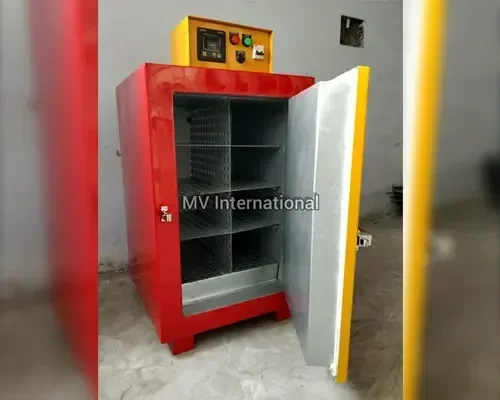
The Best Oven For Electrode Storage Which Meets Requirements
Choosing the right oven for electrode storage which meets requirements is essential for keeping welding electrodes dry and effective. A proper electrode drying oven protects your welding rods from moisture, maintains quality standards, and saves money in the long run. This guide covers everything you need to know about selecting, using, and maintaining the best electrode storage oven for your needs.
This is a comprehensive guide about Oven For Electrode Storage Which Meets Requirements.
Key Takeaways
- Correct temperature control is critical: A quality oven for electrode storage keeps a steady heat level to prevent electrode damage.
- Humidity management matters just as much: The best electrode drying oven controls both heat and moisture levels.
- Different oven types serve different needs: From small benchtop units to large industrial ovens, there is a fit for every workshop.
- Following storage standards prevents defects: Meeting electrode storage requirements reduces weld failures and rework costs.
- Regular maintenance extends oven life: Simple cleaning and inspection routines keep your electrode storage oven running smoothly.
- Low hydrogen electrodes need special care: These rods require stricter temperature and humidity controls than standard electrodes.
[FEATURED_IMAGE_PLACEHOLDER]
Welding is a skill that depends on many small details working together. One detail that often gets overlooked is how you store your welding electrodes. The way you keep your rods can make or break the quality of your welds. That is why finding the right oven for electrode storage which meets requirements is so important.
When electrodes absorb moisture from the air, they stop performing well. Moisture causes porosity, cracks, and weak joints. A dedicated electrode storage oven solves this problem by keeping your rods at the right temperature and humidity level. But not just any oven will do. You need one that truly meets the standards for safe and effective electrode preservation.
This article walks you through everything you need to know. We will cover what makes a great electrode storage oven, the different types available, and how to pick the best one for your setup. Whether you run a small fabrication shop or a large industrial operation, this guide has practical advice you can use right away.
What Is an Oven For Electrode Storage?
An oven for electrode storage is a specialized heating unit designed to hold welding electrodes at a controlled temperature. Unlike a regular kitchen oven or a generic heating box, this type of oven is built to meet specific industry standards. It keeps welding rods dry and ready for use at all times.
The basic idea is simple. Welding electrodes, especially low hydrogen types, are very sensitive to moisture. When they sit in damp conditions, they absorb water into their coating. That moisture then gets released during welding, creating tiny gas pockets inside the weld. These pockets weaken the joint and can lead to serious failures down the line.
A proper electrode drying oven prevents all of that. It maintains a steady warm temperature, usually between 100°F and 300°F depending on the electrode type. Some advanced models also control humidity levels. This dual control ensures your welding consumables stay in peak condition for as long as you need them.
How Does Electrode Moisture Control Work?
Electrode moisture control relies on gentle, consistent heat. The oven warms the air inside the chamber and circulates it evenly around the electrodes. This draws moisture out of the rod coating slowly and safely. Too much heat, on the other hand, can crack the coating or damage the core wire inside.
That is why temperature precision matters so much. A good electrode storage oven uses a thermostat with tight tolerances. It keeps the temperature within a few degrees of the target. Some models also include digital displays and programmable settings. These features make it easy to set and forget your desired storage conditions.
Why Proper Electrode Storage Matters
You might wonder why you cannot just keep your welding rods in a box on the shelf. The truth is, unprotected electrodes degrade fast. Even a few hours of exposure to humid air can compromise their performance. Here is why proper storage makes such a big difference.
First, moisture is the enemy of a good weld. When wet electrodes burn, the water turns to steam inside the weld pool. That steam creates voids and porosity. Your welds become porous, weak, and prone to cracking. In critical applications like structural steel or pressure vessels, this is simply not acceptable.
Second, proper storage saves you money. Electrodes that absorb moisture often need to be re-dried or thrown away entirely. That is wasted material and wasted money. A reliable welding electrode oven keeps your investment protected and your rods usable for much longer.
Third, many industry standards and codes require controlled electrode storage. Organizations like AWS (American Welding Society) set clear guidelines. If you are working on certified projects, you must follow these rules. Using an oven that meets the required standards is not optional. It is part of doing the job right.
Common Problems Caused by Poor Electrode Storage
- Weld porosity: Tiny holes in the weld bead caused by trapped gas from moisture.
- Cracking: Hydrogen-induced cracks that develop after welding, sometimes hours or days later.
- Spatter and arc instability: Wet electrodes cause an unstable arc, leading to messy welds.
- Reduced ductility: The weld metal becomes brittle and less able to handle stress.
- Rejection of welds: Failed inspections lead to costly rework and project delays.
Key Features of the Best Oven For Electrode Storage
Not all electrode storage ovens are created equal. The best ones share several important features that set them apart. When you are shopping for an oven, look for these qualities.
1. Accurate Temperature Control
The most important feature is precise temperature regulation. Your oven should hold the set temperature within a narrow range. Look for models with digital thermostats and PID controllers. These provide much better accuracy than basic mechanical thermostats. A steady temperature means your electrodes stay in the right condition without risk of overheating.
2. Even Heat Distribution
Hot spots are a real problem in cheap electrode ovens. Some areas get too hot while others stay too cool. This uneven heating can partially dry some rods while leaving others damp. The best ovens use fans or convection systems to circulate warm air evenly throughout the chamber. This ensures every rod gets the same treatment.
3. Humidity Management
While temperature gets most of the attention, humidity control is equally important. Some advanced ovens include built-in dehumidifiers or desiccant systems. These actively pull moisture out of the air inside the chamber. For low hydrogen electrodes, this feature is almost a must-have. It keeps the relative humidity below the recommended levels.
4. Adequate Chamber Size
Choose an oven that fits your electrode inventory comfortably. Overcrowding the chamber blocks airflow and leads to uneven drying. Underfilling wastes energy and space. A good rule of thumb is to pick an oven that holds about 150% of your daily electrode usage. This gives you room to rotate stock easily.
5. Safety Features
A quality oven for electrode storage which meets requirements includes safety protections. Look for overheat shutoff, insulated interiors, and sturdy door seals. These features protect your electrodes and keep your workers safe. A reliable safety system also prevents costly accidents and equipment damage.
Types of Ovens For Electrode Storage
There are several types of electrode storage ovens on the market. Each one suits different budgets, workshop sizes, and electrode volumes. Understanding the options helps you make a smart choice.
Benchtop Electrode Ovens
Benchtop ovens are compact units that sit on a workbench or table. They are perfect for small shops and hobbyist workshops. These ovens typically hold between 5 and 20 pounds of electrodes. They are affordable, easy to move, and simple to operate. If you only need to store a few rods at a time, a benchtop model is a great starting point.
Floor-Standing Industrial Ovens
For larger operations, floor-standing industrial ovens are the way to go. These units can hold hundreds of pounds of welding rods. They are built with heavy-duty construction and powerful heating elements. Many include multiple racks or shelves for organizing different electrode types. Industrial ovens also tend to have more advanced controls and better energy efficiency.
Portable Electrode Drying Ovens
Portable ovens are designed for fieldwork and construction sites. They run on standard generators or vehicle power. These ovens are lighter and more compact than stationary models but still provide reliable temperature control. If your team works on remote projects, a portable electrode drying oven is a practical investment.
Multi-Zone Electrode Storage Systems
Some advanced setups use multi-zone systems. These ovens have separate chambers or compartments, each set to a different temperature. This is useful when you store several types of electrodes that require different storage conditions. For example, low hydrogen rods need a different temperature than mild steel rods. A multi-zone system lets you store both in the same unit without mixing conditions.
Comparison Table: Types of Electrode Storage Ovens
| Type | Capacity | Best For | Price Range |
|---|---|---|---|
| Benchtop Oven | 5-20 lbs | Small shops, hobbyists | $150-$500 |
| Floor-Standing Oven | 50-500+ lbs | Industrial operations | $1,000-$5,000+ |
| Portable Oven | 5-30 lbs | Fieldwork, construction | $200-$800 |
| Multi-Zone System | 100-1,000+ lbs | Large multi-electrode operations | $2,000-$10,000+ |
How to Choose the Right Oven For Electrode Storage Which Meets Requirements
Selecting the right oven for electrode storage which meets requirements involves several important considerations. You need to think about your specific needs, your budget, and the standards you must follow. Here is a step-by-step approach to making the right choice.
Step 1: Know Your Electrode Types
Different electrodes need different storage conditions. Low hydrogen electrodes like E7018 and E7016 require temperatures around 250°F to 300°F. Mild steel electrodes may only need 150°F to 200°F. Cellulose-based electrodes have their own temperature ranges. Before buying an oven, make a list of the electrode types you use most often. This tells you what temperature range you need from your oven.
Step 2: Check Industry Standards
Several standards govern electrode storage. The AWS D1.1 structural welding code sets clear requirements. AWS A5.1 covers carbon steel electrodes. For low hydrogen electrodes, AWS A5.5 specifies strict storage conditions. Your oven must be able to meet these standards consistently. Look for ovens that are designed and tested to comply with these codes. This is especially important if you are working on certified welding projects.
Step 3: Consider Your Volume
Think about how many electrodes you go through in a typical week. A small shop that uses a few boxes per week does not need a massive industrial oven. A high-production facility that burns through dozens of boxes daily needs serious capacity. Match the oven size to your actual usage patterns. Buying too large wastes money. Buying too small creates storage problems.
Step 4: Evaluate Temperature Accuracy
Temperature accuracy is one of the most critical factors. An oven that fluctuates by 50 degrees or more is not reliable. Look for models with a temperature variance of plus or minus 10 degrees Fahrenheit or less. Digital controllers with alarm systems help you catch any deviations early. Some ovens also offer data logging, which is useful for quality audits and inspections.
Step 5: Think About Ease of Use
Your team members need to be able to use the oven easily and safely. A complicated control panel leads to mistakes. Choose an oven with a clear, simple interface. The door should open and close smoothly and seal tightly. Racks and shelves should be easy to adjust. When the oven is user-friendly, people are more likely to use it correctly every single time.
Step 6: Factor in Long-Term Costs
The purchase price is only part of the story. Think about energy consumption, maintenance needs, and durability. A cheaper oven might cost more in electricity over time. A well-built oven from a reputable brand may cost more upfront but save money in the long run. Consider warranty coverage and the availability of replacement parts. These factors all add up over the life of the equipment.
Maintenance Tips and Common Mistakes
Once you have your electrode storage oven, proper care keeps it running well for years. Maintenance is simple but essential. At the same time, there are common mistakes that many welders make. Knowing what to avoid saves time and protects your investment.
Quick Maintenance Tips for Your Electrode Storage Oven
- Clean the interior regularly: Wipe down the chamber walls and racks to remove any electrode dust or debris. Build-up can affect heat circulation.
- Check the door seal: Inspect the gasket around the door for cracks or gaps. A poor seal lets moisture in and heat out.
- Calibrate the thermostat: Use an independent thermometer to verify the oven’s reading. Recalibrate if the readings drift over time.
- Inspect heating elements: Look for signs of wear or damage on the heating elements. Replace them promptly if you notice any issues.
- Keep the ventilation clear: Make sure the air vents are not blocked by stored electrodes or other items.
- Follow the manufacturer’s schedule: Stick to the recommended maintenance intervals for your specific oven model.
Common Mistakes to Avoid
One of the biggest mistakes is using a regular household oven for electrode storage. Kitchen ovens are not designed for continuous low-temperature operation. They also lack the humidity control and even heat distribution that electrodes need. Another mistake is leaving the door open too often. Every time you open the door, you let in humid air and drop the temperature. Try to organize your electrode retrieval so the door stays closed as much as possible.
Overloading the oven is another common error. When you pack too many electrodes inside, airflow gets restricted. Some rods at the back may not get enough heat. This leads to uneven drying and potential quality issues. Finally, never skip the preheating step. If you bring cold electrodes into a warm oven, condensation can form on the rod surfaces. Let them come to room temperature first, or follow the manufacturer’s recommended ramp-up procedure.
Expert Insights on Electrode Storage Best Practices
Experienced welding professionals always emphasize consistency. The best results come from making electrode storage a routine part of your daily workflow. Every morning, check the oven temperature before starting work. At the end of each shift, make sure the oven is set correctly for overnight storage. These small habits add up to big improvements in weld quality over time.
Another expert tip is to label your oven shelves by electrode type. This prevents mix-ups and ensures each electrode sits at the correct temperature. It also makes it faster to find the rods you need during a busy workday. Keeping a simple log of oven temperatures and electrode batches can also help if you ever need to trace a quality issue back to its source.
Conclusion
Finding the best oven for electrode storage which meets requirements is one of the smartest investments you can make for your welding operation. The right oven protects your electrodes from moisture, keeps them in optimal condition, and helps you produce consistent, high-quality welds every time. From accurate temperature control to proper humidity management, the features discussed in this guide all work together to support better welding outcomes.
Remember that electrode storage is not just a box you put rods in. It is a critical part of your welding quality system. Whether you choose a benchtop model for a small shop or a large industrial unit for a busy fabrication facility, the key is to pick an oven that truly meets the standards you need. Take the time to evaluate your options carefully. Consider your electrode types, your volume, your budget, and the codes you must follow.
A well-chosen and well-maintained electrode storage oven pays for itself many times over. It reduces waste, prevents rework, and gives you confidence that every weld starts with properly stored electrodes. Put this knowledge to work in your shop, and you will see the difference in your weld quality from day one.
Frequently Asked Questions
What temperature should I set my oven for electrode storage?
The temperature depends on the type of electrode you are storing. Low hydrogen electrodes like E7018 typically need 250°F to 300°F. Mild steel electrodes usually require 150°F to 200°F. Always check the electrode manufacturer’s recommendations for the specific temperature range. Following these guidelines ensures your rods stay dry and ready for quality welding.
Can I use a regular oven for storing welding electrodes?
You should not use a regular household oven for electrode storage. Kitchen ovens are not designed for continuous low-temperature operation and lack proper humidity control. They also have uneven heat distribution that can damage electrodes. A dedicated electrode storage oven provides the precise temperature and airflow needed for proper moisture control and long-term storage.
How long can I store electrodes in an oven before they go bad?
When stored properly in a controlled oven, most electrodes remain usable for extended periods, often several months or more. However, low hydrogen electrodes have stricter time limits once removed from the oven. AWS standards typically recommend that these rods be returned to the oven within a few hours of exposure to open air. Always check the specific electrode manufacturer’s guidelines for storage duration limits.
What happens if electrodes get too hot in the oven?
Excessive heat can damage the electrode coating, causing it to crack, flake, or become brittle. A damaged coating leads to arc instability, excessive spatter, and poor weld quality. In some cases, overheated electrodes may need to be discarded entirely. This is why accurate temperature control is such an important feature in any oven for electrode storage which meets requirements.
Do I need a humidity-controlled oven for electrode storage?
For standard electrodes, a well-sealed oven with good temperature control may be sufficient. However, for low hydrogen and moisture-sensitive electrodes, humidity control is highly recommended. These rods are especially vulnerable to absorbing moisture from the air. An oven with a built-in dehumidifier or desiccant system provides an extra layer of protection and helps you meet strict welding quality standards.
How often should I maintain my electrode storage oven?
Basic maintenance should be performed weekly. This includes cleaning the interior, checking the door seal, and verifying the temperature accuracy. A more thorough inspection, including checking heating elements and calibration, should be done monthly or as recommended by the manufacturer. Following a regular maintenance schedule keeps your oven running reliably and extends its useful life significantly.
Frequently Asked Questions
What is Oven For Electrode Storage Which Meets Requirements?
Oven For Electrode Storage Which Meets Requirements is an important topic with many practical applications.