How Long To Cook A Yam In The Oven For Perfect Results
Baking a whole yam in the oven typically takes 45 to 60 minutes at 400°F, depending on the size of the yam and your desired texture. Smaller yam pieces cook faster at around 25 to 35 minutes, while larger whole yams may need up to 90 minutes. This guide covers everything you need to know about oven-baked yam timing, temperature, prep, and flavor tricks for perfect results every single time.
There is something deeply satisfying about pulling a perfectly baked yam out of the oven. The skin is slightly crisp, the inside is soft and creamy, and the whole kitchen smells like heaven. If you have been wondering exactly how long to cook a yam in the oven, you are in the right place. This guide walks you through every step, from choosing the right yam to pulling it out at the perfect moment.
Many people confuse yams with sweet potatoes. While they look similar, true yams have a different texture and flavor. They are starchier, drier, and often larger than sweet potatoes. Baking is one of the simplest and most rewarding ways to prepare them. Whether you are making a side dish for dinner or a healthy snack, oven-baked yam delivers incredible results with very little effort.
The good news is that you do not need to be a skilled cook to nail this. A basic oven, a few simple ingredients, and the right timing are all you need. Below, we break down the full process in easy-to-follow steps. You will learn the exact yam cooking time, the best oven temperature, preparation tips, and delicious seasoning ideas. By the end, you will feel confident enough to make baking yams a regular part of your kitchen routine.
Key Takeaways
- Standard bake time: A whole yam takes 45 to 60 minutes at 400°F to become tender and caramelized.
- Size matters: Larger yams need more time, while cut pieces cook much faster.
- Prep is key: Washing, poking holes, and oiling the skin helps the yam bake evenly.
- Temperature range: Most oven-baked yam recipes work best between 375°F and 425°F.
- Check for doneness: A fork should slide in easily when the yam is fully cooked.
- Seasoning boosts flavor: Simple additions like olive oil, salt, and cinnamon transform a basic yam bake.
- Avoid common mistakes: Skipping the poke test and overcrowding the pan are the top errors people make.
📑 Table of Contents
How Long To Cook A Yam In The Oven — The Basics
The short answer is that a whole medium-sized yam bakes in about 45 to 60 minutes at 400°F. But that is just the starting point. The actual time depends on several factors, including the size of the yam, whether you leave the skin on, and how soft you want the inside to be. Let us look at the details.
A small yam, around 4 to 5 inches long, may be done in as little as 35 to 40 minutes. A medium yam, which is the most common size found in grocery stores, typically needs 45 to 60 minutes. Large yams, sometimes over 10 inches long, can take 75 minutes or even up to 90 minutes to cook through completely.
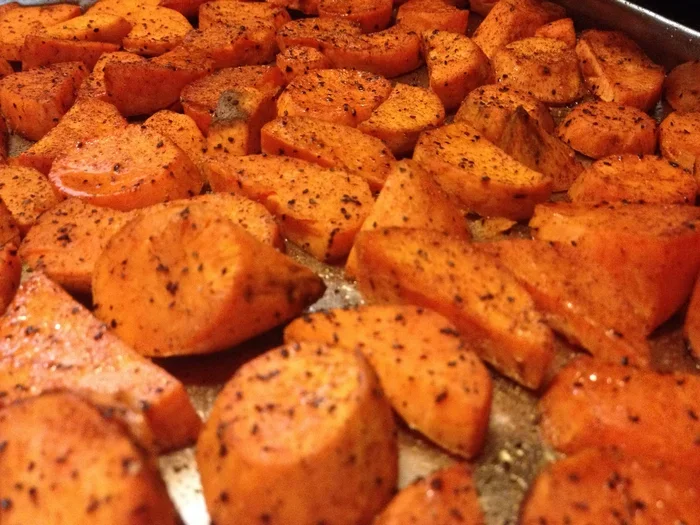
If you cut the yam into yam cubes or wedges, the cooking time drops significantly. Cubes usually take 20 to 25 minutes at 400°F, and wedges need about 25 to 35 minutes. The key is to make sure all the pieces are roughly the same size so they cook evenly.
Temperature also plays a big role in your yam bake. Lower temperatures around 350°F take longer but can produce a more uniform texture. Higher temperatures around 425°F speed things up and help caramelize the outer surface. Most home cooks find 400°F to be the sweet spot for balancing time and flavor.
Quick Oven Time Chart
- Whole small yam: 35 to 40 minutes at 400°F
- Whole medium yam: 45 to 60 minutes at 400°F
- Whole large yam: 75 to 90 minutes at 400°F
- Yam cubes: 20 to 25 minutes at 400°F
- Yam wedges: 25 to 35 minutes at 400°F
- Yam rounds (half-inch thick): 30 to 40 minutes at 400°F
Choosing the Right Yam for Oven Baking
Not all yams are created equal, and picking the right one makes a big difference in your final result. When you are shopping for baking yams, look for yams that are firm to the touch. They should feel heavy for their size, which means they are still fresh and full of moisture. Avoid any yams with soft spots, cracks, or visible bruises.
The skin of a good baking yam should be smooth and relatively clean. You do not need to find a perfectly pretty yam, but heavily scarred or dirty skin can make preparation harder. If you buy yams with the skin still on, plan to wash them thoroughly before baking. The skin actually helps protect the flesh during cooking and adds a nice textural contrast.
Size consistency matters too. If you are baking multiple yams at once, try to pick yams that are similar in size. This way, they will all finish cooking at the same time. Uneven sizes lead to some pieces being overcooked while others are still underdone.
True yams and sweet potatoes are often sold side by side in stores, and many people use the terms interchangeably. A true yam has rough, bark-like skin and white or purple flesh. Sweet potatoes tend to have thinner, smoother skin and orange or yellow flesh. Both can be baked in the oven, but true yams generally need a bit more cooking time because of their denser texture. Knowing the difference helps you set the right expectations for your yam cooking time.
What to Look For at the Store
- Firm texture with no soft or mushy areas
- Smooth, unbroken skin without deep cuts
- Heavy weight relative to size
- Consistent shape for even cooking
- No sprouts or green patches
Step-by-Step: How to Prepare Your Yam
Preparation is the most important part of any oven-baked yam. Taking a few extra minutes to prep properly saves you from uneven cooking or a disappointing texture. The good news is that prep is simple and does not require any special skills.
Step 1: Wash the Yam Thoroughly
Start by rinsing the yam under cool running water. Use a vegetable brush to scrub away any dirt from the skin. Even if you plan to peel the yam, washing it first removes bacteria and surface debris. Pat it dry with a clean towel before moving to the next step.
Step 2: Trim and Oil
Trim off any bruised or damaged ends of the yam. You do not need to peel the skin unless you prefer a completely smooth texture. Leaving the skin on adds fiber and helps the yam hold its shape during baking. Drizzle a small amount of olive oil over the entire surface and rub it in with your hands. This helps the skin crisp up and adds flavor.
Step 3: Poke Holes in the Skin
This step is easy to skip, but it really matters. Use a fork to poke several holes all around the yam. These holes allow steam to escape during cooking. Without them, the yam can build up pressure inside and potentially burst in your oven. It is a small step that prevents a big mess.
Step 4: Season Generously
Now comes the fun part. Sprinkle salt, pepper, and a little garlic powder over the oiled yam. You can also add smoked paprika, cumin, or any dried herbs you enjoy. For a sweeter take, a light drizzle of honey or maple syrup and a dash of cinnamon works beautifully. The seasoning goes directly on the skin, so every bite has flavor.
Step 5: Place on the Baking Sheet
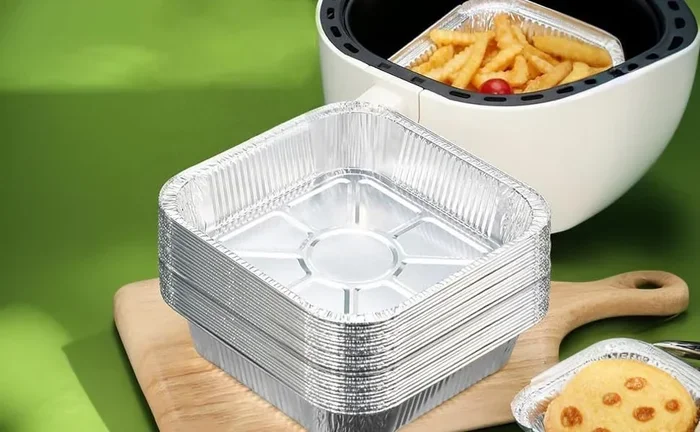
Line a baking sheet with parchment paper or aluminum foil for easy cleanup. Place the yam directly on the sheet. If you are baking multiple yams, give each one plenty of space. Air needs to circulate around the yam for even roasted yam results. Crowding the pan leads to steaming instead of baking, which makes the skin soggy.
Oven Temperature and Timing Guide
Getting the temperature right is essential for a great yam bake. Too low, and the yam takes forever to cook. Too high, and the outside burns before the inside is done. Most yam recipes call for a temperature between 375°F and 425°F, with 400°F being the most popular choice.
At 400°F, the yam cooks at a steady pace. The outside begins to caramelize and develop a slightly crispy skin, while the inside becomes soft and creamy. This temperature also allows the natural sugars in the yam to break down, creating a subtly sweet and rich flavor that is hard to beat.
If you are in a hurry, you can increase the heat to 425°F. This reduces the cooking time by about 10 to 15 minutes. The trade-off is that the skin may crisp up faster, so you need to keep an eye on it. If you prefer a more gentle, even cook, drop the temperature to 375°F and add about 15 extra minutes.
How to Adjust Time Based on Yam Size
- Under 5 inches long: Reduce time by 10 to 15 minutes
- 5 to 8 inches long: Use the standard 45 to 60 minute range
- Over 8 inches long: Add 15 to 30 minutes to the base time
- Cut into pieces: Reduce time to 20 to 35 minutes depending on size
Always start checking for doneness a few minutes before the estimated time. Every oven is slightly different, and the yam’s starting temperature also affects cooking speed. Taking the yam out a little early is better than overcooking it.
Converting Recipes for Different Oven Types
Convection ovens circulate hot air, which cooks food faster and more evenly. If you have a convection oven, reduce the temperature by 25°F and check the yam about 10 minutes earlier than the standard time. Traditional ovens work well too, but you may need to rotate the pan halfway through for even browning. A toaster oven can also bake a yam, but you will need to reduce the time by about 10 to 15 minutes due to the smaller interior space.
Flavor Variations and Seasoning Ideas
One of the best things about baking yams is how versatile they are. A plain baked yam is delicious on its own, but a little seasoning takes it to the next level. Here are some flavor combinations that work wonderfully.
Classic Savory
Keep it simple with olive oil, sea salt, black pepper, and a sprinkle of garlic powder. This is the go-to for many home cooks because it lets the natural flavor of the yam shine through. A squeeze of fresh lemon juice right after baking adds a bright, refreshing note.
Sweet and Warm
For a dessert-style roasted yam, brush the skin with melted butter and sprinkle with brown sugar, cinnamon, and a pinch of nutmeg. This version pairs beautifully with a dollop of Greek yogurt or a scoop of vanilla ice cream. It is a comforting treat that works especially well during cooler months.
Spicy and Bold
Mix smoked paprika, cayenne pepper, cumin, and a touch of chili powder with olive oil. Coat the yam generously before baking. The heat from the spices balances beautifully with the natural sweetness of the yam. Serve with a cooling yogurt dip on the side.
Herb-Forward
Fresh rosemary, thyme, and a little olive oil create an earthy, aromatic yam dish. Strip the leaves from the stems and chop them finely. Mix with oil and rub onto the yam before it goes in the oven. This style pairs perfectly with roasted meats and grilled vegetables.
Quick Tips for the Best Flavor
- Always oil the skin before seasoning so the spices stick
- Add a pinch of salt to the inside of the yam after cutting
- Let the baked yam rest for 5 minutes before slicing
- Fresh herbs added after baking give a brighter flavor
- A tiny drizzle of honey brings out the natural sweetness
Common Mistakes to Avoid
Even experienced cooks sometimes make mistakes when baking yams. Knowing what to avoid helps you get better results every time. Here are the most common errors and how to fix them.
Skipping the Poke Test
This is the number one mistake people make. Forgetting to poke holes in the yam skin traps steam inside. The yam can swell, split, or even burst in the oven. Not only does this make a mess, but it also affects how evenly the yam cooks. Always use a fork and poke at least 8 to 10 holes around the surface.
Cutting Pieces Too Different in Size
If you are making yam cubes or wedges, uniform size is critical. A large piece will still be raw when a small piece is already falling apart. Take the extra minute to cut everything evenly. Use a ruler or measuring guide if needed, especially for yam wedges that need to be the same thickness.
Overcrowding the Pan
It is tempting to fit as many yams as possible on one baking sheet. But overcrowding blocks airflow and causes the yams to steam rather than roast. Give each piece at least an inch of space. If you need to bake more yams, use a second sheet or work in batches.
Using the Wrong Temperature
Baking at too low a temperature dries out the yam without properly cooking the center. Baking at too high a temperature burns the outside while leaving the inside hard. Stick to the 375°F to 425°F range for the best oven-baked yam results.
Not Checking for Doneness
Every oven behaves differently, and yam sizes vary. Relying solely on the timer can lead to undercooked or overcooked yams. Always check a few minutes before the expected finish time by inserting a fork into the thickest part. If it slides in smoothly, the yam is done.
How to Know When Your Yam Is Done
Knowing the signs of a perfectly cooked yam takes a little practice, but it is easy to learn. The most reliable method is the fork test. Insert a fork or the tip of a knife into the thickest part of the yam. If it goes in with little to no resistance, the yam is fully cooked. The inside should feel soft, creamy, and almost buttery.
You can also check the internal temperature with a meat thermometer. A fully baked yam reaches an internal temperature of 205°F to 210°F. This is the same temperature range that makes starch granules in the yam swell and soften completely, giving you that perfect creamy texture.
The skin should look slightly wrinkled and may have some charred spots. This is completely normal and actually adds to the flavor. If the skin looks completely dry and pale, the yam may need a few more minutes. If the skin is blackened or smoking, you have gone too far.
Another helpful sign is how the yam feels when you pick it up. A fully baked yam feels heavy and gives slightly when you press it gently with an oven mitt. If it still feels hard and light, it needs more time.
Once your yam is done, remove it from the oven and let it rest for 5 to 10 minutes. This allows the inside to settle and makes it easier to handle. You can slice it open lengthwise and fluff the inside with a fork. Some people like to add a pat of butter or a drizzle of olive oil at this stage. The heat melts the butter right into the creamy flesh, creating a rich and satisfying yam dish.
Expert Insight: Why Resting Matters
Letting the yam rest after baking is not just about safety. It allows the starches inside to set slightly, which gives the yam a better texture when you cut into it. Rushing to slice immediately can result in a gummy, overly wet interior. Five to ten minutes of resting makes a noticeable difference in the final bite.
Serving Ideas and Storage Tips
A freshly baked yam is wonderful on its own, but it also pairs beautifully with many other dishes. Serve it alongside roasted chicken, grilled steak, or a simple green salad. Mashed baking yams with a touch of cream and butter make a comforting side that works with almost any main course.
Leftover yam keeps well in the refrigerator for up to 5 days. Store it in an airtight container to prevent it from drying out. You can reheat it in the oven at 350°F for about 10 to 15 minutes, or microwave it for 1 to 2 minutes. Reheating in the oven helps maintain the crispy skin texture better than the microwave.
You can also freeze baked yam for longer storage. Let it cool completely, wrap it tightly in plastic wrap, and place it in a freezer-safe bag. Frozen baked yam keeps for up to 3 months. Thaw it overnight in the refrigerator and reheat in the oven for the best results.
Get creative with leftovers. Mashed yam makes a great base for a savory pie filling. Cubed leftover yam adds heartiness to soups and stews. You can even blend baked yam into a smooth soup with broth and a touch of cream. The possibilities are wide open when you have a perfectly baked yam on hand.
Conclusion
How long to cook a yam in the oven is a question with a simple answer once you understand the basics. A whole medium yam bakes in 45 to 60 minutes at 400°F, while cut pieces take 20 to 35 minutes. The key is to prep the yam properly, keep an eye on the size and temperature, and always check for doneness with the fork test.
Baking yams is one of the easiest and most rewarding things you can do in the kitchen. It requires minimal ingredients, very little active cooking time, and delivers incredible flavor and nutrition. Whether you keep it simple with just salt and oil or go all out with bold seasonings, a perfectly baked yam never disappoints.
Now that you have all the timing, temperature, and preparation details, you are ready to put this knowledge into action. The next time you are at the grocery store, pick up a few yams and try this method at home. You will be amazed at how something so simple can taste so good. Happy baking!
Frequently Asked Questions
Can I bake a yam at 350°F instead of 400°F?
Yes, you can bake a yam at 350°F, but it will take longer. Expect to add 15 to 20 minutes to the standard cooking time. Lower temperatures cook the yam more gently, which can result in a slightly moister interior. Just be patient and check for doneness with a fork.
Do I need to peel the yam before baking it in the oven?
No, peeling is optional. Many people prefer to bake the yam with the skin on because it adds fiber and helps the yam hold its shape. The skin also becomes slightly crispy during baking, which adds a nice textural contrast. If you do keep the skin on, wash the yam thoroughly before baking.
How can I tell if a yam is fully cooked inside?
The best way is to insert a fork into the thickest part of the yam. If the fork slides in easily with no resistance, the yam is done. You can also use a meat thermometer and look for an internal temperature of 205°F to 210°F. A fully cooked yam will feel soft and give slightly when pressed.
Can I microwave a yam instead of baking it in the oven?
Yes, microwaving is faster, but the texture will be different. A microwaved yam tends to be softer and less caramelized than an oven-baked one. If you use the microwave, cook on high for 5 to 7 minutes, turning halfway through. For the best flavor and texture, the oven method is recommended.
What is the difference between a yam and a sweet potato?
True yams and sweet potatoes are different vegetables. Yams have rough, bark-like skin and starchy white or purple flesh, while sweet potatoes have thinner smooth skin and sweeter orange or yellow flesh. In the United States, what is often labeled as a yam in stores is actually a sweet potato. Both can be baked, but true yams are denser and take a bit longer to cook.
Can I season a yam after it comes out of the oven?
Absolutely. Adding seasoning after baking can give you more control over the flavor. A drizzle of olive oil, a sprinkle of flaky salt, or a squeeze of fresh lemon juice right after the yam comes out of the oven works wonderfully. You can also add herbs, butter, or a drizzle of honey at this stage for extra flavor.