How To Bake Crispy Chicken Wings In Convection Oven
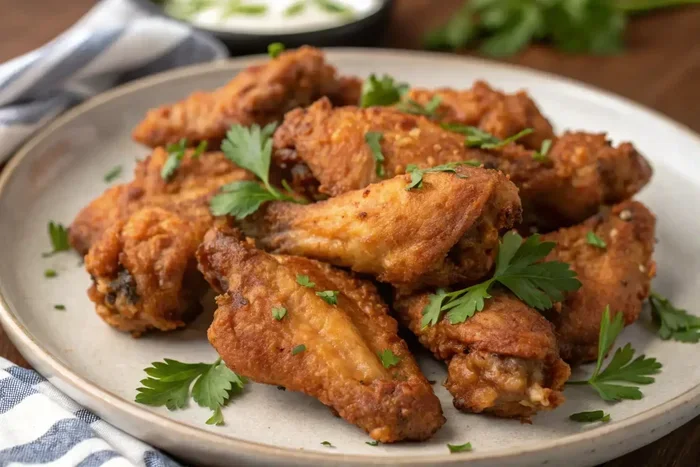
Baking chicken wings in a convection oven is the easiest way to get crispy, golden skin without deep frying. This method uses circulating hot air to cook wings evenly and render out excess fat for a crunch you will love. You will learn the ideal temperature, timing, seasoning tips, and sauce ideas to make restaurant-quality wings at home. Whether you are cooking for a game day or a weeknight dinner, this guide covers everything you need.
There is something magical about crispy chicken wings straight out of the oven. They are golden, crunchy, and loaded with flavor. Unlike deep frying, baking them in a convection oven gives you that satisfying crunch with far less mess and oil. If you have been wondering how to bake chicken wings in convection oven like a pro, you are in the right place.
This guide walks you through every step from prep to plating. You will learn why convection ovens work so well for wings, what tools you need, the best temperatures and timing, and how to get that irresistible crispy skin every single time. Whether you are a beginner or a seasoned home cook, these tips will level up your wing game.
Baking chicken wings in a convection oven is one of the simplest dinner projects you can tackle. It requires minimal ingredients, basic equipment, and about an hour of your time. The result? Wings that rival your favorite bar or restaurant. Let us dive in.
Key Takeaways
- Convection ovens cook wings faster and crispier: The fan circulates hot air for even browning and crunchy skin.
- Pat dry and salt early: Removing moisture is the single biggest secret to crispy wings.
- Bake at 425°F for 40-50 minutes: This temperature range delivers the best balance of crispy exterior and juicy interior. Use a wire rack on a baking sheet: It allows air to flow underneath, preventing soggy bottoms.
- Glaze or sauce wings at the end: Adding sauce too early can make the skin soft and chewy.
- Always check internal temperature: Chicken wings should reach 165°F for safe eating.
- Leftover wings reheat well in the convection oven: Avoid the microwave to keep that crispy texture.
📑 Table of Contents
- Why Convection Oven Is The Best Choice For Chicken Wings
- Ingredients And Equipment You Will Need
- Step-By-Step Guide To Baking Perfect Wings
- Tips For Ultra Crispy Chicken Wing Skin
- Delicious Seasoning And Sauce Ideas
- Common Mistakes That Ruin Your Wings
- Convection Oven Vs Other Cooking Methods
- How To Store And Reheat Leftover Wings
- Final Thoughts
Why Convection Oven Is The Best Choice For Chicken Wings
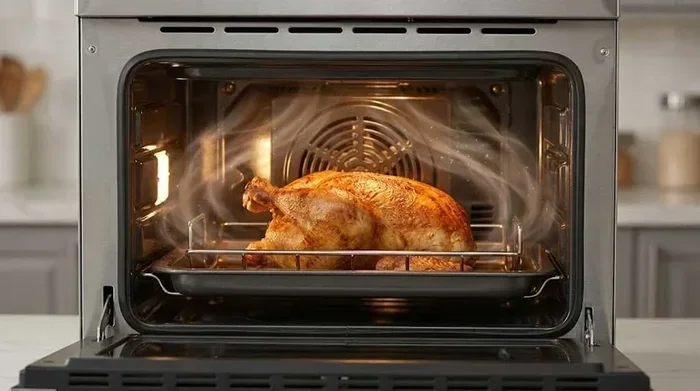
A convection oven is a game changer when it comes to cooking crispy baked chicken wings. Unlike a regular oven, it has a fan that constantly moves hot air around the food. This means heat wraps around every piece of chicken evenly. The result is skin that crisps up beautifully without hot spots or uneven cooking.
Here is why convection ovens are ideal for wings:
- Faster cooking time: The fan pushes hot air directly onto the food, so wings cook about 25% faster than in a conventional oven.
- Even browning: Every wing gets the same amount of heat, so you do not end up with some pieces burnt and others pale.
- Crispier skin: Moving air pulls moisture away from the surface, which is exactly what you need for crunchy oven baked wings.
- Less monitoring: Because the heat distributes evenly, you do not need to rotate the pan halfway through.
If you own a convection oven, you already have the best tool for making crispy wings at home. It is hard to beat the texture and flavor that comes from this method. Many people who bake chicken wings in convection oven swear they will never go back to deep frying again.
Convection Bake vs. Convection Roast
Most convection ovens offer both bake and roast settings. For wings, use the convection bake setting. This uses the fan at a steady temperature, which is perfect for getting crispy skin. The roast setting often increases the top heating element, which can brown the tops too quickly while leaving the bottoms soft. Stick with convection bake for the best results.
Ingredients And Equipment You Will Need
Getting started is easy. You do not need fancy ingredients or expensive equipment. Here is what you need to make amazing crispy chicken wings in your convection oven.
Ingredients
- Bone-in chicken wings: About 2 to 3 pounds for a crowd. Bone-in wings hold more moisture and taste better than boneless.
- Salt: Kosher salt works best for drawing out moisture and seasoning deeply.
- Black pepper: Freshly ground adds a gentle heat that complements the chicken.
- Garlic powder: A pantry staple that adds savory depth to every bite.
- Paprika: Smoked paprika gives a subtle warmth and beautiful color.
- Baking powder: This is the secret weapon for ultra crispy skin. It raises the pH and helps the skin dry out and crisp up.
- Olive oil or melted butter: A small amount helps the seasonings stick and adds richness.
- Your favorite wing sauce: Buffalo, honey garlic, barbecue, or Asian-inspired glaze. More on this later.
Equipment
- Convection oven: The star of the show. Make sure it is clean and preheated properly.
- Wire cooling rack: This sits inside a baking sheet and allows air to circulate underneath the wings.
- Large baking sheet: A sturdy half-sheet pan works perfectly.
- Parchment paper or aluminum foil: For easy cleanup. Parchment is better for preventing sticking.
- Mixing bowl: For tossing wings with seasoning.
- Meat thermometer: Essential for checking that wings reach a safe internal temperature of 165°F.
Using a wire rack is one of the most important tips for crispy wings. It lifts the chicken off the pan so hot air flows all around each piece. Without a rack, wings sit in their own rendered fat and steam, which makes the skin soggy instead of crispy.
Step-By-Step Guide To Baking Perfect Wings
Now that you have everything ready, let us walk through the process of baking chicken wings in convection oven step by step. Follow these instructions and you will have perfect wings every time.
Step 1: Prep The Wings
Start by patting the wings completely dry with paper towels. This step is non-negotiable if you want crispy skin. Moisture is the enemy of crunch. The drier the surface, the crispier the result. Remove any loose pin feathers or excess fat from the wing tips if needed.
Next, separate the wings into flats and drums if they are not already split. Most store-bought wings come in whole pieces that need separating. Hold the joint and cut through it with a sharp knife. This ensures even cooking and a better eating experience.
Step 2: Season Generously
In a large mixing bowl, combine salt, black pepper, garlic powder, paprika, and a small amount of baking powder. Toss the wings in the seasoning mixture until every piece is coated. Add a light drizzle of olive oil and toss again to help the spices cling to the surface.
For the best flavor, let the seasoned wings rest in the refrigerator for at least 30 minutes. This allows the salt to draw out a little moisture, which then gets reabsorbed into the meat. The result is juicy wings with deeply seasoned flavor. Some cooks like to brine wings overnight for even more flavor, but 30 minutes works great in a pinch.
Step 3: Preheat And Set Up
Preheat your convection oven to 425°F. While the oven is heating up, line a baking sheet with parchment paper and place the wire rack on top. Arrange the wings in a single layer on the rack with space between each piece. Do not crowd the pan. Overlapping wings will steam instead of crisp, and you will end up with unevenly cooked pieces.
Step 4: Bake
Place the baking sheet on the middle rack of the oven. Bake for 40 to 50 minutes, flipping the wings halfway through at the 25-minute mark. Flipping ensures both sides get equal exposure to the hot circulating air.
At around the 40-minute mark, check the wings for doneness. The skin should be deep golden brown and crispy. Use a meat thermometer to confirm the internal temperature has reached 165°F in the thickest part of the wing, away from the bone.
Step 5: Sauce And Serve
If you want glazed or sauced wings, this is the time to add the sauce. Toss the hot wings in a large bowl with your favorite sauce right after they come out of the oven. The heat helps the sauce stick without soaking into the crispy skin. If you prefer naked wings, just serve them as-is with a side of ranch or blue cheese dip.
Let the wings rest for about 5 minutes before serving. This allows the juices to redistribute and the skin to stay crispy. Serve with celery sticks, carrot sticks, and your favorite dipping sauces.
Quick Tips For Perfect Timing
- For extra crispy wings: Increase the temperature to 450°F and reduce the time slightly. Watch them closely to prevent burning.
- For frozen wings: Add 10 to 15 minutes to the baking time. Pat them extra dry before seasoning.
- For saucy wings: Apply sauce in the last 5 minutes of baking for a sticky glaze that sets on the surface.
Tips For Ultra Crispy Chicken Wing Skin
Getting crispy skin is the goal for most wing lovers. Here are some proven techniques that make a huge difference in your oven baked wings.
Dry The Wings Overnight
For the crispiest possible skin, place the seasoned wings on a wire rack set over a baking sheet and leave them uncovered in the refrigerator overnight. The dry air in the fridge slowly pulls moisture from the skin surface. When you bake them the next day, they go from golden to gorgeously crispy in no time.
Use Baking Powder, Not Baking Soda
Baking powder is alkaline, which raises the pH of the skin and promotes browning and crisping. Make sure you use baking powder, not baking soda. Baking soda can leave a metallic taste and does not deliver the same crispiness. Look for aluminum-free baking powder for the best flavor.
Do Not Skip The Salt Rest
Salt does more than season. It draws moisture to the surface of the chicken through osmosis. When you salt wings ahead of time, that surface moisture gets reabsorbed, seasoning the meat deeply while the skin dries out. This drying effect is a key factor in achieving crunch.
Keep Space Between Wings
Overcrowding the pan traps steam and prevents proper air circulation. Give each wing plenty of room. If you need to bake in multiple batches, keep the cooked wings warm in a 200°F oven while the rest bake.
Flip Halfway Through
Flipping the wings at the halfway point ensures both sides get equal exposure to the hot air. Use tongs to gently turn each piece. This simple step makes a noticeable difference in evenness of crispiness.
Delicious Seasoning And Sauce Ideas
One of the best things about homemade wings is the variety of flavors you can explore. Here are some ideas to keep your chicken wing recipes exciting.
Classic Buffalo Wings
Toss hot wings in a mix of melted butter and hot sauce. A splash of white vinegar adds tang. Serve with celery and blue cheese dressing for the traditional experience.
Honey Garlic
Mix honey, minced garlic, melted butter, and a splash of soy sauce. Toss the wings in this glaze for a sweet and savory combo that everyone loves.
Smoky BBQ
Brush wings with your favorite barbecue sauce during the last 10 minutes of baking. For extra smoke flavor, add a teaspoon of smoked paprika to your dry rub.
Asian-Inspired
Combine soy sauce, sesame oil, rice vinegar, honey, and a touch of sriracha. Toss the wings in this mixture after baking and sprinkle with sesame seeds and sliced green onions.
Lemon Herb
Zest a lemon and mix it with olive oil, fresh rosemary, thyme, and garlic. This lighter option pairs perfectly with a side salad for a healthier wing night.
When adding sauces, always do it after the wings come out of the oven. Sauces applied too early will soften the crispy skin and make it chewy. A quick toss in a bowl right after baking keeps the crunch intact while delivering maximum flavor.
Common Mistakes That Ruin Your Wings
Even with a great recipe, small mistakes can lead to disappointing results. Here are the most common pitfalls and how to avoid them when you bake chicken wings in convection oven.
Not Drying The Wings Enough
This is the number one mistake. Wet skin will steam instead of crisp. Always pat wings thoroughly with paper towels before seasoning. For the best results, let them air dry uncovered in the fridge before baking.
Overcrowding The Pan
Crowding blocks airflow and creates uneven cooking. Wings need space for the hot air to reach every surface. If your pan is too small, use two baking sheets or bake in batches.
Using The Wrong Temperature
Too low and the wings take forever and come out rubbery. Too high and the skin burns before the meat cooks through. 425°F is the sweet spot for convection oven chicken wings. Trust this temperature for the best results.
Adding Sauce Too Early
Sauces contain sugar and liquid that can make crispy skin go soft. Always add sauce after baking or in the very last few minutes if you want a glaze.
Skipping The Meat Thermometer
Guessing doneness is risky. Undercooked chicken is a food safety hazard. Always use a meat thermometer to confirm the internal temperature reaches 165°F. This takes the guesswork out completely.
Forgetting To Flip The Wings
Even in a convection oven, wings can brown unevenly if not flipped. Set a timer to remind yourself to turn them halfway through. This one simple action improves the results dramatically.
Convection Oven Vs Other Cooking Methods
How do baked chicken wings in convection oven compare to other popular cooking methods? Let us take a quick look.
Convection Oven vs. Deep Frying
Deep frying produces the crispiest possible skin, but it requires a large amount of oil and careful temperature control. Baking in a convection oven delivers about 90% of the crunch with a fraction of the mess and calories. For most home cooks, the convection oven method is the better choice for everyday wing nights.
Convection Oven vs. Regular Oven
A regular oven cooks wings more slowly and with less even browning. The fan in a convection oven speeds things up and creates a crispier texture. If you have both options, always choose the convection setting for wings.
Convection Oven vs. Air Fryer
An air fryer is essentially a small convection oven. The results are very similar. However, a full-size convection oven lets you cook larger batches at once, which is a big advantage when feeding a crowd. If you already own a convection oven, you do not need an air fryer just for wings.
How To Store And Reheat Leftover Wings
Leftover wings are always a treat, but storing them properly is key to keeping that crispy texture.
Let the wings cool completely before storing. Place them in an airtight container and refrigerate for up to 3 to 4 days. Do not leave cooked wings at room temperature for more than 2 hours, as this enters the danger zone for bacterial growth.
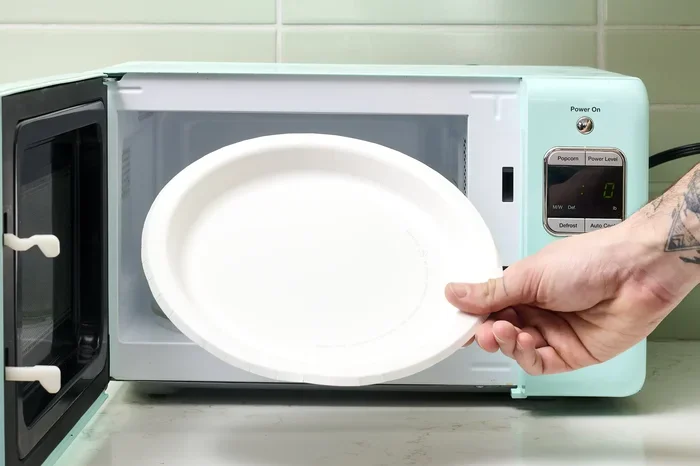
When reheating, avoid the microwave at all costs. It will steam the skin and turn your crispy wings soft and rubbery. Instead, reheat them in the convection oven at 375°F for 8 to 10 minutes. This brings back the crunch and keeps the meat moist. You can also reheat on a wire rack for the best results.
Quick Reheating Tips
- Reheat at 375°F for 8-10 minutes: This restores crispiness without overcooking.
- Use a wire rack: It prevents the bottom from getting soggy.
- Do not cover the wings: Letting steam escape keeps the skin crunchy.
Baking chicken wings in a convection oven gives you delicious results that hold up well as leftovers. With proper storage and reheating, you can enjoy crispy wings for days after your initial cook.
Final Thoughts
Making crispy chicken wings in a convection oven is one of the most rewarding things you can cook at home. The process is simple, the results are impressive, and the cleanup is minimal. Once you master the basic technique, you can experiment with endless flavors and sauces to keep things fresh and exciting.
Remember the key principles: dry the wings thoroughly, season generously, use a wire rack, bake at 425°F, and add sauce at the end. Follow these steps and you will serve wings that are crispy on the outside, juicy on the inside, and bursting with flavor.
Whether you are hosting a game day party, preparing a weeknight dinner, or just craving comfort food, this method delivers every time. Your family and friends will never guess that these crispy, delicious wings came from a home oven. So preheat that convection oven, grab some chicken wings, and get ready to make the best wings you have ever tasted.
Now that you know how to bake chicken wings in convection oven perfectly, it is time to put this knowledge into action. Your kitchen is about to become the best wing spot in town.
Frequently Asked Questions
Can I use frozen chicken wings for this recipe?
Yes, you can bake frozen wings in a convection oven, but you will need to add extra time. Pat them completely dry before seasoning and increase the baking time by 10 to 15 minutes. The key is making sure the internal temperature reaches 165°F for safe eating.
What temperature should I set my convection oven to for chicken wings?
425°F is the ideal temperature for baking chicken wings in a convection oven. This high heat quickly renders the fat and crisps the skin while keeping the meat juicy and tender inside.
How long does it take to bake chicken wings in a convection oven?
Most wings bake in 40 to 50 minutes at 425°F. Flip them halfway through for even cooking. Larger wings or frozen wings may need a few extra minutes, so always check with a meat thermometer.
Do I need to flip the wings during baking?
Yes, flipping the wings at the halfway point ensures both sides crisp up evenly. Use tongs to gently turn each piece. This small step makes a big difference in the final texture.
Can I use aluminum foil instead of parchment paper?
Yes, aluminum foil works for easy cleanup, but parchment paper is better for preventing sticking. If you use foil, lightly grease it to stop the wings from adhering to the surface during baking.
How do I keep leftover wings crispy when reheating?
Reheat leftover wings in the convection oven at 375°F for 8 to 10 minutes on a wire rack. Avoid the microwave, which steams the skin and removes all the crunch. The oven restores that crispy texture perfectly.