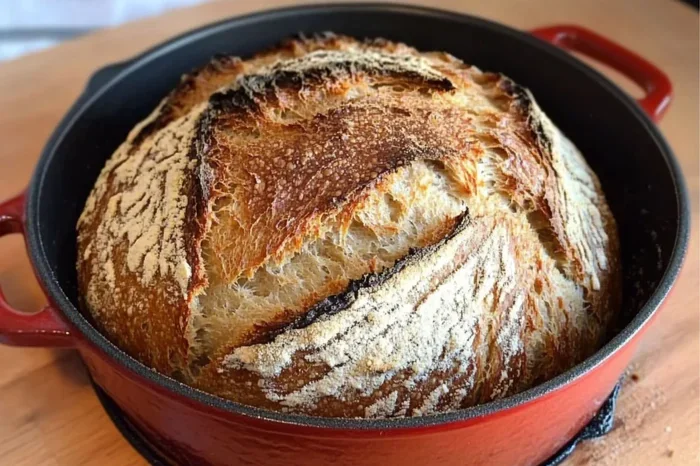
What Is The Best Size Dutch Oven For Sourdough Bread
What Is The Best Size Dutch Oven For Sourdough Bread is an essential topic that provides valuable insights.
Key Takeaways
- Understanding What Is The Best Size Dutch Oven For Sourdough Bread: Provides essential knowledge
📑 Table of Contents
- Why the Right Dutch Oven Size Matters for Sourdough
- The Most Popular Dutch Oven Sizes for Sourdough Bread
- How to Choose the Best Size Dutch Oven for Sourdough Bread
- Comparing Dutch Oven Sizes for Sourdough Baking
- Best Dutch Oven Brands for Sourdough Bread Baking
- Pro Tips for Baking Sourdough in a Dutch Oven
- Common Mistakes to Avoid When Using a Dutch Oven for Sourdough
- Key Takeaways
Why the Right Dutch Oven Size Matters for Sourdough
Many people think any Dutch oven will work for baking sourdough bread. That is not true. The size of your pot directly impacts how your bread bakes. When you place dough inside a bread baking vessel, the space around it controls steam circulation, heat distribution, and how much the loaf can expand. These three factors determine the final shape, texture, and flavor of your sourdough loaf.
How Size Affects Oven Spring
Oven spring is the rapid rise your bread experiences in the first few minutes of baking. A Dutch oven that is the right size traps enough steam to keep the outer surface of the dough soft. This allows the loaf to expand fully before the crust sets. If your pot is too big, steam escapes too fast, and your bread spreads out instead of rising up. If it is too small, the dough gets squeezed and cannot expand properly.
How Size Affects Baking Crust
The baking crust is what gives sourdough bread its signature crackly outside. A well-sized Dutch oven wraps heat closely around the dough. This even heat helps form a deep golden-brown crust all around the loaf. A pot that is too large creates too much air space, which leads to a pale and thin crust. A pot that is too small can cause the bottom to burn before the top bakes through.
How Size Affects Loaf Shape
Your sourdough loaf should look round and tall, with a beautiful dome on top. The right Dutch oven size gives the dough room to shape itself naturally. Too much space leads to a flat, wide loaf. Too little space leads to a tall, tight loaf that looks more like a hockey puck than a boule.
The Most Popular Dutch Oven Sizes for Sourdough Bread
Not all Dutch ovens come in the same sizes. Manufacturers offer several options, and each one suits different loaf sizes and baking goals. Here are the most common sizes you will find on the market.
3-Quart Dutch Oven
A 3-quart Dutch oven is the smallest option most people consider for sourdough baking. It works well for small individual loaves or mini boules. If you only bake for one or two people, this size can be a great fit. However, a 3-quart pot is generally too small for a standard 1-pound sourdough loaf. The dough will rise and touch the lid, which can change the shape of your bread. This size is better suited for side dishes, stews, and small-batch baking.
5-Quart Dutch Oven
The 5-quart Dutch oven is the most popular choice for sourdough bread baking. It fits a standard 1-pound loaf perfectly. The dough has enough room to expand, rise, and develop a beautiful shape. Most beginner and intermediate bakers do best with a 5-quart pot. It is also the size that most sourdough recipes are written for. If you are unsure which size to buy, go with 5 quarts. It is the sweet spot for home sourdough baking.
6-Quart Dutch Oven
A 6-quart Dutch oven is slightly larger and works well for bigger loaves or bakers who like to make two smaller loaves at once. If you bake sourdough boules that weigh 1.5 pounds or more, a 6-quart pot gives you extra room. It also works great if you like to bake a round loaf and a smaller shape in the same pot. The trade-off is that a larger pot takes a bit longer to preheat, and it uses more energy to heat up.
7-Quart and Larger Dutch Ovens
7-quart and larger Dutch ovens are designed for big families or serious baking enthusiasts. These sizes can handle multiple loaves or very large individual loaves. However, for most home bakers, a pot this size is overkill for sourdough bread. The extra space means less efficient steam retention, which can affect your crust and oven spring. Unless you are baking for a crowd regularly, a 7-quart pot is probably not the best choice for sourdough.
How to Choose the Best Size Dutch Oven for Sourdough Bread
Choosing the right Dutch oven is not just about picking a number. Several factors play into what will work best for your kitchen and your baking style. Here is how to make the right decision.
Consider Your Loaf Size
Think about the size of sourdough loaf you want to bake. A standard loaf fits best in a 5-quart Dutch oven. If you prefer smaller boules, a 4-quart pot can also work. For larger artisan-style loaves, go with a 6-quart Dutch oven. Match the pot size to the dough weight you typically use in your sourdough recipe.
Think About Your Oven Space
Your oven size matters too. A large Dutch oven needs space to circulate hot air around it. If your oven is small, a 5-quart pot is the safest bet. Make sure you leave at least 2 inches of space between the pot and the oven walls on all sides. This allows heat to flow evenly and helps your bread bake consistently.
Material and Construction Matter
Cast iron Dutch ovens are the gold standard for sourdough baking. They hold heat incredibly well and distribute it evenly. Enamel coated Dutch ovens offer the same benefits with easier cleanup. Some people also use ceramic Dutch ovens, which work well but take longer to preheat. No matter the material, make sure the lid fits snugly. A tight lid traps steam, which is essential for great sourdough bread.
Budget and Brand Considerations
Dutch ovens range in price from about $30 to over $300. You do not need to spend a fortune to get great results. Many affordable cast iron Dutch ovens from lesser-known brands perform just as well as premium options. Look for a pot with a smooth interior, a tight-fitting lid, and sturdy handles. These features make a big difference when you are handling a hot pot full of rising dough.
Comparing Dutch Oven Sizes for Sourdough Baking
Let us look at a quick comparison of the most common Dutch oven sizes for sourdough bread baking. This table makes it easy to see which size fits your needs best.
- 3-Quart Dutch Oven: Best for mini loaves and individual servings. Not ideal for standard sourdough boules.
- 4-Quart Dutch Oven: Good for small to medium boules. A solid choice for singles or couples.
- 5-Quart Dutch Oven: The most popular size. Fits a standard 1-pound loaf perfectly. Great for most bakers.
- 6-Quart Dutch Oven: Best for larger loaves or baking two smaller loaves at once. Good for families.
- 7-Quart Dutch Oven: Too large for most home bakers. Better for roasting or batch cooking.
As you can see, the 5-quart Dutch oven hits the sweet spot for most people. It is the go-to recommendation from experienced sourdough bakers around the world.
Best Dutch Oven Brands for Sourdough Bread Baking
Not all Dutch ovens are created equal. Some brands are known for excellent heat retention, while others offer better value. Here are some of the top brands to consider for your sourdough baking journey.
Le Creuset
Le Creuset is one of the most famous names in Dutch ovens. Their enamel-coated cast iron pots come in beautiful colors and offer outstanding heat retention. A Le Creuset 5-quart Dutch oven is a favorite among sourdough bakers. The enamel coating makes cleanup easy, and the tight lid locks in steam beautifully. The downside is the price, which can be steep for bakers on a budget.
Staub
Staub is another premium brand that makes excellent Dutch ovens for bread baking. Their pots have a unique interior coating that helps create an even darker and crispier baking crust. Staub lids have small spikes on the inside that collect condensation and drip it back onto the food. This feature works well for sourdough bread because it keeps the dough moist during baking.
Lodge
Lodge offers some of the best value in the Dutch oven market. Their cast iron Dutch ovens are affordable, durable, and perform beautifully for sourdough baking. A Lodge 5-quart Dutch oven is a top pick for budget-conscious bakers. The seasoning process takes a little effort, but once seasoned, these pots last a lifetime. Lodge is a great choice if you want quality without the premium price tag.
Other Great Brands
Brands like Tramontina, Victoria, and Camp Chef also make solid Dutch ovens for sourdough bread. These brands offer good performance at lower prices. Do not overlook them when shopping for your bread baking vessel.
Pro Tips for Baking Sourdough in a Dutch Oven
Even with the right Dutch oven size, your results depend on how you use it. Here are some proven tips that help you get the best sourdough bread every time.
Preheat Your Dutch Oven
Always preheat your Dutch oven before adding the dough. Place the empty pot with its lid in your cold oven, then set the temperature to 450 to 500 degrees Fahrenheit. Let it heat for at least 30 to 45 minutes. A hot pot creates an immediate burst of steam when the dough goes in, which gives you maximum oven spring and a beautiful baking crust.
Use Parchment Paper
Lining your Dutch oven with parchment paper makes it much easier to transfer the dough. It also prevents the bottom of your sourdough loaf from sticking. Cut a circle of parchment to fit the bottom of the pot, and another piece to lift the loaf out after baking.
Score Your Dough Properly
Use a sharp blade or lame to score the top of your sourdough dough before baking. Scoring controls where the bread splits as it expands in the hot pot. A single slash or a cross pattern works well for most sourdough boules. This step is essential for getting that classic artisan look on your sourdough loaf.
Do Not Skip the Resting Time
Let your shaped dough rest at room temperature for 30 to 60 minutes before baking. This rest period, called proofing, lets the sourdough starter do its work. The dough becomes light and airy, which leads to a better rise inside the Dutch oven.
Bake with the Lid On
Keep the lid on your Dutch oven for the first 20 to 25 minutes of baking. This traps steam and creates the perfect environment for oven spring. After the lid comes off, the crust begins to form and brown. Total baking time is usually around 40 to 50 minutes.
Let the Bread Cool Completely
Resist the urge to cut into your sourdough bread right away. Let it cool on a wire rack for at least 1 to 2 hours. This allows the crumb to set and the interior texture to develop fully. Cutting too early can lead to a gummy texture.
Common Mistakes to Avoid When Using a Dutch Oven for Sourdough
Even experienced bakers make mistakes. Here are the most common errors people make when baking sourdough bread in a Dutch oven, and how to avoid them.
Using a Pot That Is the Wrong Size
This is the number one mistake. A pot that is too small crushes your loaf. A pot that is too large lets the dough spread out and lose its shape. Always match your Dutch oven size to the size of your sourdough loaf. When in doubt, go with a 5-quart pot.
Not Preheating Long Enough
Many people rush the preheating step. Your Dutch oven needs enough time to reach the right temperature. A cold pot means poor oven spring and a pale crust. Always preheat for at least 30 minutes.
Overfilling the Pot
Leave room for your bread to expand. Do not fill the Dutch oven more than two-thirds full. The dough needs space to rise and create that beautiful dome shape.
Opening the Lid Too Often
Every time you lift the lid, steam escapes. Steam is your best friend during the first part of sourdough baking. Keep the lid on for at least 20 minutes. Trust the process and let the pot do its work.
Ignoring the Bottom Heat
If your Dutch oven has a thin or warped bottom, the heat may not distribute evenly. This can cause the bottom of your sourdough bread to burn while the top stays underbaked. Invest in a quality cast iron Dutch oven with a thick, heavy base for the best results.
Key Takeaways
- The 5-quart Dutch oven is the best all-around size for baking a standard 1-pound sourdough loaf and fits most home bakers perfectly.
- Dutch oven size directly impacts oven spring, crust, and loaf shape, so matching the pot to your dough weight is essential for great results.
- Cast iron and enamel-coated Dutch ovens are the best materials for sourdough baking because they retain heat evenly and trap steam effectively.
- A 3-quart Dutch oven works for mini loaves, while a 6-quart pot suits larger boules or baking two smaller loaves at once.
- Always preheat your Dutch oven for at least 30 minutes before adding your dough to maximize oven spring and crust development.
- Lodge offers excellent value for budget-conscious bakers, while Le Creuset and Staub are premium options with superior build quality and aesthetics.
- Avoid common mistakes like using the wrong size pot, skipping preheating, and opening the lid too early to consistently bake beautiful sourdough bread at home.
Frequently Asked Questions
What is the best size Dutch oven for sourdough bread?
A 5-quart Dutch oven is the best size for most sourdough loaves. It fits a standard 1-pound loaf perfectly and allows enough room for the dough to expand and rise. If you bake larger loaves, a 6-quart Dutch oven gives you extra space. For smaller boules, a 4-quart pot can also work well.
Can I use a 3-quart Dutch oven for sourdough bread?
Yes, but a 3-quart Dutch oven is best for mini loaves or individual servings. A standard sourdough loaf will be too large for this size pot. The dough will touch the lid and may not rise properly. Stick with a 3-quart pot if you are baking small individual boules or focaccia-style bread.
What is the difference between a 5-quart and 6-quart Dutch oven for sourdough?
A 5-quart Dutch oven fits a standard 1-pound sourdough loaf perfectly. A 6-quart Dutch oven gives you more room, making it ideal for larger loaves or baking two smaller loaves at once. The 6-quart size also works well if you like to bake artisan-style loaves that weigh 1.5 pounds or more. The trade-off is that a larger pot takes longer to preheat.
Do I need a cast iron Dutch oven for sourdough bread?
Cast iron Dutch ovens are the most popular choice for sourdough baking because they retain heat evenly and trap steam well. However, you can also use enamel-coated cast iron or ceramic Dutch ovens. The most important factor is the size and how well the lid seals. A tight-fitting lid is essential for trapping steam and achieving great oven spring.
How do I know if my Dutch oven is the right size for sourdough?
Your Dutch oven should be about 2 to 3 inches taller than your shaped dough. The dough should have room to expand without touching the lid. If the dough touches the top of the pot, the size is too small. If there is more than 4 inches of empty space above the dough, the pot is likely too large. A 5-quart Dutch oven works for most standard sourdough recipes.
Can a Dutch oven that is too big ruin my sourdough bread?
Yes, a Dutch oven that is too large can negatively affect your sourdough bread. Too much space means steam escapes quickly, which leads to poor oven spring and a pale, thin crust. The loaf may also spread out flat instead of rising up into a nice round shape. Always choose a pot size that matches the size of your dough for the best results.
=== CONCLUSION ===
Finding the best size Dutch oven for sourdough bread is one of the most important steps in your baking journey. The right pot gives your sourdough dough the space it needs to rise, the steam it needs to develop a crispy crust, and the heat it needs to bake evenly. For most home bakers, a 5-quart Dutch oven is the perfect choice. It fits a standard loaf, preheats efficiently, and delivers consistent, beautiful results every time.
Remember to consider your loaf size, oven space, and budget when choosing your bread baking vessel. Brands like Lodge, Le Creuset, and Staub all offer excellent options at different price points. And once you have the right Dutch oven, follow the tips in this guide to get the most out of it. Preheat properly, score your dough, and be patient with the process.
With the right Dutch oven size and a little practice, you will be baking sourdough bread with a golden crust and a soft, airy crumb that rivals any bakery. Start with a 5-quart Dutch oven, follow these steps, and enjoy the rewarding world of home sourdough baking.