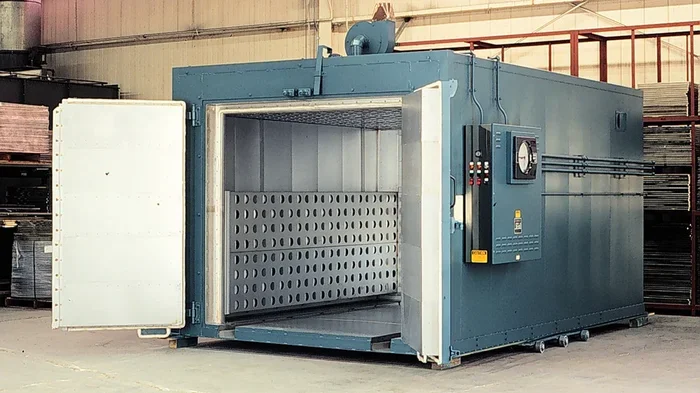
How Hot Are Walk In Ovens And Why Temperature Matters
How hot are walk in ovens? These powerful units can reach temperatures from 200°F to over 1000°F, depending on the model and purpose. Understanding walk in oven temperature ranges helps you choose the right equipment for baking, drying, curing, or industrial food processing. Getting the heat right ensures better results, safer food, and lower energy costs.
If you have ever wondered how hot are walk in ovens, the answer might surprise you. These massive, powerful units are the backbone of commercial bakeries, food processing plants, and industrial manufacturing facilities. Unlike your regular kitchen oven, a walk in oven can reach extreme temperatures and handle enormous quantities of product at once. In this guide, we will break down everything you need to know about walk in oven temperature levels, why they matter, and how to get the best performance from your unit.
Whether you are a business owner shopping for new commercial kitchen ovens or just curious about industrial heating equipment, this article covers it all. We will explore temperature ranges, heating methods, common problems, and practical tips that anyone can use. By the end, you will have a clear picture of what makes these ovens tick and how to keep them running smoothly for years to come.
Key Takeaways
- Wide Temperature Range: Walk in ovens can heat from 200°F to over 1000°F, covering nearly every baking and processing need.
- Temperature Control Is Critical: Proper oven temperature calibration ensures food safety, consistent quality, and energy savings.
- Different Models Serve Different Purposes: Standard commercial ovens, high-temp industrial units, and precision low-temp ovens each have unique temperature ranges and thermal efficiency levels.
- Heat Distribution Matters: Uniform oven heat distribution prevents hot spots and ensures even cooking or drying across all products.
- Regular Maintenance Extends Life: Cleaning heating elements, checking insulation, and calibrating the oven thermostat keeps your oven performing at its best.
- Common Mistakes Cost Money: Overloading the oven, skipping calibration, and ignoring hot spots waste energy and compromise product quality.
📑 Table of Contents
- What Is a Walk-In Oven and How Hot Can It Get?
- Temperature Ranges for Different Walk-In Oven Types
- Why Temperature Control Matters So Much
- How Walk-In Ovens Generate and Maintain Heat
- Common Temperature Problems and How to Fix Them
- Tips for Getting the Best Performance From Your Walk-In Oven
- Conclusion
What Is a Walk-In Oven and How Hot Can It Get?
Understanding Walk-In Oven Basics
A walk in oven is exactly what it sounds like. It is a large, enclosed heating chamber that a person can physically walk into to load or unload products. These ovens are used in bakeries, food processing plants, pharmaceutical facilities, and manufacturing operations. They come in many sizes, but they all share one thing in common: they generate and maintain high levels of heat for extended periods.
The temperature range of a walk in oven depends on its design, insulation, and heating system. Most standard models operate between 200°F and 600°F. However, specialized high-temperature models can push well beyond 1000°F. On the lower end, some units are designed for gentle drying or curing at temperatures as low as 100°F. This wide temperature range is what makes walk in ovens so versatile across different industries.
Typical Temperature Capabilities
So, how hot can a walk in oven actually get? Let us look at the numbers. Most commercial baking temperature settings fall between 300°F and 500°F. This is the sweet spot for bread, pastries, cookies, and other baked goods. For industrial food processing tasks like pasteurization or dehydration, temperatures often sit between 200°F and 400°F.
High-temperature industrial oven heat models used for curing coatings, drying ceramics, or heat treatment can reach 800°F to 1200°F. These are specialized units built with heavy-duty materials and advanced heat retention systems. The oven temperature gauge on these machines is critical for safety and precision, so always make sure yours is working correctly.
| Oven Type | Typical Temperature Range | Common Uses |
|---|---|---|
| Standard Commercial Walk-In | 200°F – 600°F | Baking, roasting, dehydrating |
| High-Temperature Industrial | 600°F – 1200°F | Curing, heat treatment, ceramics |
| Low-Temperature Precision | 100°F – 300°F | Drying, tempering, gentle processing |
| Batch Walk-In Ovens | 250°F – 800°F | Batch baking, curing, sterilization |
Temperature Ranges for Different Walk-In Oven Types
Standard Commercial Walk-In Ovens
Standard commercial baking equipment walk-in ovens are the most common type you will find in bakeries and food production facilities. They typically operate in the 200°F to 600°F range. These ovens are designed for consistent baking temperature control and even oven heat distribution across large interior spaces.
Most standard units use gas or electric heating elements mounted along the walls or ceiling. The interior is lined with thick insulation that traps heat and maintains a steady oven thermostat setting. This is ideal for operations that need to bake hundreds or thousands of loaves of bread, trays of pastries, or large batches of crackers every day.
High-Temperature Industrial Models
When you need extreme industrial oven degrees, high-temperature walk-in ovens are the answer. These units can reach 800°F to 1200°F and are built with refractory brick, ceramic fiber lining, and heavy-gauge steel walls. The thermal efficiency of these ovens is carefully engineered to minimize energy waste despite the extreme heat output.
Common applications include curing industrial coatings, heat-treating metals, drying ceramic parts, and sterilizing equipment. Because of the extreme temperatures involved, these ovens require specialized oven heating elements and advanced control systems. Operators must be trained in oven temperature calibration to ensure safe and accurate operation.
Low-Temperature and Precision Ovens
Not every walk-in oven needs to be scorching hot. Low-temperature precision models operate between 100°F and 300°F and are used for gentle drying, chocolate tempering, and certain food processing tasks. These ovens focus on oven heat distribution uniformity rather than raw heat output.
In pharmaceutical and electronics manufacturing, low-temp food processing oven units are used for drying sensitive materials without damaging them. The oven temperature gauge on these units must be extremely accurate, often within ±1°F, to ensure product quality and compliance with industry standards.
Why Temperature Control Matters So Much
Food Safety and Proper Cooking
The most important reason temperature matters in a walk-in oven is food safety. Undercooked products can harbor harmful bacteria like salmonella and E. coli. The baking temperature control system in your oven must be reliable and accurate to ensure every batch reaches a safe internal temperature.
Regulatory bodies like the FDA and USDA set strict guidelines for minimum cooking temperatures in food processing. If your oven thermostat settings are off by even 25 degrees, you could be producing unsafe products or wasting energy by overcooking. Regular oven temperature calibration is not optional, it is a legal requirement in most food production environments.
Product Quality and Consistency
Beyond safety, temperature control directly affects product quality. A loaf of bread baked at 350°F tastes and looks very different from one baked at 425°F. The crust color, crumb texture, and rise all depend on precise walk in oven heat management.
In commercial operations, consistency is everything. Customers expect the same product every time they buy. If your oven heat distribution is uneven, some batches will be overdone while others are underdone. This leads to waste, customer complaints, and lost revenue. Investing in a quality oven with good thermal efficiency pays for itself through consistent results.
Energy Efficiency and Cost Savings
Did you know that poor heat retention can increase your energy bills by 20% or more? Walk-in ovens consume a tremendous amount of energy, especially during preheat cycles. If your oven is losing heat through damaged insulation or worn door seals, you are literally paying to heat the air around your facility.
Modern walk-in ovens are designed with thermal efficiency in mind. Features like double-wall insulation, motorized door seals, and programmable oven thermostat settings all help reduce energy consumption. Over time, these savings add up to thousands of dollars in reduced operating costs.
Quick Tips for Optimal Temperature Management
- Calibrate your oven thermometer every month to ensure accuracy.
- Preheat your walk in oven for at least 30 minutes before loading products.
- Avoid opening the door frequently, as this causes heat loss and temperature fluctuations.
- Use a probe thermometer to check internal product temperatures, not just the oven display.
- Record temperature logs daily to track performance and catch problems early.
How Walk-In Ovens Generate and Maintain Heat
Heating Methods and Elements
Walk-in ovens use several different heating methods, and each has its own advantages. Electric heating elements are the most common in smaller commercial units. They are easy to install, clean, and maintain. Gas-fired systems are popular in larger operations because they deliver more heat at a lower operating cost.
Some industrial high temperature oven models use infrared heating, which radiates heat directly into the product rather than heating the air first. This method offers excellent thermal efficiency and faster heat-up times. Steam-based systems are also used in certain food processing applications, particularly for bakeries that already have steam infrastructure on site.
Insulation and Heat Retention
The ability of a walk-in oven to hold heat depends largely on its insulation. Most quality units use mineral wool, ceramic fiber, or fiberglass insulation sandwiched between inner and outer steel walls. The thicker the insulation, the better the heat retention and the less energy wasted.
Over time, insulation can degrade. If you notice your oven taking longer to preheat or struggling to maintain set oven thermostat settings, the insulation may be the culprit. Regular inspections of door seals, wall panels, and ceiling insulation can prevent costly heat loss and keep your commercial oven heat levels consistent.
Air Circulation and Uniform Heat
One of the biggest challenges in any large oven is ensuring even oven heat distribution. Without proper air circulation, you get hot spots and cold zones inside the chamber. This means some products burn while others come out underdone.
Most walk-in ovens use fan-assisted circulation systems to move hot air evenly throughout the interior. The fan speed, duct design, and baffle placement all play a role in achieving uniform temperature range coverage. If you notice uneven baking or drying, check your fans and ducts first. Oven hot spots are one of the most common and easily fixable problems in walk-in ovens.
Common Mistakes to Avoid
- Skipping regular calibration of your oven temperature gauge and thermostat.
- Overloading the oven beyond its recommended capacity, which blocks airflow.
- Ignoring hot spots and assuming all areas of the oven heat the same.
- Neglecting door seal maintenance, which leads to significant heat loss.
- Using the wrong temperature setting for the specific product being processed.
- Failing to clean heating elements, which reduces efficiency and can cause uneven heating.
Common Temperature Problems and How to Fix Them
Hot Spots and Uneven Heating
Hot spots are one of the most frequent complaints with walk-in ovens. They occur when certain areas of the oven chamber run significantly hotter than others. This is usually caused by blocked air ducts, worn fan motors, or misplaced heating elements.
The fix is straightforward. Start by checking your air circulation system. Clean any debris from ducts and fans. Verify that all fans are running at the correct speed. If the problem persists, you may need to adjust your baffles or reposition heating elements. In some cases, simply rearranging the product inside the oven can help distribute heat more evenly.
Thermostat Calibration Issues
If your oven display says 400°F but a separate thermometer reads 375°F, you have a calibration problem. This is more common than you might think, especially in older units or those that have experienced heavy use.
Most ovens have a calibration adjustment on the thermostat controller. Refer to your walk in oven specifications manual for instructions on how to adjust it. If the calibration drift is more than 10°F, it may be time to replace the thermostat or sensor. Regular oven temperature calibration should be part of your routine maintenance schedule.
Heat Loss and Energy Waste
Heat loss is the silent killer of oven efficiency. Every time you open the door, you lose a significant amount of heat. But the bigger culprit is often damaged insulation, worn door gaskets, or cracks in the oven walls.
Inspect your oven regularly for visible damage. Check door seals for gaps or cracks. Look for discoloration or warping on exterior surfaces, which can indicate internal heat leaks. Addressing these issues promptly not only improves thermal efficiency but also extends the lifespan of your commercial kitchen ovens.
Expert Insights on Walk-In Oven Performance
Industry professionals recommend treating your walk-in oven like any other critical piece of equipment. Regular maintenance, proper training for operators, and consistent monitoring of oven heat distribution are the keys to long-term reliability. One expert in industrial food processing noted that facilities that perform weekly temperature checks and monthly calibrations see 30% fewer production issues related to heat inconsistency.
Tips for Getting the Best Performance From Your Walk-In Oven
Quick Tips for Optimal Temperature Management
- Know your product requirements. Different baked goods and processed foods need different oven thermostat settings. Always refer to your recipe or process guidelines before setting the temperature.
- Invest in a secondary thermometer. Do not rely solely on the oven’s built-in display. A standalone probe or infrared thermometer gives you a second opinion and helps you catch calibration drift early.
- Create a maintenance schedule. Mark your calendar for monthly thermostat checks, quarterly insulation inspections, and annual deep cleans of heating elements and fans.
- Train your team. Make sure every operator understands how to read the oven temperature gauge, adjust baking temperature control settings, and recognize signs of uneven heating.
- Keep a temperature log. Recording daily temperatures helps you spot trends, catch problems early, and maintain compliance with food safety regulations.
Common Mistakes to Avoid
Even experienced operators make mistakes. One of the biggest is assuming the oven is heating evenly just because the display reads the correct temperature. Always verify with a secondary thermometer placed at different points inside the chamber.
Another common error is neglecting preheat time. A walk-in oven needs time to reach a stable temperature throughout the entire interior. Rushing the process by loading products too early leads to inconsistent results. Give your oven the time it needs to achieve proper heat retention before you start production.
Expert Insights on Longevity and Maintenance
Maintenance professionals in the commercial baking equipment industry emphasize that prevention is far cheaper than repair. Replacing a worn door gasket costs a few dollars and takes minutes. Replacing a damaged heating element after it causes further problems can cost hundreds of dollars and days of lost production. Stay proactive with your walk in oven uses maintenance routine, and your oven will reward you with years of reliable service.
Conclusion
How hot are walk in ovens? The answer is clear, they can reach from a gentle 100°F all the way up to an intense 1200°F, depending on the type and purpose of the unit. Understanding your walk in oven temperature capabilities is the first step toward better product quality, safer food, and lower energy costs.
Whether you are running a small bakery or a large-scale food processing plant, the right commercial oven heat management makes all the difference. Focus on accurate oven temperature calibration, proper heat retention, and regular maintenance to get the most out of your investment. Remember, a well-maintained walk-in oven is not just an appliance, it is the heart of your production operation.
Take the time to understand your specific temperature range needs, invest in the right equipment, and build a maintenance routine that keeps everything running smoothly. Your products, your customers, and your bottom line will all thank you for it.
Frequently Asked Questions
What is the typical temperature range for a walk-in oven?
Most standard walk-in ovens operate between 200°F and 600°F. However, high-temperature industrial models can reach up to 1200°F, while low-temperature precision units work in the 100°F to 300°F range. Your specific walk in oven temperature needs depend on what you are baking, drying, or processing.
How do I know if my walk-in oven is heating evenly?
The best way to check is to place a standalone thermometer at multiple points inside the oven chamber. If the readings vary by more than 15°F to 25°F, you likely have a heat distribution problem. Check your fans, ducts, and baffles first, as these are the most common causes of uneven heating.
How often should I calibrate my walk-in oven thermostat?
Most experts recommend calibrating your oven thermostat settings at least once a month. In high-volume operations, weekly checks are even better. Regular calibration ensures your baking temperature control stays accurate and your products remain consistent and safe.
Can a walk-in oven be used for low-temperature applications?
Absolutely. Many walk-in ovens are designed for low-temperature tasks like drying, chocolate tempering, and gentle food processing. These units maintain temperatures between 100°F and 300°F with excellent precision and thermal efficiency. Just make sure the model you choose is rated for your specific temperature range requirements.
What causes hot spots in a walk-in oven?
Hot spots are usually caused by blocked air ducts, worn fan motors, or misplaced heating elements. Poor oven heat distribution leads to certain areas of the chamber running hotter than others. Regular maintenance, cleaning, and proper product placement can help eliminate most hot spots.
How can I improve the energy efficiency of my walk-in oven?
Start by checking your insulation and door seals for damage. Worn gaskets and degraded insulation are the biggest causes of heat loss. Also, avoid opening the door unnecessarily, keep your oven heating elements clean, and make sure your oven temperature gauge is accurate so you are not overcooking and wasting energy.