Are Microwave Ovens Harmful or Completely Safe to Use
Are microwave ovens harmful? The short answer is no. Microwave ovens use non-ionizing radiation to heat food, and decades of research confirm they are safe for everyday use. This guide breaks down the science behind microwave heating, addresses common health concerns, and shares practical microwave safety tips so you can cook with confidence.
Have you ever stood in front of your microwave oven and wondered if it is doing more harm than good? Maybe you heard a friend say that microwave radiation changes your food at a molecular level. Or perhaps you read an article online claiming that microwave cooking strips all the nutrition from your meals.
These claims can be scary. They make you second-guess something you use every single day. But here is the truth: microwave ovens harmful effects are largely misunderstood. The science is clear. Decades of research from health organizations around the world confirm that microwave ovens are safe when used correctly.
In this article, we will walk through everything you need to know. We will look at how microwave heating actually works. We will address the real microwave oven health effects. We will bust the most common microwave oven myths. And we will give you simple microwave safety tips you can start using today. By the end, you will feel confident about your kitchen appliances safety and the role your microwave plays in your daily cooking.
Key Takeaways
- Microwave ovens are safe: They use low-energy electromagnetic radiation that does not make food radioactive or cause cancer.
- Nutrient retention is better: Microwave cooking often preserves more vitamins than boiling or frying because of shorter microwave cooking time.
- Use the right containers: Always choose microwave safe containers to avoid chemical leaching into your food.
- Follow basic safety rules: Check the microwave door seal, avoid superheating, and stir food for even microwave heating.
- Many fears are myths: Common microwave oven myths like “microwaves destroy all nutrients” or “they cause cancer” are not supported by science.
- Compare before you decide: A microwave vs conventional oven comparison shows microwaves can be healthier and more energy-efficient.
📑 Table of Contents
How Microwave Ovens Actually Work
The Science Behind Microwave Heating
Many people fear what they do not understand. So let us start with the basics. A microwave oven uses a component called a magnetron to produce microwave energy. This energy creates electromagnetic radiation that vibrates water molecules inside your food. Those vibrating molecules generate heat, which warms your food from the inside out.
Here is the key point. This type of radiation is non-ionizing. That means it does not have enough energy to remove electrons from atoms. It does not change the DNA in your food. It does not make your food radioactive. It simply heats water molecules. That is it.
Compare this to ionizing radiation, like X-rays or gamma rays. Those have enough energy to damage cells and DNA. Microwave energy is nowhere near that level. The microwave energy inside your oven is carefully contained. The metal box and the microwave door seal keep the radiation from escaping.
Why Microwave Cooking Is So Fast
One of the biggest microwave cooking benefits is speed. Because the energy targets water molecules directly, food heats up much faster than in a traditional oven. A baked potato that takes 45 minutes in a conventional oven may take only 5 to 7 minutes in a microwave oven.
This speed matters for more than just convenience. Shorter microwave cooking time means less exposure to heat overall. And that brings us to an important point about nutrition.
Quick Tip
Always cover your food with a microwave safe lid or damp paper towel. This traps steam, helps food heat evenly, and keeps moisture locked in for better texture and nutrition.
Are Microwave Ovens Harmful to Your Health?
What the Research Says
The big question everyone wants answered is this: are microwave ovens harmful to human health? The overwhelming consensus from health experts is no. Organizations like the World Health Organization (WHO), the American Cancer Society, and the Food and Drug Administration (FDA) all agree that microwave ovens are safe for home use.
Studies on microwave oven health effects have been conducted for over 50 years. No credible research has shown that normal microwave cooking causes cancer, weakens your immune system, or creates toxic compounds in food. The microwave radiation levels that could leak from a properly functioning oven are far below the limits known to cause harm.
Now, there is one real concern. If a microwave is damaged, the door seal is broken, or the latch is faulty, small amounts of radiation could leak. But even then, the levels are extremely low. The FDA sets strict limits on microwave leakage, and all ovens sold in the United States must meet these standards.
Understanding Microwave Cancer Risk
Let us address the microwave cancer risk directly, because this is the fear most people have. The idea that microwave ovens harmful effects include cancer comes from a misunderstanding of radiation types.
Here is what you need to know:
- Non-ionizing radiation (what microwaves use) does not damage DNA or cause cancer cells to form.
- Ionizing radiation (like UV rays or X-rays) can damage DNA, but microwaves are not in this category.
- The FDA and WHO have reviewed hundreds of studies and found no link between microwave cooking and cancer.
So you can put that fear to rest. Your microwave oven is not giving you cancer. It is simply heating your food using a well-understood physical process.
Expert Insight
Dr. David Katz, a leading nutrition and wellness expert, has stated that microwave cooking is one of the safest and most efficient methods available. He emphasizes that the real risks come from what you cook, not from the appliance itself.
Microwave Cooking and Nutrient Loss
Does Microwave Heating Destroy Nutrients?
This is one of the most persistent microwave oven myths. Many people believe that microwave heating strips all the vitamins and minerals from food. The truth is more nuanced and actually quite positive.
All cooking methods reduce some nutrients. Heat, water, and time all play a role. The problem is not microwave cooking itself. The problem is overcooking. When you boil vegetables for 20 minutes, you lose a significant amount of water-soluble vitamins like vitamin C and B vitamins. The same vegetables steamed or microwaved for 3 to 5 minutes retain far more nutrients.
Studies have shown that microwave food nutrition can actually be better than food cooked by other methods. Because microwave cooking time is shorter and less water is used, more vitamins stay in the food.
Microwave vs Boiling: A Nutrient Comparison
| Cooking Method | Vitamin C Retention (Broccoli) | B Vitamin Retention | Water Used |
|---|---|---|---|
| Boiling (15 min) | ~30-40% retained | ~50% retained | High |
| Steaming (10 min) | ~70-80% retained | ~65% retained | Low |
| Microwaving (5 min) | ~80-90% retained | ~70-80% retained | Minimal |
As you can see, microwave cooking often wins when it comes to preserving food nutrients microwave methods affect. The key is to not overcook your food. Use short bursts of heat, add a small amount of water, and cover your dishes.
Common Mistakes That Reduce Nutrition
Even though microwave cooking is gentle on nutrients, certain mistakes can undermine the benefits:
- Using too much water: This leaches vitamins into the water, which you then pour down the drain.
- Overcooking vegetables: Cook them just until tender-crisp for maximum nutrient retention.
- Skipping the cover: Covering traps steam and helps food cook faster and more evenly.
- Not stirring halfway: Stirring ensures even microwave heating and prevents hot spots that can overcook parts of your food.
Microwave Safety Tips Everyone Should Know
Choosing the Right Containers
One of the most important aspects of microwave safety is using the right containers. Not every plate, bowl, or wrap is safe for the microwave. Using the wrong container can lead to chemical leaching, melting, or even fire.
Always look for labels that say microwave safe. Here are some guidelines:
- Glass and ceramic dishes are almost always safe.
- Microwave-safe plastic containers are designed to withstand heat without leaching chemicals.
- Avoid regular plastic wrap, Styrofoam, and metal containers.
- Never put metal foil or metallic trim in the oven.
The concern about chemicals leaching from plastics is valid. Some plastics contain BPA or phthalates that can migrate into food when heated. Using microwave safe containers eliminates this risk entirely.
Maintaining Your Microwave
Regular maintenance keeps your kitchen appliances safety at its best. A well-maintained microwave performs better and poses fewer risks. Here is what you should do:
- Check the door seal regularly for cracks, warping, or damage. A broken seal can allow microwave radiation to leak.
- Clean the interior after spills. Food splatter can reduce efficiency and even cause smoke or fire.
- Never operate an empty microwave. Without food to absorb the energy, the magnetron can overheat and fail.
- Replace the door latch if it does not close properly. This is a critical microwave safety feature.
Superheating: A Rare but Real Danger
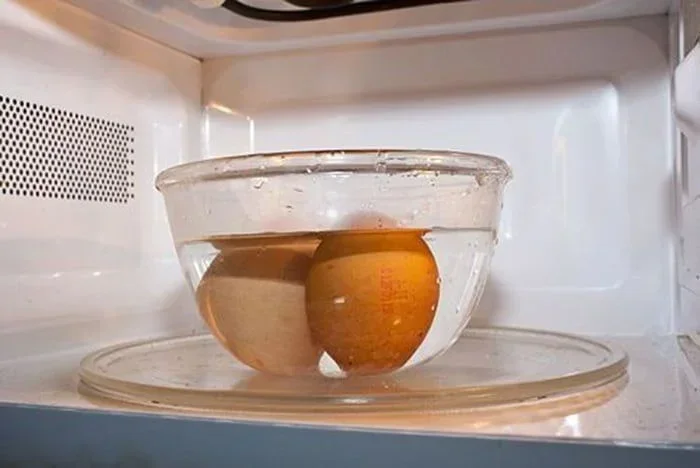
Superheating is one of the lesser-known microwave oven risks. It occurs when water is heated beyond its boiling point without actually boiling. When you then disturb the water (by adding a spoon or pouring in instant coffee), it can erupt violently and cause burns.
This is rare, but it can happen. To prevent it:
- Place a wooden stir stick or microwave-safe spoon in the water while heating.
- Heat water in short intervals rather than one long session.
- Let the water sit for 30 seconds before removing it from the oven.
Common Mistakes
Mistake 1: Using metal containers. Even small pieces of foil can cause sparks and damage the oven.
Mistake 2: Heating sealed containers. Pressure can build up and cause explosions. Always open lids and vents before heating.
Mistake 3: Ignoring hot spots. Microwave heating is not always even. Stir and rotate food to avoid uneven temperatures that can cause burns.
Common Myths About Microwave Ovens
Myth 1: Microwaves Make Food Radioactive
This is probably the most widespread fear, and it is completely false. Microwave ovens do not make food radioactive. The microwave energy simply causes water molecules to vibrate, which produces heat. There is no residual radiation left in your food after you remove it from the oven.
Myth 2: Microwaves Destroy All the Nutrition
As we covered above, this is a myth. In fact, microwave cooking often preserves more nutrients than other methods because of the shorter microwave cooking time and reduced water use. The real enemy of nutrition is excessive heat and too much water, not the microwave itself.
Myth 3: Microwaves Cause Cancer
There is no scientific evidence linking microwave cooking to cancer. The electromagnetic radiation used in microwaves is non-ionizing, meaning it cannot damage DNA or trigger cancerous cell changes. Major health organizations worldwide confirm this.
Myth 4: Microwaves Heat From the Inside Out
This is partially true and partially false. Microwave heating does penetrate food to a depth of about 1 to 1.5 inches. But it does not heat the center first in all cases. Thick or dense foods may still have cooler centers that need additional heating time. Stirring and resting food helps distribute heat more evenly.
Microwave Ovens vs Conventional Ovens
Which Is Better for Your Health?
When it comes to microwave vs conventional oven comparisons, the microwave often comes out ahead in terms of nutrition and safety. Let us look at the key differences.
| Factor | Microwave Oven | Conventional Oven |
|---|---|---|
| Cooking Time | 5-15 minutes | 20-60 minutes |
| Nutrient Retention | Higher (shorter time, less water) | Lower (longer exposure to heat) |
| Energy Use | Lower (uses less electricity) | Higher (preheating and longer run time) |
| Radiation Type | Non-ionizing (safe) | Thermal (heat-based, safe) |
| Risk of Overcooking | Lower (precise timing) | Higher (hot spots, dry heat) |
| Best For | Reheating, steaming, quick meals | Baking, roasting, browning |
Neither appliance is dangerous when used properly. But if your goal is to retain microwave food nutrition and cook efficiently, the microwave has a clear edge. Conventional ovens are still essential for baking and roasting, but for everyday meals, a microwave oven is a healthy and practical choice.
When to Use Each Appliance
Both appliances have their place in a healthy kitchen. Use your microwave for:
- Reheating leftovers quickly
- Steaming vegetables
- Cooking frozen meals
- Melting butter or chocolate
- Making oatmeal or scrambled eggs
Use your conventional oven for:
- Baking bread, cakes, and cookies
- Roasting meats and vegetables for browning
- Making crispy textures that microwaves cannot achieve
The best approach is to use both. They complement each other and give you the most versatility in the kitchen.
Key Takeaways
Microwave ovens harmful claims are largely based on misinformation. The science is clear: microwave ovens are safe, efficient, and often better for preserving nutrients than conventional cooking methods. Use microwave safe containers, maintain your appliance, and follow basic microwave safety practices for worry-free cooking every day.
Frequently Asked Questions
Can microwave ovens cause cancer?
No. There is no scientific evidence that microwave cooking causes cancer. Microwaves use non-ionizing radiation, which does not damage DNA or cause cancerous changes in cells. Major health organizations like the WHO and FDA confirm that microwave ovens are safe.
Is it safe to microwave food in plastic containers?
Only if the container is labeled microwave safe. Regular plastics can leach chemicals like BPA into food when heated. Always check for the microwave-safe symbol, or choose glass and ceramic containers for peace of mind.
Does microwave cooking destroy nutrients in food?
Not really. All cooking methods reduce some nutrients, but microwave cooking actually preserves more nutrients than boiling or frying because of the shorter microwave cooking time and minimal water use. The real enemy of nutrition is excessive heat and too much water.
Can a microwave leak harmful radiation?
A properly functioning microwave with an intact microwave door seal and latch should not leak any harmful radiation. The FDA sets strict limits on microwave leakage, and all ovens must meet these standards. If your microwave is damaged, have it repaired or replaced.
What is superheating in a microwave?
Superheating occurs when water is heated beyond its boiling point without actually boiling. When disturbed, it can erupt suddenly and cause burns. To prevent this, place a wooden stir stick in the water and heat in short intervals rather than one long session.
Are microwave meals and processed foods unhealthy?
The microwave oven itself is not unhealthy. However, many pre-packaged microwave meals are high in sodium, preservatives, and unhealthy fats. For the best microwave food nutrition, cook fresh ingredients in your microwave using microwave safe containers and minimal water.
=== CONCLUSION ===
So, are microwave ovens harmful? The evidence says no. After decades of research and millions of daily uses around the world, microwave ovens remain one of the safest and most efficient kitchen tools available. They use non-ionizing radiation, they preserve more nutrients than many other cooking methods, and they save time and energy in your kitchen.
The real risks come not from the appliance itself, but from misuse. Using the wrong containers, ignoring a damaged door seal, or superheating water can create genuine hazards. But these are easily avoided with basic microwave safety practices and a little common sense.
Next time someone tells you that microwave cooking is dangerous, you can share what you have learned here. The science is on your side. Use your microwave with confidence, choose fresh ingredients, follow microwave food safety guidelines, and enjoy the convenience and nutrition that this remarkable appliance provides. Your microwave oven is not the enemy. It is one of the most helpful tools in your kitchen.